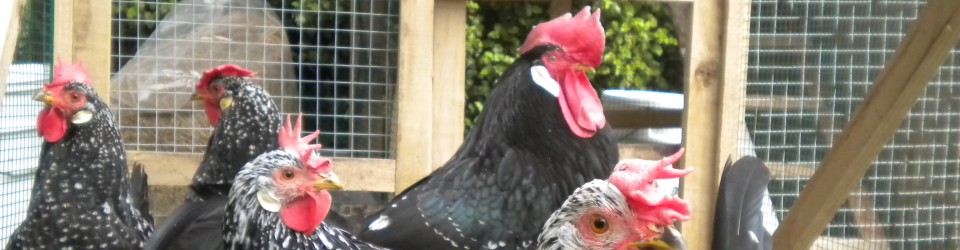
Inside the Quail Production Unit

As there are so many interesting discussions going on about quail housing, here is  a closer look at the inside my quail house.
111

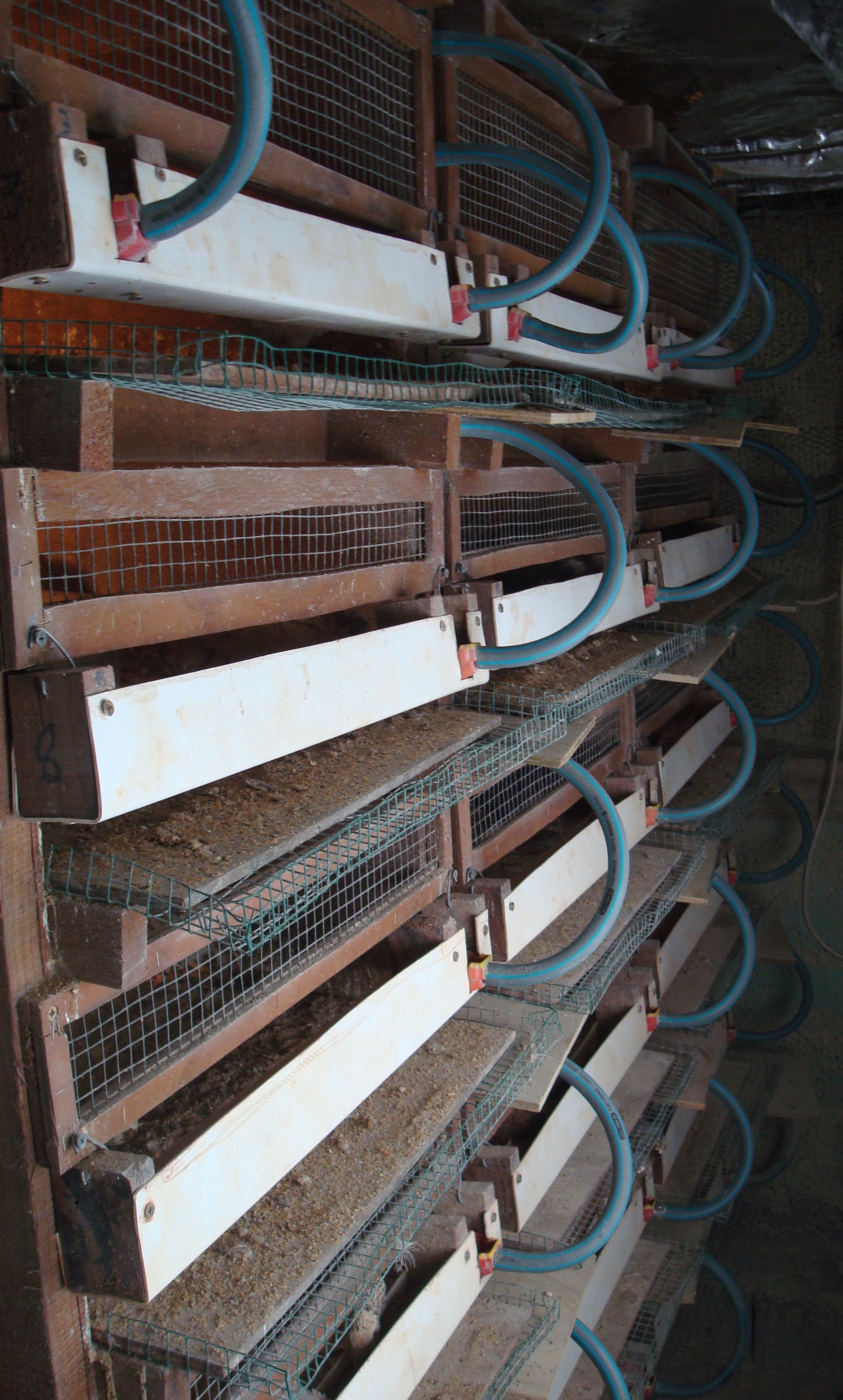
Units consist of 30 cages (six high and five wide) each being 600 X 600 mm, housing four females and a male or six females. All cages have a easy removable front feeder which gives easy access to individual cages, should it be required. Each cage also has a water drinker fed from a feeder tank. Some of the cages have  a removable wire partitioning for gradual introduction of new birds. The units are inside a room with adequate cross ventilation but no direct drafts. No additional heating is supplied.
116115

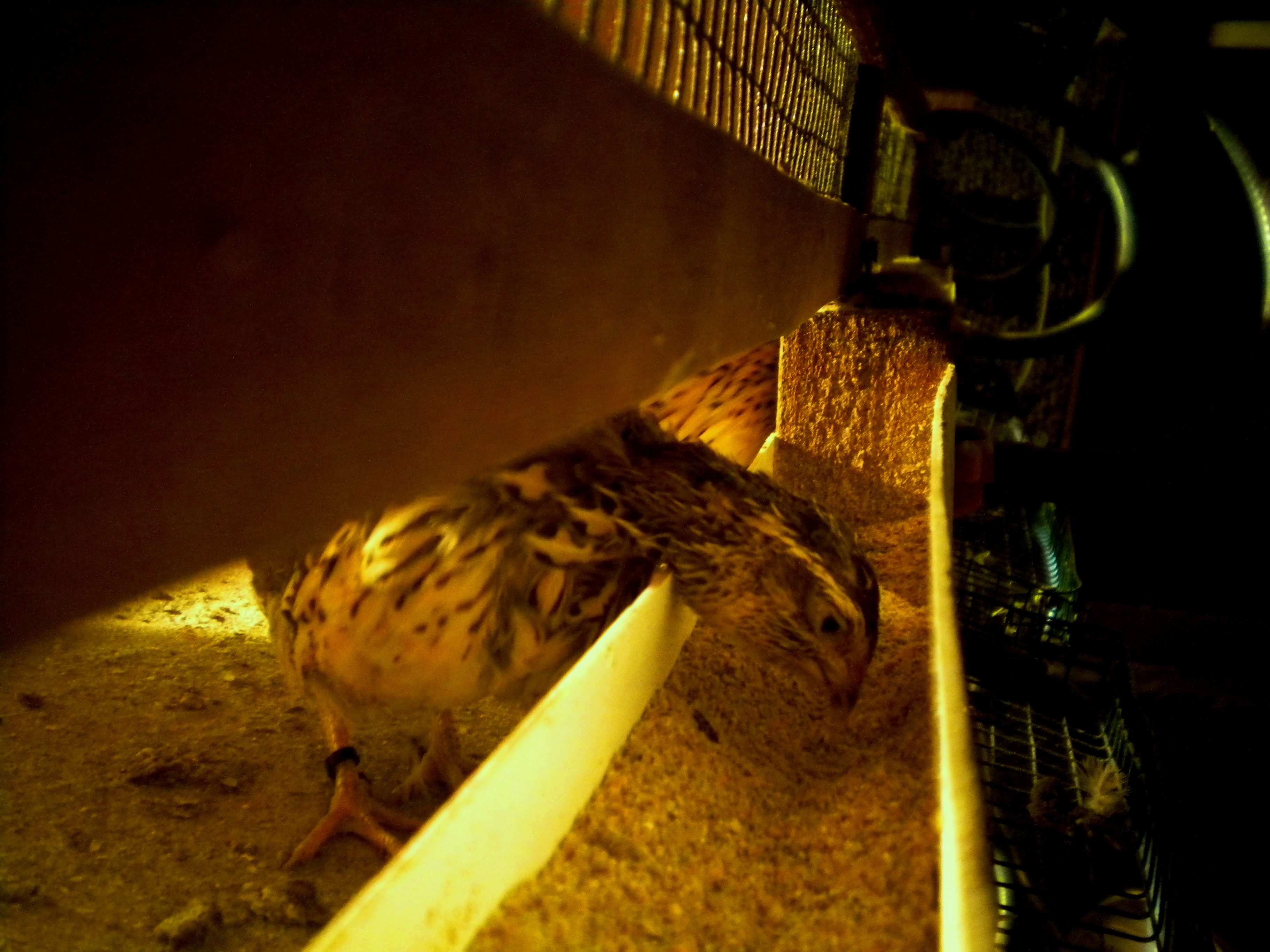
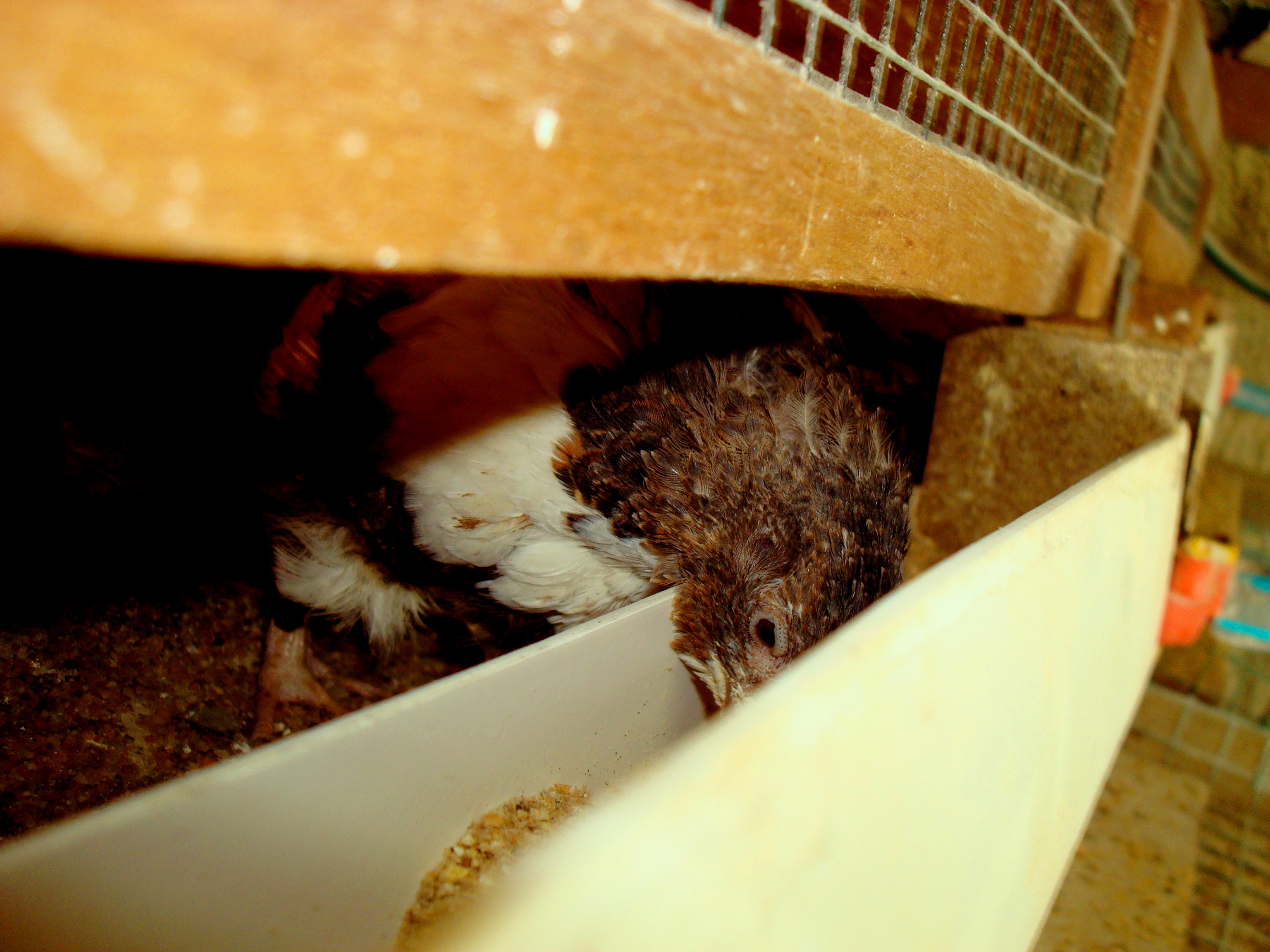
Clean home mixed feed is fed on a ad lib basis with easy access to feeders for regular supervision.  Enough feeder space, easily accessible for the birds, is supplied to eliminate competition at the through
117

Clean fresh water through water cups is provided at all times

113114

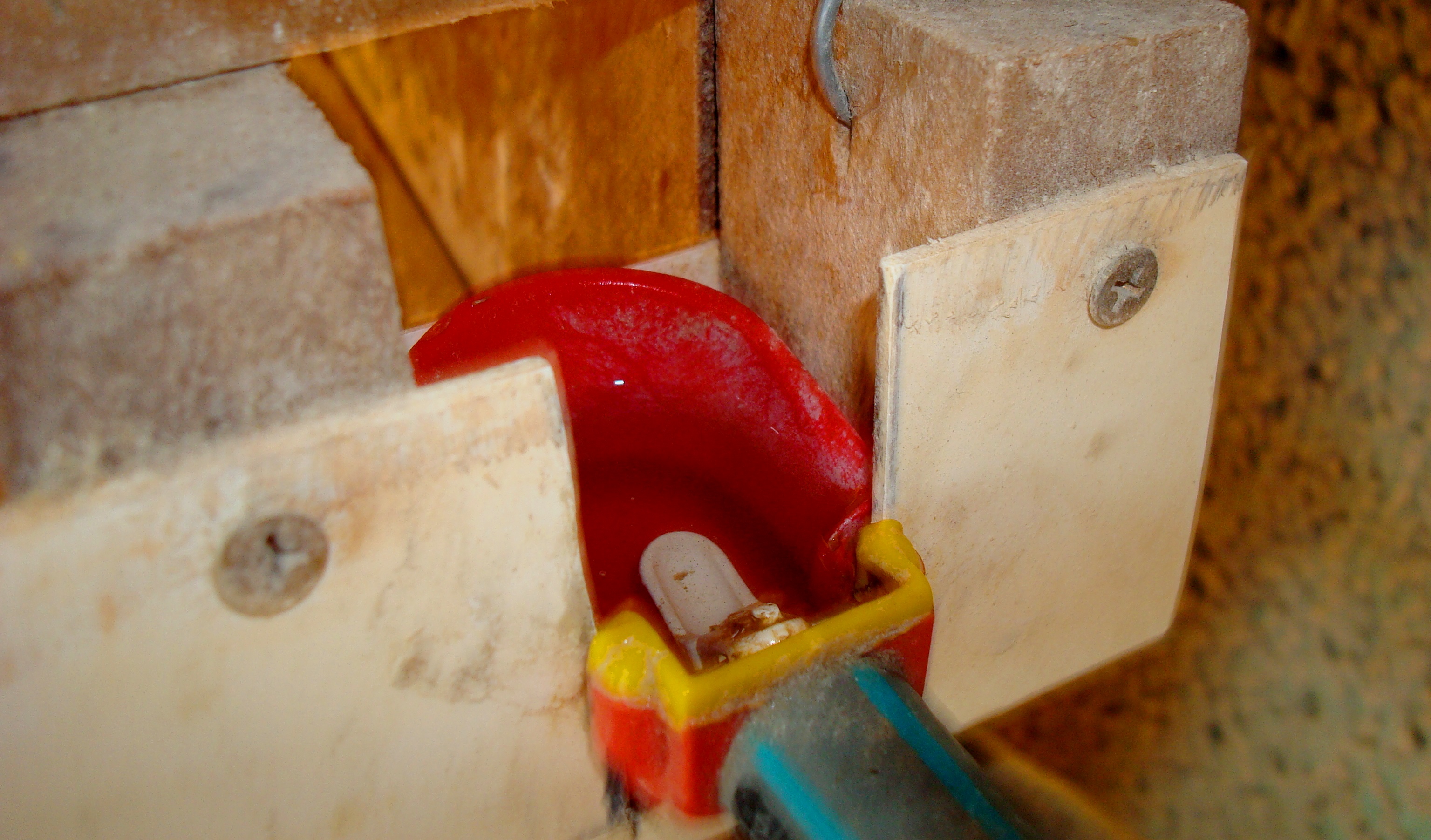
Floors are laminated ply wood and is removable, much easier on the birds than wire. The second photo shows how a clean floor board is slid under the used board, and the latter pulled out from the top. In the pictures the feeder has been removed for demonstration purposes only, but in practice the change of floors, which takes a few seconds, is done with the birds inside and feeders in the normal position – often the birds do not even notice that the floor is being changed. Now the dirty floors can be cleaned and be ready for the next change. I do mine about once every two weeks.

121119

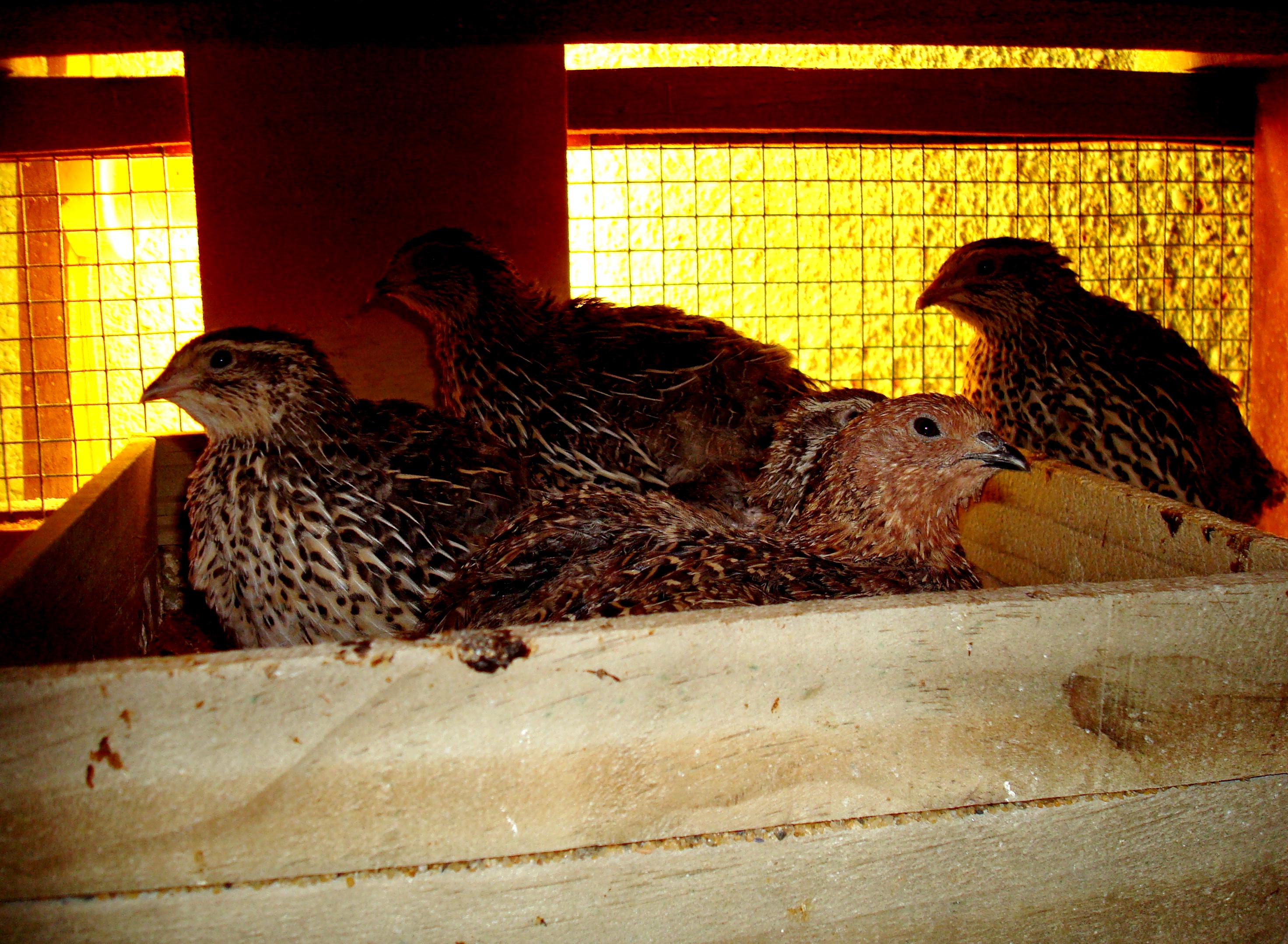
Each cage is fitted with a sand bath large enough for all the birds to be inside the bath at the same time if they so wish. Lighting is shielded, providing a soft glow that has a  calming effect on the birds.

118

The unit accommodates  up to 180 birds and takes up about 2 square meters of floor space, with enough space for the individual birds to relax and produce optimally. Birds are not kept on wire at any stage in time, as so many people do, as it is not beneficial to their health and well being. My birds are docile, calm, relaxed and happy and most of the time, when entering the room, with many hundreds of birds inside, there is not a sound as all the birds are calm, quiet and happy.


The Fritter Ace Makes Quail Risotto Leftover Fritters

2014-06-06 12.22.33

We have caught the first of the winter colds from the grand kids, it is freezing, it is going to rain for 10 days straight, the fire wood is damp, not in the mood for cooking lunch ……..what else to do but make fritters from yesterday’s leftovers!  Honestly, is there anything  I have not frittered yet 😉 It is a super fast comfort food, always popular with the household.

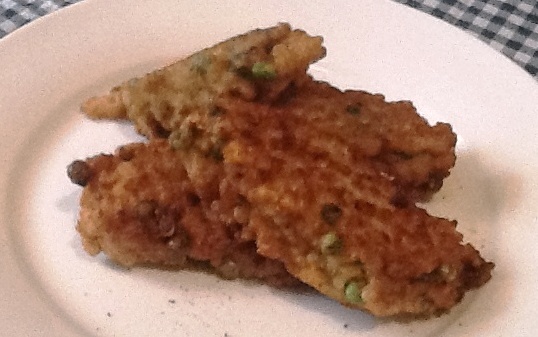
Quail Liver Risotto, or any risotto leftovers,  makes a lovely fritter, crispy on the outside and creamy on the inside, and lunch is ready in no time at all.

Fritters 

Heat about 1cm of oil in a pan  – the fritters should sizzle when they go in

While the oil heats up put the leftovers in a mixing bowl, and add a bit of veg like peas, leftover carrot or potato to pad it out. Add one or two eggs and about 3 tablespoons of flour. Mix well and drop spoonfuls in the hot oil .  When golden on one side turn over until golden on the other side. Serve with a salad.

Go back to reading in bed.

Cheese Production for May 2014 – Romano recipe

2014-06-02 19.54.09


We use a lot of cheese in cooking and for light meals.  There is very little choice in Dunedin where Italian cheese is concerned, so I hope to keep us supplied all year round. I shall soon post some information on the background and various uses of Italian cheeses


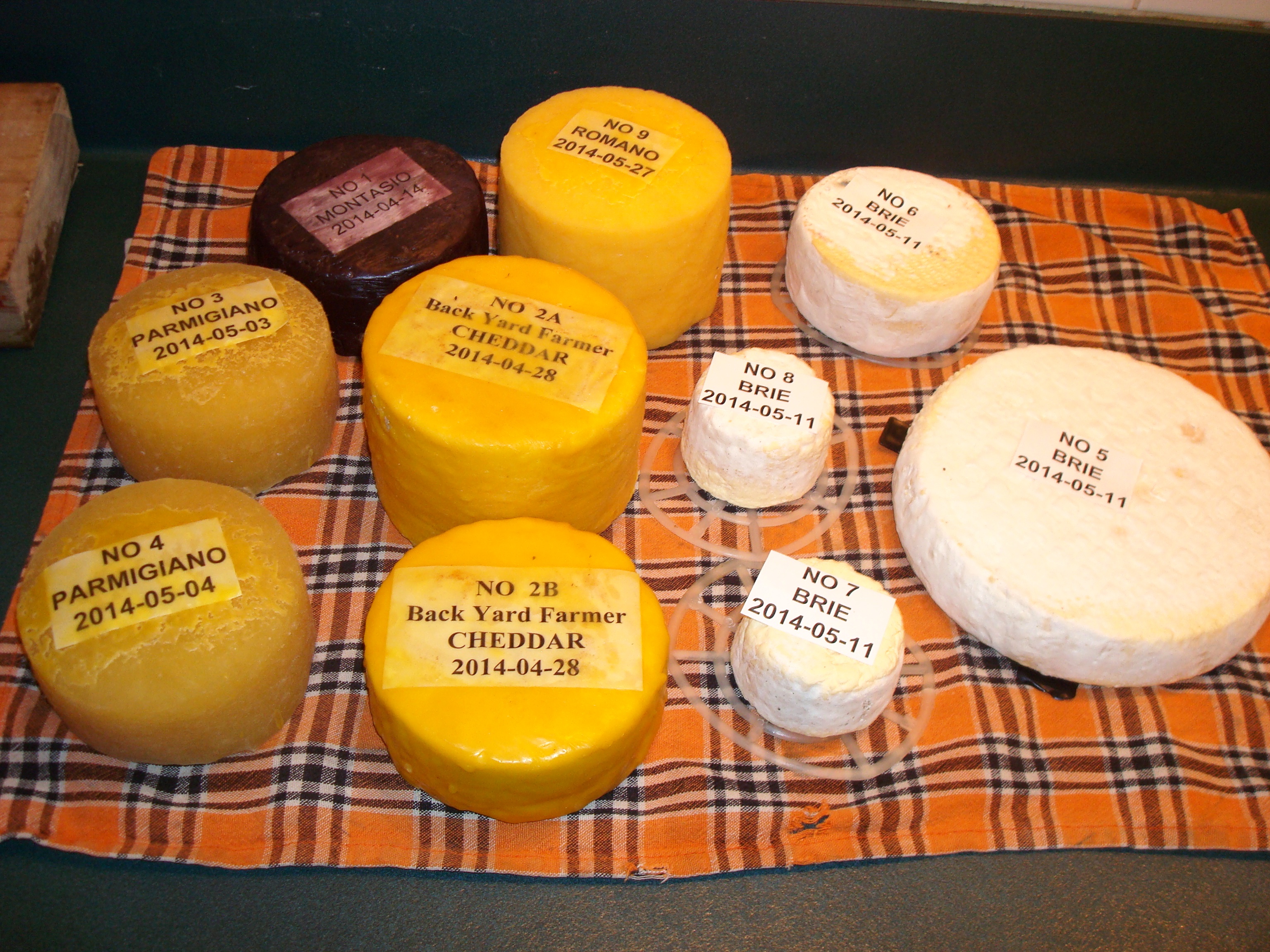
The month of May has been relatively productive with five kilograms of hard cheese (Parmigiano, Montasio, Cheddar and Romano) two kilograms of bacteria and mold ripened  cheese (Brie) and about four kilograms of soft cheese (Three types of Ricotta, Mascarpone and Mozzarella) being produced. I purchase about 20 liters of Dairy and Goat milk  per week and after harvesting some cream, drinking milk and making yogurt (four kilograms per week) the rest of the milk is being used for cheese making. All the whey, off coarse, is being made into Ricotta and the “whey” after the ricotta is being fed to the animals. The Dunedin climate, during the next three to four months, will be very good for cheese maturing and my outdoor cheese ripening safe on the South side of the house compliments the process very well. I therefor expect my first cheese season in New Zealand to produce good products. Because of the favorable conditions, production will increase during the following months to produce another 60 Kg of hard and Mold ripened cheese during the next four months, thereafter monthly production will decline to normal levels.

Next week we kick off with Cacciocavallo and Scamorza, then back to Provolone, Parmigiano and Romano. I am also going to try a yogurt cheese shortly. We also hope to have some sheep milk coming on line soon, which will result in Pecorino being produced.

Last week’s Romano. one of the easier cheeses to make, produced a very high yield and here is the recipe.

ROMANO

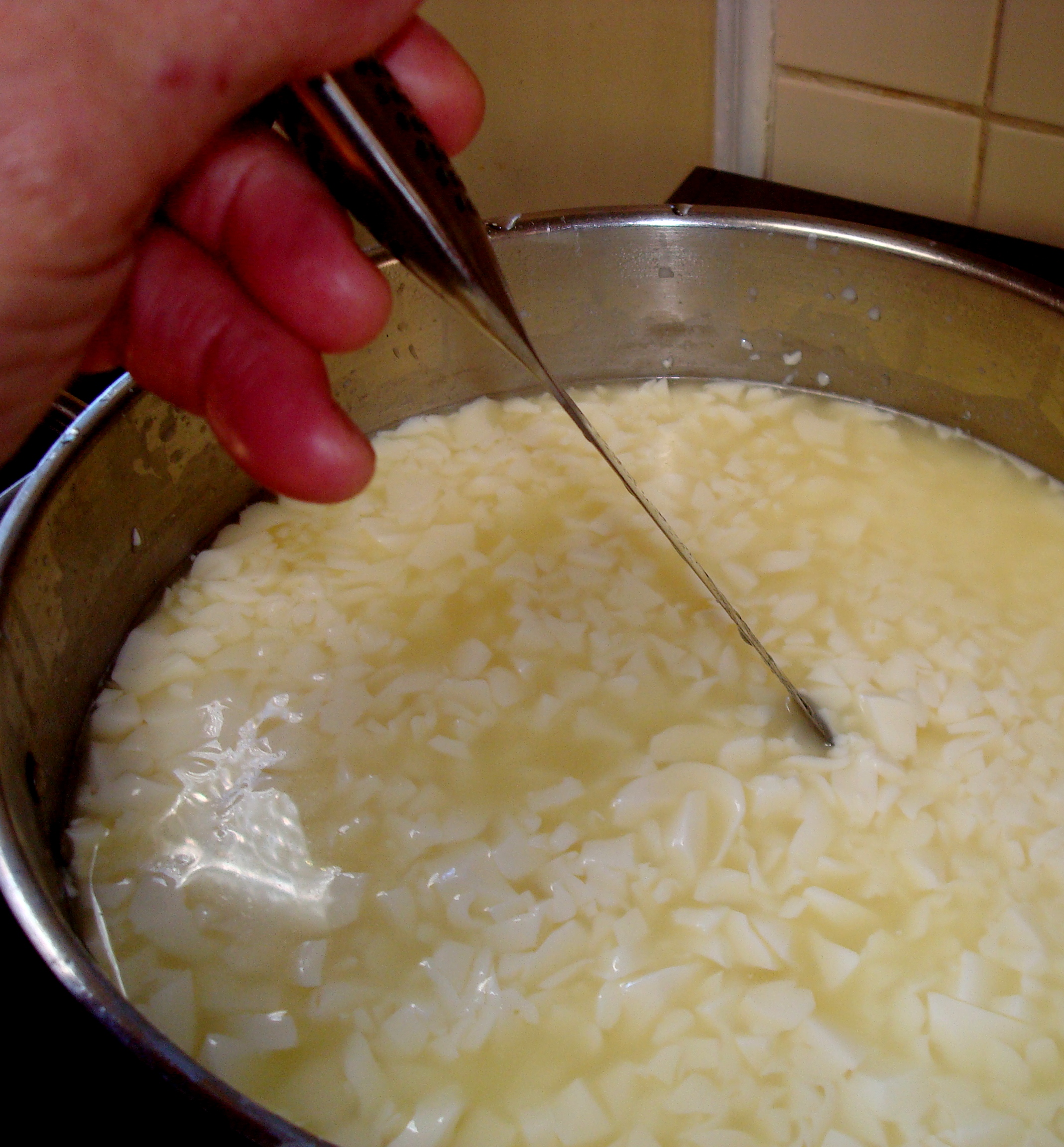
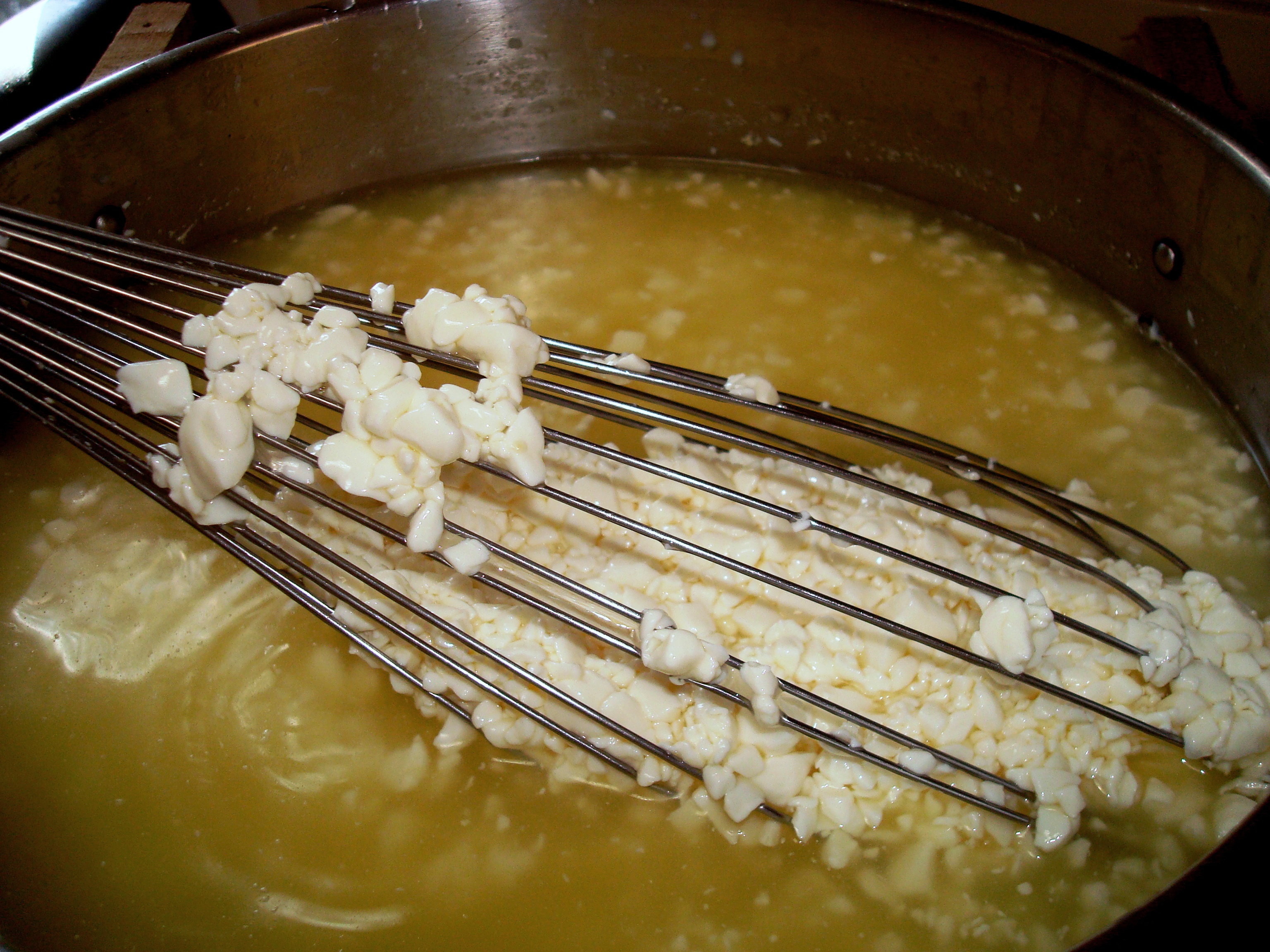
Heat 10 Liters of milk to 32 C and ad 150 g of Thermolytic mother starter.  Mix well and ad 2 g goat Lipase. Cover and allow to ripen for 15 minutes. Now ad 7 ml rennet and stir for two minutes with an up and down motion. Top stir for another minute. Allow to set until the curds gives a clean break. Cut the curds in 6 mm cubes – I use my salmon filleting knife and a stainless steel whisk.

2014-05-27 12.23.212014-05-27 12.45.20


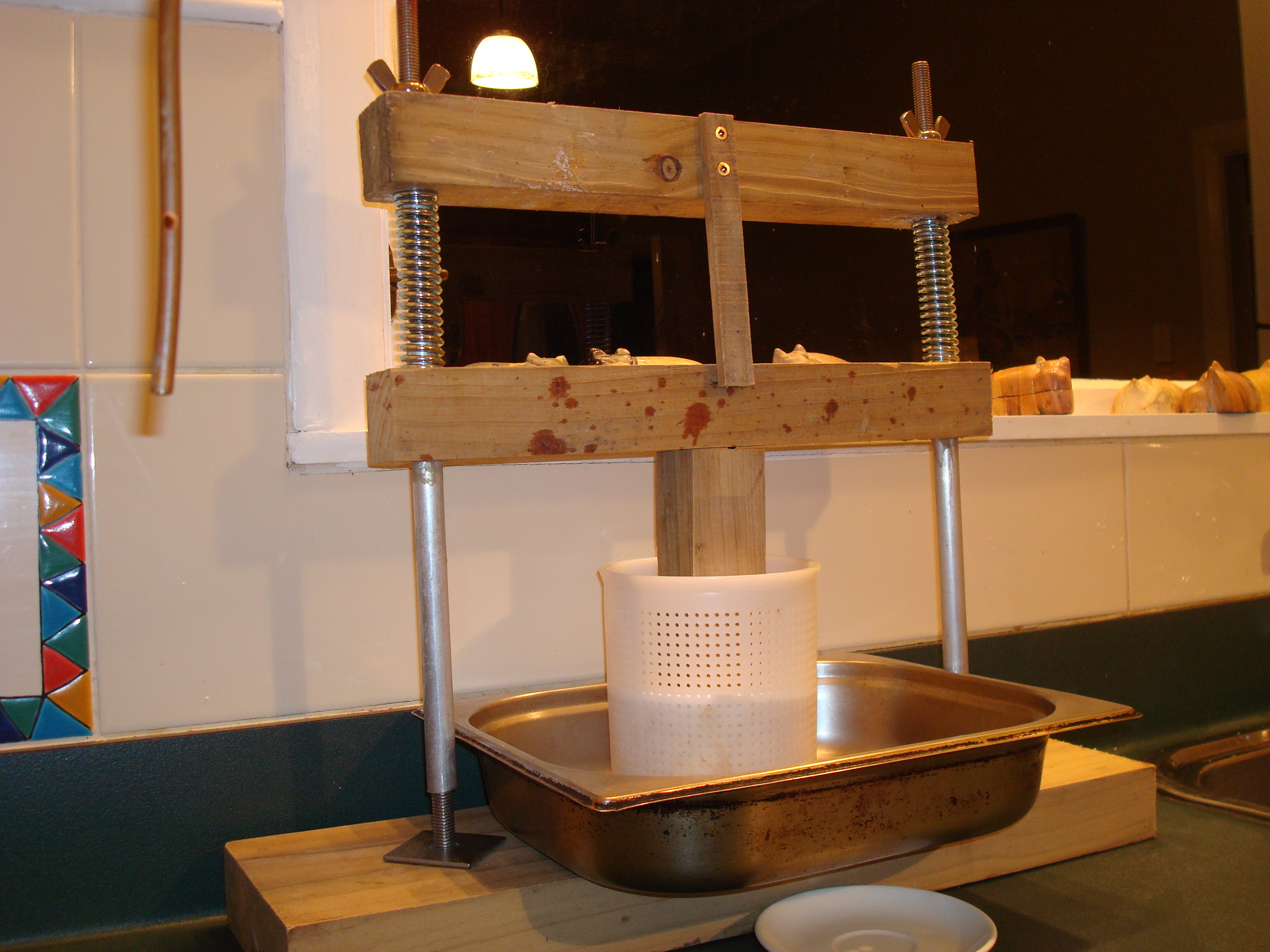
Slowly, over a period of one hour, raise the heat of the curd whey mixture to 48 C, while stirring constantly but gently, to prevent mat forming. Now keep the temperature at 48 C for another 40 minutes, whilst stirring gently.  The curd granules should now be firm enough to hold their shape if pressed between the fingers. Drain the whey and keep for Ricotta. Line a 1 Kg cheese mold with cheesecloth and pack the curd inside. Press at 2 Kg for 20 minutes, then flip and press at 5 Kg for 40 minutes. Flip again and press at 10 Kg for 2 hours. Flip again and press for 12 hours at 20 Kg.

Cheese Press

Remove cheese from the mold, peel the cheesecloth and submerge in a saturated salt brine solution for 12 hours. Pat dry and leave to air dry. Ripen for 4 – 12 moths. Turn daily for the first few weeks, thereafter turn weekly. If any molds form on the surface, rub lightly with a vinegar cloth.   ENJOY!!


Apricot Tart in Winter

2014-06-02 17.14.59

We had a glut of lovely apricots during summer (not from the garden, but from a local farmer) and I preserved quite a few for use during winter. Yesterday I used some of my stash for a pie and got a thumbs up from the household, even from the grand kids who, as a rule, do NOT touch their lips to any “new” foods.

Winter Apricot Tart

Preheat the oven to 200 degrees

Any sweet pastry recipe will do for the case.  I make a  short crust pastry dough without eggs, using butter, sugar and flour, baked until golden.  Line a  300 X 60 mm round spring form cake tin, you can also use a  pie dish (in my case) and press the moist dough up the sides of the tin and pat down the rest of the dough on the base. Add the filling when the crust is cooled slightly.

Filling

500 g preserved apricots

225 g sugar

225 g butter

100 g flour

4 eggs whisked

orange zest

1 orange juiced

vanilla essence or vanilla bean paste

Mix everything together well and pour into pastry case. Bake for 40 minutes at 200 degrees. Glaze the tart with  home made apricot jam

I am going to try the same recipe using preserved pumpkin, in place of the apricot, next week.