RISOTTO alla BARBABIETOLA (Beetroot Risotto)

Winter in Dunedin means that the garden is not very productive and we need to eat what is available. Beetroot seems to ignore the cold and the plants were producing throughout winter – fortunately I planted enough. The problem of too little vegetable varieties becomes more intense as one runs out of ideas as to how the beetroot is going to be cooked today. I harvested some more beetroot and asked Mrs BYF to do something else with it this time and she came up with this wonderful Beetroot Risotto – I am now sorry I did not plant more.

Ingredients

4 small or 2 large Beetroot (about 500g) washed but not trimmed 

1 whole Garlic

4 Scallions (because we have lots in the garden) finely chopped, including the tender parts of the green leaves. 

1 1/2 cups of risotto rice like Arborio or Carnaroli

500ml of Stock. Any good stock will do of which we again have ample supplies of. 

Olive oil for frying 

1 tablespoon of Butter to add at the end. 

Salt and Pepper to taste. 

Grated Parmigiano reggiano to serve. 

Pre heat the oven to 200C. Brush the beetroot and the garlic with olive oil and roast until cooked, about 40 minutes. Don’t leave them too long, they get dry and wrinkly.

When the beetroot and garlic are done and have cooled enough to handle, trim and chop the beetroot ( I never remove the skin) if you chop finely enough you don’t have to blend anything. Squeeze the garlic over the  beetroot and set aside. 

Heat the stock to just below boiling point

Add a few tablespoons of olive oil to a pan, big enough to contain the cooked rice, scallions and beetroot add the chopped scallions and fry until translucent. Add the rice and fry for a few minutes. Add half a glass of good white wine and allow the alcohol to evaporate. Start adding the stock a few tablespoons at a time, don’t make a soup. Keep stirring while adding stock. Each grain of rice should have a coating of moisture and float separately from the others. Keep this up until the rice is almost done, then add the garlic and beetroot mix to the rice. Cook and stir until the rice is tender enough to taste.  Adjust salt and pepper. Add the butter and stir very well before serving hot onto heated plates

Top with Parmigiano reggiano and some chopped parsley

ENJOY with a glass of GOOD home made red wine !!
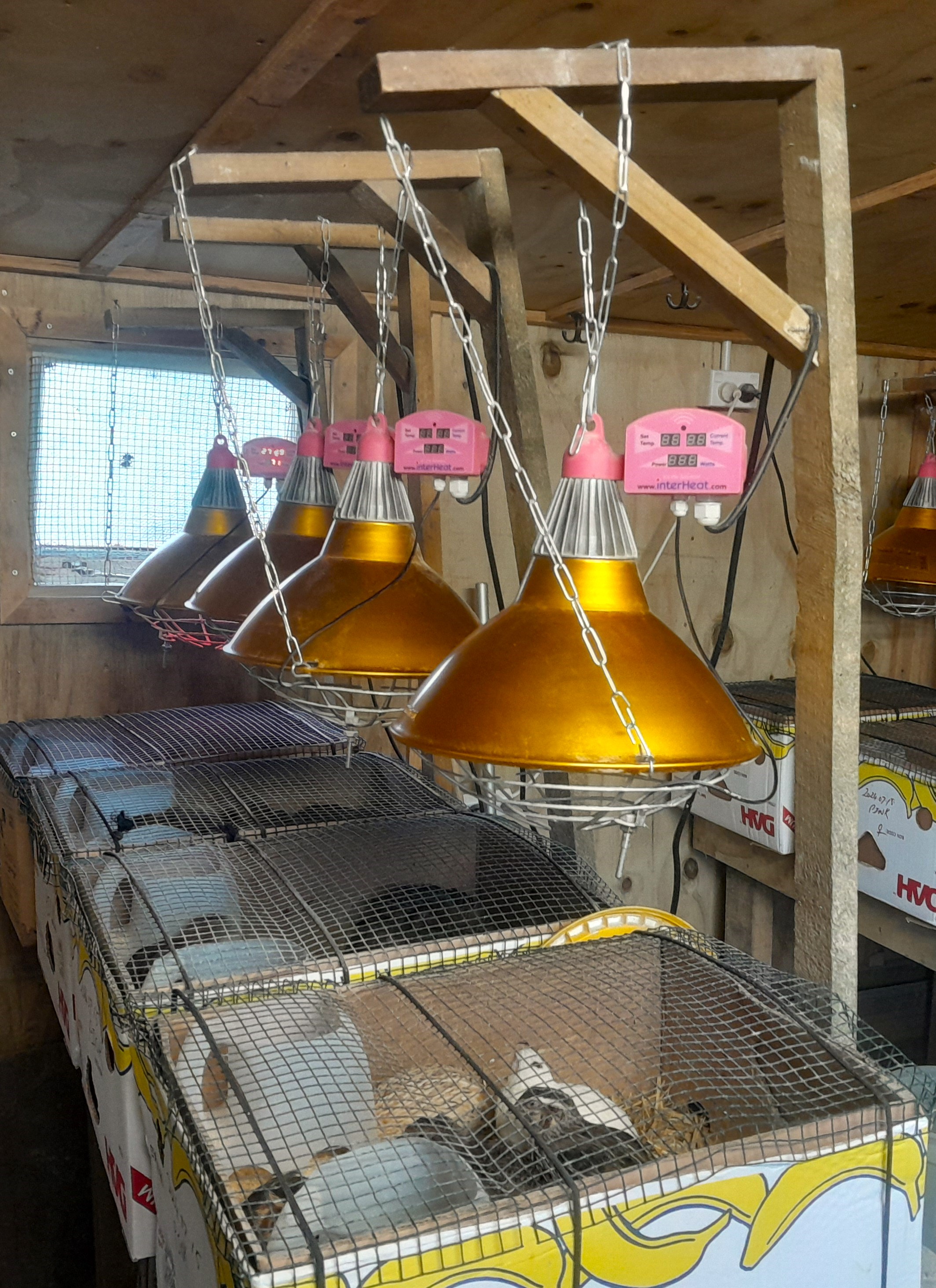
UPSIDE DOWN BANANA BOXES

INSIDE TE HATCHERY

For many years I used plastic brooders to grow my small quails in and it worked very well. The problem came having to clean these all the time and since I replace about 10 of these in my hatchery every week, it became a very laborious and unpleasant task. A water blaster was the only way to clean them properly which created a lot of effluent as well. Alternatives were investigated and I settled on Banana Boxes. The advantage is that there is no cleaning as I just replace the used box with a new and clean one. The downside was that I had 10 manure and bedding “soiled” banana boxes every week. I solved this by flattening the boxes and turn them upside down in my garden with the manure and bedding underneath and the box on top. This makes a wonderful source of nutrients fertilising the soil and also an excellent weed mat.


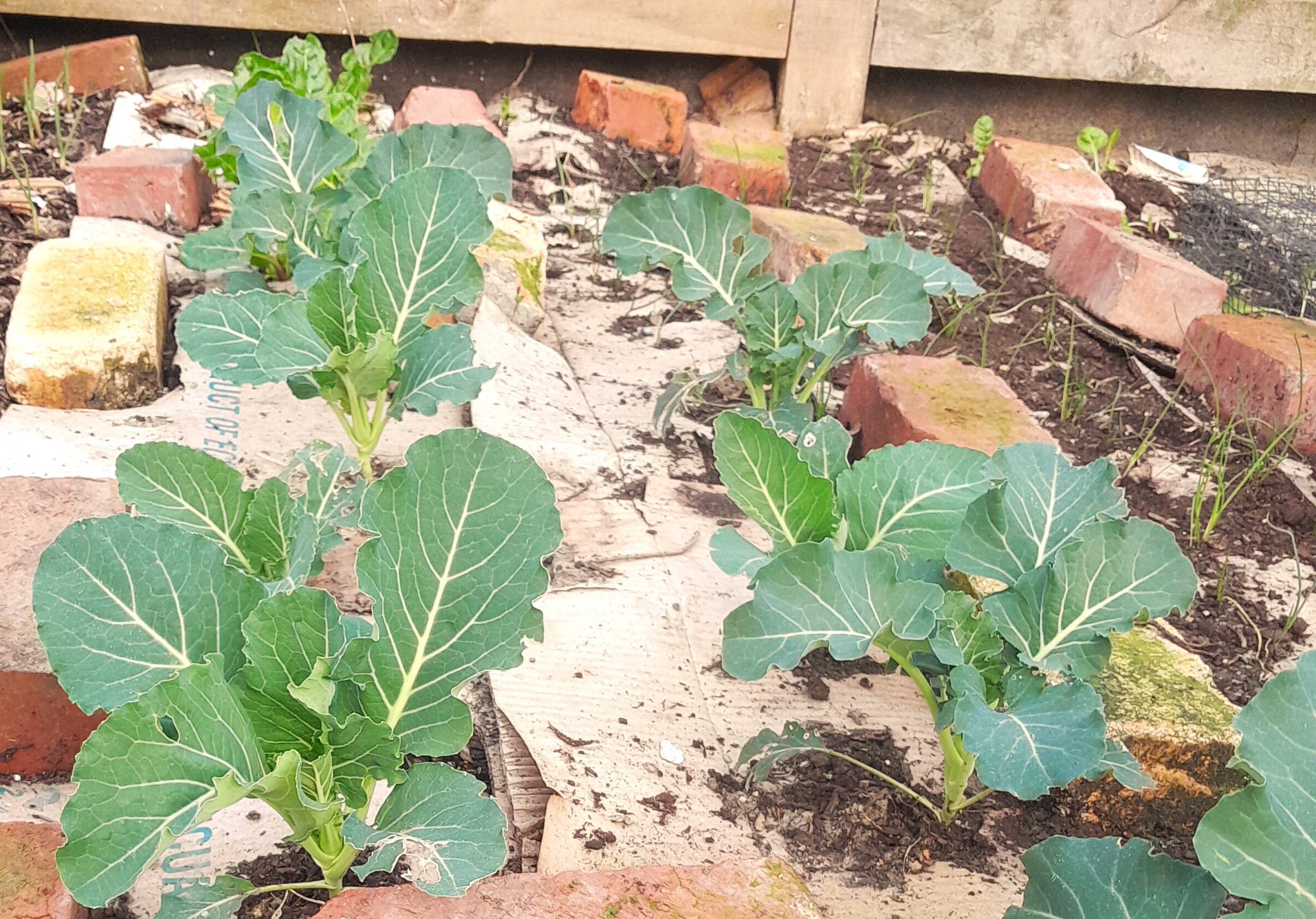
The results are excellent from a plant growth point of view and I have also not seen that many earthworms in all my live. I normally leave the boxes, well watered, for a couple of months before drilling a 40 mm hole about 200 mm deep through the box into the ground, fill it with good quality soil and plant the new plants or seeds it the hole. One needs to pack the boxes down in the beginning (I use old bricks) until the plants are stronger, otherwise the boxes move too much and the hole is not over the seed any more, or the small plants get damaged. After about 1 month the boxes have disintegrated and the bricks can be removed. The plants are now strong enough, weed free and well fertilised.

Ready to plant an Artichoke Forrest

One of the many Tomato beds ready for planting
Brassicas are very happy
Garlic is going very well
Boxes are well disintegrated after 6 weeks

QUAIL and other POULTRY feeding update by Back Yard Farmer

NEW FEEDING REGIMES FOR IMPROVED PRODUCTION

for Coturnix coturnix Quail and all other Wild Birds such as Pheasants, Partridge, etc

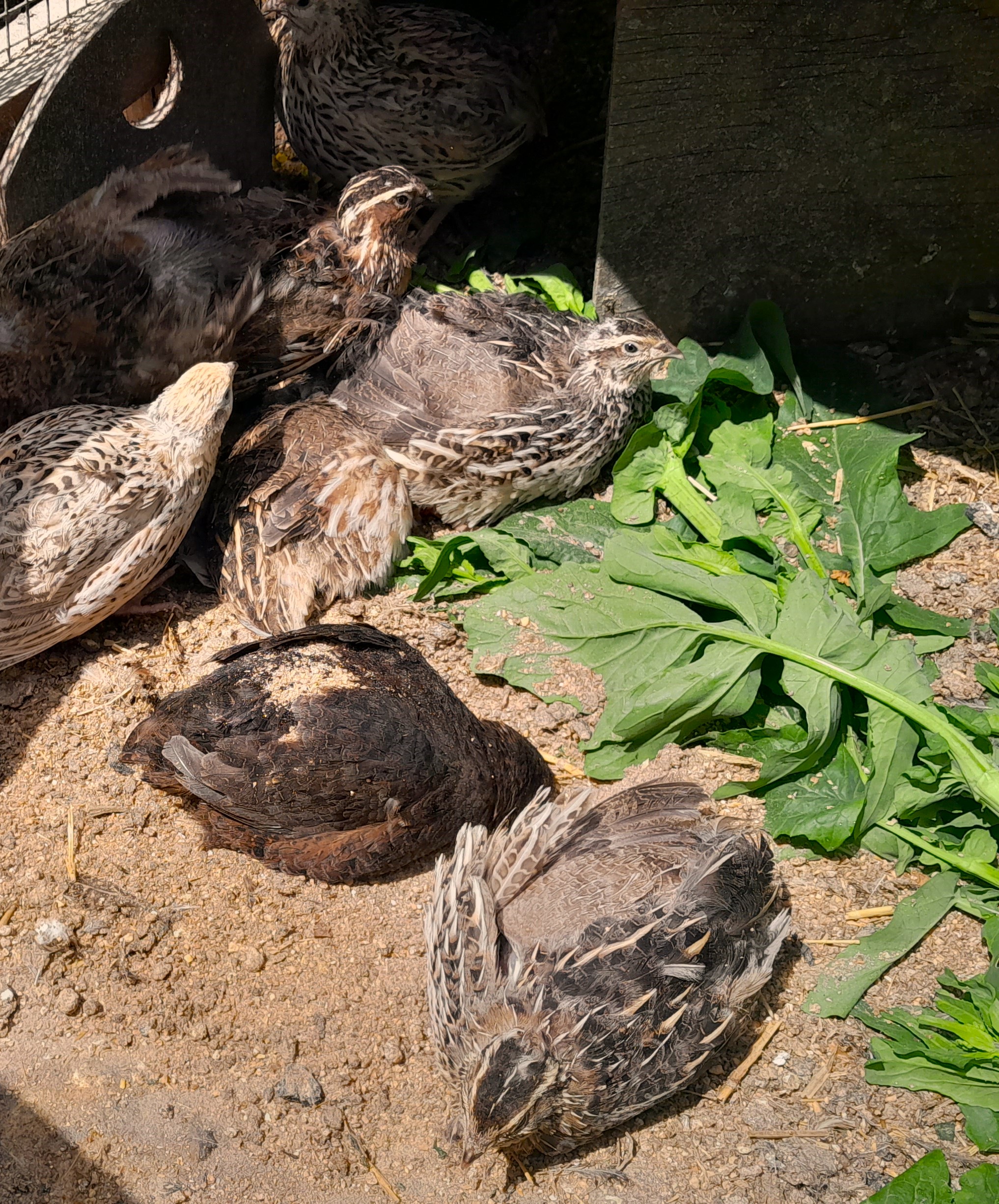
Combining my experience in animal nutrition and husbandry with extensive reading regarding the latest nutritional developments I am now manufacturing feeds that are very advanced in approach. These feeds benefit high performing quails and other wild birds such as pheasants and partridge. My birds are performing so well on these new feed formulations that I have included these formulae in all the feeds I offer for sale.

My strategy is to maximise digestibility using the simplest and best combination of materials and feed additives. I also utilise proven probiotics / prebiotics to stimulate and enhance the naive gut, creating a favourable environment for good gut flora to proliferate and keep cell junctions tight. The rations also assist gut enterocytes with function and repair, while there are some elements in the feeds that help the modulation of immune responses.

I formulate to specifications for a 28 % Protein BYF Quail Starter Feed, 26 % Protein BYF Quail Grower Feed, 24 % Protein BYF Quail Maintenance Feed and a 22 % Protein BYF Layer Feed as the top of the range diets by introducing new additives in addition to the present Vitamin and Mineral Pre Mix. These additives contain extra Lysine, Methionine, Threonine, Isoleucine and Valine which is intended to fully balance all the digestible amino acid ratios. These additions also lift the protein and energy digestibility beyond their stated levels on paper by using 4 separate and specific feed enzyme activities. The extra additives contain bioactive Vitamin D (Hy-D), Vitamin C, and Calcium Carbonate for bone modelling and antioxidant properties. Kelp meal, minerals, electrolytes and some sources of protected Butyrate, Carvacrol and Thymol steer good flora and discourage overgrowth of pathogenic bacteria and organisms. These new additions also contain a Mannosidase enzyme to aid the digestibility of various materials with proven Phytase, beta Glucanase, Xylanase and Protease enzymes.

My new feed formulations are the ultimate diets for quail and wild birds. All the above inclusions are essential and unique and take care of all amino acid balances using standard materials, supercharging the opportunity across all fronts for the birds to start well, grow well and produce well. There is plenty here to give bumble bee sized chicks, as well as mature birds, every chance to thrive without antibiotics, which is a big plus. These feeds are not only essential for wild birds, but give all poultry that extra boost when under stressful conditions.

KENTUCKY FRIED RABBIT

New Zealand has far too many rabbits. They are eating their way through the countryside ruining the pastures so we decided, as payback, that we would eat them! There are many ways to cook this lovely, lean meat and ‘Kentucky Fried Rabbit’ is the best when one has had too many stews or roasts

Even though I am not a loyal KFC customer, I know lots of people who are (Obviously not close friends of mine). When I stumbled upon an Italian food site claiming to have “acquired” the famous KFC recipe (tongue in cheek off course from the Italians) and disclosed it all on their page, I was interested. I am often asked how to cook rabbit as I have AMPLE supplies in my freezer, my standard answer always is that you can cook it in any way you cook chicken. Having made the connection between chicken and rabbit and having the secret recipe at hand, I was determined to try some KFR (Kentucky Fried Rabbit) or DFR (Dunedin Fried Rabbit) in my mission to eat every one of these NZ PESTS!!!

It was my turn to cook Saturday lunch and I thought I may as well try my new adventurous recipe on Mrs BYF. Weighing out the ingredients to the closest gram and carefully following the intricate steps of the recipe, I had some food on the plates about two hours later and to my BIG SURPRISE it was very good. Some of my regular KFC muncher “friends” even seriously commented it to be better than the famous KFC!!! Watch out Colonel here comes New Zealand!!

Recipe

1 large wild rabbit

Cut the rabbit up in portions

Use a pan big enough to fit all the rabbit pieces in a single layer

2 cups of vegetable oil for frying

1 cup potato flour for the first drenching

2 cups flour for the second drenching

1 tablespoon of smoked paprika

1 teaspoon cardamom

1 teaspoon salt or more to taste

1 teaspoon powdered ginger

1 tablespoon powdered garlic

3 eggs beaten

Method

Because one can never be sure of the age of the rabbit I steam it until it is soft but still firmly on the bone. It takes about 20 – 30 minutes for an old rabbit. This step is not required if you know it to be a young rabbit and the results are always better than cooking an older rabbit

When the steamed rabbit has cooled, pat dry and drench with the potato flour. Whisk all the dry ingredients together. Dip the rabbit pieces individually first in the egg and then in the flour mix, then dip the pieces in the egg and flour again. Heat the oil in the pan. Slip the pieces into the hot oil (the rabbit should sizzle) and fry for about 10 minutes on a side, controlling the heat so that the rabbit becomes golden brown and not burnt

One probably should have this with mashed potato and gravy but I served it with steamed broccolini and polenta.

ENJOY with a glass of GOOD HOME MADE RED WINE