Put the raw cauliflower in a bowl, add the olive oil and turn the couliflower over until the florets are well covered. Put the florets in a roasting pan that will take all the cauliflower in one level. Roast the florets until they are golden. The tips can be a little blackened because that enhances the nutty flavour
When the cauliflower has roasted, put the pasta on the stove to boil
Use a pot that can contain the florets and pasta together, put the 6 tablespoons of olive oil in the pot and add the garlic and all the anchovies. Turn the heat to low and brown the garlic, the anchovy will melt in to the oil
When the pasta has cooked, save 1/4 cup of the pasta water and drain the pasta. Pour the pasta directly into the anchovy and garlic sauce and mix well. Add a bit of the pasta water to the mix if needed. Serve immediately, put the cheese on the table so everyone can add cheese to taste
We expected 2 friends for dinner tonight and I decided to bake a STROMBOLI instead of the normal bread I always make
I used my standard bread dough recipe, using my own organic milled wheat flour and rolled it out about 0.5 cm thick. Dressed it with Fresh baby Spinach, Caciocavallo cheese, Tomatoes, Capocollo, Salami, Garlic, Parsley, Olive Oil, Salt and Pepper – Most of the Produce, Cheese and Salumi are my own produce
Roll it up thightly
Proof it in one of my spare egg incubators
Bake at 225 C for 30 minutes, turn the heat down to 190 C and bake for another 30 minutes
Ready for the guests
The end product was not only visually appealing, but met with the approval of all !!
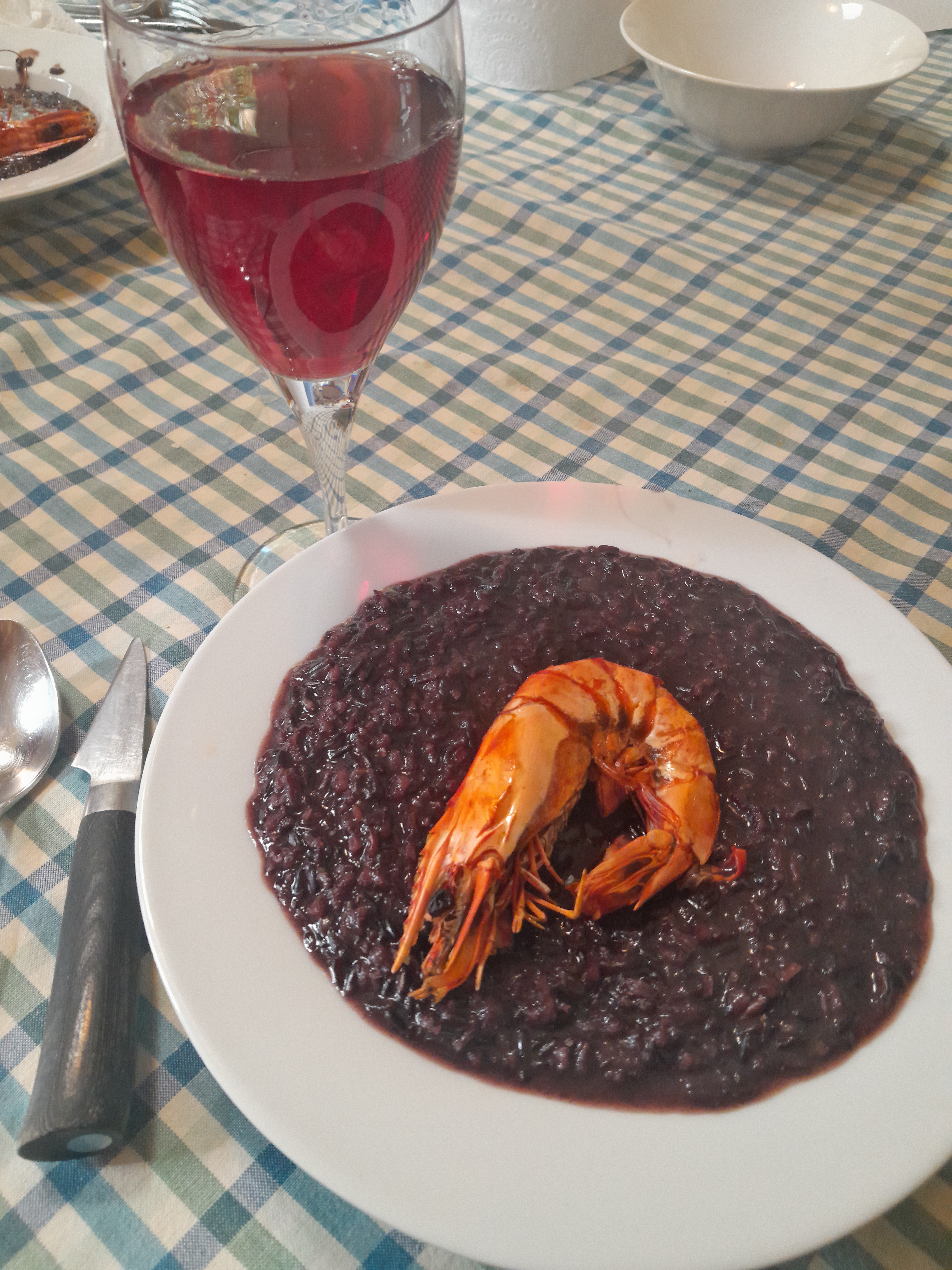
Winter in Dunedin means that the garden is not very productive and we need to eat what is available. Beetroot seems to ignore the cold and the plants were producing throughout winter – fortunately I planted enough. The problem of too little vegetable varieties becomes more intense as one runs out of ideas as to how the beetroot is going to be cooked today. I harvested some more beetroot and asked Mrs BYF to do something else with it this time and she came up with this wonderful Beetroot Risotto – I am now sorry I did not plant more.
Ingredients
4 small or 2 large Beetroot (about 500g) washed but not trimmed
1 whole Garlic
4 Scallions (because we have lots in the garden) finely chopped, including the tender parts of the green leaves.
1 1/2 cups of risotto rice like Arborio or Carnaroli
500ml of Stock. Any good stock will do of which we again have ample supplies of.
Olive oil for frying
1 tablespoon of Butter to add at the end.
Salt and Pepper to taste.
Grated Parmigiano reggiano to serve.
Pre heat the oven to 200C. Brush the beetroot and the garlic with olive oil and roast until cooked, about 40 minutes. Don’t leave them too long, they get dry and wrinkly.
When the beetroot and garlic are done and have cooled enough to handle, trim and chop the beetroot ( I never remove the skin) if you chop finely enough you don’t have to blend anything. Squeeze the garlic over the beetroot and set aside.
Heat the stock to just below boiling point
Add a few tablespoons of olive oil to a pan, big enough to contain the cooked rice, scallions and beetroot add the chopped scallions and fry until translucent. Add the rice and fry for a few minutes. Add half a glass of good white wine and allow the alcohol to evaporate. Start adding the stock a few tablespoons at a time, don’t make a soup. Keep stirring while adding stock. Each grain of rice should have a coating of moisture and float separately from the others. Keep this up until the rice is almost done, then add the garlic and beetroot mix to the rice. Cook and stir until the rice is tender enough to taste. Adjust salt and pepper. Add the butter and stir very well before serving hot onto heated plates
Top with Parmigiano reggiano and some chopped parsley
New Zealand has far too many rabbits. They are eating their way through the countryside ruining the pastures so we decided, as payback, that we would eat them! There are many ways to cook this lovely, lean meat and ‘Kentucky Fried Rabbit’ is the best when one has had too many stews or roasts
Even though I am not a loyal KFC customer, I know lots of people who are (Obviously not close friends of mine). When I stumbled upon an Italian food site claiming to have “acquired” the famous KFC recipe (tongue in cheek off course from the Italians) and disclosed it all on their page, I was interested. I am often asked how to cook rabbit as I have AMPLE supplies in my freezer, my standard answer always is that you can cook it in any way you cook chicken. Having made the connection between chicken and rabbit and having the secret recipe at hand, I was determined to try some KFR (Kentucky Fried Rabbit) or DFR (Dunedin Fried Rabbit) in my mission to eat every one of these NZ PESTS!!!
It was my turn to cook Saturday lunch and I thought I may as well try my new adventurous recipe on Mrs BYF. Weighing out the ingredients to the closest gram and carefully following the intricate steps of the recipe, I had some food on the plates about two hours later and to my BIG SURPRISE it was very good. Some of my regular KFC muncher “friends” even seriously commented it to be better than the famous KFC!!! Watch out Colonel here comes New Zealand!!
Recipe
1 large wild rabbit
Cut the rabbit up in portions
Use a pan big enough to fit all the rabbit pieces in a single layer
2 cups of vegetable oil for frying
1 cup potato flour for the first drenching
2 cups flour for the second drenching
1 tablespoon of smoked paprika
1 teaspoon cardamom
1 teaspoon salt or more to taste
1 teaspoon powdered ginger
1 tablespoon powdered garlic
3 eggs beaten
Method
Because one can never be sure of the age of the rabbit I steam it until it is soft but still firmly on the bone. It takes about 20 – 30 minutes for an old rabbit. This step is not required if you know it to be a young rabbit and the results are always better than cooking an older rabbit
When the steamed rabbit has cooled, pat dry and drench with the potato flour. Whisk all the dry ingredients together. Dip the rabbit pieces individually first in the egg and then in the flour mix, then dip the pieces in the egg and flour again. Heat the oil in the pan. Slip the pieces into the hot oil (the rabbit should sizzle) and fry for about 10 minutes on a side, controlling the heat so that the rabbit becomes golden brown and not burnt
One probably should have this with mashed potato and gravy but I served it with steamed broccolini and polenta.
We got our hands on probably the best squid we have ever had. Fresh, large, tasting of the sea. We immediately started discussing our many options, determined to make the most of it. The recipe we settled on was a tender, flavourful dish of squid. I cleaned as much as we need and froze the rest. After making a tender and tasty squid with wine and spinach, Mrs BYF decided to put stuffed squid on the menu for lunch.
To serve six, or two with some very nice leftovers for the rest of the week
6 whole Squid cleaned, tentacles and fins cut off leaving the sac intact
4 tablespoons extra-virgin Olive Oil
4 Garlic cloves or more
2 tablespoons chopped Italian Parsley
140g fresh Tomatoes.
Salt to taste
chopped Chilli or chilli flakes to taste
1 Egg yolk
15g dry Bread crumbs. White bread unflavoured.
170g thinly sliced brown Onion
100ml dry white Wine
Toothpicks the large strong ones
Method
Chop up the fins and tentacles
To make the stuffing, cook the garlic in the 1 1/2 tablespoons of oil until slightly coloured. Add the parsley and stir a few times before adding the tentacles and fins, cook for a few minutes stirring well. Add the tomatoes and let the stuffing simmer for about 30 minutes until the tomatoes are dense and have lost the waterlines. When done, transfer the stuffing to a bowl and let it cool completely. Add the egg and the breadcrumbs and mix well. Mrs BYF was using quail eggs and could not be bothered to seperate the whites from the yolks. The result was still very good.
While the tomato mix cooks, cook the chopped onion in 11/2 tablespoons of oil until golden. Meanwhile divide the stuffing in to 6 equal portions and stuff the squid sacs, secure the openings with the toothpick.
Add 1 tablespoon of olive oil to the onion and turn up the heat, cook the squid turning it until all the sides of the sacs are golden brown. Add the white wine, let it bubble away completely, put the lid on the pan and turn the heat to a very gentle simmer for 45 minutes. Add a bit of water only when there is a danger of the squid sticking to the pan. When tender, slice the sacs in to 1 or 2 cm thick slices. Return to the pan and dribble whatever juices there are over the slices. Serve immediately.
The entire process was worth while because the end result was delicious!
ENJOY and do not forget a glass of good home made red wine