
Cured Salmon

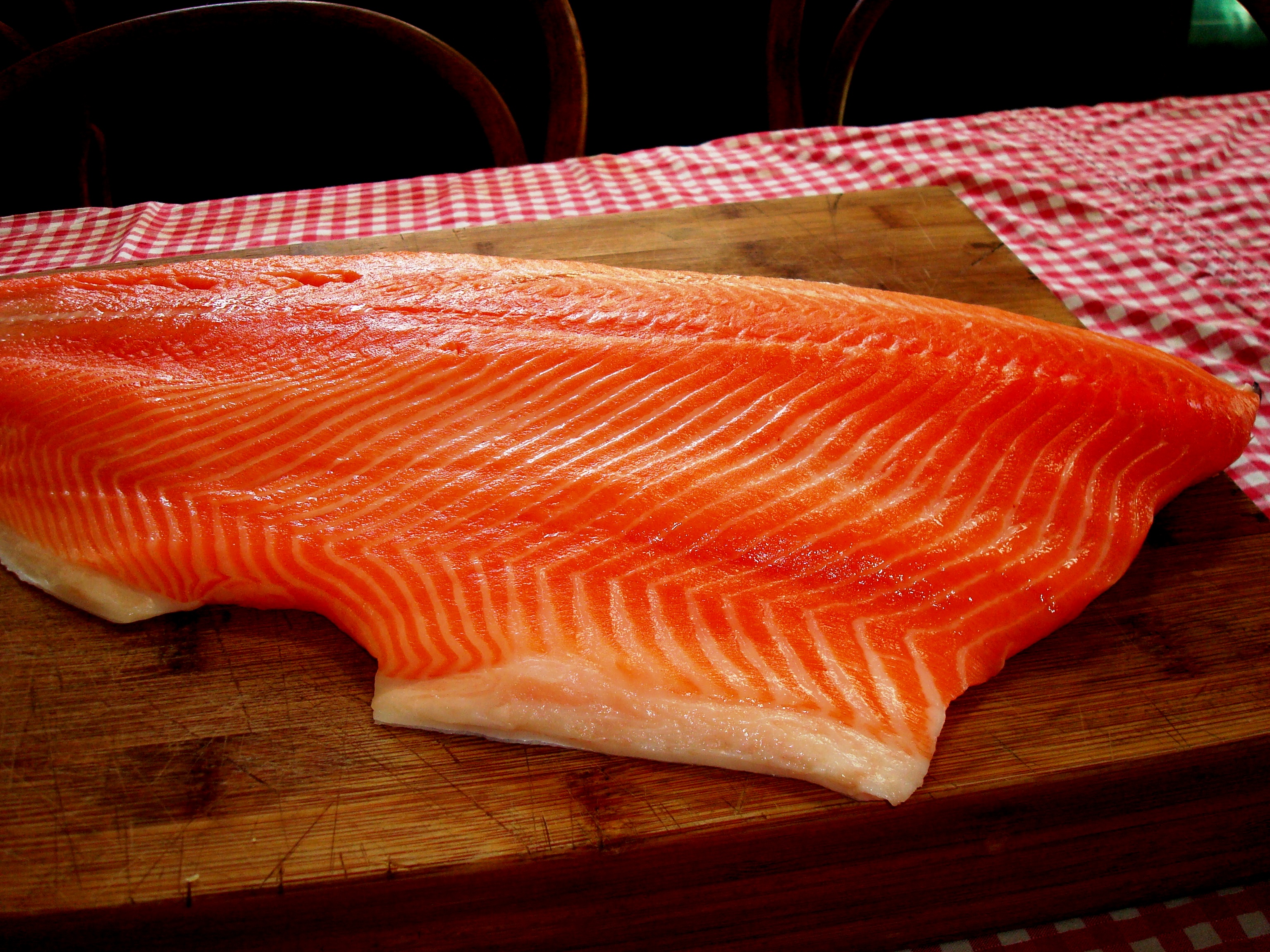
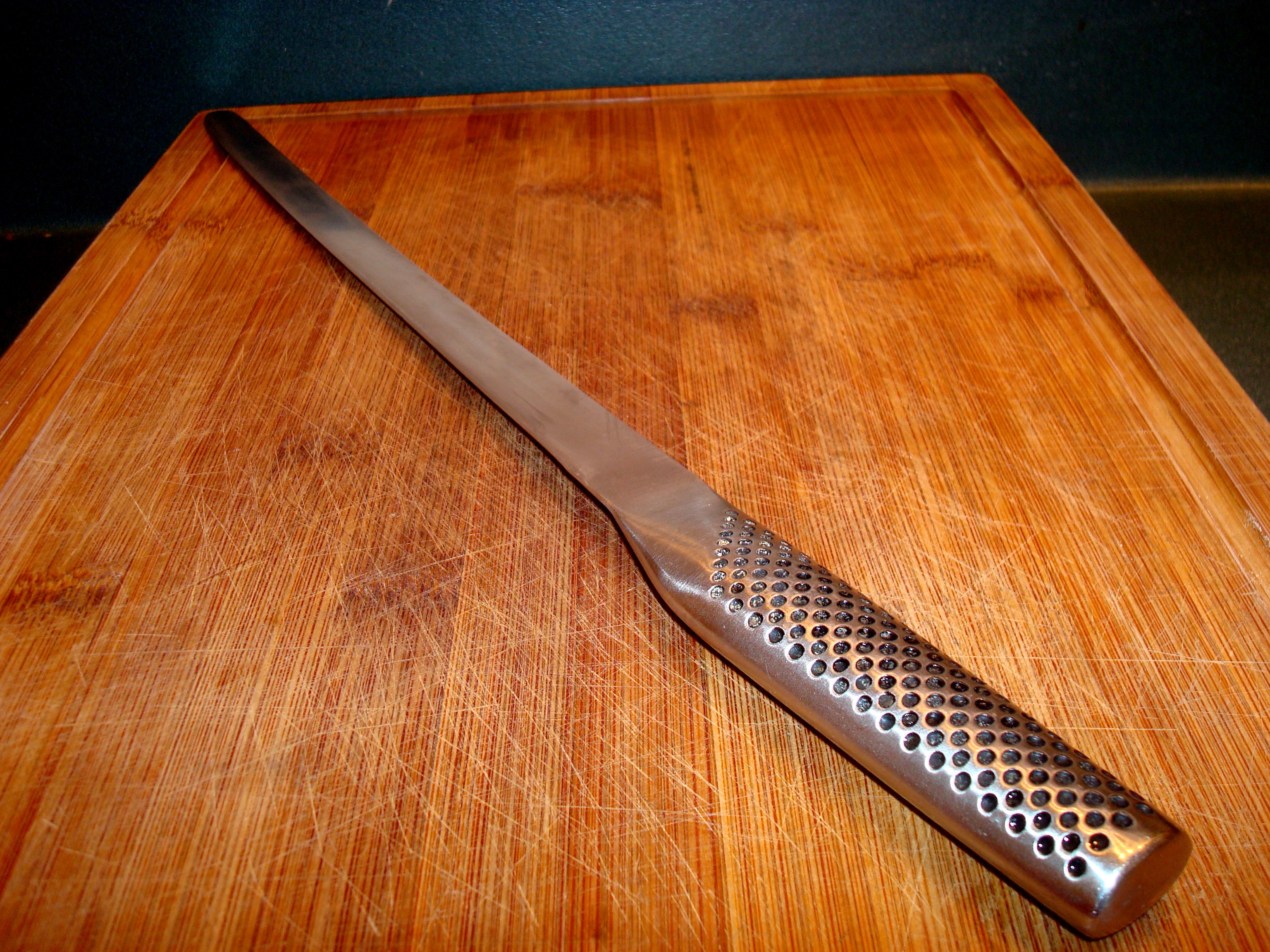
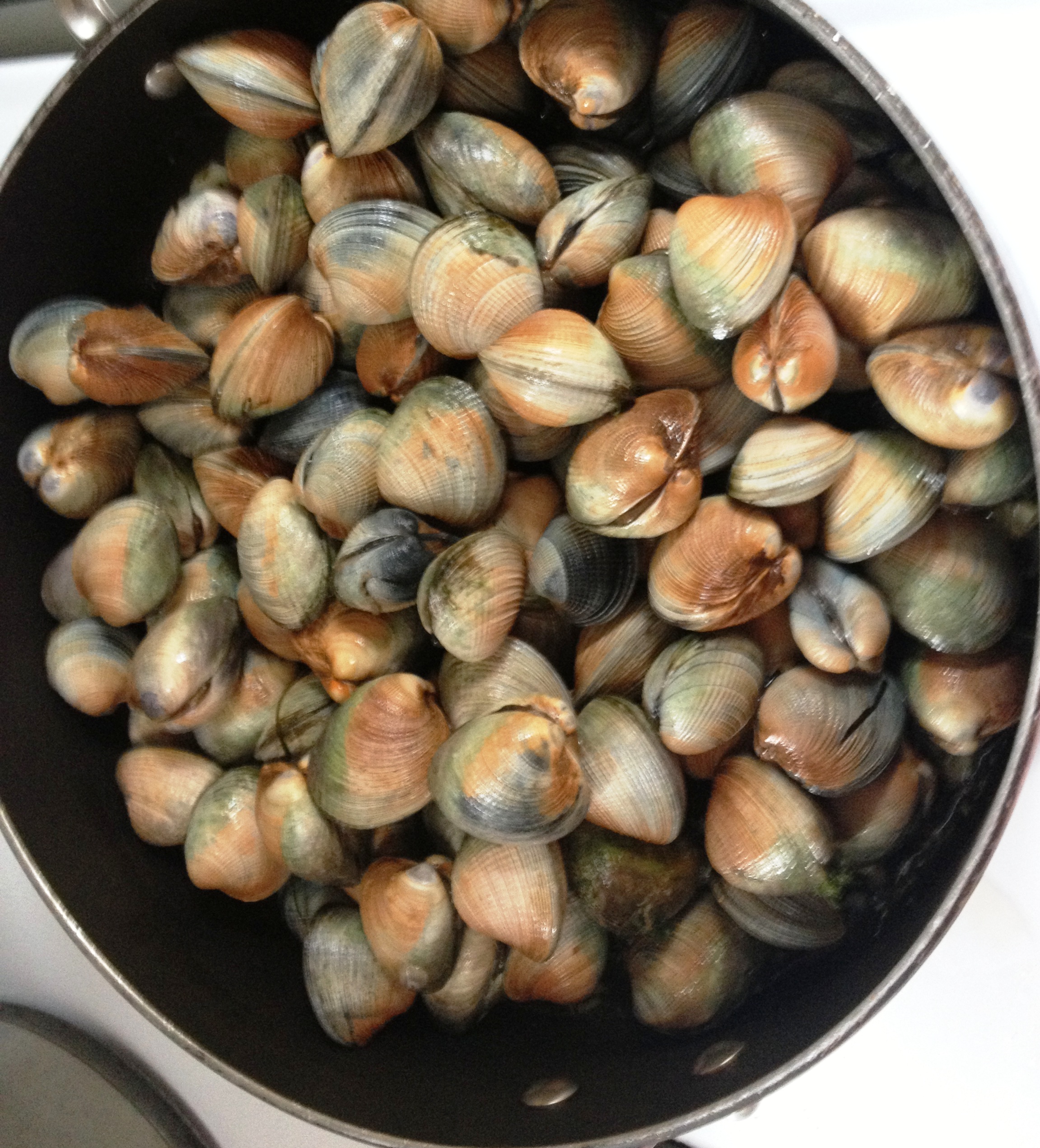
2014-05-14 - Salmon Fillet2014-05-14 - Salmon in Salt2014-05-14 - Salmon Filleting KnifeSalmone 3

I think the Portuguese are particularly good preparing and cooking seafood. This Cured Salmon recipe, which is so easy and absolute fantastic, I have learned from a Portuguese Chef I employed and even though he was not Italian, he cooked magnific food in an Italian restaurant.

Fillet the Salmon and take all the bones out with a pair of sharp nosed pliers.  Mix 800g Salt, 200g Sugar and the grated rind of four Lemons ( with no pith).  Put a thin layer of the salt mixture in a baking tray, large enough to hold the fillet. Place fillet skin side down on the salt mixture and use the rest of the salt to completely cover the fillet. Leave in the fridge for 24 hours, then flip the fillet over and make sure it is again covered with the salt mixture. After another 24 hours, remove from the salt and wash well with cold running water. The timing  is absolutely critical to secure a delicious end product, not too dry, not too salty, just right. Dry well with absorbing paper. The cured fish can be consumed immediately or stored in the fridge for about ten days. I cut mine in usable size bits and vacuum seal it, extending the fridge time with some weeks. It is polished off quickly so I have never found out just how many weeks it will keep! Traditiopnally I serve it sliced in paper thin slices – I use my very sharp filleting knife – with capers and a tiny bit of olive oil, fresh rocket salad and home made bread or with some smoked fish roe – do not forget the glass of good red wine (white if you must)


Low-Fat Fad Has Done Unfathomable Harm – Eat Healthy

Dreamtime


http://articles.mercola.com/sites/articles/archive/2014/02/24/modern-diet.aspx

The Curse of the Cookbooks

2014-03-06 09.22.32

I had to photograph the result of a cooking discussion or, cooking bickering, if you must.

The great thing about being self sufficient and eating from the vegetable patch is the joy of harvesting something one grew oneself. It is organic and fresh even if, at time whatever is harvested is gnarled and puny it still tastes wonderful. The bad thing is that one is held hostage by the blackbird that eats all the seedlings the chickens overlooked when they were free ranging last time. The seasons and climate, especially here in Dunedin , dictate whether things grow or not and the person in control of the garden constantly suffers arched inquiries as to why in the world so much (or so little) of something was planted

Sometimes there is a glut of something and then the search for a great recipe, or, often many great recipes of one particular vegetable or fruit depending on the amount harvested. The frantic paging through the cookbooks begin, and since my 200 plus books are all about regional Italian cooking the search can not be narrowed down to, say, Indian or Chinese, and mutterings of  ‘ it was always in this book, where has it gone’ are commonplace. A lot of time is spent getting side tracked when I see something fondly remembered or something I always wanted to try. Once the recipe is selected sudden resistance from the household to the ingredients could flare up, prompting the beginning of a new search and the hauling out of more books!

New Zealand Green Lipped Mussels

2014-02-22 16.07.36

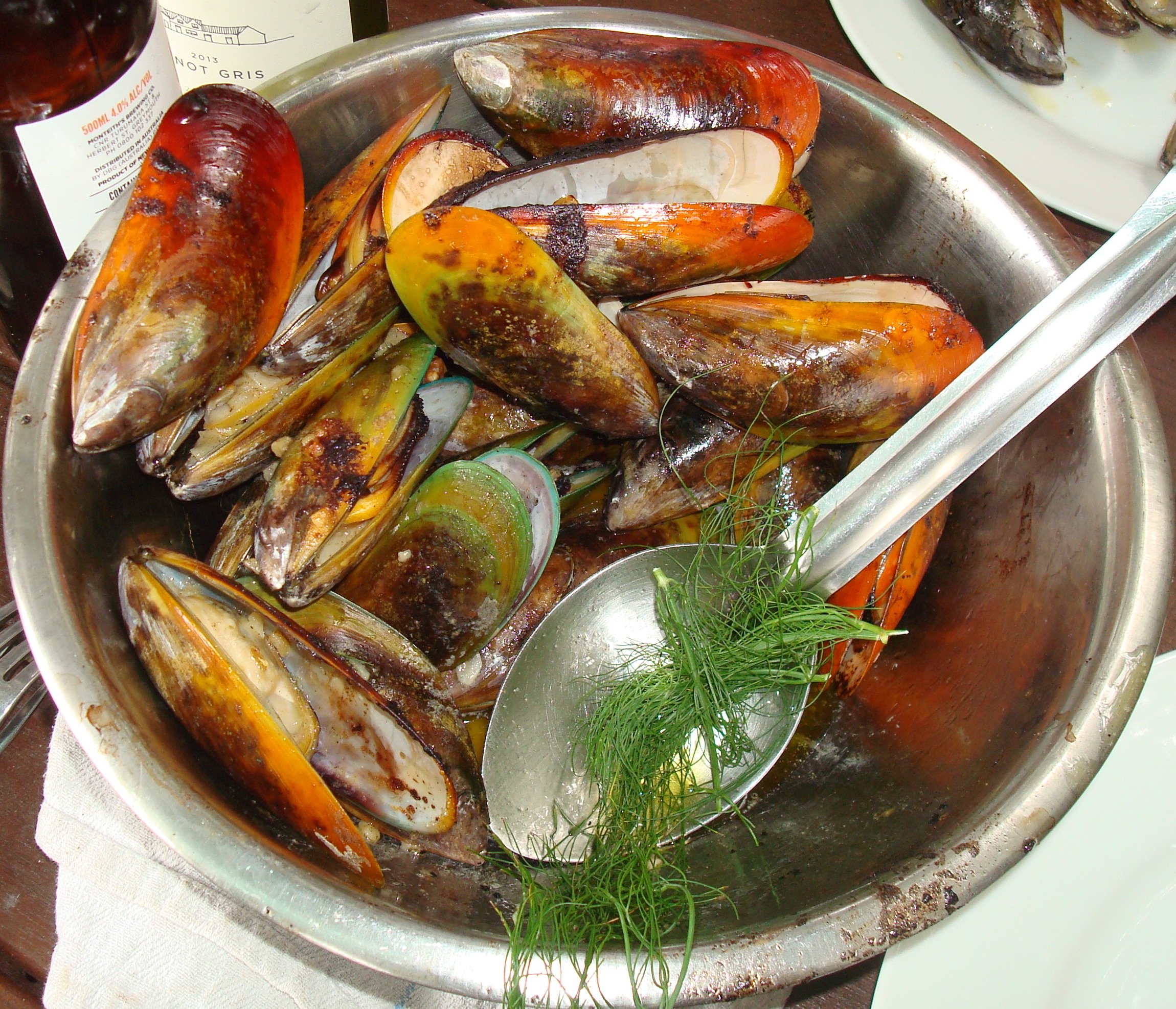
Late lunch/dinner out on the deck was fresh baked bread and live  Green Lipped Mussels, unique to New Zealand. Back in Australia we did not like to buy them because they were frozen, and were not juicy and soft like they are when sold fresh.  Mussels are not expensive in Dunedin and we buy them regularly. From the many ways they can be prepared we enjoy the simple unadorned recipes the most. I was lucky to get a picture of the half empty dish!


NZ Green Lipped Mussels 

1 kg live mussels, bearded and scrubbed, all sand rinsed away

6 tablespoons of olive oil

4 cloves of garlic

1 pinch of dried chili flakes

3/4 cup of white wine

Salt and pepper

Put the olive oil, garlic and chili in a pot big enough to hold all the mussels. Gently soften the garlic, add the wine and the mussels. Cover the pot and turn up the heat. When the mussels have opened and released their juices, remove them from the pan, and reduce the sauce until there is only an inch or so left in the pot, add salt and pepper to taste. Add the mussels and the sauce that may have been released while standing, toss, warm through and serve with fresh bread and plenty of Pinot Grigio (here we have to settle for something completely different, namely Pinot Gris, which is heavier, darker and duller).

The secret here is not to lose any of the wine and liquid released by the mussels and to reduce and reduce the sauce until when finished, it will just cover each mussel in a film of sauce when tossed, with a little left in the pot to sop up after serving.

This recipe has been used with great success as a pasta sauce, too.