Not Just Bees: Controversial Pesticides Linked to Bird Declines

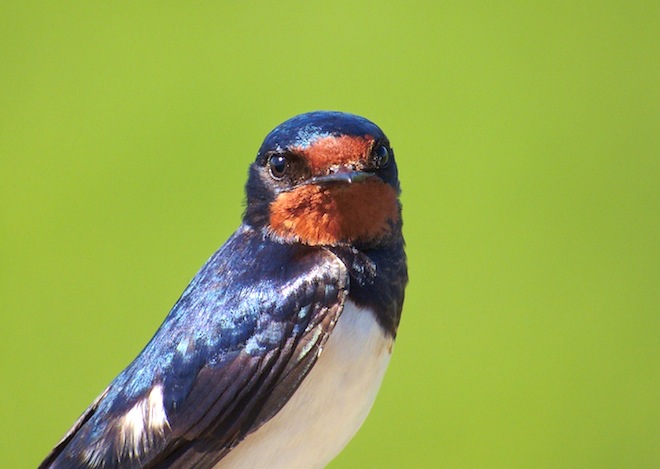
2014-07-10 - Barn Swallow


http://www.wired.com/2014/07/neonicotinoid-bird-declines/

How Your Bee-Friendly Garden May Actually Be Killing Bees

2014-06-26 - Bees


http://www.wired.com/2014/06/garden-center-neonicotinoids/

Loss of Habitat thanks to Dunedin Council

2014-06-13 09.56.282014-06-13 12.37.57


We have ( within the next few minutes I have to amendment that to had) a lovely, healthy,  large (the only really big   tree around here), gum tree  growing just outside our fence  on council property. Apart from being lovely to look at the tree was home to a pair of breeding kereru and a number of tuis, it was a high nectar producing tree that fed native birds, bees and bumblebees in the area .  It flowered in the late winter when few food sources exist. The tree posed no threat at all to the road, any drains or any person, on the contrary, loss of the root system could seriously compromise the stability of the steep verge of the road. The removal happened by stealth, as it where, the crane appearing at 8am opposite my garden with no prior warning and the first cuts were swiftly made. We ran for the phone and tried to speak to the authorities in charge but could not stay the outcome.

As  disturbing as the loss of the tree was the stonewalling of the council, perhaps pointing towards a cavalier attitude towards residents in this area. I fear reprisal so can not name the names of people contacted or powerful people who thought so little of this Dunedin resident that they refused to speak to me, but it was implied we were wasting our breath, that the tree will come down regardless, so just go away.

Dunedin residents are footing this bill at the rate of hundreds of dollars and hour from the moment the crane leaves the yard. We guess that the cost of removing this tree will amount to many thousands of dollars since the crane spent  5 hours on this job.  The question that needs to be asked is who benefited from this unnecessary work?  Who makes such rash decisions, and why do the residents not have a voice, but have to pay the bills?

Slow Food Italia


2013-01-01 - Tomatoes Grilled

I support the The Slow Food movement. Experiencing the original traditional cooking of any nationality has always been a privilege for me, be it Italy, Africa, China or anywhere in between.

Slow Food Italia

“Was founded to counter the rise of fast food and fast life, the disappearance of local food traditions and peoples dwindling interest in the food they eat, where it comes from, how it tastes and how our food choices affect the rest of the world.”

“Since it was founded more than 20 years ago, Slow Food has defended small-scale traditional food producers and raised awareness among consumers at the grassroots level. Its aim is to create a more responsible food system, based on the pleasure and sharing of good, clean and fair food.”

Home

“Terra Madre network was launched by the Slow Food grass roots organization, and the intent is to provide small-scale farmers, breeders, fishers and food artisans whose approach to food production protects the environment and communities”

http://www.terramadre.info/


We are what the animal DIDN’T eat

We are what the animal DIDN’T eat

2014-05-30 - Milk Cow

http://www.allaboutfeed.net/Home/General/2014/5/Animal-nutrition–Human-health-1529526W/?cmpid=NLC|allboutfeed|2014-05-28|Animal_nutrition_=_Human_health

We are what the animal DIDN’T eat. Maybe you have to read this sentence twice (at least I had), but it makes sense. We can supply animal diets with so much more functional ingredients, to become a healthier person in return.
Animal nutrition = Human health

The sentence that I start this week’s Editors View with was mentioned at the Alltech symposium, which I attended this week. The annual symposium, themed What If? aimed to highlight the opportunities in animal nutrition, crop science, human health and much more.

Use resources more efficiently
What if we can produce more meat with less water, what if we can supply all humans with enough DHA (omega-3) through enriched milks and eggs, what if Africa can actually be the next bread basket of the world. Interesting questions and the answers are not science fiction, the implementation of measures to make this happen is already happening today. The What ifs are essential as agriculture is facing many challenges today including: reducing or freezing the current agricultural carbon footprint, growing more on the current farms we have, use resources more efficiently, shifting the way we eat and reduction of waste in the food chain. Only then, we will be able to feed the growing world population, as mentioned by Karl Dawson from Alltech.

Big data, but how to implement them?
I agree that we have to change the way we are managing the farms and the way we look at food production and I think that technology is one of the major contributors to a more efficient and sustainable agriculture. Technology has already made such a big difference in crop science. Drones are used more often to generate data and inspect plans, a robot bee is under development to make pollination of crops possible in light of the decline of the honey bee population worldwide. With technology, I also mean interpretation of big data. How to make sense of all the data generated from the animal and human genome. How can we transfer this knowledge to make better animal and human diets? Also more data is generated from soils. We need predictive models to make sense of this tremendous amount of detailed information. David Hunt said during the Crop Science session: “Technology could greatly reduce the risk of experimentation in agriculture that prevents breakthroughs, since farmers cannot afford to gamble on a crop that may take nine months to come to fruition, Hunt said. But if the right data is collected through sensors, agricultural innovations could simply be tested virtually – using computer models, rather than actual crops.”

ADHD prevention with algae?
Another interesting topic mentioned was that people working in the animal feed industry should be more aware of the fact that animal nutrition is all about human health, as it is one business we are in: the food industry. Take the Omega 3 story for example. The good fatty acids (Omega 3) consist of DHA, ALA and EPA. ALA is coming from vegetable sources (e.g. flaxseed) and EPA and DHA from fish. DHA is the most healthy one, and the conversion of ALA and EPA into DHA is very limited. DHA is found in the fatty fish species as they have consumed algae in their natural diet. But more fish are farmed these days, and diets contain more alternative (vegetable) protein sources. Studies have shown that, between 2005 and 2008, trout fillets have decreased 9% in DHA and EPA levels and 8% in omega-3 levels.  Does this mean that human diets are getting deficient in DHA? At the symposium, it was mentioned that algae can be a great answer to many challenges we have today regarding raw material supply, human and animal health. DHA helps in preventing human diseases and may play a role in the prevention of ADHD in children. But also for animals, algae show promise. Studies have shown that algae in fish diets show good results and fish even don’t seem to mind inclusion rates up to 15%. In a recent trial with an algae product supplementation in dairy diets, researchers reported an increase of 1.9 kg per cow per day on average from day one to day 84. The milk also had an improved fatty-acid profile, increased levels of EPA and DHA and a reduced ratio of omega 6 to omega 3.

Role for animal nutritionists
Algae tablets for humans are already under development and there is an increased interest in adding algae in animal diets. Animal nutrition is not only about animal production and animal health, animal nutritionists also play a vital role in human health. We are what the animal DIDN’T eat. But what if we become what the animal DID eat (algae and other future functional ingredients?), we might become older, wiser and even have enough food to feed the next generations.