Cheese Production for May 2014 – Romano recipe

2014-06-02 19.54.09


We use a lot of cheese in cooking and for light meals.  There is very little choice in Dunedin where Italian cheese is concerned, so I hope to keep us supplied all year round. I shall soon post some information on the background and various uses of Italian cheeses


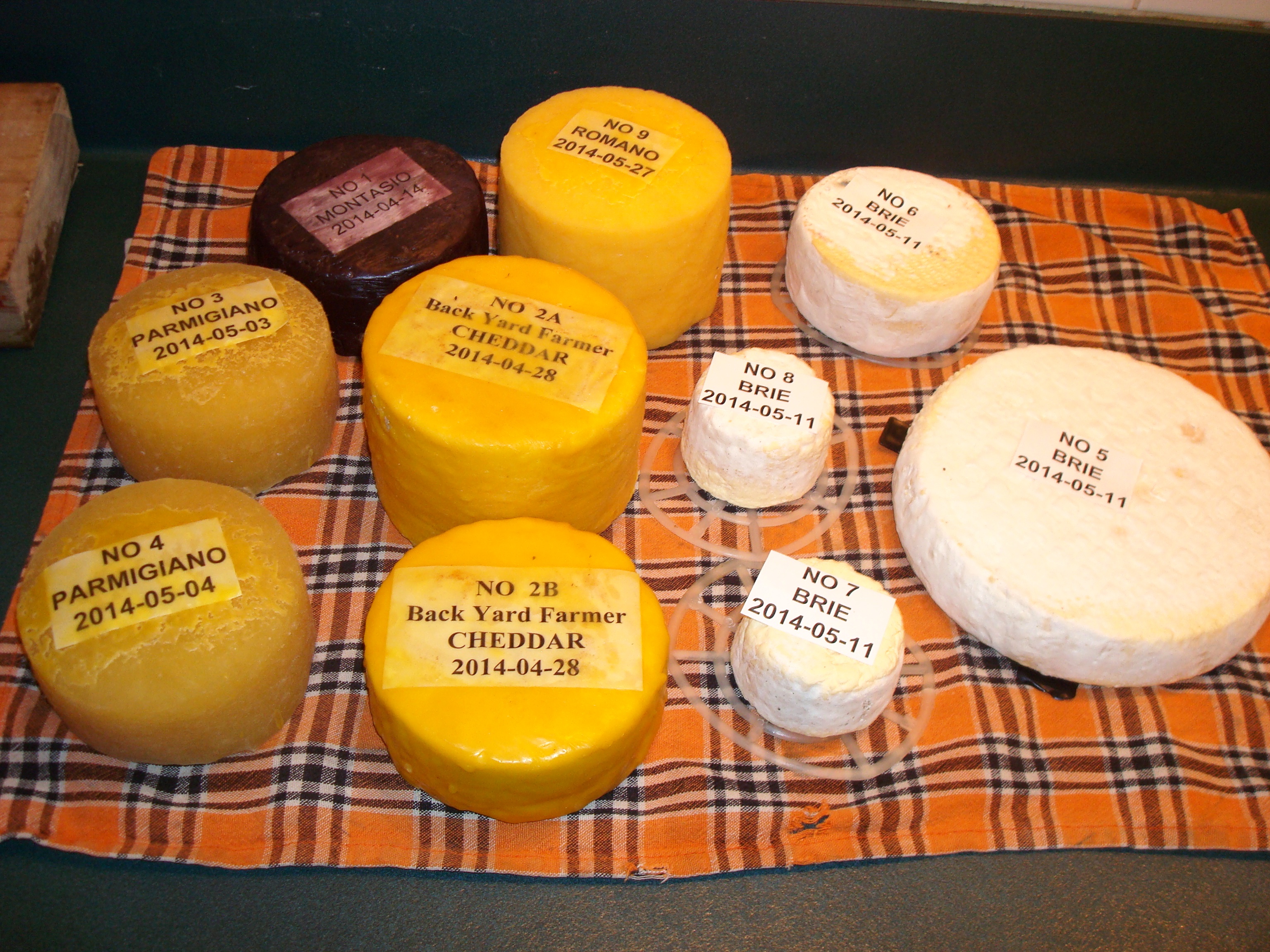
The month of May has been relatively productive with five kilograms of hard cheese (Parmigiano, Montasio, Cheddar and Romano) two kilograms of bacteria and mold ripened  cheese (Brie) and about four kilograms of soft cheese (Three types of Ricotta, Mascarpone and Mozzarella) being produced. I purchase about 20 liters of Dairy and Goat milk  per week and after harvesting some cream, drinking milk and making yogurt (four kilograms per week) the rest of the milk is being used for cheese making. All the whey, off coarse, is being made into Ricotta and the “whey” after the ricotta is being fed to the animals. The Dunedin climate, during the next three to four months, will be very good for cheese maturing and my outdoor cheese ripening safe on the South side of the house compliments the process very well. I therefor expect my first cheese season in New Zealand to produce good products. Because of the favorable conditions, production will increase during the following months to produce another 60 Kg of hard and Mold ripened cheese during the next four months, thereafter monthly production will decline to normal levels.

Next week we kick off with Cacciocavallo and Scamorza, then back to Provolone, Parmigiano and Romano. I am also going to try a yogurt cheese shortly. We also hope to have some sheep milk coming on line soon, which will result in Pecorino being produced.

Last week’s Romano. one of the easier cheeses to make, produced a very high yield and here is the recipe.

ROMANO

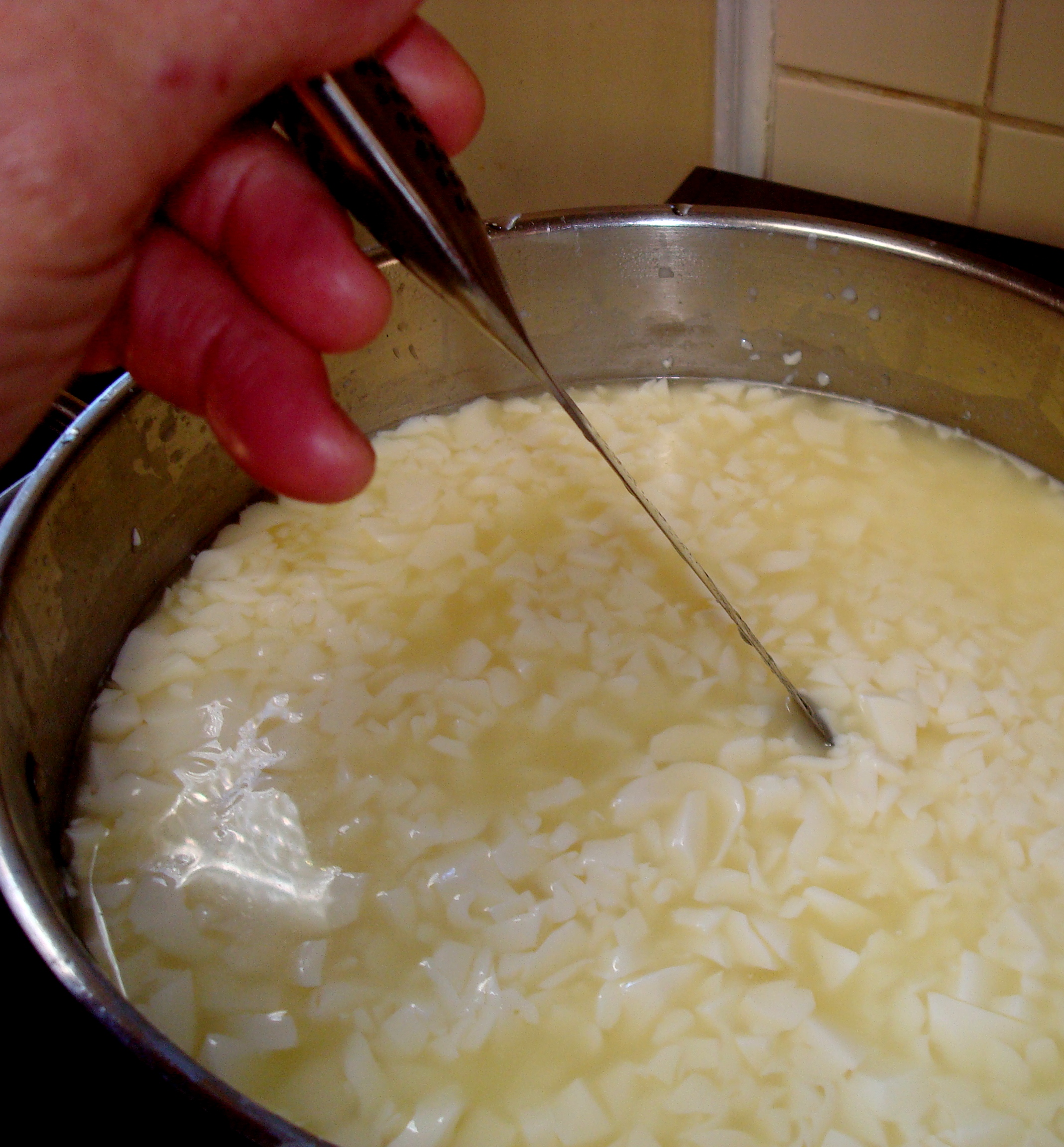
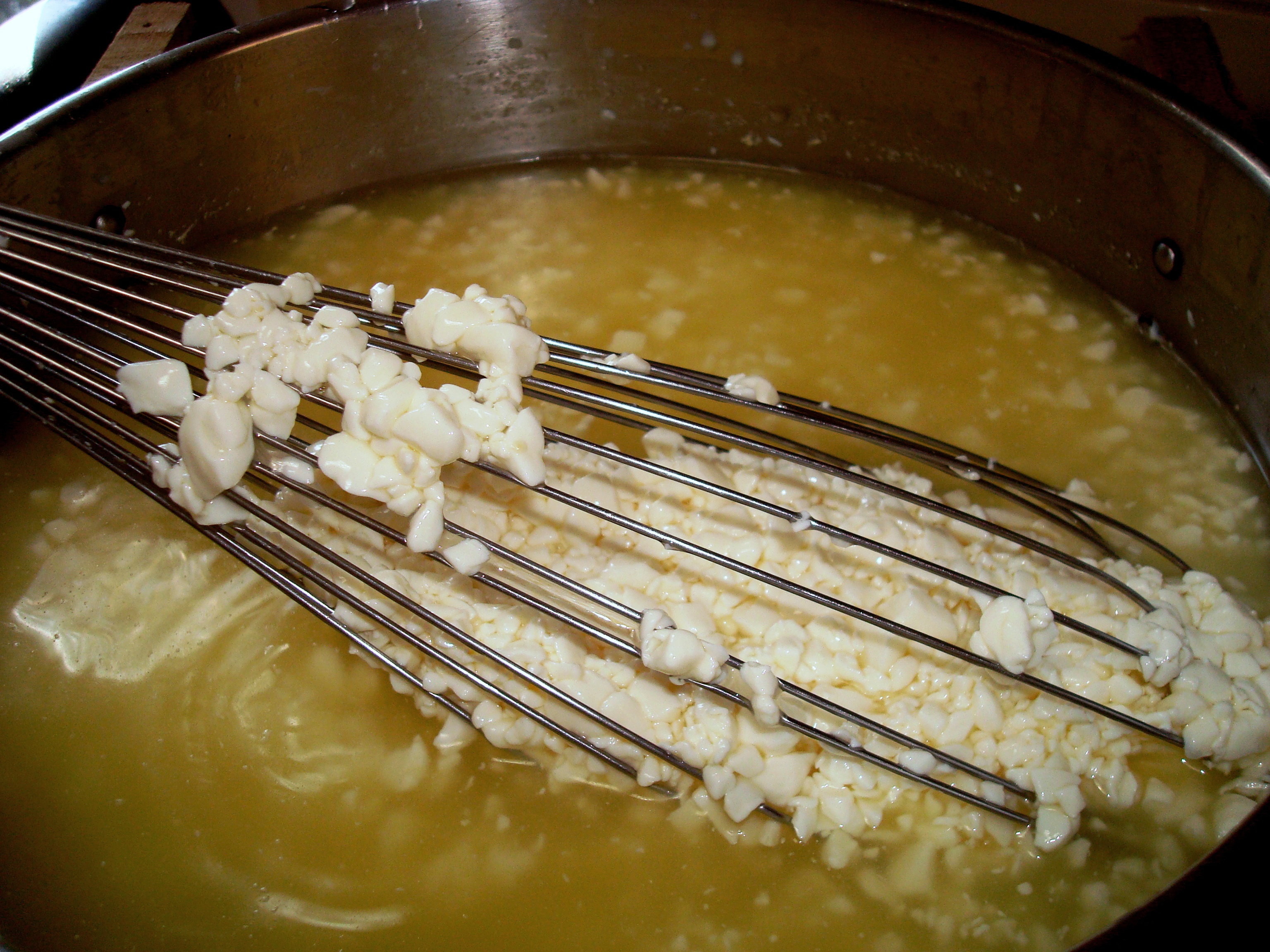
Heat 10 Liters of milk to 32 C and ad 150 g of Thermolytic mother starter.  Mix well and ad 2 g goat Lipase. Cover and allow to ripen for 15 minutes. Now ad 7 ml rennet and stir for two minutes with an up and down motion. Top stir for another minute. Allow to set until the curds gives a clean break. Cut the curds in 6 mm cubes – I use my salmon filleting knife and a stainless steel whisk.
2014-05-27 12.23.212014-05-27 12.45.20


Slowly, over a period of one hour, raise the heat of the curd whey mixture to 48 C, while stirring constantly but gently, to prevent mat forming. Now keep the temperature at 48 C for another 40 minutes, whilst stirring gently.  The curd granules should now be firm enough to hold their shape if pressed between the fingers. Drain the whey and keep for Ricotta. Line a 1 Kg cheese mold with cheesecloth and pack the curd inside. Press at 2 Kg for 20 minutes, then flip and press at 5 Kg for 40 minutes. Flip again and press at 10 Kg for 2 hours. Flip again and press for 12 hours at 20 Kg.
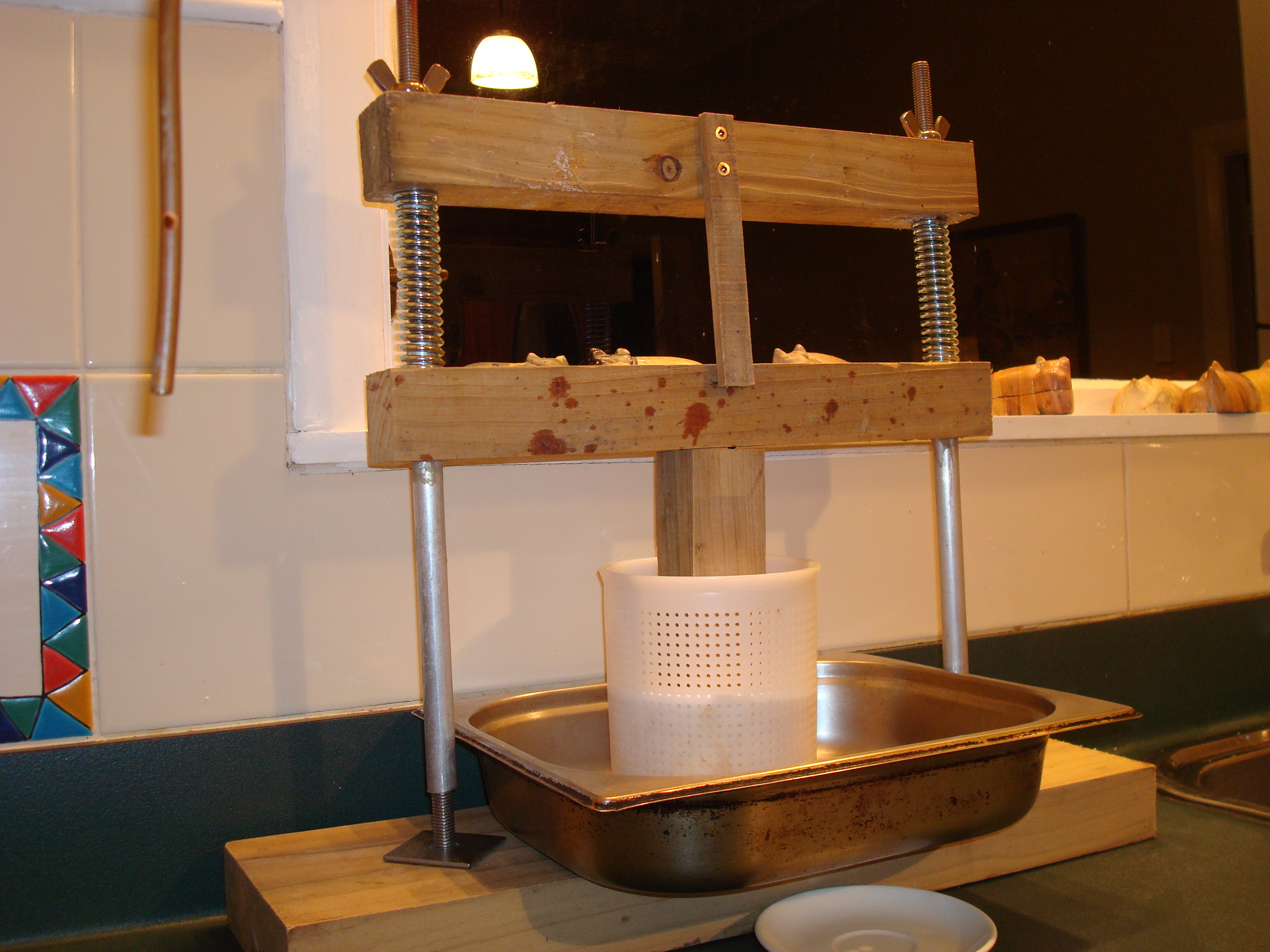
Cheese Press

Remove cheese from the mold, peel the cheesecloth and submerge in a saturated salt brine solution for 12 hours. Pat dry and leave to air dry. Ripen for 4 – 12 moths. Turn daily for the first few weeks, thereafter turn weekly. If any molds form on the surface, rub lightly with a vinegar cloth.   ENJOY!!


Apricot Tart in Winter

2014-06-02 17.14.59

We had a glut of lovely apricots during summer (not from the garden, but from a local farmer) and I preserved quite a few for use during winter. Yesterday I used some of my stash for a pie and got a thumbs up from the household, even from the grand kids who, as a rule, do NOT touch their lips to any “new” foods.

Winter Apricot Tart

Preheat the oven to 200 degrees

Any sweet pastry recipe will do for the case.  I make a  short crust pastry dough without eggs, using butter, sugar and flour, baked until golden.  Line a  300 X 60 mm round spring form cake tin, you can also use a  pie dish (in my case) and press the moist dough up the sides of the tin and pat down the rest of the dough on the base. Add the filling when the crust is cooled slightly.

Filling

500 g preserved apricots

225 g sugar

225 g butter

100 g flour

4 eggs whisked

orange zest

1 orange juiced

vanilla essence or vanilla bean paste

Mix everything together well and pour into pastry case. Bake for 40 minutes at 200 degrees. Glaze the tart with  home made apricot jam

I am going to try the same recipe using preserved pumpkin, in place of the apricot, next week.


Preserved Fruit

2014-06-02 20.31.00

With a glut of fresh fruit available during summer I try to preserve as much as possible for the winter months. Space is at a premium so I do not have room for lots of canned or frozen goods. The best way for me to solve the problem is to vacuum seal the fresh cleaned fruit and then to pasteurise the pouches in a hot water bath.  Different products are processed at temperatures and times specific for the product. After pasteurisation the sealed items should stay fresh in the pantry for a few seasons, although we use everything in winter and start again in summer!

We are what the animal DIDN’T eat

We are what the animal DIDN’T eat

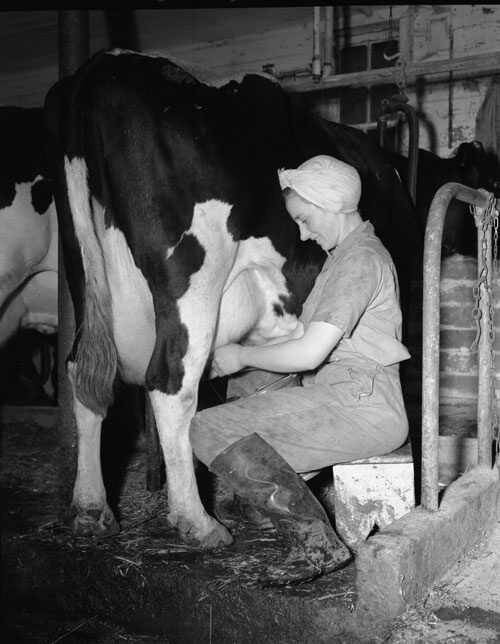
2014-05-30 - Milk Cow

http://www.allaboutfeed.net/Home/General/2014/5/Animal-nutrition–Human-health-1529526W/?cmpid=NLC|allboutfeed|2014-05-28|Animal_nutrition_=_Human_health

We are what the animal DIDN’T eat. Maybe you have to read this sentence twice (at least I had), but it makes sense. We can supply animal diets with so much more functional ingredients, to become a healthier person in return.
Animal nutrition = Human health

The sentence that I start this week’s Editors View with was mentioned at the Alltech symposium, which I attended this week. The annual symposium, themed What If? aimed to highlight the opportunities in animal nutrition, crop science, human health and much more.

Use resources more efficiently
What if we can produce more meat with less water, what if we can supply all humans with enough DHA (omega-3) through enriched milks and eggs, what if Africa can actually be the next bread basket of the world. Interesting questions and the answers are not science fiction, the implementation of measures to make this happen is already happening today. The What ifs are essential as agriculture is facing many challenges today including: reducing or freezing the current agricultural carbon footprint, growing more on the current farms we have, use resources more efficiently, shifting the way we eat and reduction of waste in the food chain. Only then, we will be able to feed the growing world population, as mentioned by Karl Dawson from Alltech.

Big data, but how to implement them?
I agree that we have to change the way we are managing the farms and the way we look at food production and I think that technology is one of the major contributors to a more efficient and sustainable agriculture. Technology has already made such a big difference in crop science. Drones are used more often to generate data and inspect plans, a robot bee is under development to make pollination of crops possible in light of the decline of the honey bee population worldwide. With technology, I also mean interpretation of big data. How to make sense of all the data generated from the animal and human genome. How can we transfer this knowledge to make better animal and human diets? Also more data is generated from soils. We need predictive models to make sense of this tremendous amount of detailed information. David Hunt said during the Crop Science session: “Technology could greatly reduce the risk of experimentation in agriculture that prevents breakthroughs, since farmers cannot afford to gamble on a crop that may take nine months to come to fruition, Hunt said. But if the right data is collected through sensors, agricultural innovations could simply be tested virtually – using computer models, rather than actual crops.”

ADHD prevention with algae?
Another interesting topic mentioned was that people working in the animal feed industry should be more aware of the fact that animal nutrition is all about human health, as it is one business we are in: the food industry. Take the Omega 3 story for example. The good fatty acids (Omega 3) consist of DHA, ALA and EPA. ALA is coming from vegetable sources (e.g. flaxseed) and EPA and DHA from fish. DHA is the most healthy one, and the conversion of ALA and EPA into DHA is very limited. DHA is found in the fatty fish species as they have consumed algae in their natural diet. But more fish are farmed these days, and diets contain more alternative (vegetable) protein sources. Studies have shown that, between 2005 and 2008, trout fillets have decreased 9% in DHA and EPA levels and 8% in omega-3 levels.  Does this mean that human diets are getting deficient in DHA? At the symposium, it was mentioned that algae can be a great answer to many challenges we have today regarding raw material supply, human and animal health. DHA helps in preventing human diseases and may play a role in the prevention of ADHD in children. But also for animals, algae show promise. Studies have shown that algae in fish diets show good results and fish even don’t seem to mind inclusion rates up to 15%. In a recent trial with an algae product supplementation in dairy diets, researchers reported an increase of 1.9 kg per cow per day on average from day one to day 84. The milk also had an improved fatty-acid profile, increased levels of EPA and DHA and a reduced ratio of omega 6 to omega 3.

Role for animal nutritionists
Algae tablets for humans are already under development and there is an increased interest in adding algae in animal diets. Animal nutrition is not only about animal production and animal health, animal nutritionists also play a vital role in human health. We are what the animal DIDN’T eat. But what if we become what the animal DID eat (algae and other future functional ingredients?), we might become older, wiser and even have enough food to feed the next generations.