Honey Muesli Recipe

2014-01-07 09.52.04

A breakfast of home made yogurt (see the recipe under Home Cooking on my blog), home made muesli and fresh fruit – in this case more PLUMS! You can add any fruit, of course, and sometimes I add a touch of jam. For healthy tasty muesli far superior to the most expensive product on the shelf try my recipe. The ingredients are what I normally have in my larder, and you can substitute whatever nuts and seeds you have on hand. The coconut, honey, oats and sultanas are essential:

Honey Meusli

1kg      Full Grain rolled oats

300g    (more or less ) Shredded Coconut (not the fine stuff that looks like dandruff)

200g   Honey

200g    Sultanas

250g    Nuts (I use Almonds roasted, Cashews and Peanuts mixed. Only Almonds would be nice but that makes things expensive)

250G   Mixed  Seeds (Sunflower seeds, Pine Nuts, Linseed, Poppy seeds or whatever you prefer)

First spread the oats out in a large baking tray. Toast the oats under the grill, stirring frequently until mostly golden, you will not get an even colour but that is ok. Add a layer of nuts and seeds to the tray of oats and toast until they colour slightly. Mix well and add a layer of coconut. Toast the coconut until just golden, watch out it burns quickly. Tip the pan in to a large mixing bowl and mix the sultanas and honey in to the hot muesli. Stir regularly while the muesli cools down to prevent everything from sticking together. When cold put in to air tight containers. This lasts me about 3 weeks.
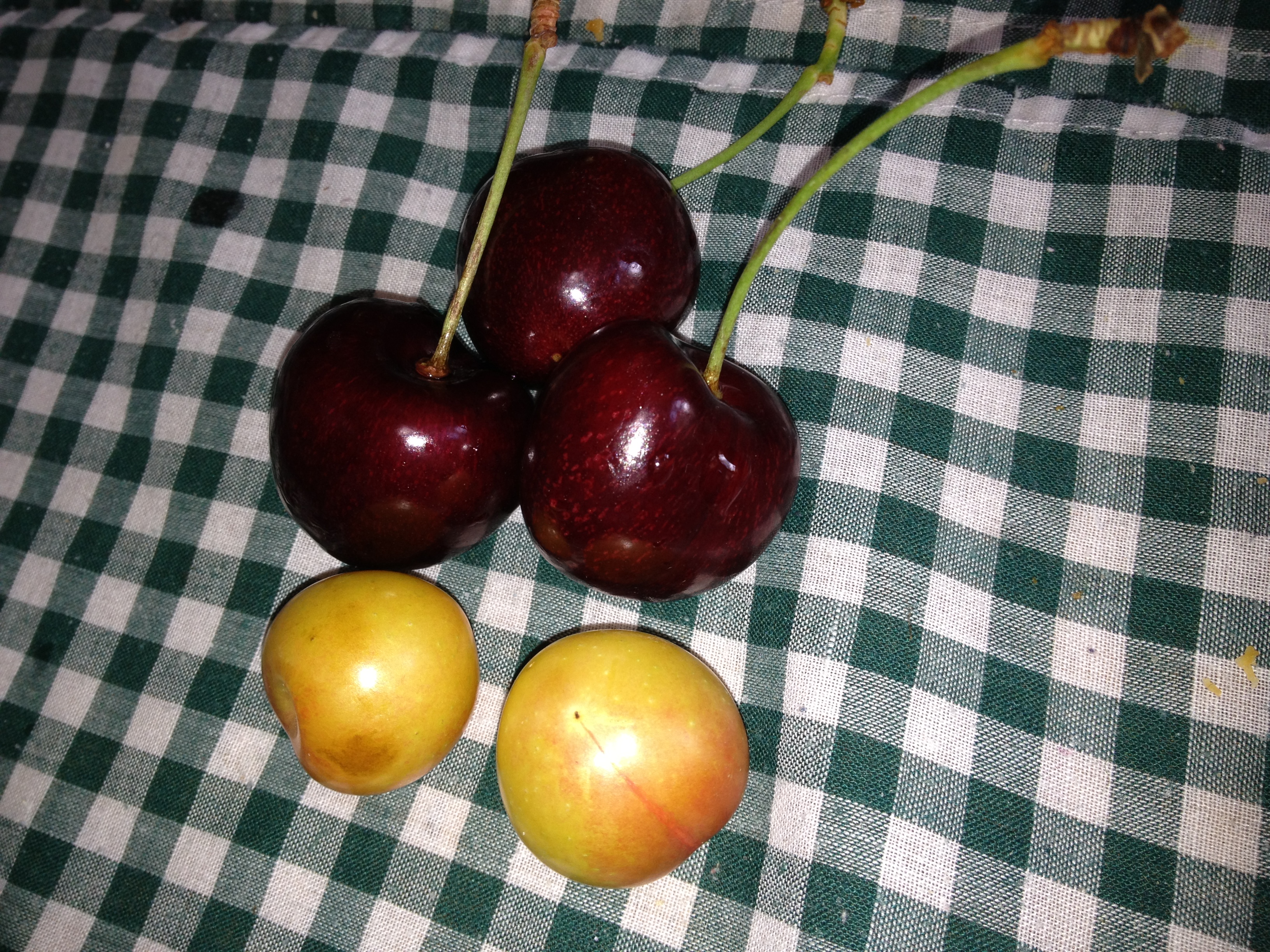
Comparing Cherries with Plums

2014-01-04 13.42.13

The massive cherries I had to buy in Dunedin because the resident Kereru ate all the cherries on my cherry  tree. The plums are from my tree, though and the Kereru swallows them whole, too. The plums are small, but plentiful. We have made jam, given basket fulls away, made tarts, put some in gin, trying our hand at candies, etc and are eating as many as we can.  No more plums for the grand kids due to runny or plum tummies!

The Good and the Bad of Christmas

” Good thing his Christmas hat blinded him and he dropped his bit of cake. Bad thing it happened only after he had ‘decorated’ me “2014-01-05 - Gerda - Christmas


http://www.backyardfarmer.co.nz

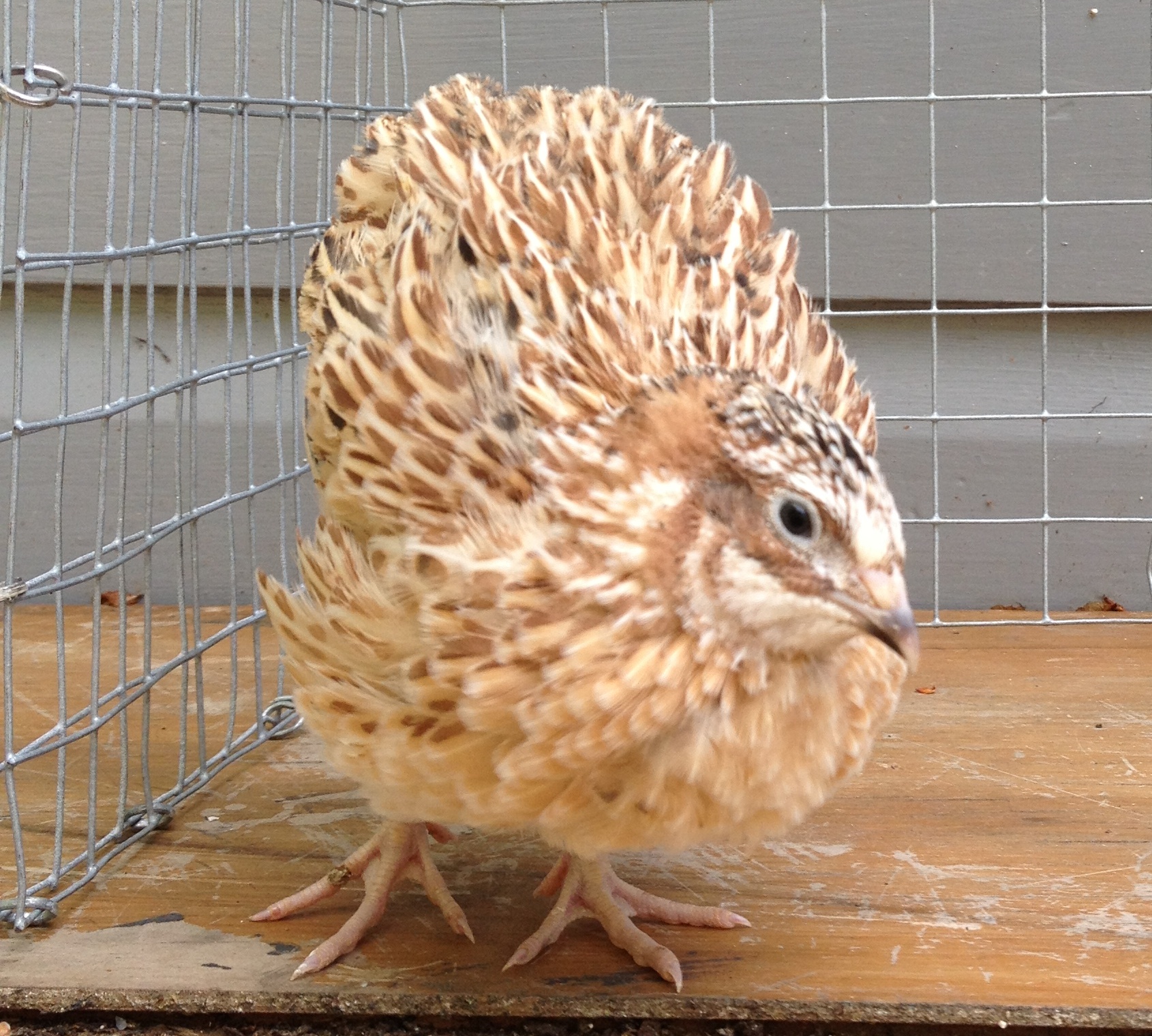
Lethal Homozygous (Y) Gene in quail

This short reply was written by me as result of a Facebook discussion

2013-10-24 - Italian Coturnix 2

2013-10-24 - Italian Coturnix 9

  • I select and breed all my animals for functional efficiency, as I have done all my life, not only in breeding my own animals but also when involved in establishing new cattle and horse breeds in the past, as well as advising Governments, large International Organisations and many thousands of Farmers around the world. I breed with poultry as they come out of the egg, without having to interfere with them to be able to survive and breed. I select and cull heavily, especially when the gene pool is as limited as it is in New Zealand for the breeds I am interested in. As for the Lethal homozygous Y gene associated with Golden Italian Quails, I failed to have read any article reporting hatchability between strains under the same commercial conditions and report on comparable results, nor have I found any reputable body advising to never breed Golden Quails to Golden Quails. In my own case, over a period of three months, using 480 quail hatching eggs (120 from each of the four strains I breed at present –  All purebred) I quote the following results for animals alive after 24 hours of terminating the hatch : Golden Italian – 74.3 % (Variation 66.7 % to 83.1 %) ; Tibetan – 83.2 % (Variation 79.1 % – 90.0 %)  ; Pharoah 75.0% (Variation 73.3 % – 76.7 %) and White – 68.9 % (Variation 56.7 % – 76.7%). I do not for one moment doubt the work that has been done in identifying and mapping the genetics of the Golden Italian Quail, but clearly there is more to it than say you have 25% embryo mortality and that is it. As an example there exist a plumage color mutation Yt2 that is dominant over the yellow (Y) gene and produce fawn or yellow birds almost exactly like the heterezygous Y, but is not lethal. There are also many other malformations and abnormalities controlled by one or few genes, as well as many other lethal genes in Quails. I am aware of a number of commercial operations using purebred Golden Italian strains of Coturnix coturnix japonica with great success. There are also some reports quoting 100% hatchability in purebred Golden Italian strains of quail. Any poultry will experience embryo mortality at some level and the results I have achieved with Golden Italians prove that I am on the right track and there is no real difference at present with the strains available to me in New Zealand. Inbreeding, indiscriminate breeding and failure to identify and eliminate hereditary defects are doing the damage to poultry breeds in New Zealand. I am also not against breeding fancy breeds – it is a lot of fun, but do it sensibly.