
Traditional Peasant Cheese
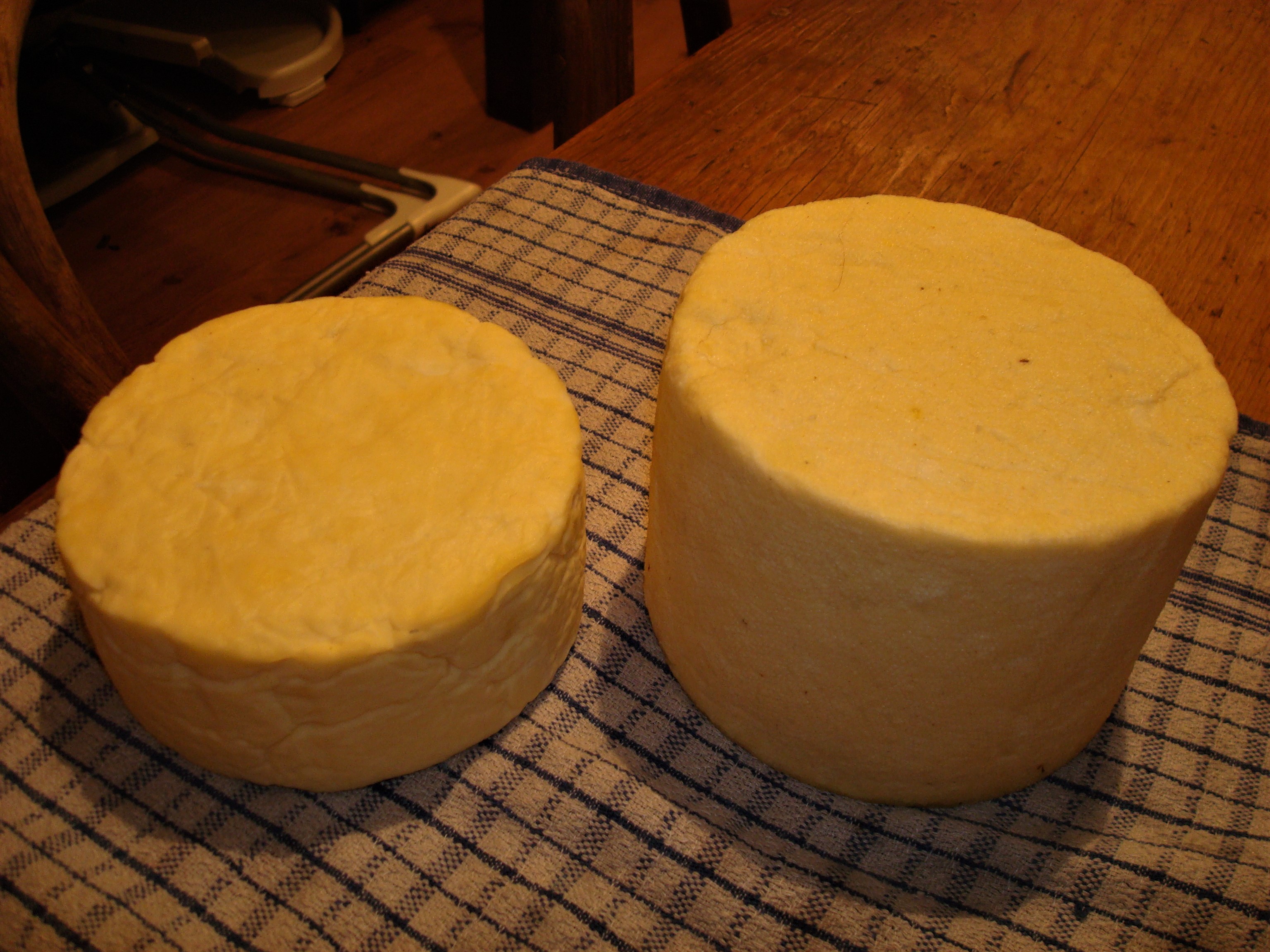
Formaggio di Contadini is a rustic farmhouse cheese inspired by traditional Italian country dairies. Made with rich Jersey milk, it develops a smooth, supple texture and a gently savoury flavour that improves with natural ageing.
Ingredients
- Fresh Full-cream Jersey cow’s milk (Not pasteurised) – 6 Liters
- Thermophilic starter culture – ¼ teaspoon
- Goat lipase – 2 g
- Liquid rennet (RENCO) – 7 ml
- Non-iodised salt
Method
1. Warm and Culture the Milk
Gently heat the milk to 32 °C.
Sprinkle the starter culture over the surface, allow it to rehydrate for 2 minutes, then stir well
Cover and keep at 32 °C for 60 – 90 minutes to allow the milk to ripen and develop flavour
2. Add Lipase
Dissolve 2g goat lipase in a small amount of milk and let it stand for 10 – 15 minutes
Stir thoroughly into the milk
3. Add Rennet
Add 7 ml liquid rennet, stirring gently in an up-and-down motion for 1 minute.
Cover and hold at 32 °C for 45 – 60 minutes, or until a clean break is achieved
4. Cut the Curd
Cut the curd into 6 mm cubes
When cutting to 6mm, use a long knife or harp for uniform cubes. Stir very gently during cooking to avoid matting too early — this preserves moisture for a more supple final texture.
Allow the curds to rest for 5 minutes to release whey
5. Cook the Curds
Slowly heat the curds and whey in a double boiler from 32 °C to 38 °C over about 30 minutes, stirring gently to prevent the curds from sticking together
Once the target temperature is reached, cover and hold at 38 °C for a further 10 – 15 minutes
6. Drain the Curds
Pour the curds into a cheesecloth-lined colander.
Gather the cloth and hang to drain for 1 – 2 hours, keeping the curds warm and out of drafts.
7. Mould and Press
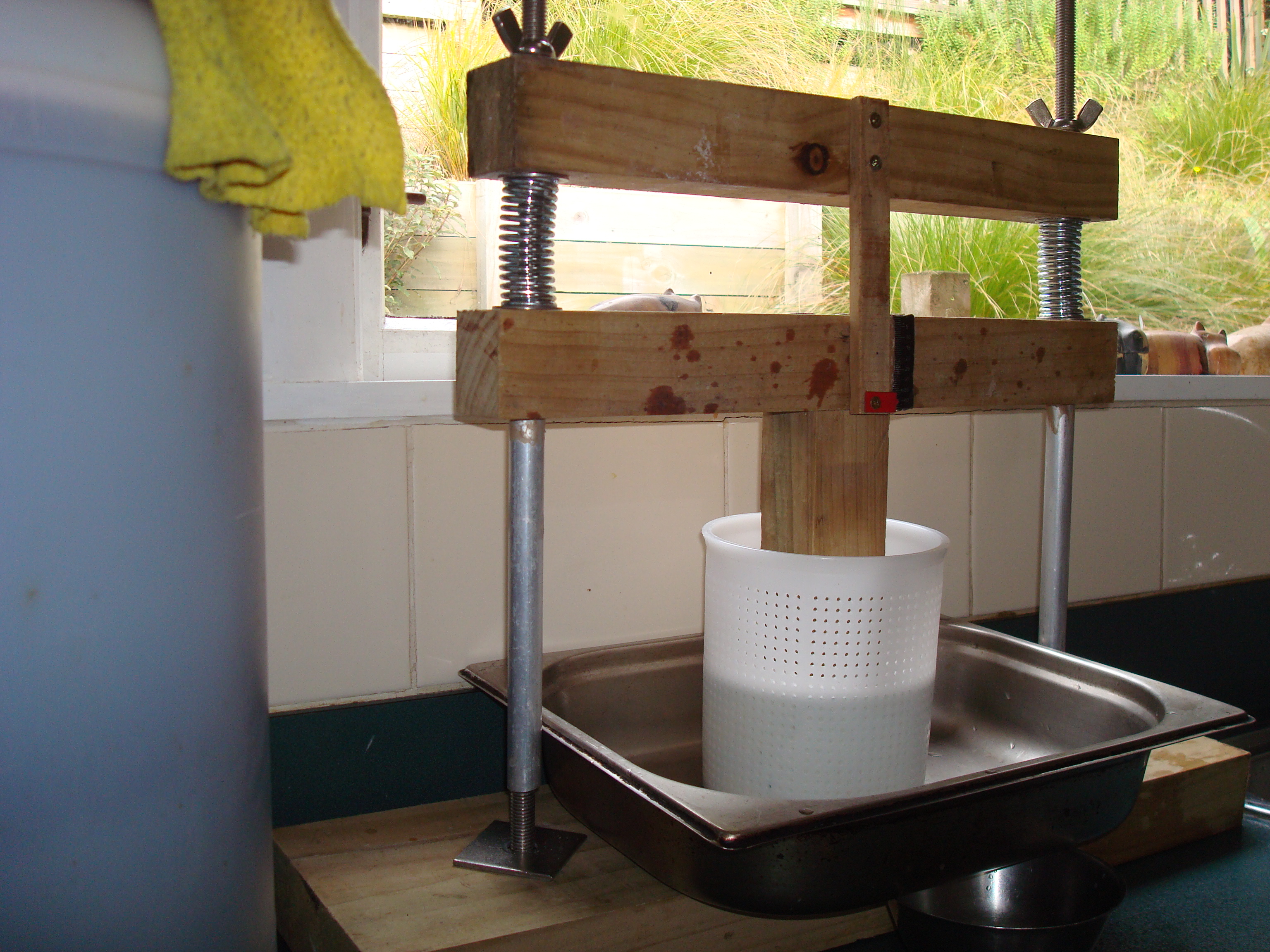
Pack the drained curds firmly into a cheesecloth-lined mould
Press in stages :
- 5 kg pressure for 10 minutes
- Remove, turn, rewrap, then press at 10 kg for 10 hours
- Remove, turn again, rewrap, then press at 20 kg for 4 – 6 hours
8. Brining
Prepare an 18% brine (180 g salt per litre of water)
Submerge the cheese in the brine for 40 – 60 minutes per kilogram of cheese, turning halfway through. Ensure brine is chilled (10°C) and cheese is fully submerged
Remove and allow the surface to dry
9. Natural Rind Drying
Place the cheese on a wooden board at room temperature
Air-dry for 2–3 days, turning several times daily, until the rind feels dry and firm to the touch
10. Natural Ageing
Move the cheese to an ageing space at 10–12 °C with 85–90% humidity
- Turn the cheese daily for the first week, then 2 – 3x weekly
- If surface mould develops, wipe lightly with brine. Ensure brine is chilled (10°C) and cheese is fully submerged
Age for at least 4 weeks. Longer ageing will produce a deeper, more complex flavour. Try 8–12 weeks for noticeably deeper, nuttier, more “gently savory” flavor as proteins/lipids break down.
For a smoother rind, rub with olive oil after drying and once the rind is fully set (5–7 days), or brush with lard / herbs for traditional rustic look. If waxing, do so after 2–3 weeks when rind is set
 Back Yard Farmer
No comments yet.