Cherries in Brandy

2014-02-14 17.01.58

I am prepared for the winter when there will be no cherries at all. I shall be drinking the cherry infused brandy and eating the cherries in front of the fire!

Cherries in Brandy

350 g   sugar

1 liter  brandy

Ripe, unblemished cherries, stalks on, washed. stones in

sterilized jars

Dissolve the sugar in the brandy. Cut the end of the cherry stalks off leaving about 1/2 of the stalk on the cherry and prick the cherry with a needle on the opposite side of the stem. Pack the cherries in the jars, ensure that the jars are full enough so that the cherries will not float around later. Pour the brandy mixture in the jars, make sure that all the cherries are covered. Store in a cool dark place for 3 months before eating.

I try very hard but I  always eat mine up long before the 3 months are past and they always taste wonderful!

Jams!

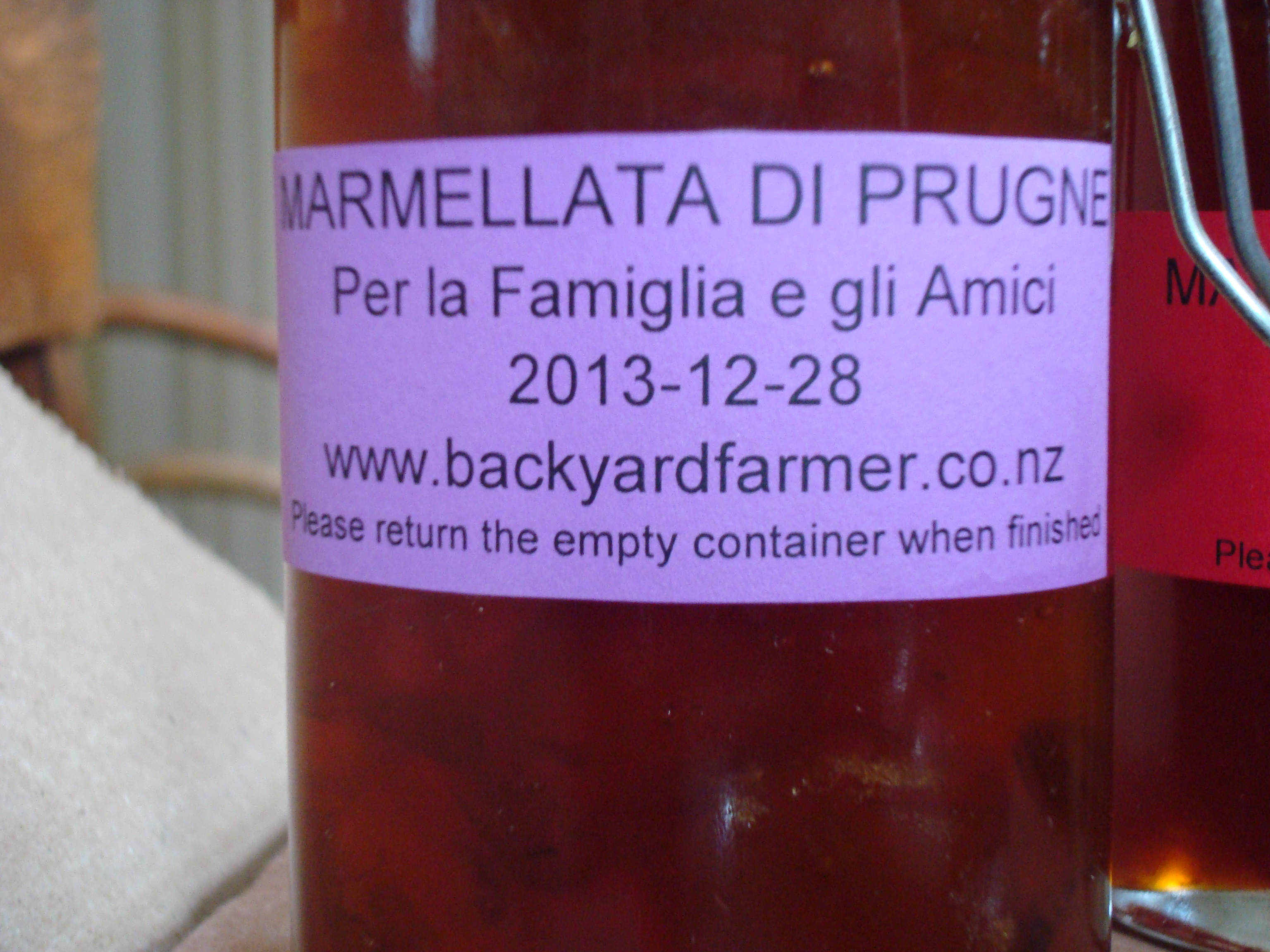
I am the proud maker of 186  jars of jam (and more to come)! Each jar contains about 130 g of product. I used small glass jars because I like to eat a different jam every day, and, the most important reason, I already had little jars ( bought 10 years ago).  They have been used many times but have been kept in their original boxes between use, so they have traveled well. I lubricate the rubber seals with Vaseline in the off season which keeps the rubbers soft and pliable forever. Having spent a great deal of time in laboratories in my undergraduate days, sterilising everything is something I spend a lot of time on.  Also, I label and date every jar properly. 

I still want to make banana (I shall buy from the little local greengrocer) and tomato jam (my tomatoes are not growing well so the local greengrocer will have to supplement),  then I think I may have a good supply of jam to eat and give away to last until the next berry season.

2014-01-30 10.50.46 2014-01-30 12.48.18-1

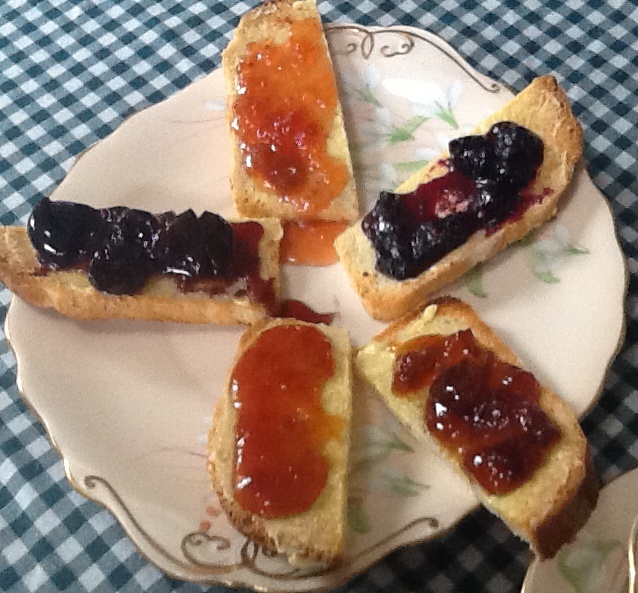
In the first picture I am cleaning bottles.  Second picture shows the jams inside the bottles  being pasteurised .  Pictures 3 and 4 shows everything labled and packed. The jams pictured on toast are cherry (unsaleable seconds given to me by a farmer/market vendor), blueberry (picked on a local farm), apricot bought from the farmer on the Sunday market (most of which were eaten and given to the grand kids), plums from our tree, apples from our tree. I bought about $10 worth of sugar, and traded some eggs for lemons. All up costs for the lot was less than $30, or 16 cents per jar and I know what is in them – no preservatives, no thickeners, no setting agents, no coloring, no flavoring, no nothing – only fruit and sugar and it tastes FANTASTIC!

2014-01-30 12.29.21 2014-01-30 12.28.412014-01-30 10.55.39

I spent many happy evenings pottering in my kitchen – all in all a great project.

Apricot Time

2014-01-19 - Apricots

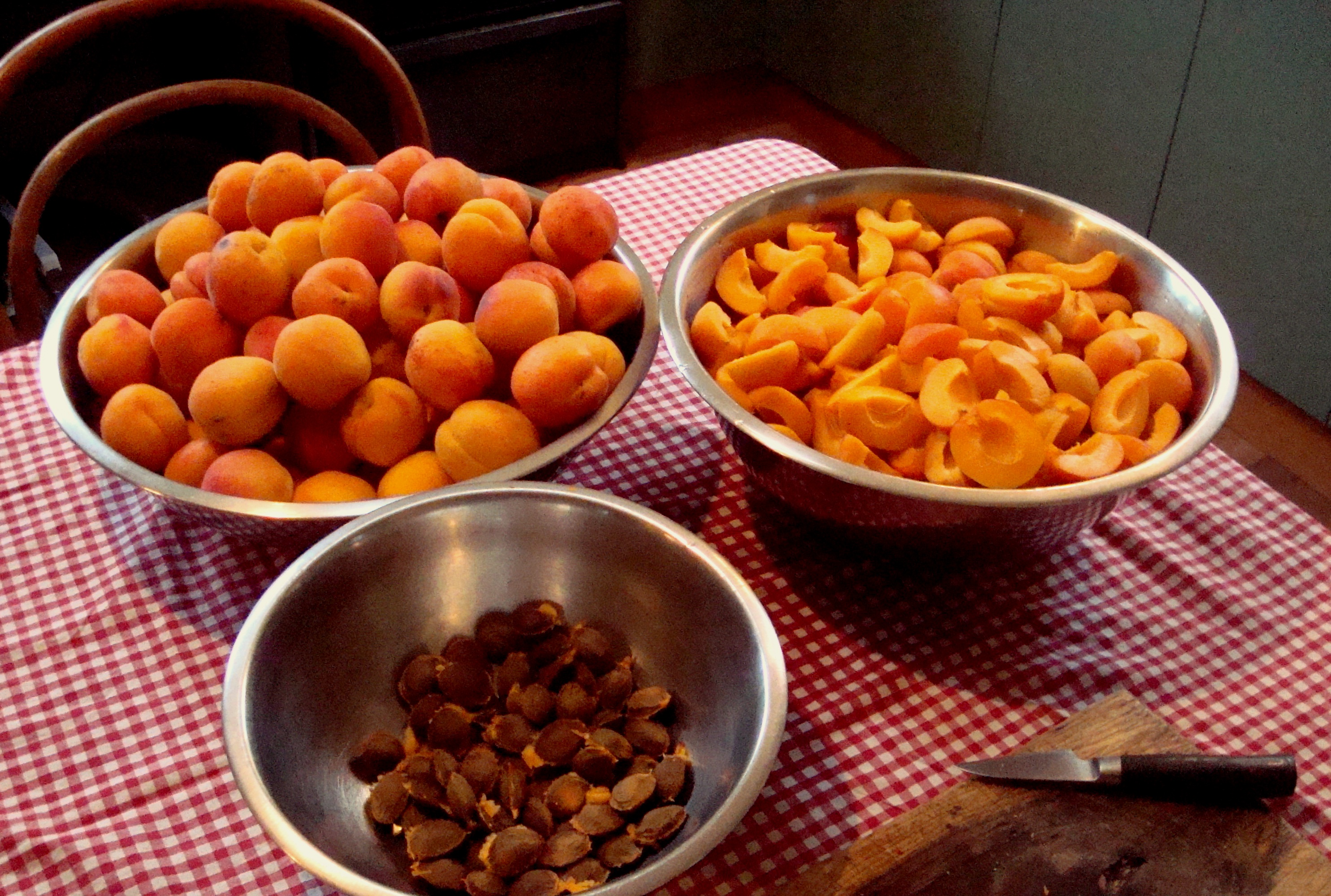
The apricots are beautiful and sweet at this time of the year in Dunedin and I am preserving as many as possible.

APRICOT STONES

Never throw the kernels away as it is a wonderful flavoring for  Amaretti Biscotti, Amaretto Liqueur, Almond Extract for cooking and Almoncello ( a liqueur I make similar to Limoncello, but with Apricot Stones). Apricot kernels are used to intensify the flavor of almonds and have been used for hundreds of years. A little goes a long way. Yes they contain some cyanide, but are not dangerous unless a lot is consumed. Do not eat them as snacks like one would eat almonds for instance. There are a lot of unsubstantiated claims that it cures cancer as well. Recipes for cakes and drinks when I start using the kernels!

APRICOT JAM

Wash and quarter the apricots. Put 3 Kg Apricots, 2.5 Kg White Sugar and 200 ml Lemon Juice in a large pot and boil slowly. Do not add water. It may be difficult in the beginning, before the sugar has melted, to turn the mass over, but be careful and turn it over frequently without damaging the fruit or letting the sugar burn at the bottom. As soon as the sugar starts to melt it is easy to stir. It is easier to use a larger pot than a smaller one. Boil slowly for half an hour, stir frequently and skim off the scum. Turn off the heat and let it rest for at least 12 hours for the flavors to amalgamate and intensify. Boil again slowly while continuously skimming off the scum.  When the jam reaches the correct density using the Freezer Setting Test, turn off the heat. Bottle as soon as the jam is cooler and easier to handle. Seal the containers and sterilise with the Hot Bath Method.

Freezer Setting Test – Place a small plate in the freezer for a couple of minutes. When well cold remove from the freezer and put a teaspoon full of the jam onto it. If it is the correct consistency after a minute the jam is ready. If it is still too runny, simmer some more and repeat test later until jam is ready to be removed.

Hot Bath Method – Sterilise bottles of jam by submerging them into water in a large pot (bottles must be completely covered by water)  and boil for twenty minutes after the water and jam bottles commenced boiling. Remove and let cool.

PLUM JAM TIME

2013-12-29 10.12.18

The Plum Trees were heavy this year and when the Kererū and Blackbirds moved from the Cherry trees to the Plum tree I knew it was time to get started if I wanted some plums. I picked about 10 Kg to start with and made some wonderful Plum Jam, Preserved about  5 KG for later use, started some Plum Vinegar as well as fermenting all the over ripe Plums for distilling Plum Grappa. The next crop that I am picking in a few days time will definitely be made into Plum Wine. Over and above this we are doing all the other plum  related baking and cooking and have beautiful fresh plums  every day. What a productive tree! I just wished I could have slaughtered the over fat Kererū and Blackbirds as well.

2013-12-29 10.25.02 2013-12-29 11.03.28 2013-12-29 11.03.35

Washing, Sorting and Taking stones out with a Cherry Pipper

PLUM JAM

3 Kg Stoned Plums – Juice in stone container added back to Plums

3 Kg White Sugar

100 ml Lemon Juice (Only if fruit is very sweet)

50 g Lemon Rind (Fresh)

Mix all ingredients in a large enough pot and simmer for at least 30 minutes from the time it starts to boil. Stir frequently. Leave to settle and cool for at least 6 hours. Simmer for another 30 minutes after commencement of boiling. Stir frequently. Skim off and discard froth from the surface. Perform the “Freezer Setting Test” and remove from heat when ready. Bottle while warm and “sterilise” containers. Add labels.

Freezer Setting Test – Place a small plate in the freezer for a couple of minutes. When well cold remove from the freezer and put a teaspoon full of the jam onto it. If it is the correct consistency after a minute the jam is ready. If it is still too runny, simmer some more and repeat test later until jam is ready to be removed.

Sterilise bottles of jam by submerging them into water in a large pot (bottles must be completely covered by water)  and boil for twenty minutes after the water and jam bottles commenced boiling. Remove and let cool.

FRUIT VINEGAR

2013-12-28 - Vinegar

Fruit Scrap Vinegar Season

Fruit Scrap Vinegar: Apple, Pineapple, Golden Plum, Mixed Fruits, Blackberry

I love fruit scrap vinegar. Since discovering that I can turn peels, cores, and squishy bits of overripe fruit into delicious vinegar, I’ve been giving in to my desire for more, more, more. It makes great salad dressing, it’s delicious over steamed vegetables, truly it works well in any recipe that calls for vinegar. The flavor and fragrance of the fruit comes through in each batch.  Transform your autumn fruit waste into vinegar to spice up your winter foods.

Make your own:

  • Fill a large glass jar with fresh, clean water.
  • Add 1/4 cup of honey or the sugar of your choice for each Liter of water. Stir until completely dissolved
  • Add fruit scraps. Use whatever you’ve got, peels, cores, and whole fruit. Chop up big things such as apples, leave small things such as berries whole. Add at least a couple of handfuls of fruit for rich flavor and color.
  • Cover the jar’s open mouth with a clean cheesecloth and use a rubber band or string to hold it in place. This will keep out flies and let in the wild yeast you want
  • Set the jar in a dark spot to protect it from the light.
  • Stir the jar every day and check to make sure the fruit is submerged. Don’t worry about yeasty white growth on top; scrape off any other colors of mold and toss that  into your compost bin
  • After a week or so, or whenever the liquid has darkened and everything is smelling nice and boozy, strain the liquid to remove the fruit. I use a doubled cheesecloth to remove all of the big pieces and most of the small pieces. Compost the fermented fruit
  •  Pour this strained liquid back into its original jar, replace the cheesecloth on top, and let it sit for another week or two. When it smells and tastes like vinegar, it’s ready. Put a solid lid on the jar to keep it from evaporating, store at room temperature, and enjoy
  • If you see a translucent growth in the liquid, either a blob or strands, be happy. This is your Mother Vinegar, and it can be used to start another bottle of vinegar or just left to live where it is. The mother is proof that you did it, you cultured your own vinegar

I find it encouraging that there is still enough wild yeast and beneficial bacteria in our air and on the skins of our fruits to turn fruit scraps, sweetness, and water into something so tasty and healthy.

http://www.backyardfarmer.co.nz