

Even though the incidence of Hereditary malformation is less than 0.25 % in my quails, it is still a condition to select against very stringently
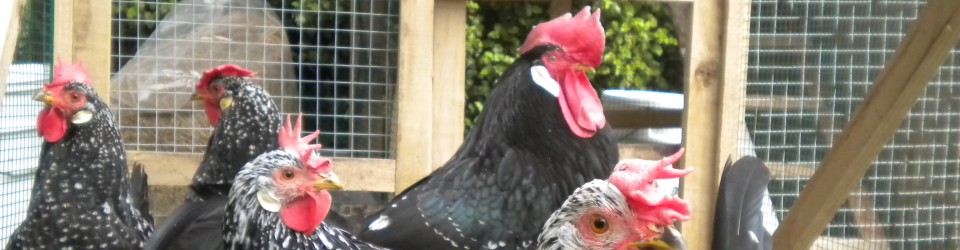
Even though the incidence of Hereditary malformation is less than 0.25 % in my quails, it is still a condition to select against very stringently


As result of many requests for Quails as pets, I have designed and built a Quail Pet House, which comes complete with four Quails ready to start laying eggs.
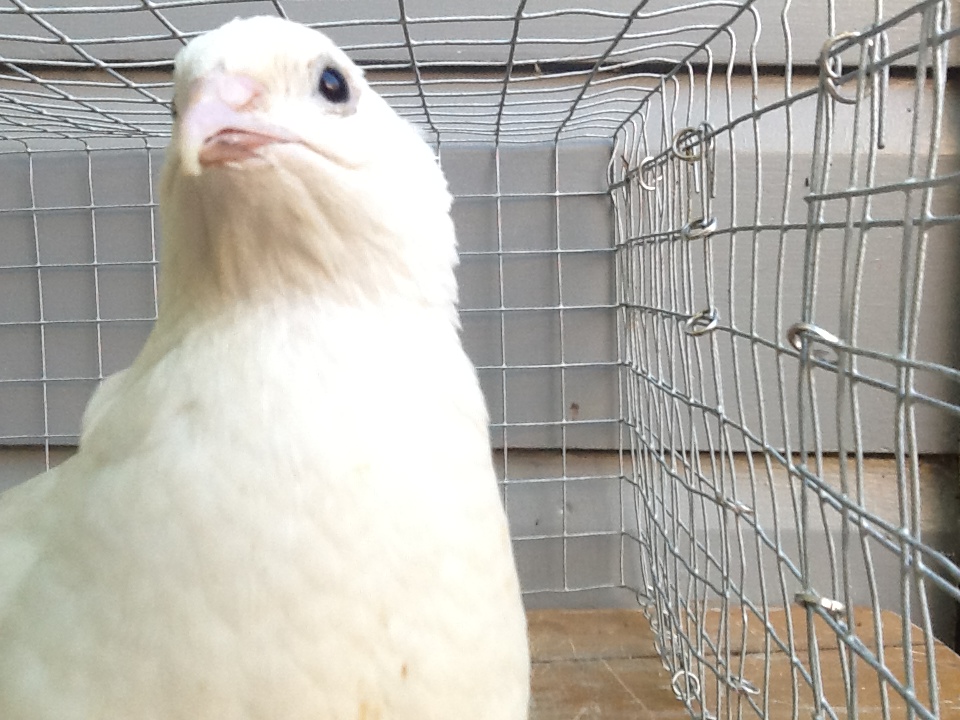
Quails (Coturnix coturnix) make the perfect pet. Not only are they docile, quiet, inquisitive and clean, but each quail will also give you a delicious egg every day, so they pay for their own upkeep; how many pets can claim that! Quails become very tame and by nature are relaxed and adaptable little animals. They are amazingly efficient and incredibly interesting little creatures.
Small incubators for people that are interested in hatching their own quail babies are available, which is an excellent child project that teaches them the basic principles of breeding and rearing, apart from just looking after and enjoying a pet.
This little Quail House ( under 1 x 1 meters) fits into any small area and can stand in a bedroom, in the garage, on the veranda or under a tree in the garden. They are strong and built to withstand all weather conditions. Made from tanalised and double oiled wood, this pet house is durable and will last for a long long time. A roof door and easily replaceable floor (extra floor included) makes cleaning an easy and quick task. Also included is a sand bath and water and food feeders.
The ideal pet accommodation for all needs. The ideal mini aviary.


CAN IT GET ANY BETTER?
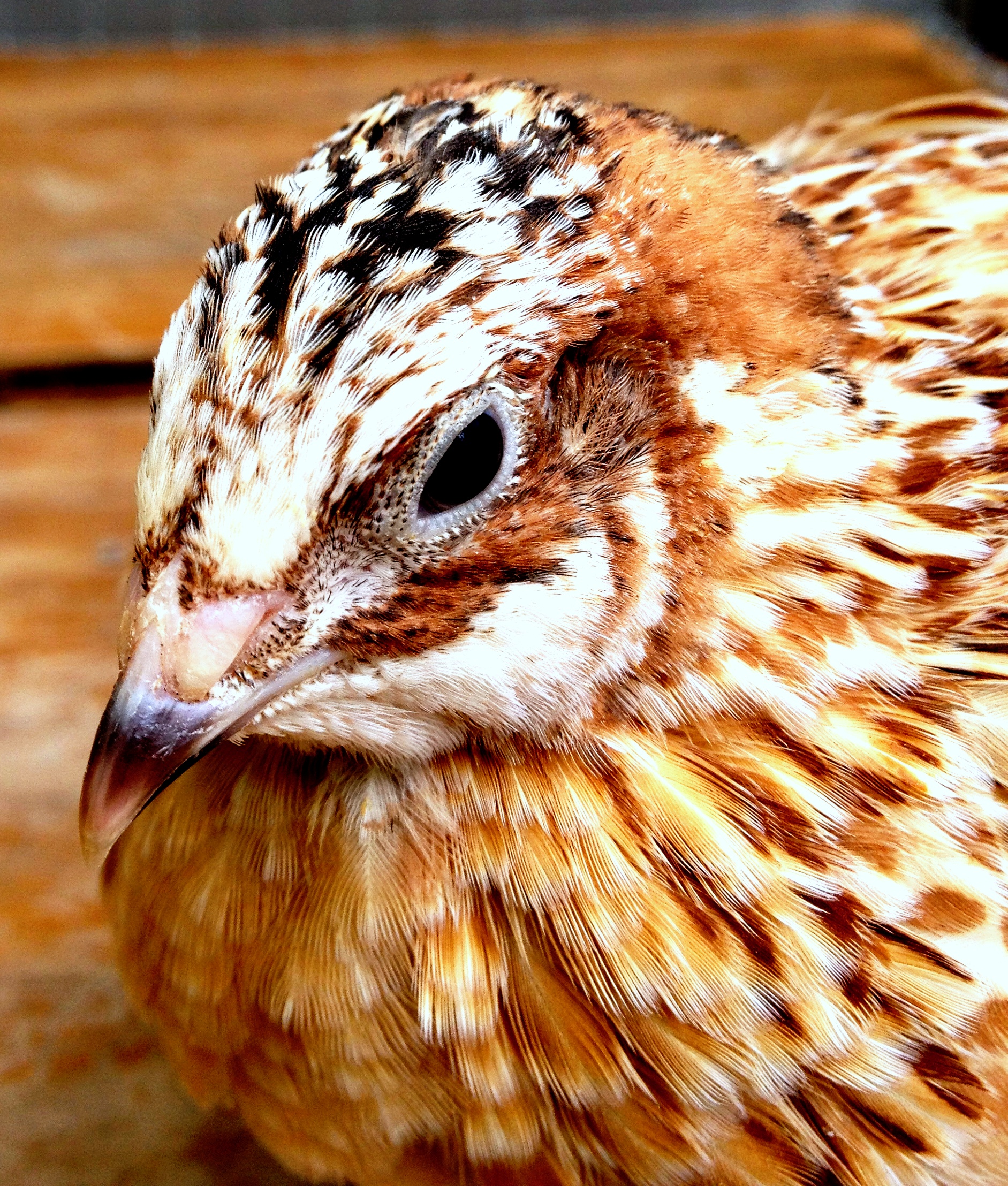
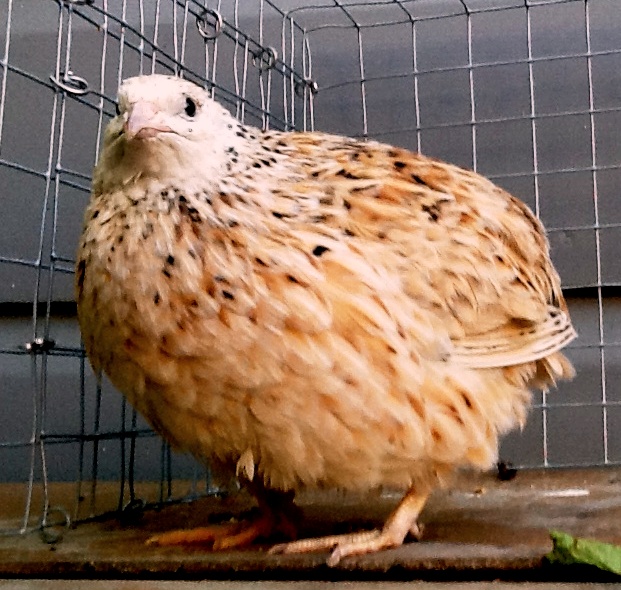
I am engaged in this project to improve the Coturnix Quail, consequently, I monitor a lot of production parameters. One of my groups of Italian females has been in production for 13 weeks now and has laid 100% eggs per day – 637 eggs in thirteen weeks from 7 hens – PHENOMENAL – and they are still going. (I commence recording egg production at 10 weeks of age). Above are photographs of three of the hens in this group as well as the male, which is from another high performance line I have (all the information at my disposal shows that these two lines are not closely related). I have also included a photograph of some of the chicks hatched out of this group, and young males from the same group at 28 days of age (average mass per bird at 28 days of age is 133 g -range between 123 and 165 g). Out of this group of young males I have selected only two outstanding males for future breeding. All the hens from this hatching are obviously going into the production unit.
I am again inviting breeders who would like to participate in this project to contact me. I am prepared to ship one of these young males FREE to a BREEDER in exchange for some offspring, or alternatively, should you have a phenomenal female of two, I would be interested to breed them at my place, again in exchange for offspring.
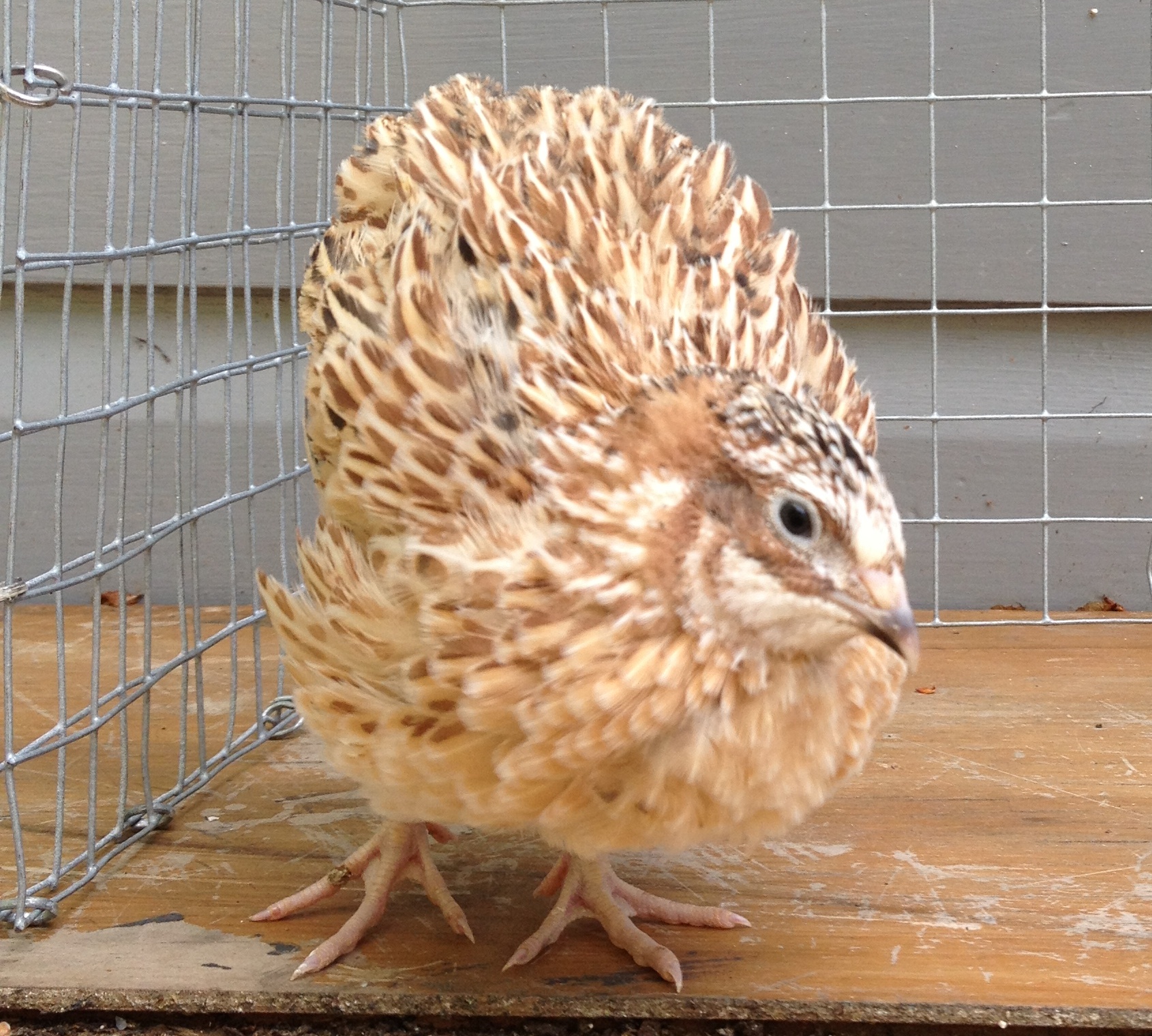


After arriving in New Zealand mid 2013, I immediately commenced with my hobbies, i.e. Coturnix Quail and Ancona Chicken breeding. I was a bit disappointed in the genetic material available and the absence of any controlled national breeding project for any of these animals.
I am an animal scientist with post graduate qualifications and have therefor engaged in a breeding project trying to re-establishing the phenotypical and production traits of the Coturnix coturnix Quail strains in New Zealand (I am doing the same for Ancona chickens, but more about that later). New Zealand Authorities do not allow the importation of new birds or poultry into the country and with a very small gene pool (gene puddle), uncontrolled “breeding” , inbreeding, etc, the variation between strains that is normally detected in other countries does not exist in New Zealand. Most birds, apart from color appear to have the same traits, are very inbred, with low production ability and fecundity.
I have initially limited the project to four strains, but after some breeding and further investigations, have unwillingly expanded it to six strains – the more strains I try to breed and improve successfully the slower my progress will be. After only eight months of breeding some performance results already been achieved and established, because of the short life cycle of these amazing little animals.
If there are any New Zealand Breeders who would like to participate in this project, you are most welcome to give me a call. I am specifically looking for that very special animal you may have bred, which we may like to breed with in this project, in exchange for some of the offspring.
Back Yard Farmer
Tel – +64 211 34 14 52
byf@backyardfarmer.co.nz
www.facebook.com/backyardfarmernz
http://www.backyardfarmer.co.nz
Dunedin – New Zealand

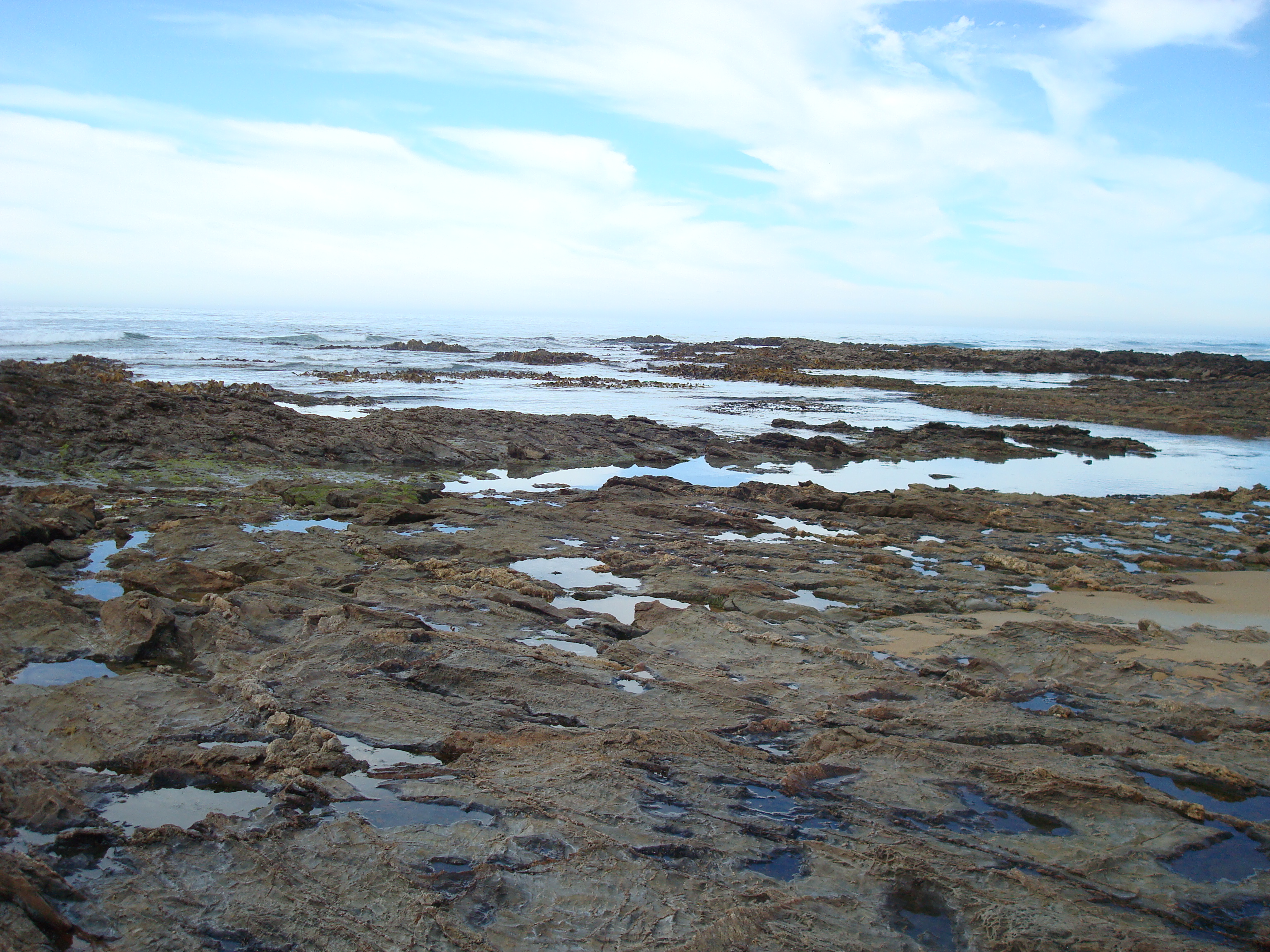
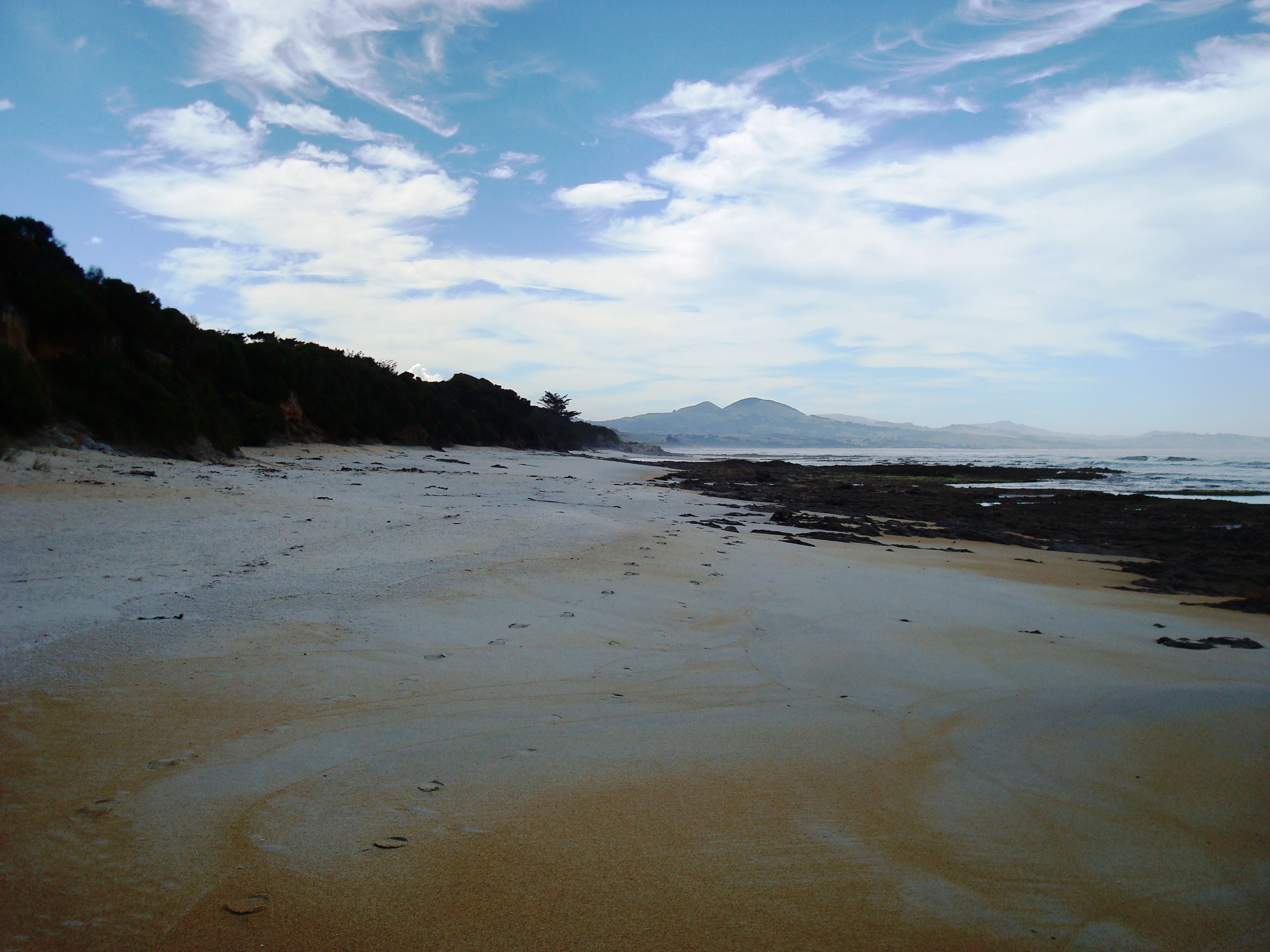
I prefer to keep my quails on wooden floors, not wire mesh, and I am sure they are happier, healthier and more comfortable that way. I experience far less foot problems with my quails than I have observed on wire mesh at other locations . The problem is that their feet get ‘dirty’ with bits of manure and feed dust sticking to and drying on their toes. Quails love to scratch around and the easy way to solve this problem and keep them happy is to provide sand baths laced with diatomaceous earth in each cage. The sand must not cause dust, or be fine enough to clog up the automated water system. After hunting high and low for the correct sand – visiting building suppliers, road builders and driving up and down the coast visiting various beaches, I was fortunate to find a supply close to home – a beach some ten kilometers south of Dunedin. Getting a bucket of the roughest textured sand every few months, I think is OK as I suspect it may not be “legal” to collect and remove sand from NZ beaches.
Every sand fetching day becomes a picnic day, with the grandchildren, on one of the many fabulous beaches close to our house – provided Otago weather does not get out of hand. Yesterday conditions were perfect for ‘sanding’ as these pictures prove !

 Back Yard Farmer