THE BYF NO-WASTE QUAIL FEEDER

Feed is the single most expensive item when keeping quails. It is therefore essential to prevent birds from contaminating or wasting feed. Back Yard Farmer has developed a simple, effective, and low-cost solution using a standard 3-litre plastic milk bottle.

This DIY feeder is easy to make, costs nothing, and outperforms many commercial feeders.


How to Make the Feeder

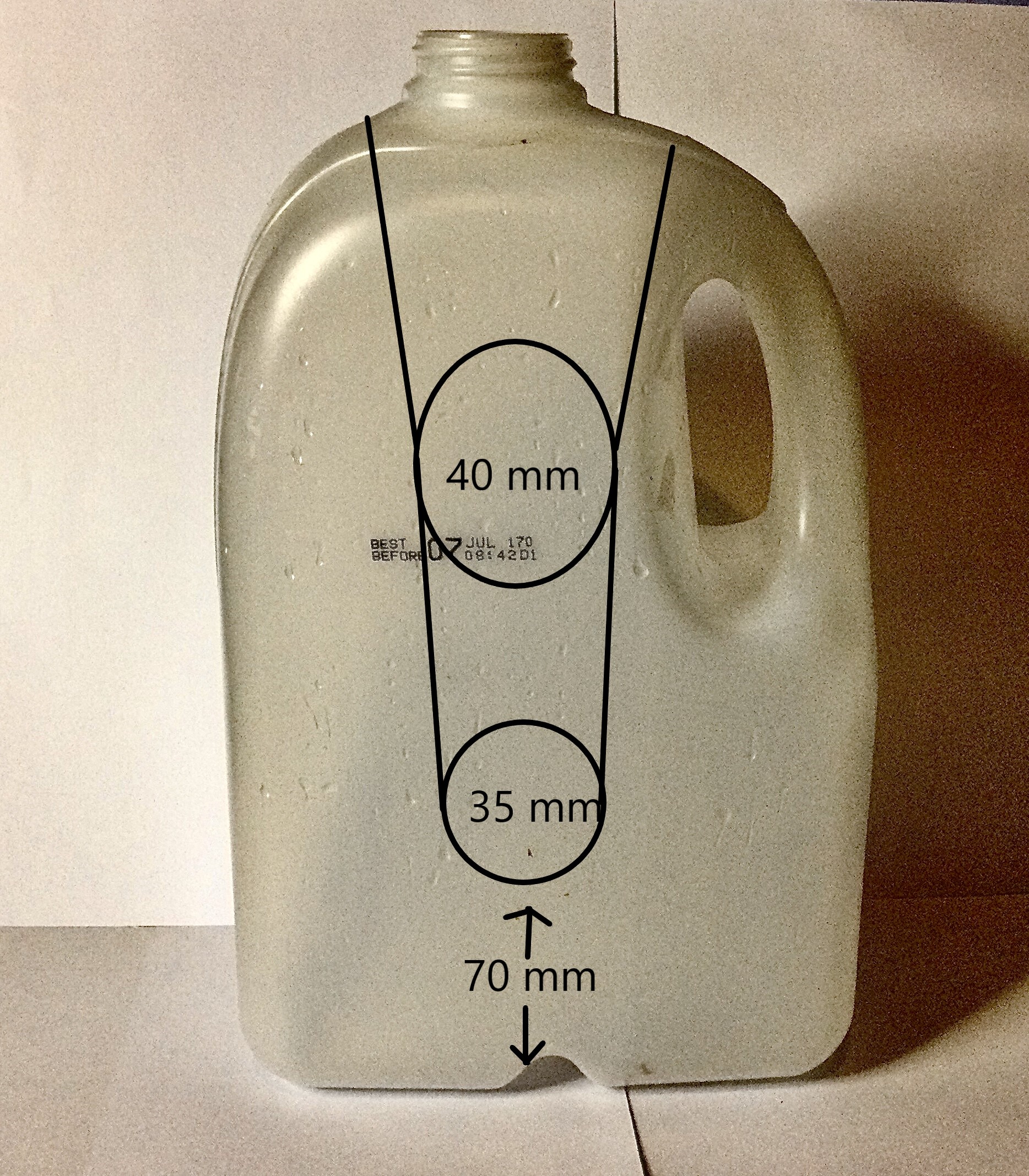
  1. Drill a 35 mm hole approximately 70 mm from the bottom of the bottle
  2. Drill a 40 mm hole roughly halfway up the bottle
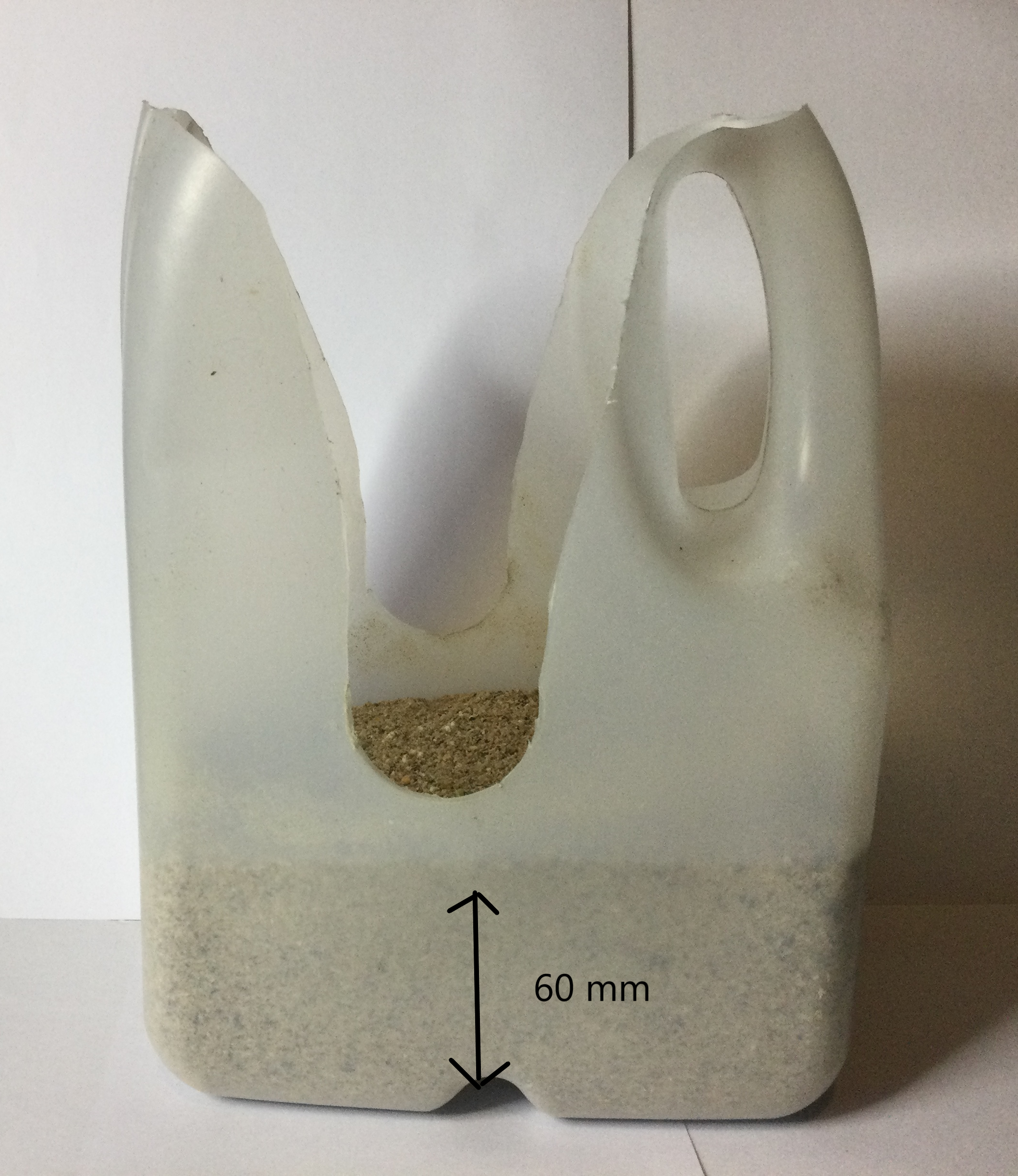
  3. Cut along the straight lines between the holes as shown in the images
  4. Now do the same onthe other side

You will end up with a durable, efficient feeder that allows easy access for the quails while minimizing waste.


Why This Feeder Works Better

Compared to commercial feeders, the BYF feeder offers several important advantages:

  • Quails cannot defecate in the feed
  • Quails cannot climb into the feeder and scratch feed out
  • The slot design allows quails to insert their heads comfortably and withdraw easily
  • Quails naturally flick feed sideways with their beaks, causing losses—this design prevents feed from being flicked out
  • The handle remains intact, making the feeder easy to carry and reposition
  • The feeder is easy to wash and keep hygienic
  • It can be moved around the cage to reduce trampling and ground damage

Feeding Capacity and Use

  • Fill the feeder to a depth of approximately 60 mm, which is about 10 mm below the bottom of the 35 mm hole
  • This holds roughly 650 g of feed
  • Quails cannot reach the extreme corners, so a small amount of feed remains, but one feeder easily supplies up to 6 birds for a full day

Daily feeding is simple:
Empty any remaining feed into a feed bucket, then refill the feeder using a scoop sized to deliver the correct amount (650 g). This also helps remix older feed with fresh feed, reducing waste even further

Daily feed consumption for mature Coturnix quails is about 30 – 35 grams (depending on many factors) and if you use more than this, there are either something sharing the feed with your quails, or wasteage is happening


Cost

Nothing.
Made from recycled materials, this feeder delivers excellent performance at zero cost

QUAIL and other POULTRY feeding update by Back Yard Farmer

NEW FEEDING REGIMES FOR IMPROVED PRODUCTION

for Coturnix coturnix Quail and all other Wild Birds such as Pheasants, Partridge, etc

Combining my experience in animal nutrition and husbandry with extensive reading regarding the latest nutritional developments I am now manufacturing feeds that are very advanced in approach. These feeds benefit high performing quails and other wild birds such as pheasants and partridge. My birds are performing so well on these new feed formulations that I have included these formulae in all the feeds I offer for sale.

My strategy is to maximise digestibility using the simplest and best combination of materials and feed additives. I also utilise proven probiotics / prebiotics to stimulate and enhance the naive gut, creating a favourable environment for good gut flora to proliferate and keep cell junctions tight. The rations also assist gut enterocytes with function and repair, while there are some elements in the feeds that help the modulation of immune responses.

I formulate to specifications for a 28 % Protein BYF Quail Starter Feed, 26 % Protein BYF Quail Grower Feed, 24 % Protein BYF Quail Maintenance Feed and a 22 % Protein BYF Layer Feed as the top of the range diets by introducing new additives in addition to the present Vitamin and Mineral Pre Mix. These additives contain extra Lysine, Methionine, Threonine, Isoleucine and Valine which is intended to fully balance all the digestible amino acid ratios. These additions also lift the protein and energy digestibility beyond their stated levels on paper by using 4 separate and specific feed enzyme activities. The extra additives contain bioactive Vitamin D (Hy-D), Vitamin C, and Calcium Carbonate for bone modelling and antioxidant properties. Kelp meal, minerals, electrolytes and some sources of protected Butyrate, Carvacrol and Thymol steer good flora and discourage overgrowth of pathogenic bacteria and organisms. These new additions also contain a Mannosidase enzyme to aid the digestibility of various materials with proven Phytase, beta Glucanase, Xylanase and Protease enzymes.

My new feed formulations are the ultimate diets for quail and wild birds. All the above inclusions are essential and unique and take care of all amino acid balances using standard materials, supercharging the opportunity across all fronts for the birds to start well, grow well and produce well. There is plenty here to give bumble bee sized chicks, as well as mature birds, every chance to thrive without antibiotics, which is a big plus. These feeds are not only essential for wild birds, but give all poultry that extra boost when under stressful conditions.

FEED YOUR QUAILS PROPER AND CORRECTLY !!

I have recently decided to publish one of the many feeding comparisons / trials I do from time to time, which I think will assist the many people asking common questions about what to feed quails, and more specifically Coturnix coturnix Quails

TRIAL

I divided 66 day old Quails, all hatched from the same parent groups and hatching batch, into 6 groups of 11 each. Subjected them to 3 different treatments of two groups per treatment

TREATMENT 1 – Fed this group the standard Back Yard Farmer regime of 28 % Protein Quail Starter Mash from day 1 – day 21 of age, then switch to 26 % Protein Quail Growers Mash

TREATMENT 2 – Fed this group NXX Meatbird Crumble as per manufacturers recommendation

TREATMENT 3 – Fed this group WX Game Bird Crumble as per manufacturers recommendation

I am now quoting some of the results obtained up to 42 days of age. The intention was to follow this through to full egg production at 12 weeks of age, but for the benefit of the birds, I decided to terminate the trial at 42 days of age.

TREATMENT 1TREATMENT 2TREATMENT 3
Body mass at 16 days – g1057273
Body Mass at 24 days – g168122111
Body Mass at 31 days – g198142130
Body Mass at 42 days – g260212201
Mortality at 42 days – %0.00%13.60%22.70%

With the above results taken into consideration, I decided to terminate the trial for the benefit of the birds in some of the groups.

I have collected many more data from these trials and subjected the results to proper statistical analyses, but I think it superfluous to report

Coturnix coturnix QUAILS ARE NOT MINIATURE PHEASANTS

Today I was called by an acquaintance who also “breeds quails” and was informed that he has lost over 150 quails this season dying mysteriously from whatever. My first question, as a animal nutritionist, was what he feeds the birds. I was appalled to hear that he gives them a commercial “Game and Quail Crumble” (A name invented by the reseller as the manufacturers does not even call it that) and supplements it with kibbled corn, peas and some “other seeds” and every so often they get some dog roll. This manufacturer also claims their product to be good for all stages of game birds, which is IMPOSSIBLE.

The mistake that many people make is to think that quails are just small pheasants. The feed companies that manufacture pheasant feeds, because there is a reasonable industry breeding and rearing pheasants for the hunting industry, want to jump onto the wagon and claim their feed is also good for quails as well, which is just not true. New Zealand is one of the few, if not only, developed countries in the world that does not have any animal feed regulations and / or legislation relating to feed analyses. This means the manufacturers can mix anything and claim anything and do not have to disclose any content nor analyses. It Is therefore difficult for anybody to comment on any feed, as very little is disclosed and no regulatory body oversee this industry

A quail hen of 220 g average body mass can lay up to 300 eggs of 11 g average (5 % of body mass), in a season. A total egg mass of 3,300 g, or 15 times the quail’s body mass

A pheasant hen of 1,300 g average can lay up to 80 eggs of 32 g average (2.4 % of body mass), in a season. A total egg mass of 2,560 g or 1.97 times the pheasant’s body mass

Quails are 760% more efficient egg producers than pheasants and they recommend feeding them the same?

So are there many other physiological and production differences between these two species of animals

I am an experienced and well qualified animal nutritionist who has been involved at all levels of animal nutrition in many countries of the world, and seldom, if ever, have I heard such misrepresentation of any animal feed.

If you want your QUAILS to be healthy, happy and efficient producers, feed them a series of well formulated QUAIL FEEDS that is specifically manufactured for every different stage of life and production

QUAIL HOUSING

Housing for quails is fairly simple, but there are a few rules that would make there lives much more pleasant and productive

1. The housing must be 100 % dry AT ALL TIMES (100 % roof coverage with adequate overhang). Open on two sides with two solid walls protecting birds from prevailing wind and rain. The open sides need mesh of about 13 mm X 13 mm aperture as cats would put their claws through the holes if it is larger and kill the quail. As much sun as possible with shady spots if they want to get away from the sun. The cage roof must be a maximum of 500 mm high, otherwise the quails may injure themselves if frightened and take off hitting their heads on the roof

2. Quails need an area where they can hide from prevailing winds and drafts. Nooks and crannies and / or thick vegetation is required

3. Coturnix Quails are ground dwellers and would not roost and would very seldom use a second level upstairs – so all their food and water requirements need to be at ground level. They can be taught to go up, but it is not natural for them

4. Coturnix quail need a sand bath to keep them healthy, happy and clean – so if their cage is on the ground and DRY, it is all good as they would create their own sandpit

5. Clean water and feed of the correct type all the time (ad lib). They would eat greens and table scraps (love meat) and it can be fed to them all the time as long as it does not make up too much of the diet (maximum about 20%)

6. A floor area of at least 2 meter square per group of 4 – 5 females and 1 male for the ideal cage (meeting all the above specifications) or more if the cage is deficient

7. If you want the quails to lay eggs all year round, you need to provide light for 16 hours per day, alternatively they will molt when the days are getting shorter and stop laying until the next season.