
Day old Quail Chicks
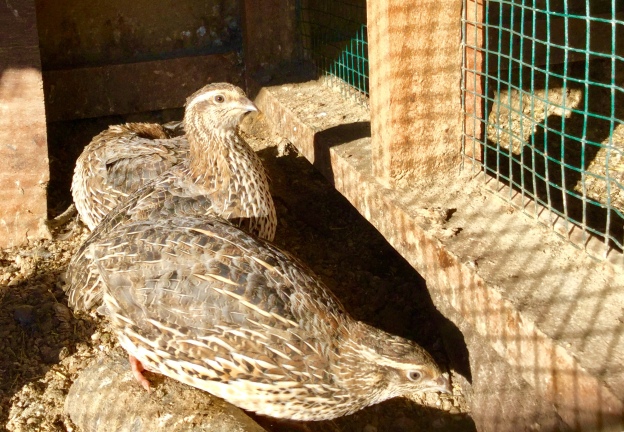
Raising Californian Quail in captivity has never been, and never will be easy. Their nervous character and wild instincts make them very unsuitable to captivity. Unfortunately, because of their disappearance from the wild in New Zealand, they will have to be multiplied in caged conditions, should we want to preserve this pretty little bird. The cavalier attitude of New Zealanders regarding nature will probably prevail and our efforts for conservation would have limited success – I know I am going to get a lot of criticism because of this statement, but with New Zealand and Australia being the number one countries in the world causing species loss, my argument is more or less proven.
Survival rates of Californian Quail during their first few weeks seem to be abnormally low, and I have adopted a number of strategies and designs to try and overcome this problem – all with varying levels of success, but none solving the problem entirely.
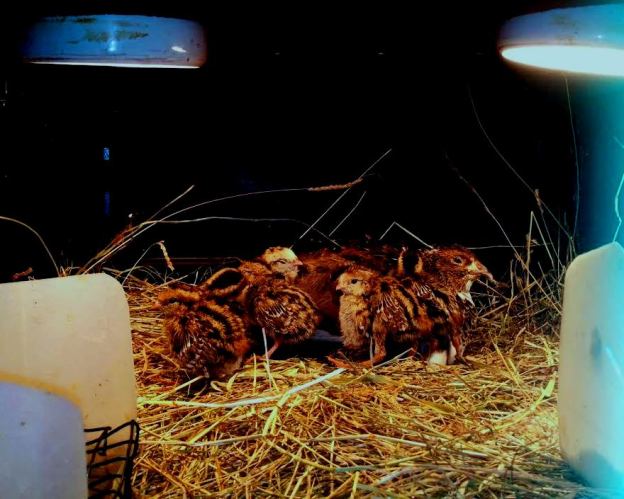
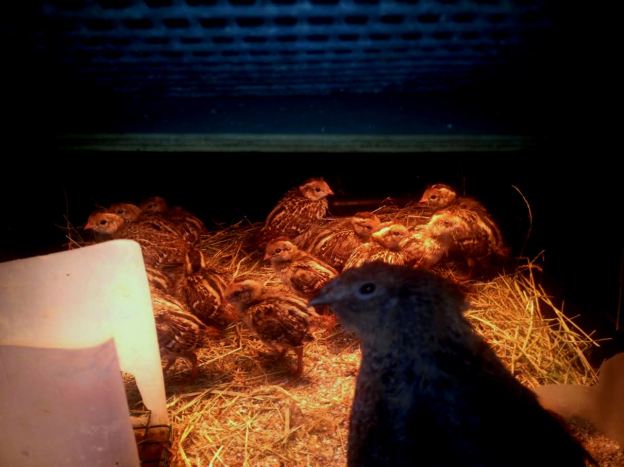
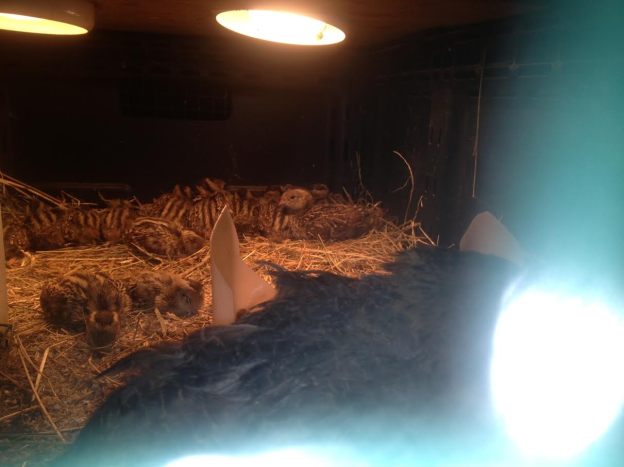
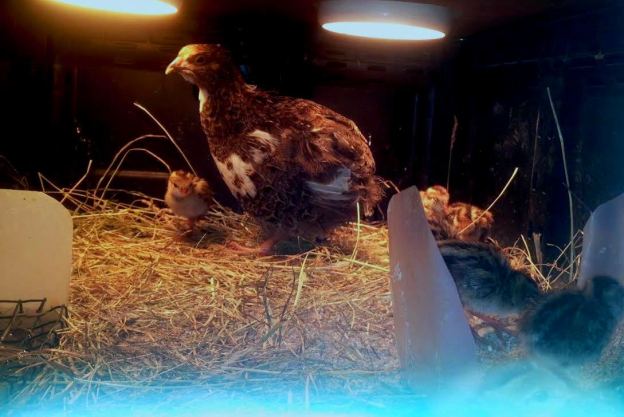
My latest survival strategy however seems to have addressed many of the problems. Instead of sending my old Coturnix coturnix quail hens to the stock pot, I selected a number the calm and motherly ones as foster mothers for the Californians. I put the mothers into the brooders a few days before the Californian chicks hatch so they can get acquainted with the environment and the warm conditions. When the chicks hatch I place them straight into the brooder with their new mother. Her presence seems to have multiple positive effects on the chicks – i.e. she teaches them to eat and drink immediately, calms them down and also broods them. The end result is that the little chicks have shelved their desire to become Kamikaze Pilots every time I want to change food or water. Everybody seems calm and happy and mortality for the last four groups, at five weeks of age, each with their own foster mother, has been almost zero (lost one).
There are a number of younger groups at present, each with their foster mothers and they are very calm and doing well. I do notice that some foster mothers are better at the job than others and will continue selecting the better ones, even though their has been no difference in mortality rate between the groups.
Going back to nature can teach us a lot!!

Single egg isolated on white background


I want to state that this post is not a reflection on all quail breeders in New Zealand, with whom I hope to maintain a positive relationship, but an isolated, and hopefully, rare case.
I am trying to get more good unrelated quail (Coturnix coturnix) birds to enhance my breeding programs. Lack of available birds, costs and unwillingness of some breeders to work together in my efforts to enhance the quality of the Coturnix coturnix in New Zealand has forced me to buy eggs and hatch with the hope of finding some good birds among them. Needless to say, it is an uphill battle. I am reporting here on one specific “Breeder” that has sent me three batches of eggs. The first batch had a hatching percentage of 0%. In the same machine were eggs from other breeders which have achieved hatching percentages well in excess of 60%. Consignment two is still in the incubator. Consignment three, of 100 eggs, arrived with 52 visually broken eggs and perhaps many more with hairline cracks – 13 of the unbroken eggs were under 8 g in weight (too small to incubate) – All egg yolks are a palish yellow color, pointing towards very unhealthy and underfed birds. The breakages occurred because the sender cut and stacked the egg trays in such a way that each egg tray actually rested on the eggs below, instead of having the trays supporting each other protecting the eggs (see last photo which is an example – the other photos were actual as the eggs were received). The “Breeder” refuses to reimburse or replace any eggs as he claims that the courier to be at fault. I have used the same courier for hundreds of egg consignments wit good results.
 Back Yard Farmer