Cardi alla Parmigiana – Back Yard Farmer’s Lunch

2015-08-10 - Farmers Lunch 1


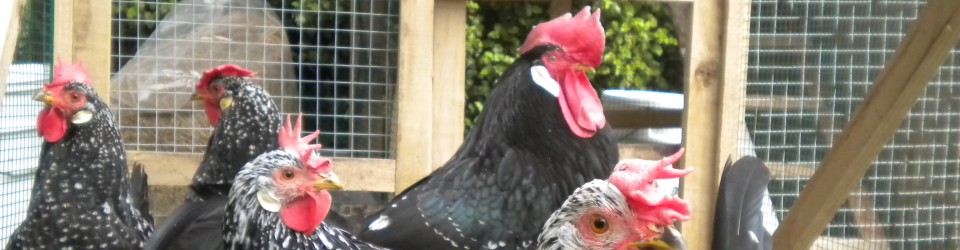
Today’s all home produced lunch was beautiful!. Firstly the Ancona cockerel that did not make the breeding pens was slaughtered at 12 weeks of age. At this young age the meat is soft and tender, but not as tasty as an old hen, which I prefer for slow cooked poultry dishes such as “Pollo alla cacciatora in bianco”. Nevertheless, it was very good. I vacuum seal the chickens (and all other animals) when slaughtered and keep them in the fridge for some three to four weeks to age – never frozen. The organic carrots were from a friends garden and I wish that I could have claimed origin as they were so tasty. The cardoons were from my garden and they grow so well in Dunedin that the rabbits have a serving every day. Whatever is left over, we eat.

Cardi alla parmigiana went well with the chicken and carrots and of course some home brewed wine. I am drinking from a damigiana of cherry wine which is dry and fruity and a good compliment to any meal. The only criticism may be that it lacks some body, but all the other wonderful attributes overrides any shortcomings.  The wine of the house is not always perfect!

Cardoon Recipe

Select the biggest outside leaves of the cardoon and strip the leaves of the stem and use  a potato peeler to peel the strings from the outside, (almost like preparing celery)  of the stem.  Cook in salt water and the juice of one lemon until tender. Drain and set aside. Dip the dried cardoon in flour and egg and fry until golden in a bit of olive oil. Prepare bechamel sauce and arrange the cardoon pieces in a baking dish, ( I use individual serve cast iron pots)  cover with bechamel, parmigiano and cracked black pepper and repeat the layers until the dish is full. Place some butter pieces on top and bake in the oven at 180 C for 20 minutes.

Do not forget the wine.

ENJOY!!!
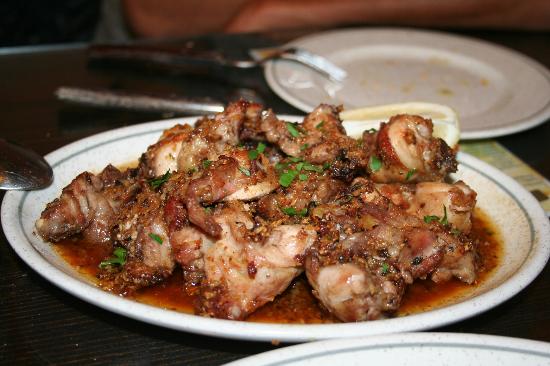
Calabrian Stewed and Roasted Hare – Liepru all’Antica

2014-03-04 - Stewed Rabbit

Rabbit is another of my favorites and fortunately readily available if not farmed yourself, and though Artusi mentions a well-to-do person’s being put off by the latter, they have always been popular out in the country because they’re easy to catch or raise. This recipe for stewed and roasted hare is Calabrian, but works equally well for rabbit, chicken or even quail

1 hare, chopped

2 Sweet Red onions, sliced

3 bay leaves

4 sprigs mint

Marjoram to taste

Thyme to taste

Flour

Slices of toasted bread

1/4 cup olive oil or rendered lard

A bottle of Ciró Rosso or any other good red wine

Salt

Marinate the hare in the wine with the onions and the herbs for two days, turning the meat occasionally.

Pat the meat dry, flour it, and brown it in the fat, using an oven-proof pot. Once the pieces are all browned stir in the marinade, bring to a simmer (you may want to heat the marinade separately while the meat is browning), and transfer the hare to a preheated 350 F (175 C) oven. Roast until done, spooning the liquid over the meat occasionally to keep it moist.

When the meat is done remove it to a platter and keep it warm – strain the liquid and reduce it over medium heat until it is quite thick. Spread it over the toasted bread, and serve it with the meat.

A wine? Another bottle or two of Ciró Rosso.

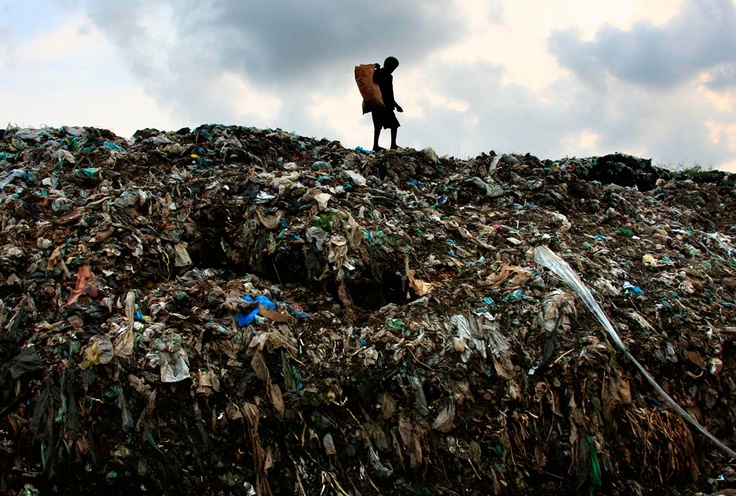
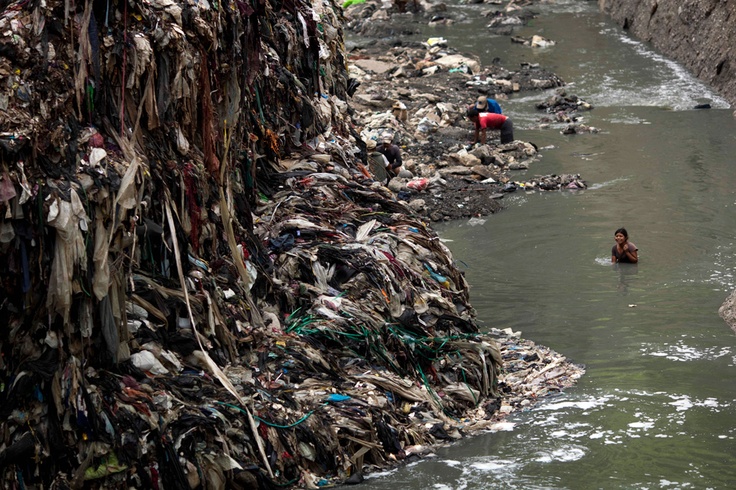
Who needs the Waste?

2014-02-10 - Garbage2014-02-10 - Garbage 3

A WASTE REDUCTION PROGRAME (to be followed by all in New Zealand?)

The Council is supplying households with a YELLOW BIN and a BLUE BIN for paper and glass recycling respectively. Then you could either purchase black rubbish bags or rent a RED BIN for all your rubbish. This is for Dunedin, but probably similar elsewhere.

The object of garbage management in your household should be such that you should strive to have as little as possible to put in THE YELLOW, BLUE and RED BINS at all times. How do you achieve this? Firstly you keep an additional four containers under your sink (I keep 2 litre plastic buckets) and come into the habit when you work in the kitchen to have these bins readily available and sort offal into these in the sequence described underneath, as much as possible.

The BLUE BINS are used for unbroken glass bottles and jars

The YELLOW BINS are for paper and cardboard, clean rigid plastic, tins, cans, aluminium trays, foil, aerosol cans, plastic bottles, containers and lids

The other four bins are :

The GARDEN COMPOST BIN (If you do not make garden, it is now the time to start 😉 ) What goes into this bin?
• Citrus off cuts and peels
• Onion off cuts and skins
• Coffee Grinds
• Tea Bags
• Egg shells
• Newspapers and other light paper materials

The POULTRY BIN (Chickens are a delight!) – What goes into this bin?
• All off cuts and left overs that a human being will normally eat and benefit from if stranded in the desert and starving. Remember chickens love meat and meat products. Cut these in bite size bits for the chickens, ducks, quails or what ever.

The RABBIT BIN (Bunnies are so cute!) – What goes into this bin?
• The same principle applies as for chickens, but only the vegetarian foods – if you can eat it, so can the rabbits. Depending on rabbit and chicken numbers and animal preferences, divide food between these two groups.

The WORM BIN (Get worms ;-))
• Anything vegetarian that the chickens and rabbits wont eat or do not like, goes to the worms, like banana peels, apple cores, hard or wilted outer leaves of vegetables, poisonous plants for animals like rhubarb leaves, etc. Do not put meat into this bin as it attracts vermin

The GARDEN COMPOST BIN – You should have a compost bin already if you are a gardener
• Any product that will ferment in one to two months if composted and did not fit into any of the above. Do not put meat into this bin as it attracts vermin

The RED RUBBISH BIN – The odd product may go into this, which is unavoidable
• Bones
• Plastic Bags

The idea is to have as little as possible to put into BLUE, YELLOW and RED BINS.

For those of us who are fortunate enough to have a working vegetable and fruit tree garden the problem is so much smaller and easier to handle. Try to buy as little as possible processed, tinned and bottled food – buy fresh and unprocessed if you do not produce it yourself. Should we follow the above simple steps,  vast amounts of money will be saved, the human   carbon footprint will be dramatically reduced  with all the accompanying benefits. Last week was the National Day Against Waste in Italy. A project supported by the worldwide SLOWFOOD organisation.  If it is in Italian, click “TRANSLATE” on the top of the page for English


MITES AND LICE ON POULTRY AND OTHER ANIMALS

2014-02-24 - Fowl Mite 2014-02-24 - Fowl Mite 2014-02-25 - Fowl Mite 2014-02-24 - Red Mite clump after a blood feed 2014-02-24 - A Mite


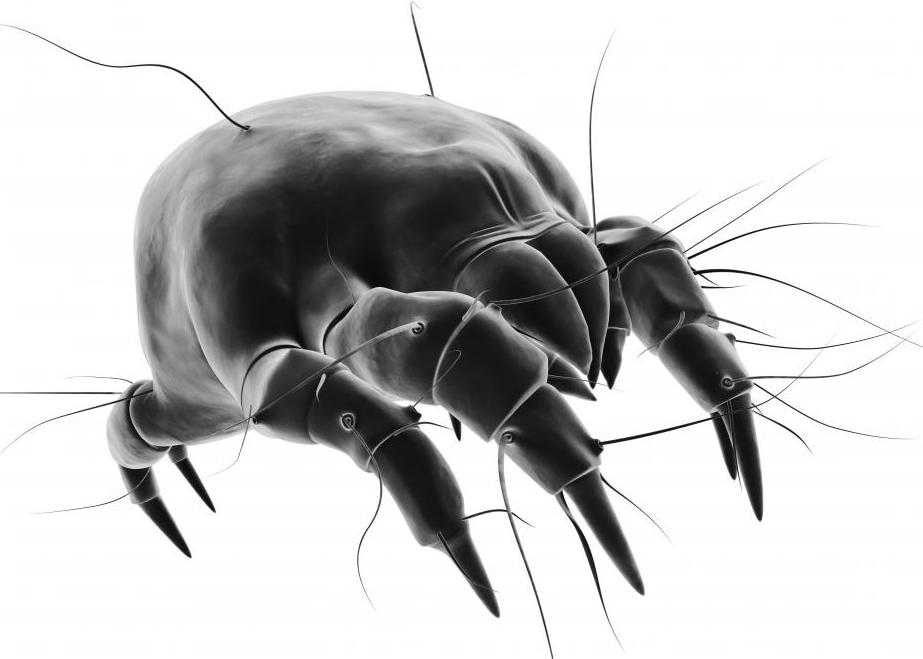
RED MITE MONSTER from Piterest

As with most parasites control programs there is no quick fix solution and it should more often than not be a long term management plan.

I do sell DA at $26 per 3 Kg – Free delivery in New Zealand (RD delivery is $5 extra)

Back Yard Farmer

Tel – +64 211 34 14 52

byf@backyardfarmer.co.nz

www.facebook.com/backyardfarmernz

http://www.backyardfarmer.co.nz

Dunedin – New Zealand