FORMAGGIO di CONTADINI – Italian Farmhouse Cheese

Traditional Peasant Cheese
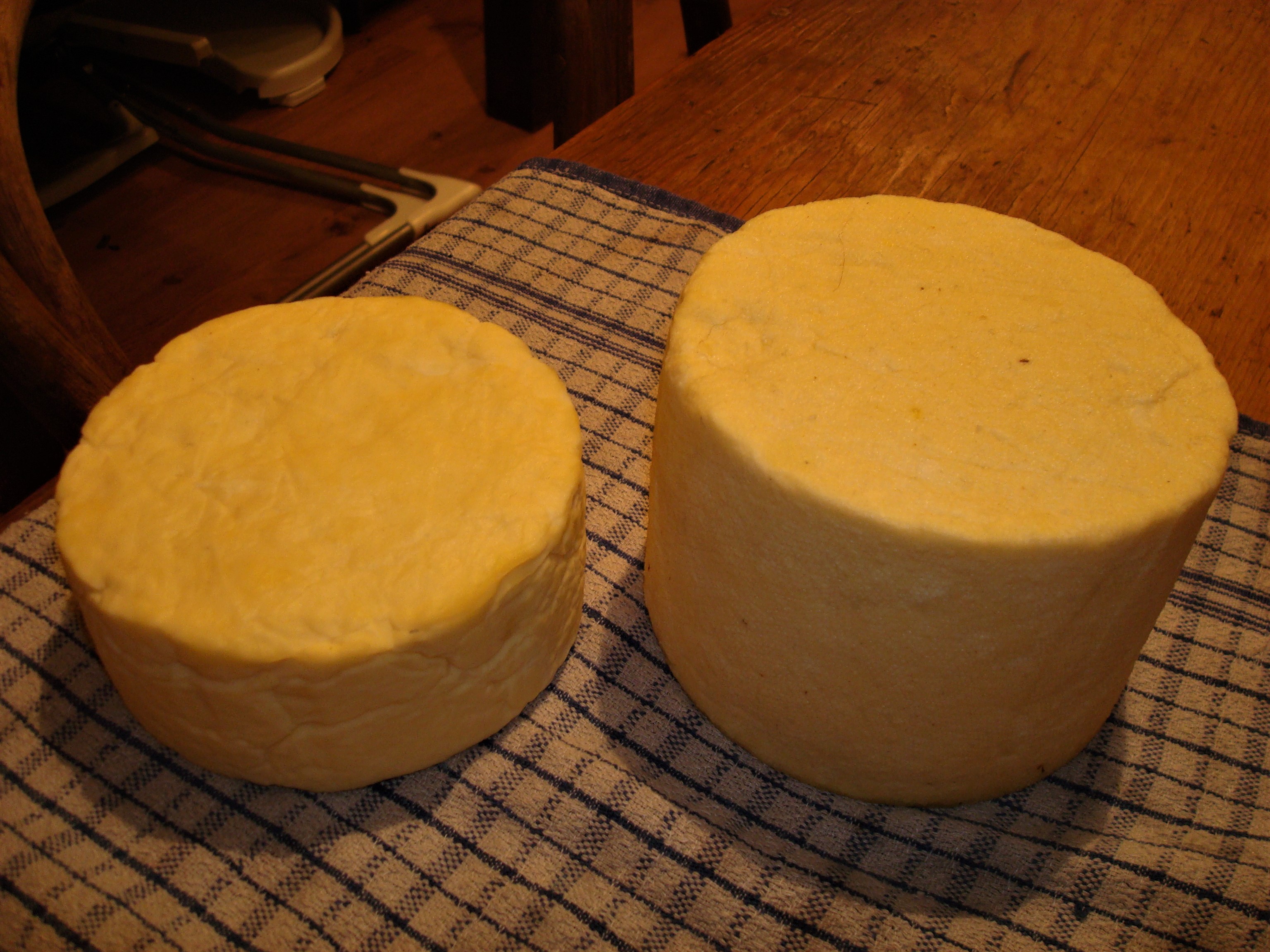
Formaggio di Contadini is a rustic farmhouse cheese inspired by traditional Italian country dairies. Made with rich Jersey milk, it develops a smooth, supple texture and a gently savoury flavour that improves with natural ageing.


Ingredients

  • Fresh Full-cream Jersey cow’s milk (Not pasteurised) – 6 Liters
  • Thermophilic starter culture – ¼ teaspoon
  • Goat lipase – 2 g
  • Liquid rennet (RENCO) – 7 ml
  • Non-iodised salt

Method

1. Warm and Culture the Milk

Gently heat the milk to 32 °C.
Sprinkle the starter culture over the surface, allow it to rehydrate for 2 minutes, then stir well

Cover and keep at 32 °C for 60 – 90 minutes to allow the milk to ripen and develop flavour


2. Add Lipase

Dissolve 2g goat lipase in a small amount of milk and let it stand for 10 – 15 minutes
Stir thoroughly into the milk


3. Add Rennet

Add 7 ml liquid rennet, stirring gently in an up-and-down motion for 1 minute.
Cover and hold at 32 °C for 45 – 60 minutes, or until a clean break is achieved


4. Cut the Curd

Cut the curd into 6 mm cubes

When cutting to 6mm, use a long knife or harp for uniform cubes. Stir very gently during cooking to avoid matting too early — this preserves moisture for a more supple final texture.


Allow the curds to rest for 5 minutes to release whey


5. Cook the Curds

Slowly heat the curds and whey in a double boiler from 32 °C to 38 °C over about 30 minutes, stirring gently to prevent the curds from sticking together

Once the target temperature is reached, cover and hold at 38 °C for a further 10 – 15 minutes


6. Drain the Curds

Pour the curds into a cheesecloth-lined colander.
Gather the cloth and hang to drain for 1 – 2 hours, keeping the curds warm and out of drafts.


7. Mould and Press
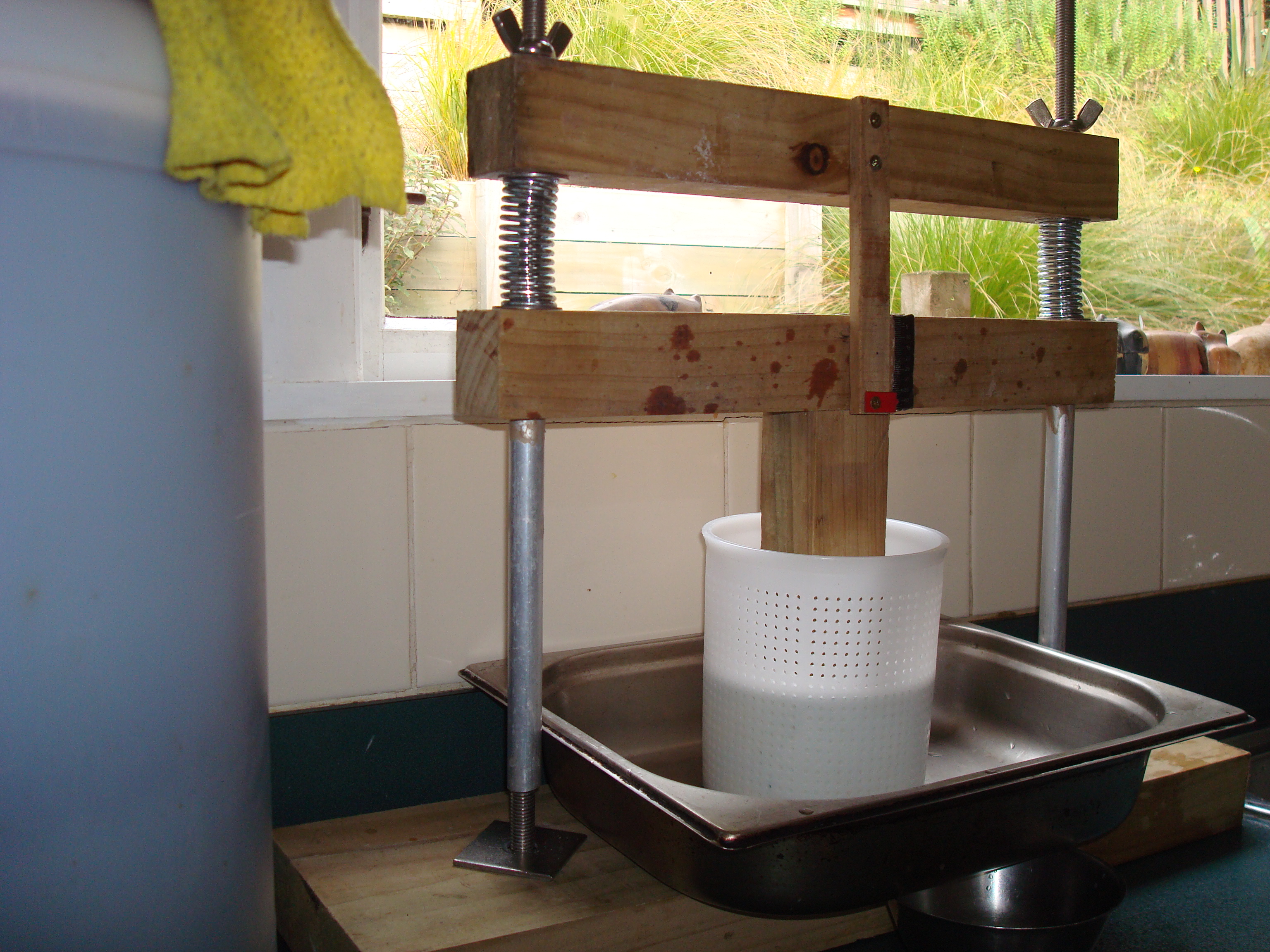
Pack the drained curds firmly into a cheesecloth-lined mould

Press in stages :

  • 5 kg pressure for 10 minutes
  • Remove, turn, rewrap, then press at 10 kg for 10 hours
  • Remove, turn again, rewrap, then press at 20 kg for 4 – 6 hours

8. Brining

Prepare an 18% brine (180 g salt per litre of water)

Submerge the cheese in the brine for 40 – 60 minutes per kilogram of cheese, turning halfway through. Ensure brine is chilled (10°C) and cheese is fully submerged

Remove and allow the surface to dry


9. Natural Rind Drying

Place the cheese on a wooden board at room temperature
Air-dry for 2–3 days, turning several times daily, until the rind feels dry and firm to the touch


10. Natural Ageing

Move the cheese to an ageing space at 10–12 °C with 85–90% humidity

  • Turn the cheese daily for the first week, then 2 – 3x weekly
  • If surface mould develops, wipe lightly with brine. Ensure brine is chilled (10°C) and cheese is fully submerged

Age for at least 4 weeks. Longer ageing will produce a deeper, more complex flavour. Try 8–12 weeks for noticeably deeper, nuttier, more “gently savory” flavor as proteins/lipids break down.

For a smoother rind, rub with olive oil after drying and once the rind is fully set (5–7 days), or brush with lard / herbs for traditional rustic look. If waxing, do so after 2–3 weeks when rind is set
STROMBOLI

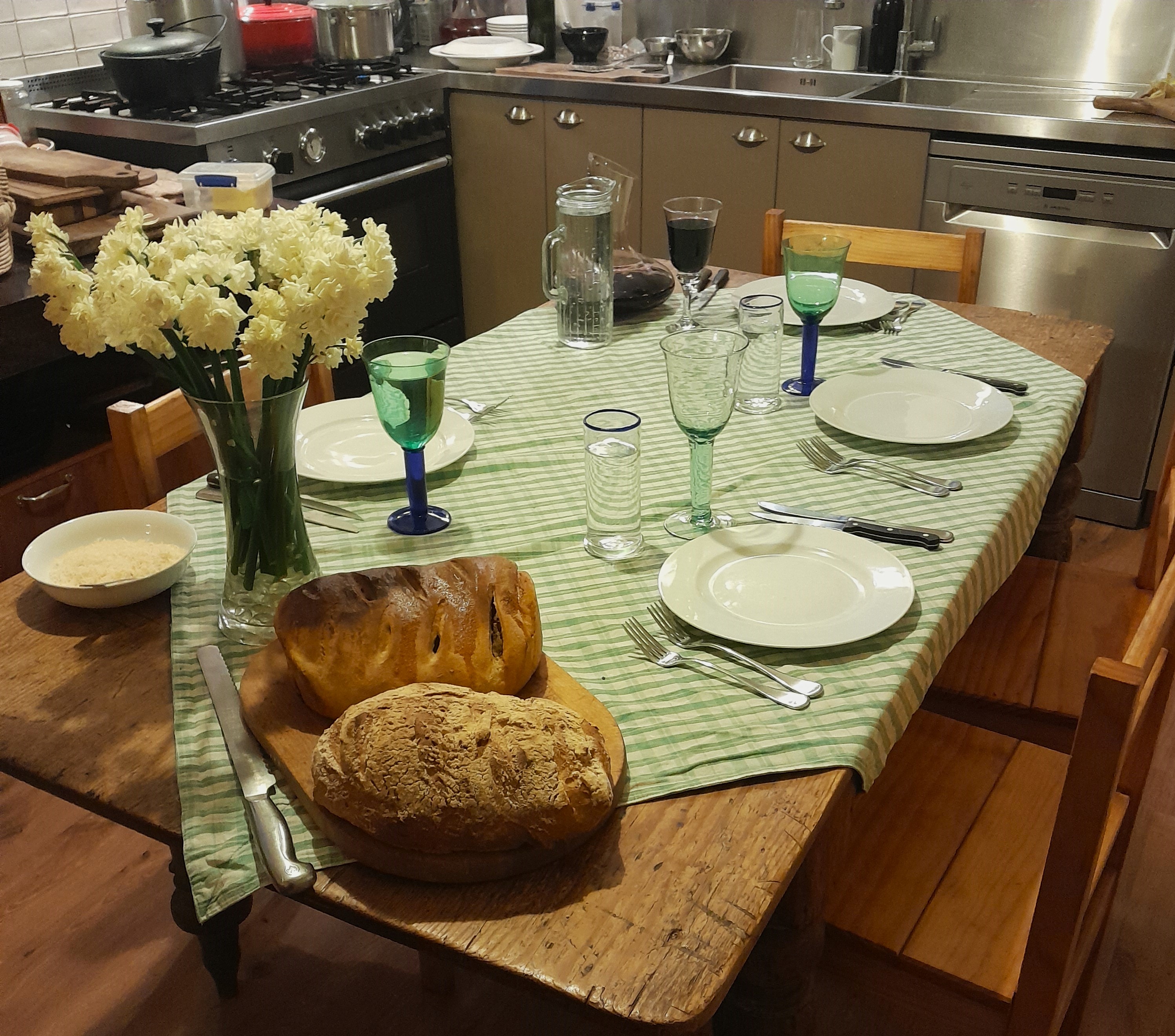
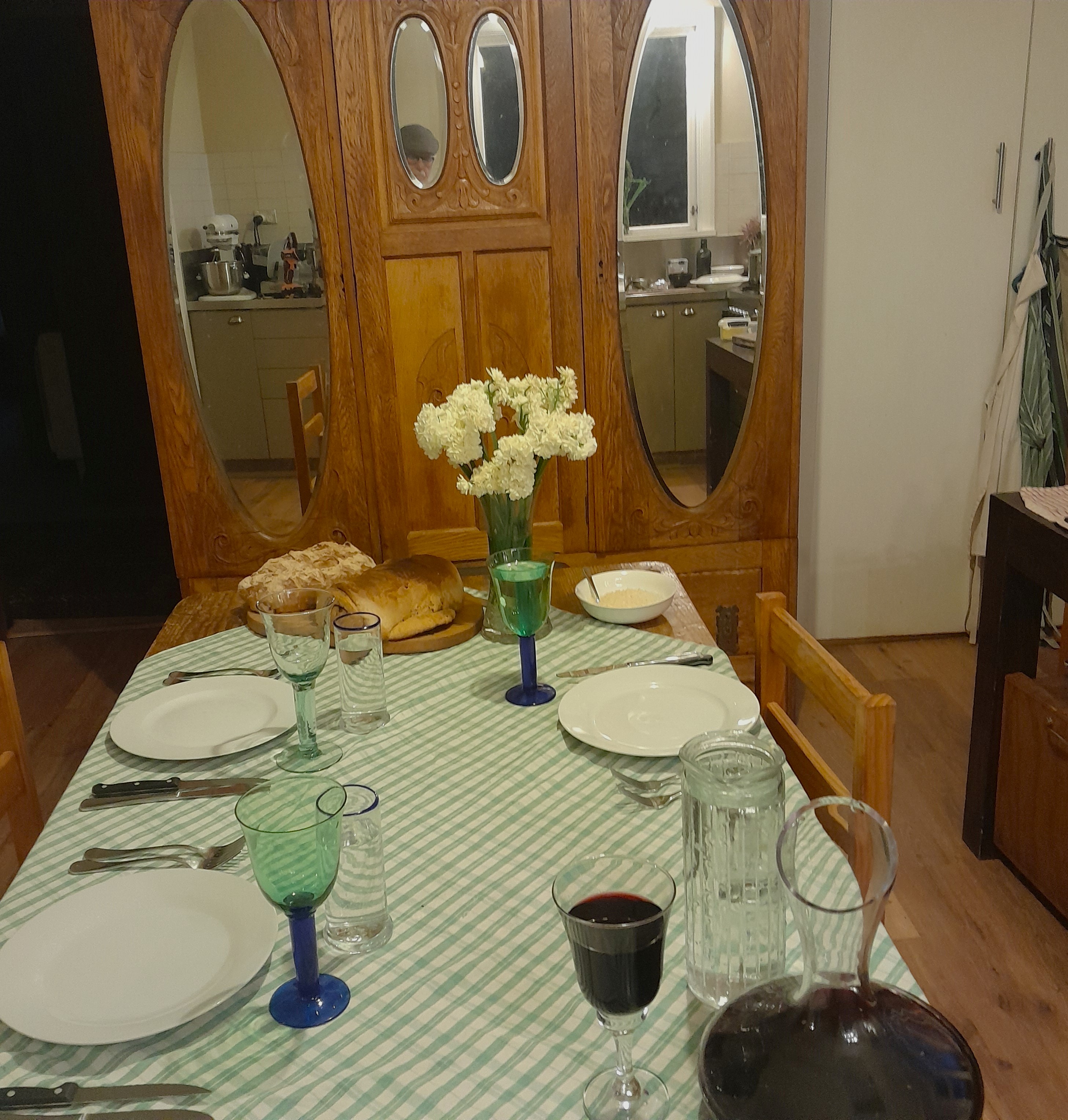
We expected 2 friends for dinner tonight and I decided to bake a STROMBOLI instead of the normal bread I always make

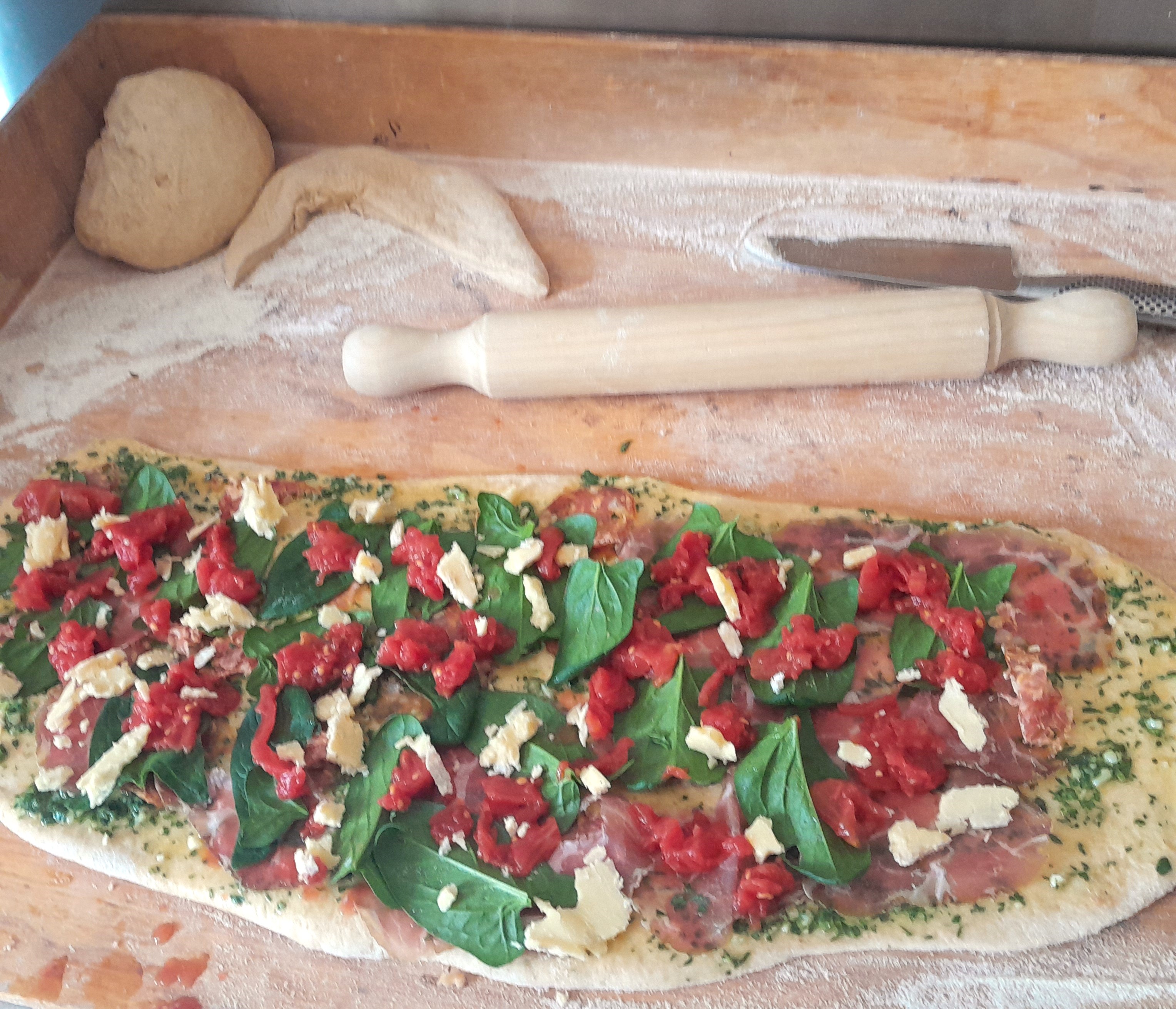
I used my standard bread dough recipe, using my own organic milled wheat flour and rolled it out about 0.5 cm thick. Dressed it with Fresh baby Spinach, Caciocavallo cheese, Tomatoes, Capocollo, Salami, Garlic, Parsley, Olive Oil, Salt and Pepper – Most of the Produce, Cheese and Salumi are my own produce

Roll it up thightly

Proof it in one of my spare egg incubators

Bake at 225 C for 30 minutes, turn the heat down to 190 C and bake for another 30 minutes

Ready for the guests

The end product was not only visually appealing, but met with the approval of all !!

POLPETTE DI RICOTTA

4 Eggs

80 g Sugar

Zest of 1 lemon

Juice of 1 lemon

Mix the above well together

200 g Flour

15 g Baking powder

Pinch of salt

Sift the above together

Mix the flour mixture and egg mixture well into a dough

500 g Ricotta

Fold the Ricotta into the dough until well mixed

Heat vegetable oil (about 70 mm deep) in a pot or pan until 180 C

Now use two table spoons to form the dough and drop into the hot oil and fry until well brown

Remove from oil and dry on absorbing paper and sprinkle with abundant icing sugar

ENJOY !!

Pesto di Ortiche – Stinging Nettle Pesto

I still love Basil Pesto but Stinging Nettle is available, free and interesting to use. Basil is hard to grow in Dunedin and costs a mint to buy. The same recipe can be used for Rocket, Carrot Tops or Basil Pesto.

170 g Stinging Nettle

40 g Roasted Pine Nuts

40 g Garlic Cloves

270 g Good Extra Virgin olive oil

3 g Salt

70 g Melted Butter

90 g Grated Parmigiano cheese (or any other hard Italian grating cheese)

40 g Pecorino Romano cheese (or similar sharp and tangy cheese)

Today I used my own home made cheeses and the end result was divine!

Put everything except the cheese and butter in a blender and blend well. Do not make it into slush – keep a fine texture. You may need more olive oil to complete the job

Now fold in the cheese and butter

Serve on fresh or toasted bread, dab on to meat, chicken, fish and vegetarian dishes, use as a dip for carrots and other fresh veg, salad dressing, and of course as a pasta sauce. 


Pizza Rustica – Italian Easter Pie

FBD53040-EA33-46F0-8646-98AD3314ACDD

It is Easter, so in the absence of grand children, chocolate eggs, dyed eggs and the like Mrs BYF made a Pizza Rustica. It cannot be called traditional I suppose, lacking mortadella and prosciutto. I did have some ricotta left as well as some soft cheese that happened and has no name, plus some mozzarella that would not stretch, so the cheese was sorted. I sliced some home made salami and guanciale and that sorted the meat. The pie turned out great – my Nona would have approved.

PIE CRUST

Whisk 10 g dry yeast and 10 g sugar in enough lukewarm water to dissolve the sugar and yeast. Leave until the mixture is foaming

500 g flour

150 g butter softened

2 eggs  lightly whisked

10 g salt

Mix all the ingredients including the yeast together. You should have a stiff dough like a pasta dough after kneading it a bit. Let the dough stand in a warm spot until the yeast is activated. Roll the dough out thinly and line a spring form cake tin

Set oven on 190C

FILLING

3 eggs, lightly whisked

500 g of cheese and ricotta combined

100 g guanciale very thinly sliced

100 g salami very thinly sliced

Pepper to taste

Combine all the ingredients well

Line spring form pan with 3/4 of the pastry dough

Pour the filling into the pan. Roll out enough pastry to make a lid for the pie. Prick within a fork

Bake for 35 minutes

ENJOY and do not forget to wash it all down with a glass of good homemade red wine