Cardoon – beautiful thistle with attitude

2014-02-03 11.33.562014-03-18 11.19.552014-03-18 13.03.202014-03-18 13.02.19

Pic 1: cardoon growing , Pic 2 harvested and lying on my kitchen table, Pic 3 Leaves and flowers removed and getting the woody strings off (put the stems in water with lemons squeezed in), Pic 4 boiling the cardoons with lemons

I harvested my first cardoon a few weeks ago my second cardoon yesterday.  The first one was made in to a successful dish, but the second was a disaster, fairly bitter and very stringy even though I spent the better part of the morning peeling the stalks and boiling them. Boiling for an hour tenderises the stalks and draws out the bitterness, but in this case it was not quite successful. As you can see from the pictures, a lot of work goes into preparing the cardoon before one can make up the dish for the table. I covered the boiled and cleaned cardoon in bechamel and sprinkled cheese and bread crumbles over the top then baked it in the oven until bubbly and crispy on top.  The taste was OK and the sauce and topping terrific but no one was very impressed and No second helpings! Someone wrote that one can only expect a good harvest after the 3rd year, saying that their cardoon grows to 2 meters high. Mine were planted this year and were about 1 and n half meter high when I cut them down. The first plant has regrown. We did boil the small buds like we do with artichokes and ate the soft parts of the leaves and the hearts and that was very nice.

I have to think about this vegetable and research it more – I am determined to make a successful dish when I harvest the third plant. Advice anyone ?
Stock

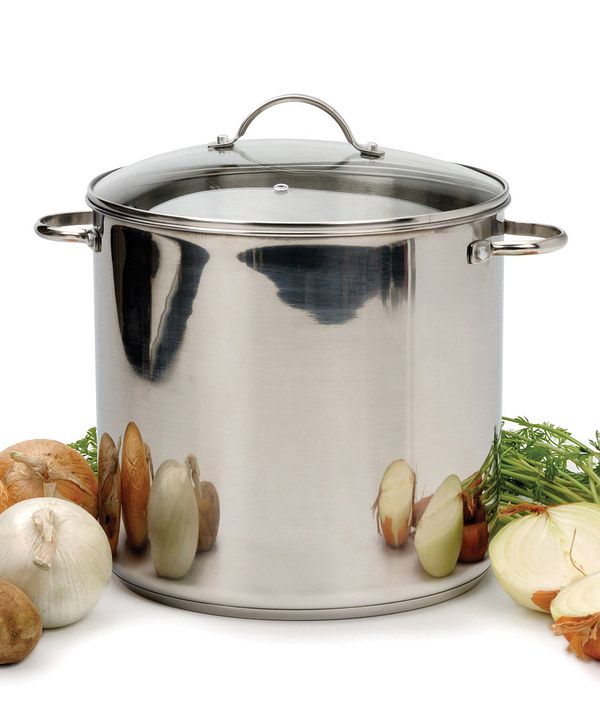
2014-0318 - Stock Pot

Good stock is the one ingredient a kitchen should never be without.

INGREDIENTS

Chicken bones or (quail back bone, neck, wing tips and excessive skin) – About half a Kg in total or more if you want to make a stronger stock.

2 onions (No need to skin) – Washed and roughly cut up. Could be replaced with Leeks

2 large carrots leaves and all) – Washed and roughly cut up

half a bunch of Celery (Leaves and all) – Washed and roughly cut up. You could add celeriac leaves if you have any

salt lightly to taste

8 Liters of water

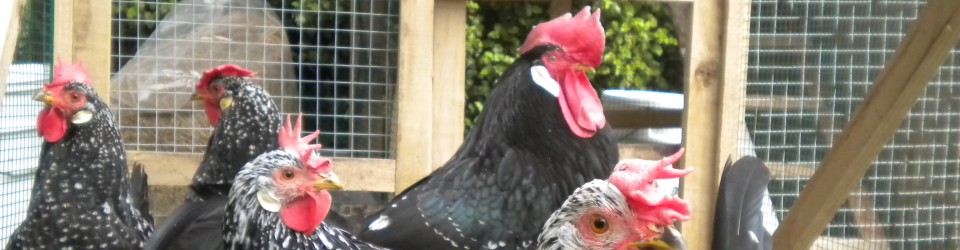
I often buy chicken frames from the supermarket (sorry, but sometimes I have to go there) or use the back bones and necks of the quails, when I slaughter, which are both good for stock even though different. Quails make a much stronger stock than chicken. You can also do a fish stock, by replacing the meat with fish heads and frames. I keep the stocks separate so I have different flavours for different dishes.  Put all the ingredients, including the water (cold) into a meat stock pot and boil over a low heat for at least two hours, but preferably more. Let the liquid reduced by about one third and keep topping it up with more cold water to keep it at this level. Stir every so often to prevent it from burning and sticking to the bottom.

Strain the liquid from the solids using a colander and return the liquid to the stock pot and heat until boiling again. Immediately pour into clean containers and seal immediately (I use 2 liter plastic buckets). Should the lids fit properly, the reduction in product temperature will form a very effective vacuum seal. If you have maintained a high level of cleanliness and your containers were  clean, the stock will remain good for months in the pantry, even though I normally keep mine in the fridge. Once opened it should be kept in the fridge and used within a couple of days. The vegetables  are good to feed to your Chickens and Quails.

With home made stock, soups are delicious and easy, pasta sauces and stews shine and you cannot make risotto without it. Braising meat and keeping it moist with the correct stock also ad complexity and additional flovour.

Calabrian Stewed and Roasted Hare – Liepru all’Antica

2014-03-04 - Stewed Rabbit

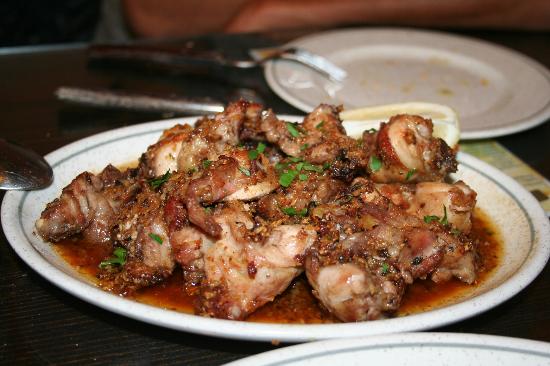
Rabbit is another of my favorites and fortunately readily available if not farmed yourself, and though Artusi mentions a well-to-do person’s being put off by the latter, they have always been popular out in the country because they’re easy to catch or raise. This recipe for stewed and roasted hare is Calabrian, but works equally well for rabbit, chicken or even quail

1 hare, chopped

2 Sweet Red onions, sliced

3 bay leaves

4 sprigs mint

Marjoram to taste

Thyme to taste

Flour

Slices of toasted bread

1/4 cup olive oil or rendered lard

A bottle of Ciró Rosso or any other good red wine

Salt

Marinate the hare in the wine with the onions and the herbs for two days, turning the meat occasionally.

Pat the meat dry, flour it, and brown it in the fat, using an oven-proof pot. Once the pieces are all browned stir in the marinade, bring to a simmer (you may want to heat the marinade separately while the meat is browning), and transfer the hare to a preheated 350 F (175 C) oven. Roast until done, spooning the liquid over the meat occasionally to keep it moist.

When the meat is done remove it to a platter and keep it warm – strain the liquid and reduce it over medium heat until it is quite thick. Spread it over the toasted bread, and serve it with the meat.

A wine? Another bottle or two of Ciró Rosso.

Fried Artichokes

2014-03-10 13.03.33

I got two more small artichokes from the plants I planted in heavy clay soil a few months ago. I have great expectations for good harvests next year. Because the artichokes were small and tender I decided to fry them. The last harvest I fried in  a batter of only flour and water, as is traditionally used in Italy when frying vegetables, but today I dipped the boiled artichoke in egg and covered it in crumbs. I love fried artichoke, frying brings out a flavour so delicious and that lingers in the mouth, making one wonder if one should destroy it by taking another sip of wine. ( Now that is some flavour)

Fried Artichoke

2 young, fresh artichokes with as much stem left on as possible. Do not cut the stems off as everything is edible.

1 egg, whisked

1/2 cup unflavoured dried breadcrumbs (Home made)

olive oil or vegetable oil

salt and pepper to taste

Boil the artichokes in salted water until just tender – about 10 minutes should do it.  Cut the artichokes in half and dip the pieces in the beaten egg. Add salt and pepper to the crumbs and  liberally cover the pieces in crumbs. Use a smallish saucepan that fits all the pieces and pour in the oil up to about 1 cm deep, when the oil is hot, slip the artichoke pieces in and cook until golden on all sides .

Serve immediately with a slice of lemon if you have any – I had mine without anything .

Zucchini, Garlic, Tomato and Onion

2014-03-10 12.52.12


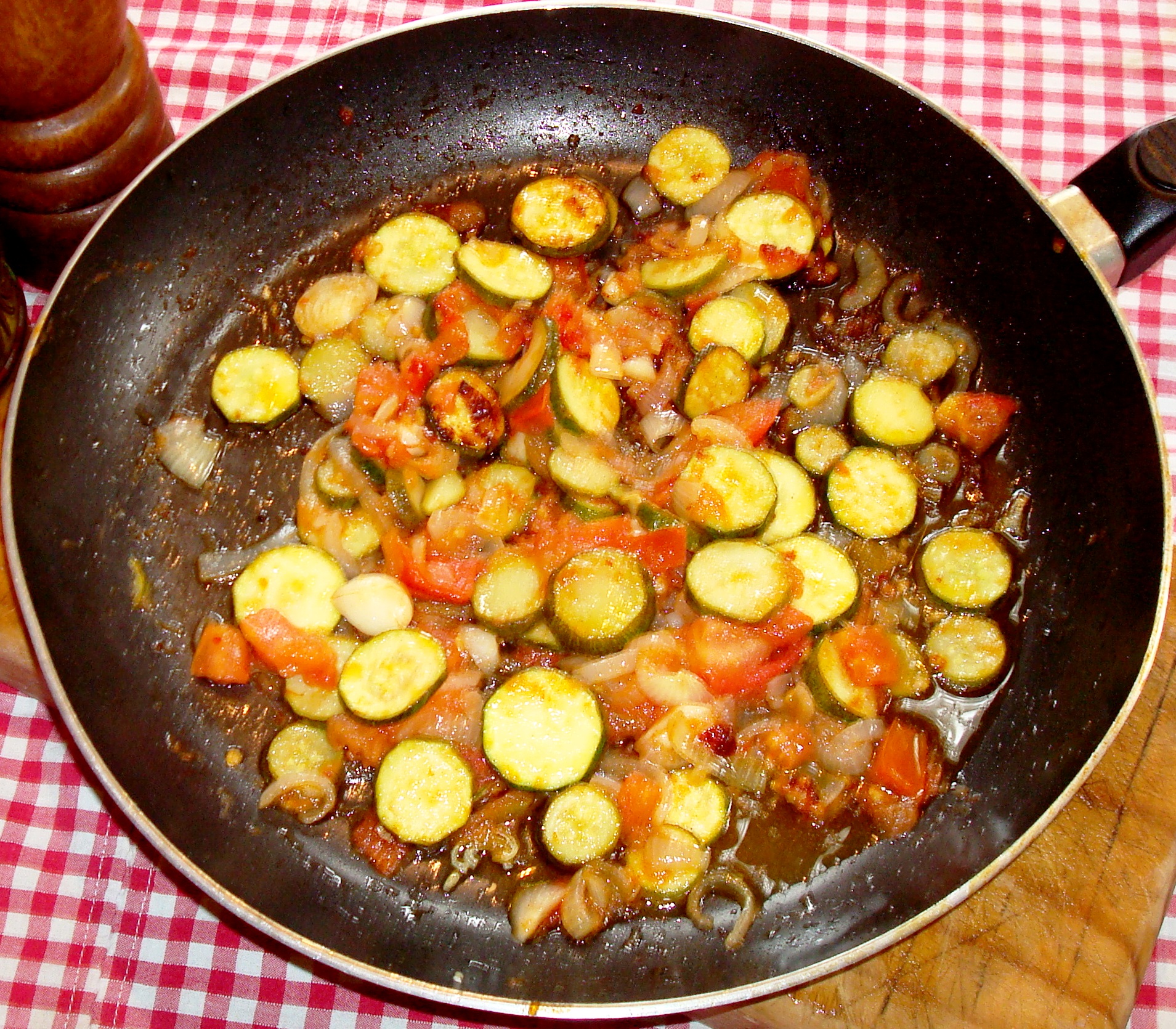
The zucchini are growing fast and we have had quite a few this week. I like them small, about 10 cm long for this dish which can be a side, main meal with fresh bread, or a great vegetarian pasta sauce.

Zucchini, Garlic, Tomato and Onion 

4 small zucchini

1 large onion

1 large fresh tomato

3 cloves of garlic

4 tablespoons of olive oil

Salt and Pepepr

Use a pan that can hold all the ingredients and heat the olive oil. Gently fry the onion until soft but not coloured. Add the garlic, zucchini and onion. Add salt and pepper to taste. Cook over gentle heat until the oil separates from the rest of the sauce. This is one of the first dishes I recall from my childhood, with all the ingredients harvested from the garden.