UPSIDE DOWN BANANA BOXES

INSIDE TE HATCHERY

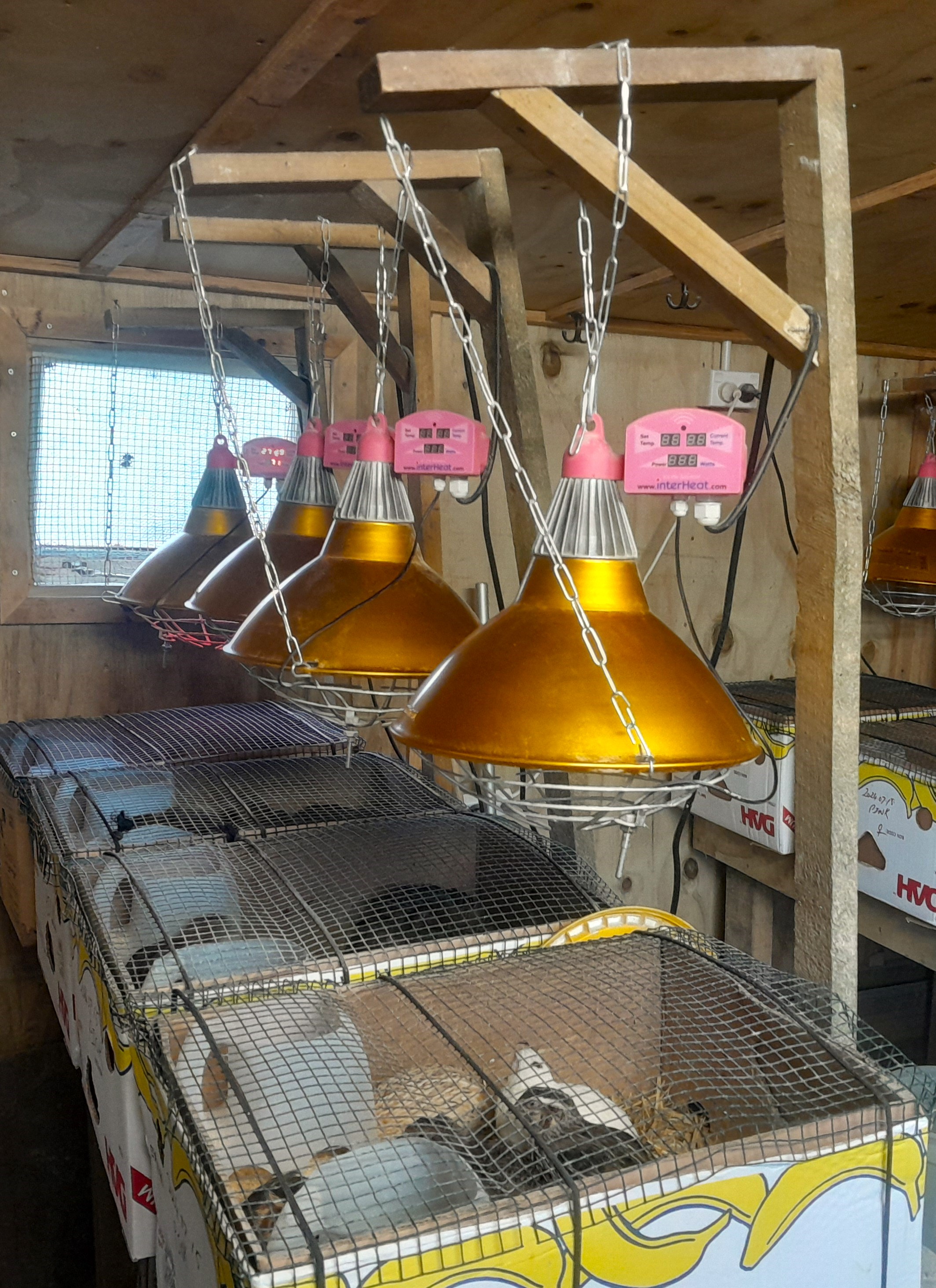
For many years I used plastic brooders to grow my small quails in and it worked very well. The problem came having to clean these all the time and since I replace about 10 of these in my hatchery every week, it became a very laborious and unpleasant task. A water blaster was the only way to clean them properly which created a lot of effluent as well. Alternatives were investigated and I settled on Banana Boxes. The advantage is that there is no cleaning as I just replace the used box with a new and clean one. The downside was that I had 10 manure and bedding “soiled” banana boxes every week. I solved this by flattening the boxes and turn them upside down in my garden with the manure and bedding underneath and the box on top. This makes a wonderful source of nutrients fertilising the soil and also an excellent weed mat.


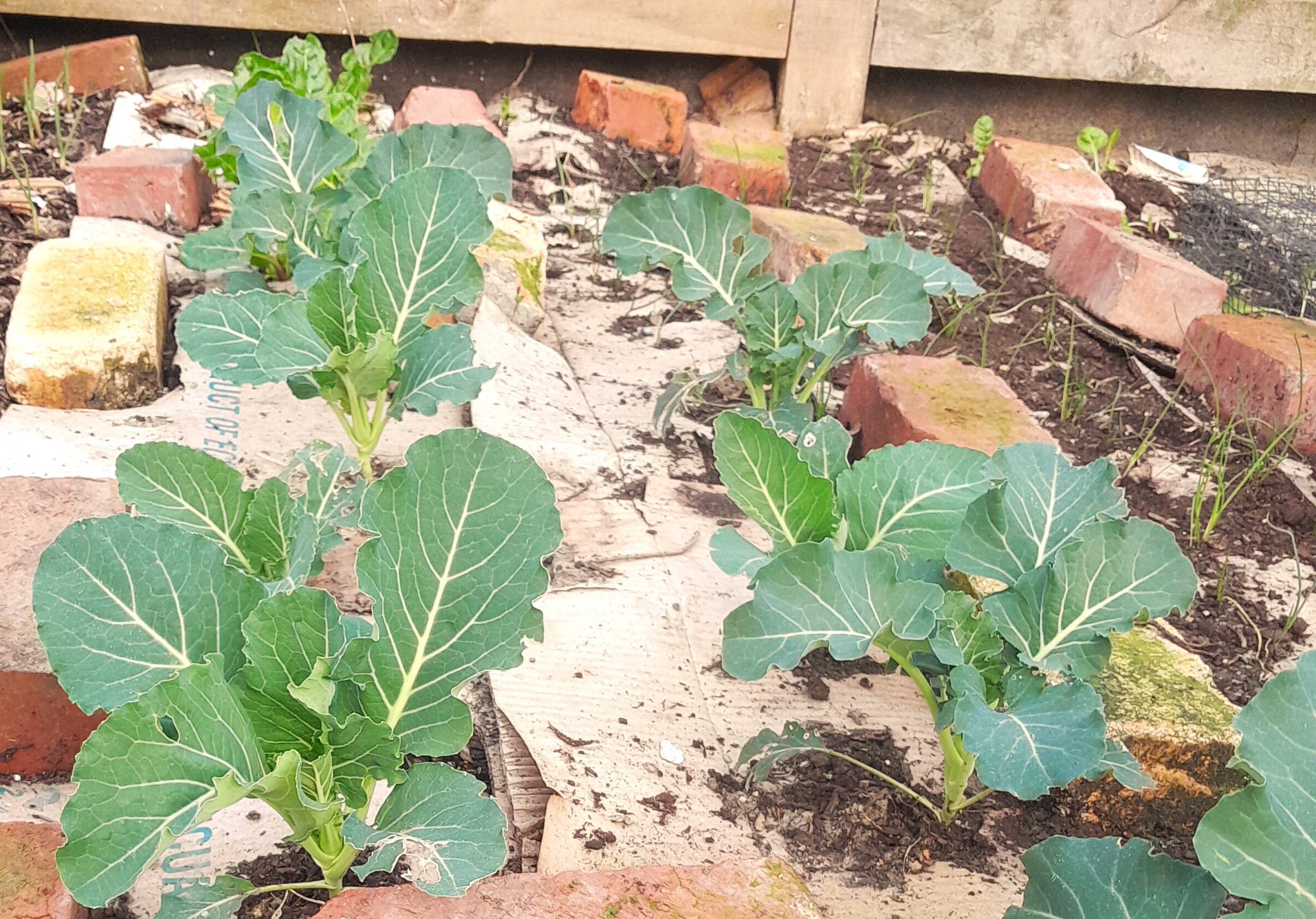
The results are excellent from a plant growth point of view and I have also not seen that many earthworms in all my live. I normally leave the boxes, well watered, for a couple of months before drilling a 40 mm hole about 200 mm deep through the box into the ground, fill it with good quality soil and plant the new plants or seeds it the hole. One needs to pack the boxes down in the beginning (I use old bricks) until the plants are stronger, otherwise the boxes move too much and the hole is not over the seed any more, or the small plants get damaged. After about 1 month the boxes have disintegrated and the bricks can be removed. The plants are now strong enough, weed free and well fertilised.

Ready to plant an Artichoke Forrest

One of the many Tomato beds ready for planting
Brassicas are very happy
Garlic is going very well
Boxes are well disintegrated after 6 weeks

FEED YOUR QUAILS PROPER AND CORRECTLY !!

I have recently decided to publish one of the many feeding comparisons / trials I do from time to time, which I think will assist the many people asking common questions about what to feed quails, and more specifically Coturnix coturnix Quails

TRIAL

I divided 66 day old Quails, all hatched from the same parent groups and hatching batch, into 6 groups of 11 each. Subjected them to 3 different treatments of two groups per treatment

TREATMENT 1 – Fed this group the standard Back Yard Farmer regime of 28 % Protein Quail Starter Mash from day 1 – day 21 of age, then switch to 26 % Protein Quail Growers Mash

TREATMENT 2 – Fed this group NXX Meatbird Crumble as per manufacturers recommendation

TREATMENT 3 – Fed this group WX Game Bird Crumble as per manufacturers recommendation

I am now quoting some of the results obtained up to 42 days of age. The intention was to follow this through to full egg production at 12 weeks of age, but for the benefit of the birds, I decided to terminate the trial at 42 days of age.

TREATMENT 1TREATMENT 2TREATMENT 3
Body mass at 16 days – g1057273
Body Mass at 24 days – g168122111
Body Mass at 31 days – g198142130
Body Mass at 42 days – g260212201
Mortality at 42 days – %0.00%13.60%22.70%

With the above results taken into consideration, I decided to terminate the trial for the benefit of the birds in some of the groups.

I have collected many more data from these trials and subjected the results to proper statistical analyses, but I think it superfluous to report

DAILY BREAD

This image has an empty alt attribute; its file name is 2023-09-27-home-bread.jpg

The recipe that my family likes most is a combination of organic Wholemeal Wheat Flour and ordinary White Sifted Wheat Flour. Even though I mill both these products, I only sell the Organic Wholemeal Wheat Flour as the white sifted is too slow and laborious to make for selling and there are many good nutritious and healthy recipes for 100 % Wholemeal Wheat Flour 

350 g Wholemeal Wheat Flour

350 g White Sifted Wheat Flour

Mix well

or

What I use for every day bread

100 g Coarse Semolina

300 g Wholmeal Wheat Flour

300 g White Sifted Flour

Mix well

Take 450 g Luke Warm water and dissolve 25 g SUREBAKE Yeast and 20 g honey or molasses or sugar in it – mix well with a fork. Let it proof in a warm place for about 10 minutes

Mix about 25% of the flour mix into the water and yeast mixture and mix well with a fork. Let it proof in a warm place until double in size – about 90 minute depending on temperature

Now mix all the flour into the water and yeast mixture and start kneading – either by hand or machine, whichever you prefer. While kneading add 10 g salt and 50 ml olive oil. Knead VERY WELL until very elastic – add more flour or water to get the consistency just right (silky soft and shiny), even though in most cases it should not be required. If mixing by machine, knead for about 7 – 8 minutes. If kneading by hand it will take longer depending on your ability

Oil two standard size bread pans and put the kneaded dough into the pans, score the dough with a sharp knife and sprinkle with flour or brush with water or brush with egg

Let it proof until 3 times the size – about 2 -3 hours depending on the temperature

Bake in oven at 225 C for 20 minutes, turn the pans and bake at 190 C for 20 minutes, turn the pans and bake at 190 C (bottom element only this time) for another 10 minutes (adjust the times that suit your specific oven)

ENJOY !!!!

Coturnix coturnix QUAILS ARE NOT MINIATURE PHEASANTS

Today I was called by an acquaintance who also “breeds quails” and was informed that he has lost over 150 quails this season dying mysteriously from whatever. My first question, as a animal nutritionist, was what he feeds the birds. I was appalled to hear that he gives them a commercial “Game and Quail Crumble” (A name invented by the reseller as the manufacturers does not even call it that) and supplements it with kibbled corn, peas and some “other seeds” and every so often they get some dog roll. This manufacturer also claims their product to be good for all stages of game birds, which is IMPOSSIBLE.

The mistake that many people make is to think that quails are just small pheasants. The feed companies that manufacture pheasant feeds, because there is a reasonable industry breeding and rearing pheasants for the hunting industry, want to jump onto the wagon and claim their feed is also good for quails as well, which is just not true. New Zealand is one of the few, if not only, developed countries in the world that does not have any animal feed regulations and / or legislation relating to feed analyses. This means the manufacturers can mix anything and claim anything and do not have to disclose any content nor analyses. It Is therefore difficult for anybody to comment on any feed, as very little is disclosed and no regulatory body oversee this industry

A quail hen of 220 g average body mass can lay up to 300 eggs of 11 g average (5 % of body mass), in a season. A total egg mass of 3,300 g, or 15 times the quail’s body mass

A pheasant hen of 1,300 g average can lay up to 80 eggs of 32 g average (2.4 % of body mass), in a season. A total egg mass of 2,560 g or 1.97 times the pheasant’s body mass

Quails are 760% more efficient egg producers than pheasants and they recommend feeding them the same?

So are there many other physiological and production differences between these two species of animals

I am an experienced and well qualified animal nutritionist who has been involved at all levels of animal nutrition in many countries of the world, and seldom, if ever, have I heard such misrepresentation of any animal feed.

If you want your QUAILS to be healthy, happy and efficient producers, feed them a series of well formulated QUAIL FEEDS that is specifically manufactured for every different stage of life and production

ITALIAN STAPLE DIET

SIMPLE NO KNEAD BREAD RECIPE

0B284FAD-FE09-4763-86E5-D5F1986ECA80.jpeg

It gives me great pleasure to bake different types of breads every few days. The one I am describing here is a low input, high success, bread that I “developed” when my Kitchen Aide broke down and I had to do ALL the kneading by hand

300 g Luke warm Water

24 g Dry Yeast (I use SUREBAKE)

1 Teaspoon of Honey

Wisk well

Cover and let it proof for 5 – 10 minutes until the yeast has formed some foam on the top

100 g Whole Wheat Bread Flour (Home milled) and mix with a spatula

Cover and let it proof for 1 hour

300 g Flour (Use either more Whole Wheat Flour or a combination of whole and refined Wheat Flour to suit your taste

2 level Teaspoons of Salt

3 Tablespoons of Extra Virgin Olive Oil

Mix very well with Spatula

Cover and let it proof for 1 hour

Mix well with Spatula, or hands, and form the bread, use extra flour to keep it from sticking to your hands and place it in pre oiled bread pans. Dust the bread with more flour, or paint with egg or water, whatever you prefer

Cover and let it proof for 1 hour

Preheat the oven to 250C and place the bread in oven. Bake for 20 minutes

Turn the heat down to 190C and bake for another 10 minutes or until it suits your preference

ENJOY !!!