RISOTTO alla BARBABIETOLA (Beetroot Risotto)

Winter in Dunedin means that the garden is not very productive and we need to eat what is available. Beetroot seems to ignore the cold and the plants were producing throughout winter – fortunately I planted enough. The problem of too little vegetable varieties becomes more intense as one runs out of ideas as to how the beetroot is going to be cooked today. I harvested some more beetroot and asked Mrs BYF to do something else with it this time and she came up with this wonderful Beetroot Risotto – I am now sorry I did not plant more.

Ingredients

4 small or 2 large Beetroot (about 500g) washed but not trimmed 

1 whole Garlic

4 Scallions (because we have lots in the garden) finely chopped, including the tender parts of the green leaves. 

1 1/2 cups of risotto rice like Arborio or Carnaroli

500ml of Stock. Any good stock will do of which we again have ample supplies of. 

Olive oil for frying 

1 tablespoon of Butter to add at the end. 

Salt and Pepper to taste. 

Grated Parmigiano reggiano to serve. 

Pre heat the oven to 200C. Brush the beetroot and the garlic with olive oil and roast until cooked, about 40 minutes. Don’t leave them too long, they get dry and wrinkly.

When the beetroot and garlic are done and have cooled enough to handle, trim and chop the beetroot ( I never remove the skin) if you chop finely enough you don’t have to blend anything. Squeeze the garlic over the  beetroot and set aside. 

Heat the stock to just below boiling point

Add a few tablespoons of olive oil to a pan, big enough to contain the cooked rice, scallions and beetroot add the chopped scallions and fry until translucent. Add the rice and fry for a few minutes. Add half a glass of good white wine and allow the alcohol to evaporate. Start adding the stock a few tablespoons at a time, don’t make a soup. Keep stirring while adding stock. Each grain of rice should have a coating of moisture and float separately from the others. Keep this up until the rice is almost done, then add the garlic and beetroot mix to the rice. Cook and stir until the rice is tender enough to taste.  Adjust salt and pepper. Add the butter and stir very well before serving hot onto heated plates

Top with Parmigiano reggiano and some chopped parsley

ENJOY with a glass of GOOD home made red wine !!
UPSIDE DOWN BANANA BOXES

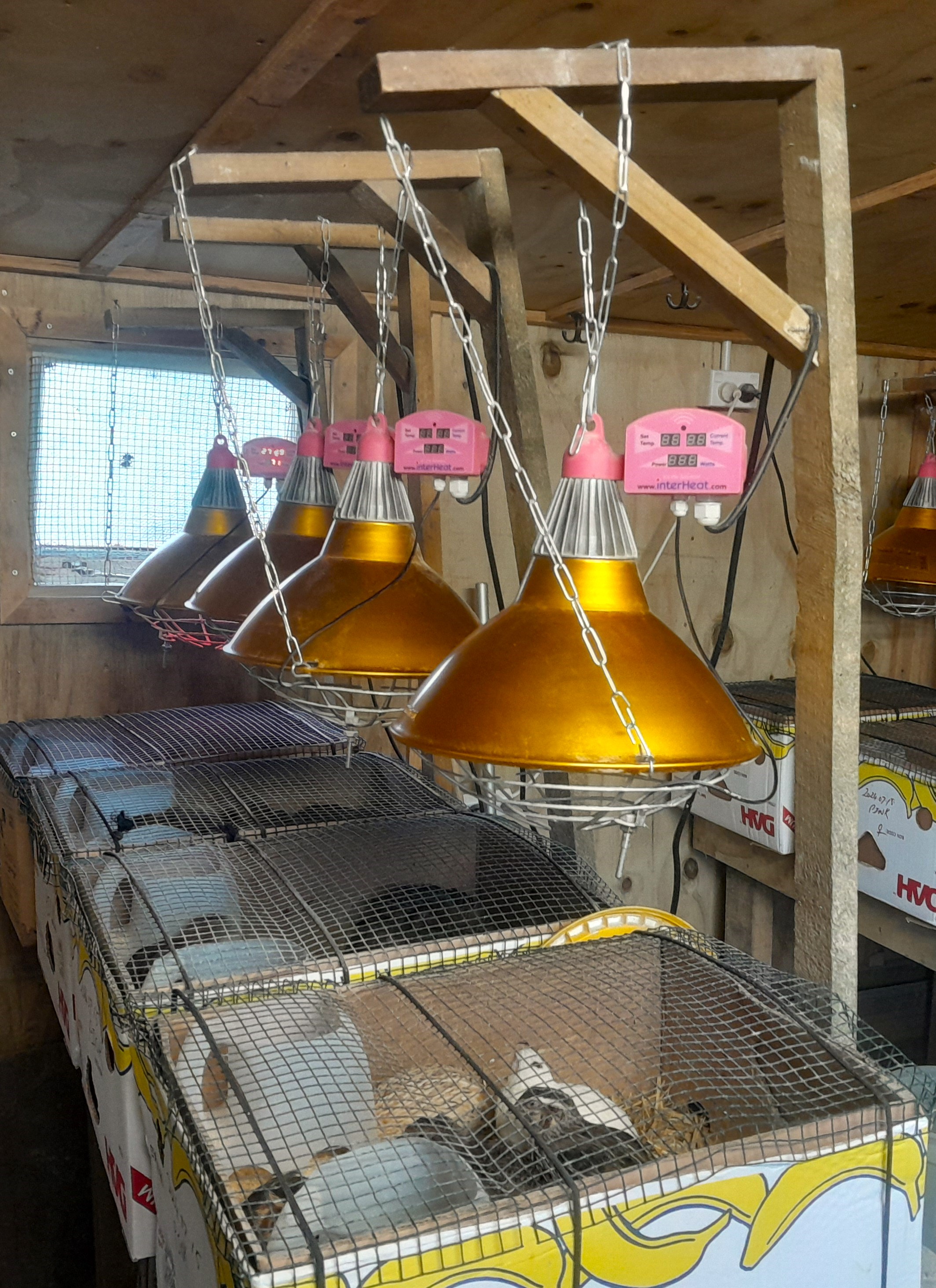
INSIDE TE HATCHERY

For many years I used plastic brooders to grow my small quails in and it worked very well. The problem came having to clean these all the time and since I replace about 10 of these in my hatchery every week, it became a very laborious and unpleasant task. A water blaster was the only way to clean them properly which created a lot of effluent as well. Alternatives were investigated and I settled on Banana Boxes. The advantage is that there is no cleaning as I just replace the used box with a new and clean one. The downside was that I had 10 manure and bedding “soiled” banana boxes every week. I solved this by flattening the boxes and turn them upside down in my garden with the manure and bedding underneath and the box on top. This makes a wonderful source of nutrients fertilising the soil and also an excellent weed mat.


The results are excellent from a plant growth point of view and I have also not seen that many earthworms in all my live. I normally leave the boxes, well watered, for a couple of months before drilling a 40 mm hole about 200 mm deep through the box into the ground, fill it with good quality soil and plant the new plants or seeds it the hole. One needs to pack the boxes down in the beginning (I use old bricks) until the plants are stronger, otherwise the boxes move too much and the hole is not over the seed any more, or the small plants get damaged. After about 1 month the boxes have disintegrated and the bricks can be removed. The plants are now strong enough, weed free and well fertilised.

Ready to plant an Artichoke Forrest

One of the many Tomato beds ready for planting
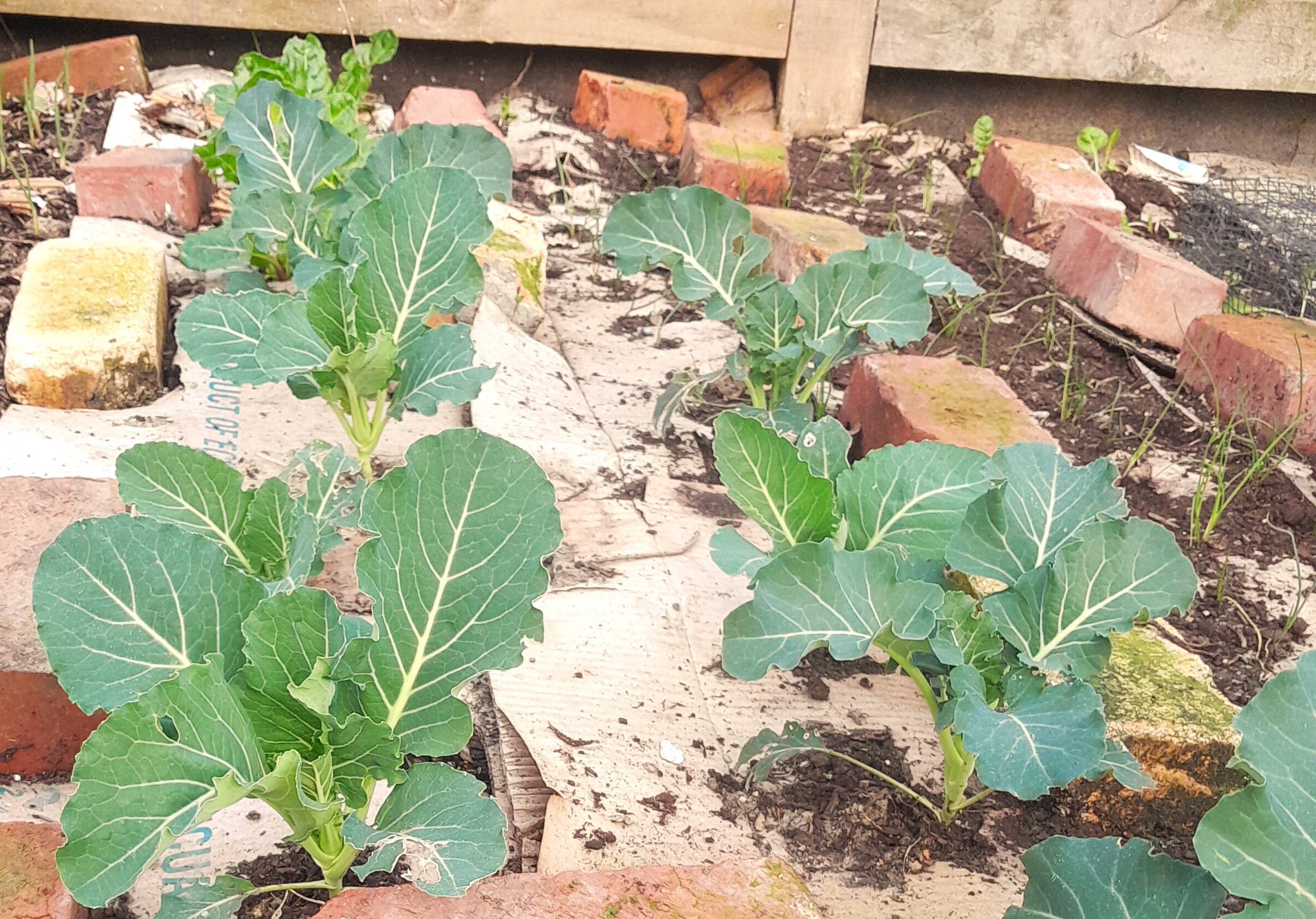
Brassicas are very happy
Garlic is going very well
Boxes are well disintegrated after 6 weeks

Frittata di Uova di quaglia, Cardi e Asparagi

Quail Egg Frittata with Cardoon and Asparagus

Clean and dice a handful of the cardoon and boil in salted water for about 5 minutes. Dice a handful of Pancetta and fry in a pan large enough for all the ingredients. Ad the Cardoon to the pan and fry with the Pancetta for about 5 minutes. Ad pepper to taste (salt is already in the Pancetta)

Crack about 30 Quail Eggs and ad a handful of grated Parmigiano Reggiano, two tablespoons of water and ground Black Pepper. Beat the eggs slightly with a fork and ad to the Pancetta and Cardoon. Fry slowly until almost set. Now place the pan in the oven with the grill turned to high.

Cut the tips of the Asparagus and fry in another pan with butter and Black Pepper for about 2 -3 minutes.

When the Frittata has set in the oven, decorate with the fried Asparagus and return to the oven until brown. Remove and drizzle with Extra Virgin Olive Oil, Black Pepper and fresh Basil leaves

Eat with toasted Wholemeal Organic Bread and wash it down with a good wine – Today I tried my Honey Wine, which I make to be dry and it was all GOOD!!

Pasta Finocchi e Acciughe (Pasta with Fennel and Anchovies)

Today the garden delivered a handful of parsley, a small fennel and a few spring onions, enough produce to inspire Mrs BYF to make lunch

Ingredients

1 small fennel or half of a big one thinly sliced

5 spring onions sliced, using the green leaves as well if  they are young

Pinch of flaked chilli

6 anchovies – chopped

2 cloves of garlic – crushed

100g toasted breadcrumbs 

50g chopped parsley 

6 tablespoons olive oil 

Boil the pasta water and add salt and pasta while making the sauce

Heat the oil in a large pan, big enough to contain the pasta and sauce. Cast iron is good for retaining the heat. Fry the onions until soft but not coloured, add the garlic. Add the sliced fennel and braise until slightly cooked, retaining some crunchy ness. Add the anchovy. When the pasta is cooked, sprinkle the chilli and parsley over the sauce, season with salt and pepper then add a few tablespoons of pasta water and stir.  Drain and tip the pasta in to the pan with the sauce and mix well. Sprinkle the breadcrumbs over the pasta. Stir to combine, serve with a generous helping of Parmigiano cheese.

ENJOY !

Do not forget to compliment it with some homemade red wine

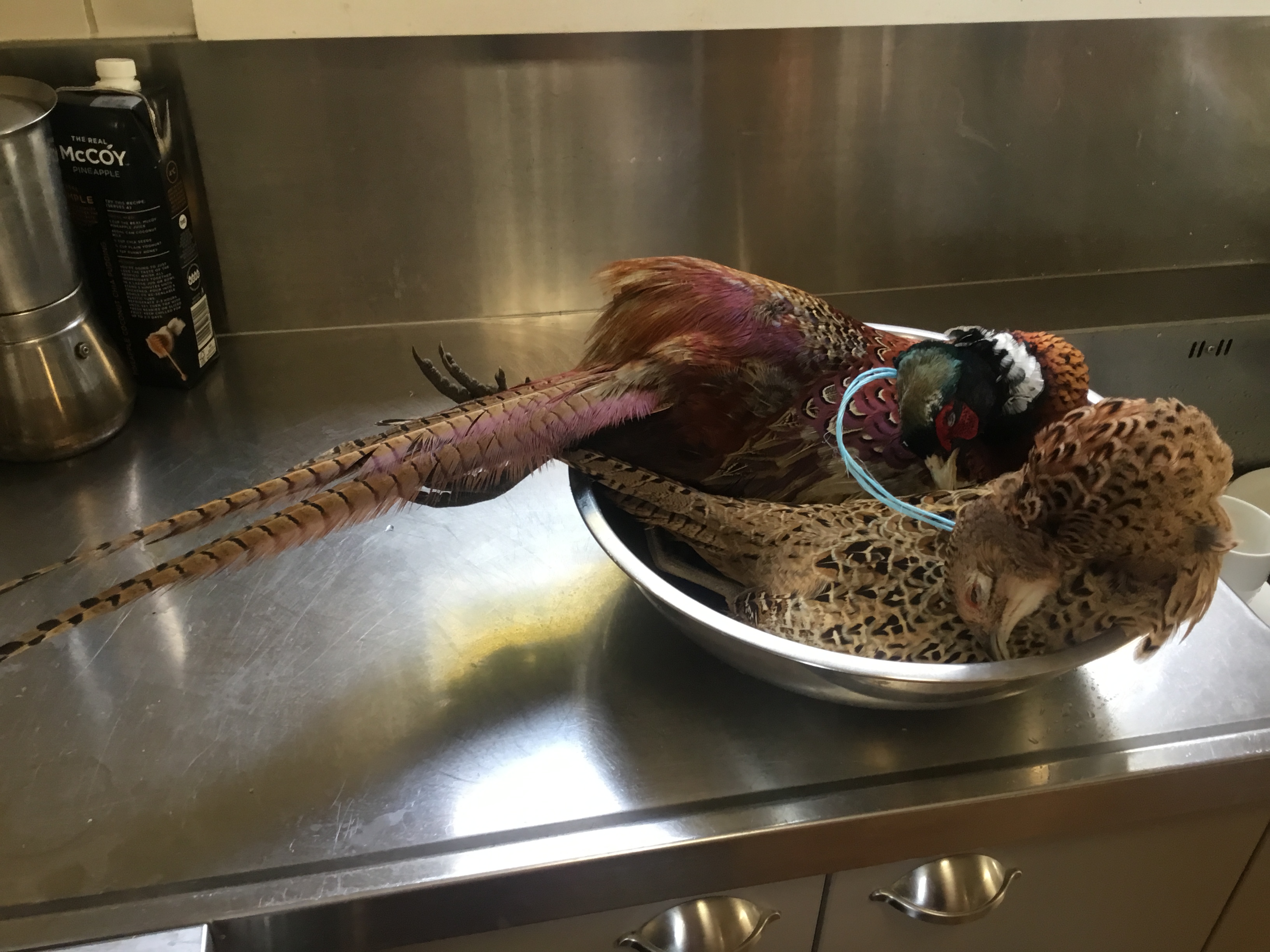
FAGIANO ALLE CASTAGNE (Pheasant with chestnuts)

A friend presented us with two lovely pheasants, not the normal, much appreciated rabbit. Mrs BYF found a recipe for chestnut dumplings, and decided to make a stew and use some of the foraged chestnuts to compliment the dish 

RECIPE

2 pheasants – Plucked and cleaned. Keep the livers, hearts and giblets

150ml stock – Any kind will do but Mr BYF automatically makes stock out of the wings and backbone of any bird, so we used pheasant stock

150g butter

a few pinches of salt to taste 

Black pepper to taste

4 cloves of garlic crushed

100ml white wine.  I suppose you could use red or even Madeira. I used dry white because, again, the chestnuts are quite sweet.

Cut the pheasant in to serving portions. Season the meat, salting it well.  The seasoning should ideally happen a few hours before cooking. In a lidded pan that will take all the pieces of the birds in a single layer (use two pans if needed) brown the pieces.  Remove the pieces from the pan and keep them aside.  Sauté the garlic in butter until fragrant and brown. Add the livers, hearts and finely sliced giblets and sauté until brown, remove from pan and keep aside with the rest of the bird.  Turn the heat to high and deglaze the pan with the wine, boil for a few minutes. Return the pheasant to the pan and add the stock. Cover the pan and cook for 40 minutes, adding a bit of stock as needed. 

Heat the oven to 180 C 

Chestnut Dumplings

100g plain flour

50g butter 

Pinch of salt 

25g cooked and peeled chestnuts, mashed 

Whisk the flour and salt together to mix.  Rub the butter in to the flour until fine crumbs form. Rub the chestnuts into the crumbs and mix until combined. Roll small dumplings the size of a large walnut. Add more stock to the birds if the liquid has evaporated to make sauce. Put the dumplings on top of the meat, pushing  them under the sauce. Cover the pan tightly and cook for 30 min without lifting the lid. 

We served the pheasant with polenta

ENJOY and do not forget a good glass of homemade RED