 ” I shall break this fence down and teach you a lesson you will never forget! “
1833 – Early maturing, high producing Coturnix coturnix
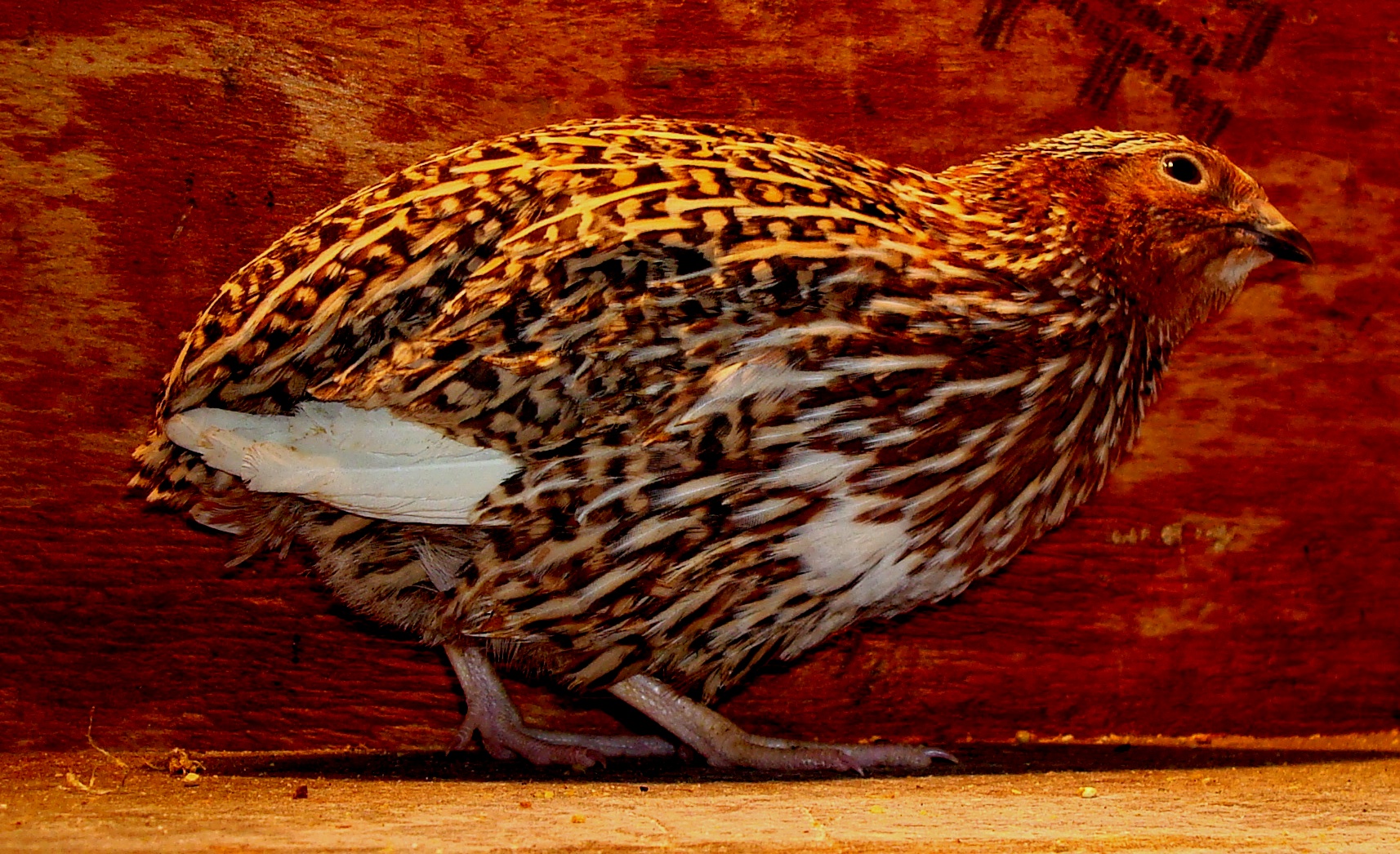
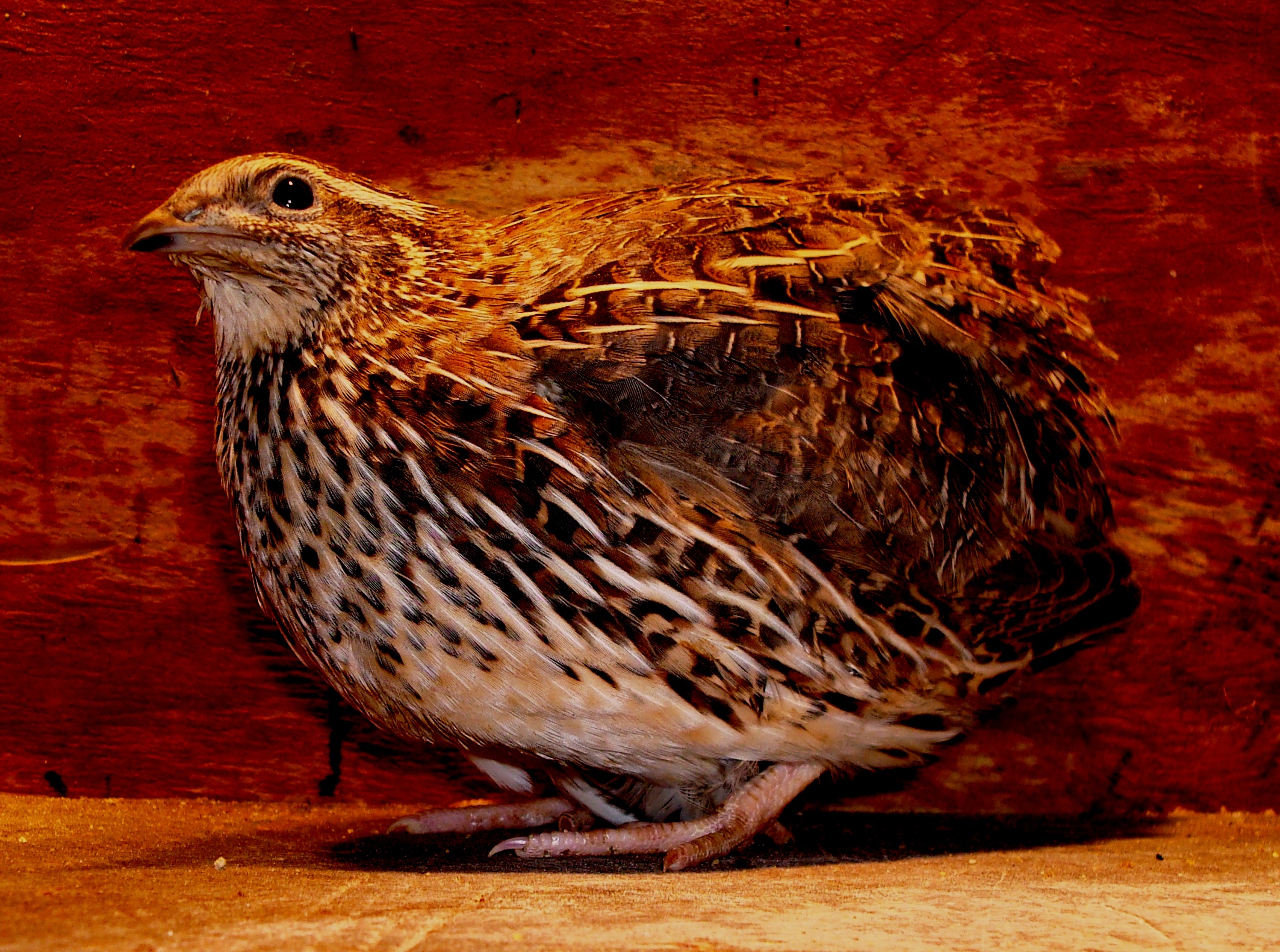
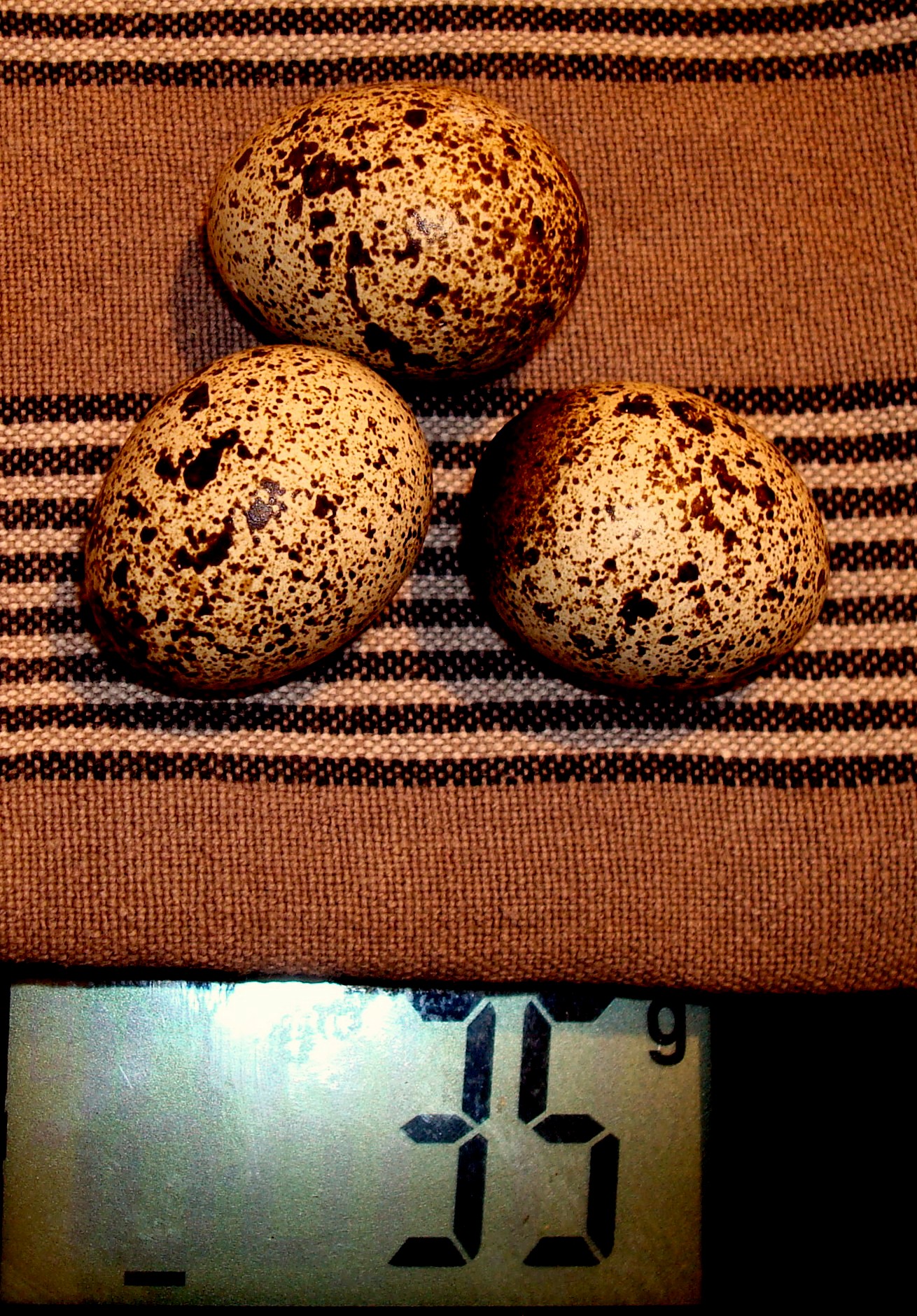
Following the phenomenon of exceptional early maturity experienced in two of my Coturnix coturnix birds, and many research projects that support a positive correlation between early sexual maturity and total production, I have decided to commence with a new breeding line i.e 1833. The reason for the name is that the Male, No 18, commenced crowing as early as 18 days of age and the Female, No 33, laid her first egg at 33 days of age and repeated it on days 34 and 35, where we are at now. The family tree of the two birds, include Italian, White and Tibetans on the Male side and Pharoah and Tibetan on the Female side – so a real out cross would result from this mating with hopeful maximal heterozygosity. The male also comes from a group of Italian females that produced exceptionally and at one stage produced 100% for 18 weeks in a row. All these Italian hens are still producing at the 90%+ level and is in excess of one year of age. It would be the intention to continue to select for early maturity and total production as primary selection criteria. The Male and Female respectively weighs 170 and 185 g at five weeks of age, and I shall guard to breed this line too big, aiming at females of 220 – 250 g and males 200 – 230 g. Very early days, but exiting times and I cannot wait for the first progeny of this mating, and as No 33 is already laying eggs, it wont be long.
Hen lays egg at 33 days of age

Coturnix coturnix Quails never fail to impress. Today I have had a hen laying an egg while she is only 33 days of age. What the reason or significance of the early maturity is, I do not know. This hen is also from the same batch that produced a Male crowing at 18 days of age.
Tuxedos Coturnix are taking the lead in size

Young Tuxedo Coturnix has taken the lead in growth rate for males up to five weeks of age and weighed in at 180 g.
Bad Weather in the Vegetable Patch

I wish I had taken a “before ” photograph to prove that my (still green) tomatoes were looking great, and my zucchini were producing bountifully and ……We had massive winds and heavy rain this week and unfortunately our lovely sunny aspect also means that there is very little wind protection for my garden. Dunedin weather strikes the uninitiated gardener again! I have uprooted all the broken and drowned plants and will start anew next week. The things that did survive were the artichokes and the cardoons, even though the cardoon in the picture looks very sorry for itself, along with some lettuce, rhubarb and cavalo nero.
No damage to the chicken houses fortunately.
 Back Yard Farmer