Ragù di Quaglia (Quail Pasta Sauce)

Every so often the freezer fills up with mature, processed quails, and the best solution is to turn them into something truly special : a slow-cooked ragù. On this occasion, I pulled 40 frozen quails from the freezer and spent most of Sunday afternoon transforming them into a rich, deeply flavoured sauce that can be enjoyed for months to come.

This is a labour of love, but one that rewards you generously. This is not just a sauce – it’s a celebration of North Italian tradition, where time, patience, and respect for every ingredient create something unforgettable. Cooked slowly, bottled carefully, and served with fresh pasta, it brings the warmth of our kitchen straight to your table.

Ingredients

  • 40 deboned quails
  • 2 kg finely chopped onions (50% brown, 50% red)
  • 250 g extra virgin olive oil
  • 250 g butter
  • 200 g finely chopped celery
  • 200 g finely chopped carrot
  • 50 g salt (adjust to taste)
  • 50 g freshly ground black pepper (adjust to taste)
  • 250 ml full-cream milk
  • 500 ml white wine
  • 500 ml stock (quail stock preferred)
  • 500 g tomato purée
  • 1 kg tinned tomato passata
  • 100 g finely chopped garlic
  • 50 g finely chopped fresh hot chilli (optional)
  • 5 g freshly grated nutmeg
  • A handful of hand-shredded fresh basil
  • 2 Cups Grated Parmigiano Reggiano Cheese

Method

In a very large, heavy-based pot (large enough to hold all the ingredients), add the olive oil, butter, and chopped onions. Sauté gently over medium heat until the onions are soft and translucent, but not browned.

Add the celery and carrot and cook gently for a further 5 minutes.

Add the quail meat, season with salt and pepper, and cook until lightly browned. Stir in the tomato purée and cook for a few minutes to deepen the flavour.

Pour in the white wine and cook until it has completely evaporated. Add a portion of the stock and stir frequently.

Reduce the heat to medium, then add the garlic, chilli (if using), milk, and nutmeg. Cook until the milk has fully evaporated, stirring regularly.

Stir in all the tomato passata. Once the ragù begins to bubble, reduce the heat to low and cook uncovered for 4–5 hours. Stir often and do not let it burn. As the ragù thickens, add more stock, as needed to maintain a rich, slow-simmering consistency.

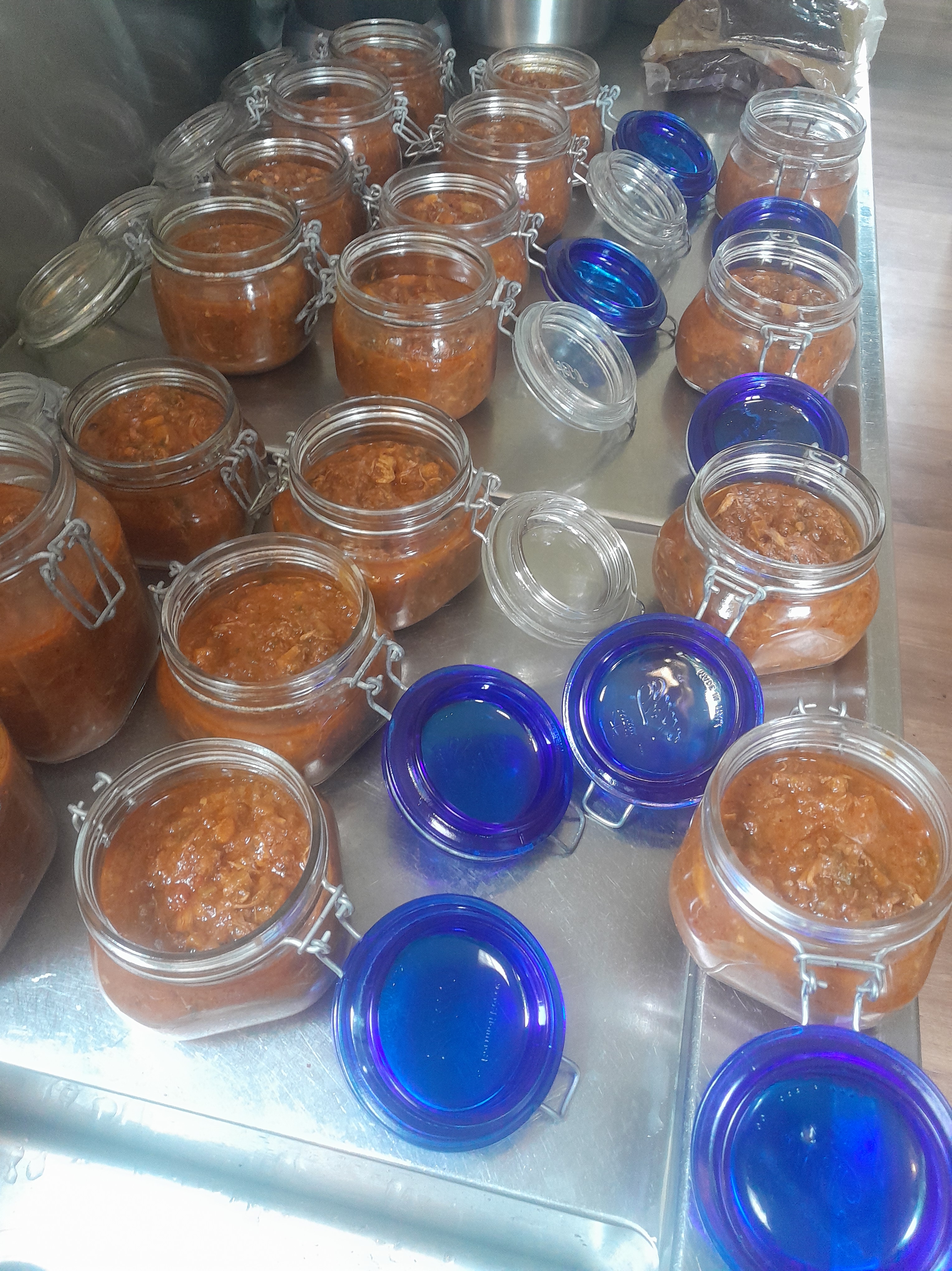
Once cooked, bottle the ragù, seal, and pasteurise.

Storage & Yield

The great advantage of this method is longevity : the bottled ragù can be stored in the pantry for a very long time and provides an exceptional, ready-to-use meal at any time.

This batch yielded approximately 50–60 meal portions. For a family-sized version, simply divide all quantities by ten.

If quail is not available, a combination of beef and pork makes an excellent alternative.


Pasta al Ragù di Quaglia

While the pasta cooks in ample salted water – fresh pappardelle is my preference – open a bottle of ragù and transfer it to a pan large enough to accommodate both the pasta and sauce.

Gently heat the ragù. Drain the pasta while it is just shy of al dente and add it directly to the pan. Toss the pasta and ragù together over low heat until fully cooked, stirring and lifting constantly (Mantecare).

If the sauce becomes too thick, add a little stock, or some of the salted boiling pasta water. Finish with fresh basil, give it one final toss, and serve immediately topped with ample grated Parmigiano Reggiano Cheese.

Pasta al Ragù di Quaglia should be served piping hot – and enjoyed without haste.

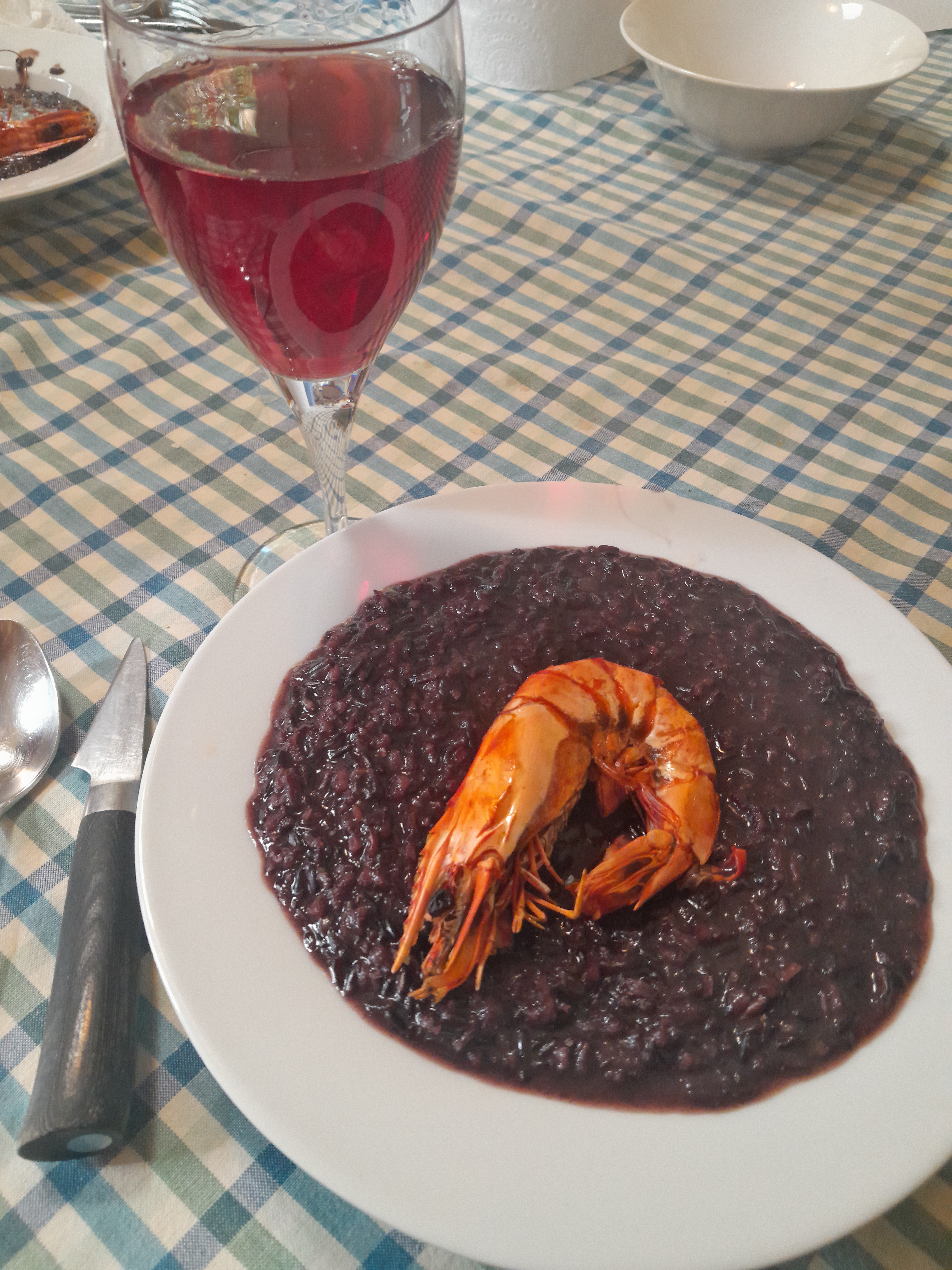
Do not forget the bottle of home made red wine to finish it all !

CALAMARI RIPIENI (Stuffed Squid)

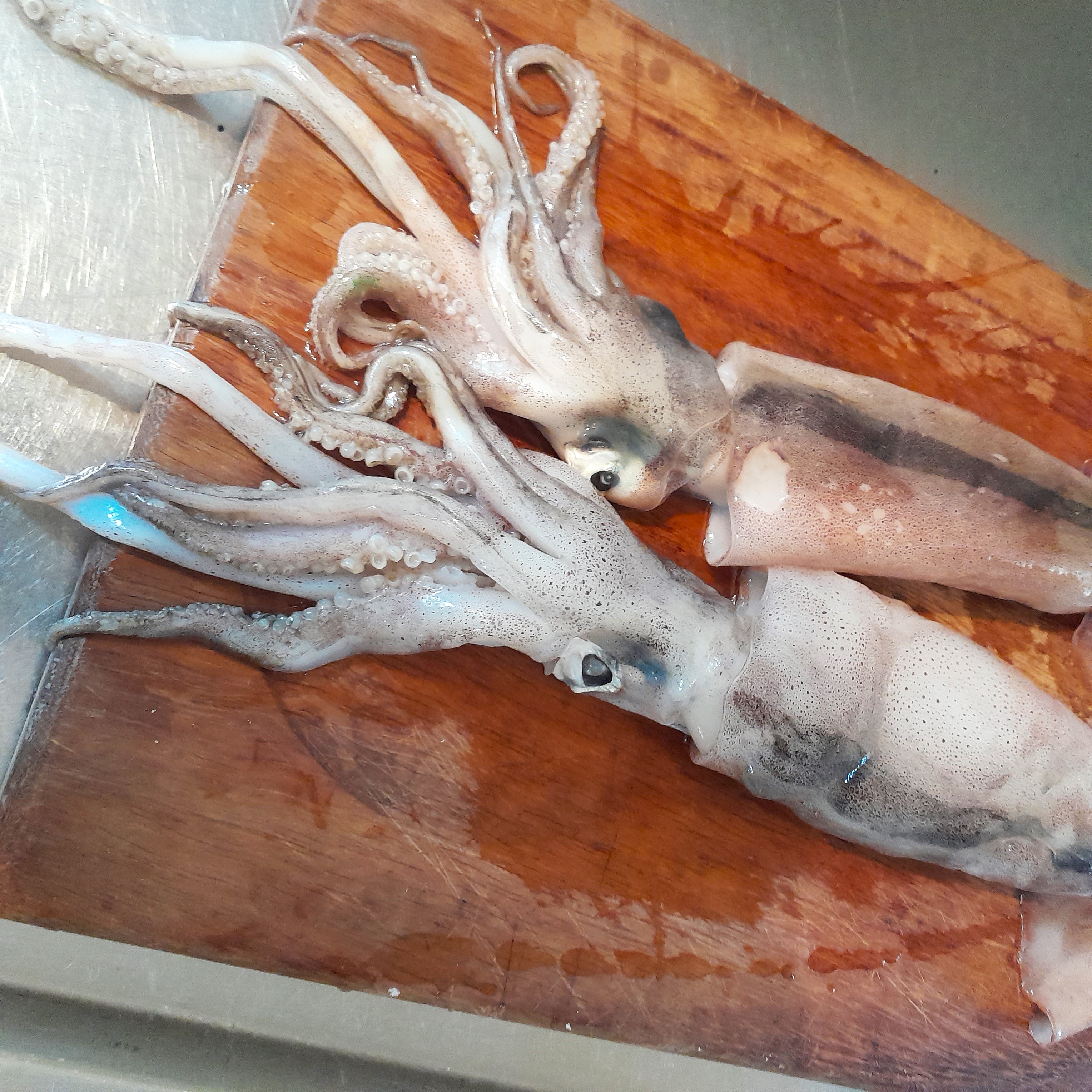
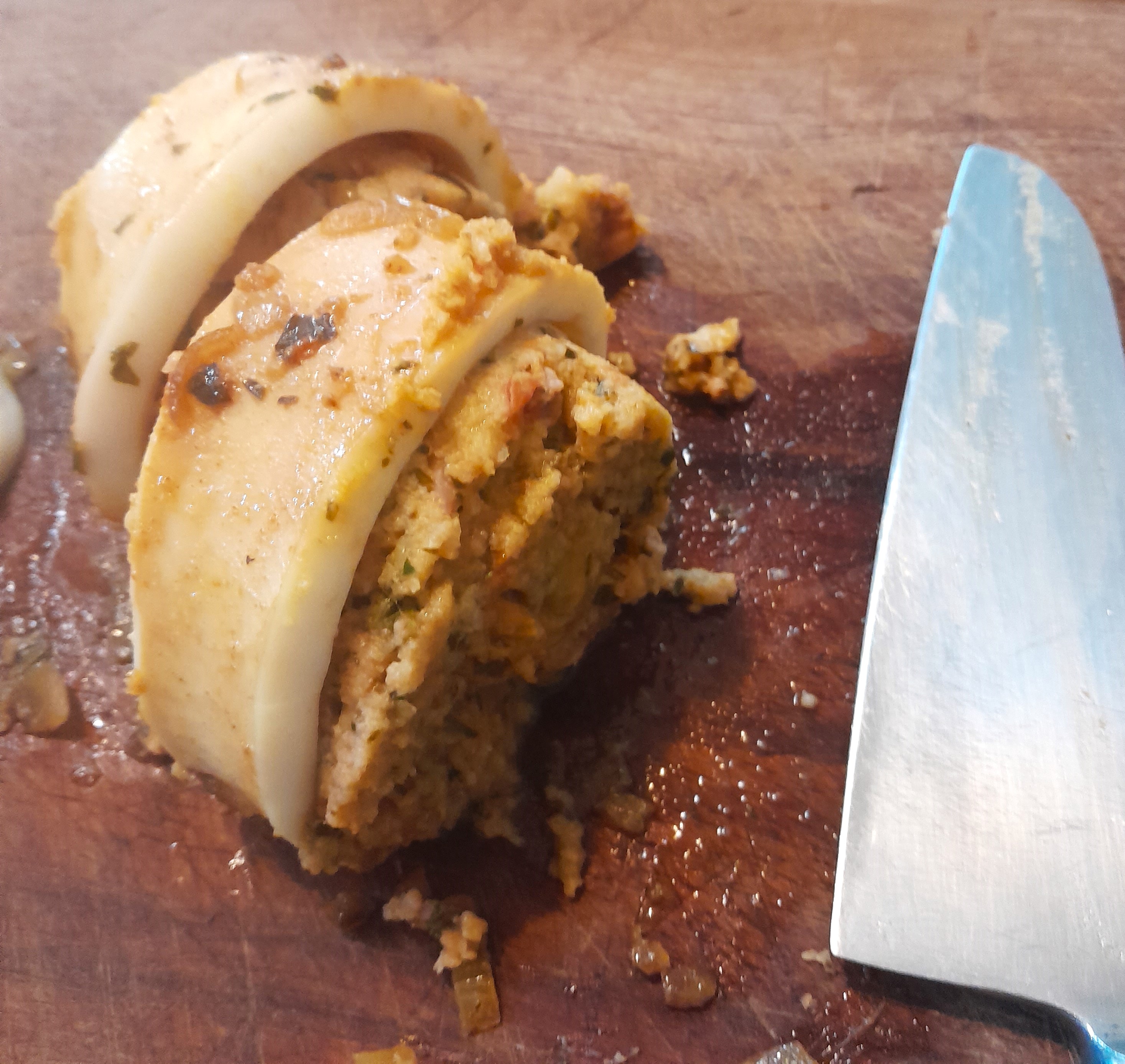
We got our hands on probably the best squid we have ever had. Fresh, large, tasting of the sea. We immediately started discussing our many options, determined to make the most of it.  The recipe we settled on was a tender, flavourful dish of squid. I cleaned as much as we need and froze the rest. After making a tender and tasty squid  with wine and spinach, Mrs BYF decided to put stuffed squid on the menu for lunch.

To serve six, or two with some very nice leftovers for the rest of the week 

6  whole Squid cleaned, tentacles and fins cut off leaving the sac intact

4  tablespoons extra-virgin Olive Oil

4  Garlic cloves or more

2  tablespoons chopped Italian Parsley 

140g fresh Tomatoes.

Salt to taste

chopped Chilli or chilli flakes to taste

1 Egg yolk

15g dry Bread crumbs. White bread unflavoured.

170g thinly sliced brown Onion 

100ml dry white Wine

Toothpicks the large strong ones

Method

Chop up the fins and tentacles

To make the stuffing, cook the garlic in the 1 1/2 tablespoons of oil until slightly coloured. Add the parsley and stir a few times before adding the tentacles and fins, cook for a few minutes stirring well. Add the tomatoes and let the stuffing simmer for  about 30 minutes until the tomatoes are dense and have lost the waterlines.  When done, transfer the stuffing to a bowl and let it cool completely. Add the egg and the breadcrumbs and mix well. Mrs BYF was using quail eggs and could not be bothered to seperate the whites from the yolks. The result was still very good. 

While the tomato mix cooks, cook the chopped onion in 11/2  tablespoons of oil until golden. Meanwhile divide the stuffing in to 6 equal portions and stuff the squid sacs, secure the openings with the toothpick.

Add 1 tablespoon of olive oil to the onion and turn up the heat, cook the squid turning it until all the sides of the sacs are golden brown. Add the white wine, let it bubble away completely, put the lid on the pan and turn the heat to a very gentle simmer for 45 minutes. Add a bit of water only when there is a danger of the squid sticking to the pan. When tender, slice the sacs in to 1 or 2 cm thick slices. Return to the pan and dribble whatever juices there are over the slices. Serve immediately.

The entire process was worth while because the end result was delicious! 

ENJOY and do not forget a glass of good home made red wine