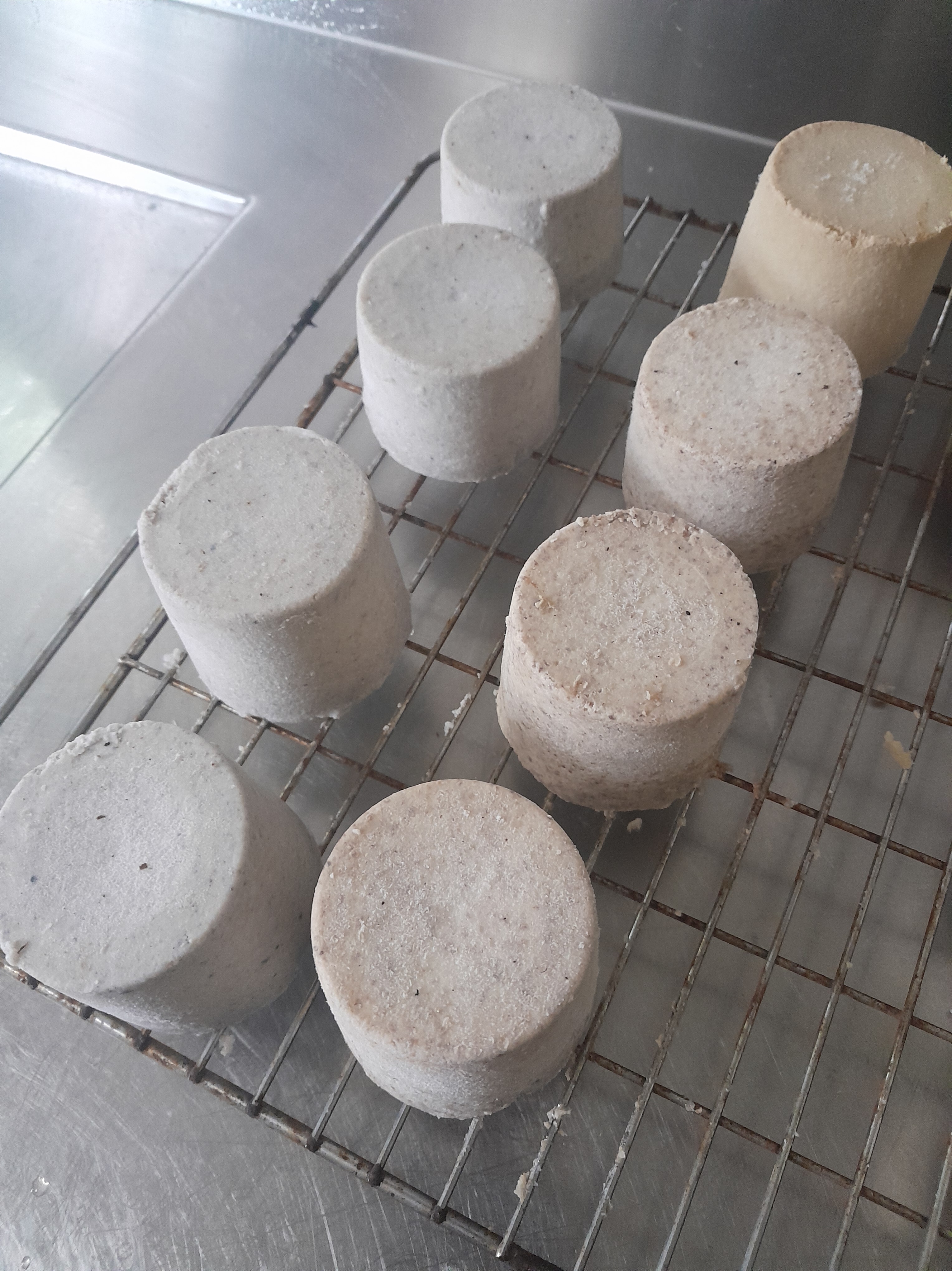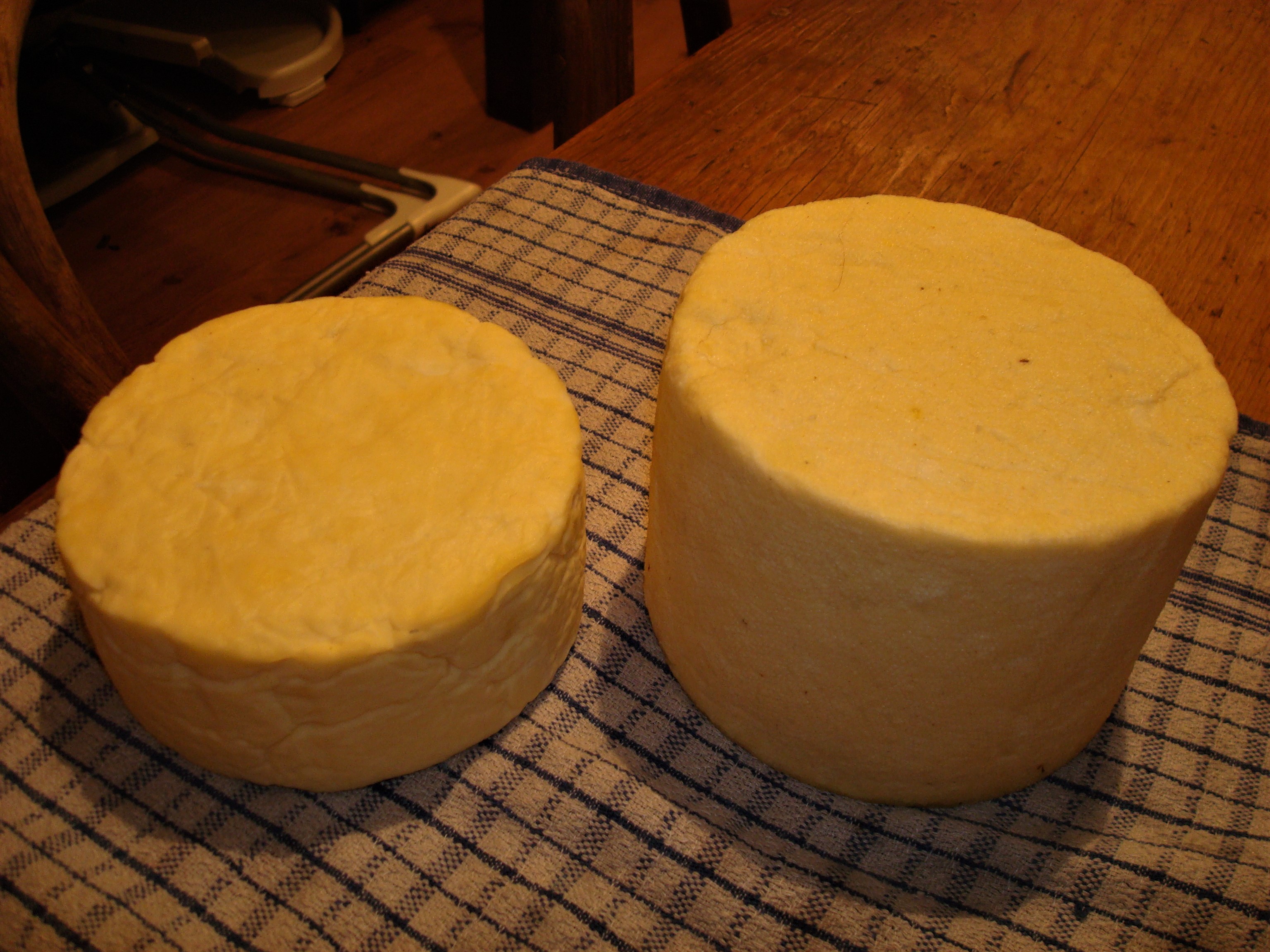
FORMAGGIO di CONTADINI – Italian Farmhouse Cheese

Traditional Peasant Cheese

Formaggio di Contadini is a rustic farmhouse cheese inspired by traditional Italian country dairies. Made with rich Jersey milk, it develops a smooth, supple texture and a gently savoury flavour that improves with natural ageing.


Ingredients

  • Fresh Full-cream Jersey cow’s milk (Not pasteurised) – 6 Liters
  • Thermophilic starter culture – ¼ teaspoon
  • Goat lipase – 2 g
  • Liquid rennet (RENCO) – 7 ml
  • Non-iodised salt

Method

1. Warm and Culture the Milk

Gently heat the milk to 32 °C.
Sprinkle the starter culture over the surface, allow it to rehydrate for 2 minutes, then stir well

Cover and keep at 32 °C for 60 – 90 minutes to allow the milk to ripen and develop flavour


2. Add Lipase

Dissolve 2g goat lipase in a small amount of milk and let it stand for 10 – 15 minutes
Stir thoroughly into the milk


3. Add Rennet

Add 7 ml liquid rennet, stirring gently in an up-and-down motion for 1 minute.
Cover and hold at 32 °C for 45 – 60 minutes, or until a clean break is achieved


4. Cut the Curd

Cut the curd into 6 mm cubes

When cutting to 6mm, use a long knife or harp for uniform cubes. Stir very gently during cooking to avoid matting too early — this preserves moisture for a more supple final texture.


Allow the curds to rest for 5 minutes to release whey


5. Cook the Curds

Slowly heat the curds and whey in a double boiler from 32 °C to 38 °C over about 30 minutes, stirring gently to prevent the curds from sticking together

Once the target temperature is reached, cover and hold at 38 °C for a further 10 – 15 minutes


6. Drain the Curds

Pour the curds into a cheesecloth-lined colander.
Gather the cloth and hang to drain for 1 – 2 hours, keeping the curds warm and out of drafts.


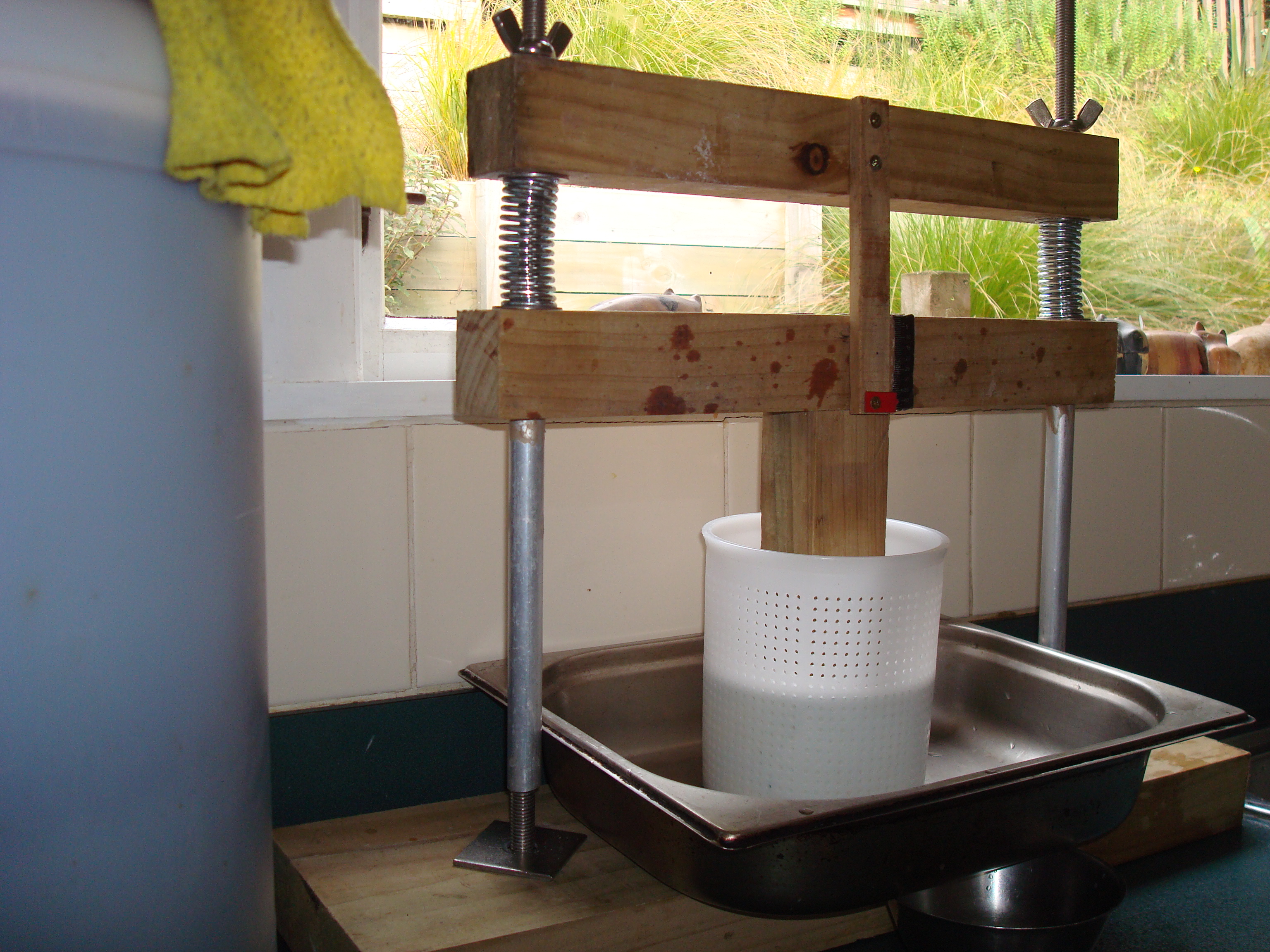
7. Mould and Press

Pack the drained curds firmly into a cheesecloth-lined mould

Press in stages :

  • 5 kg pressure for 10 minutes
  • Remove, turn, rewrap, then press at 10 kg for 10 hours
  • Remove, turn again, rewrap, then press at 20 kg for 4 – 6 hours

8. Brining

Prepare an 18% brine (180 g salt per litre of water)

Submerge the cheese in the brine for 40 – 60 minutes per kilogram of cheese, turning halfway through. Ensure brine is chilled (10°C) and cheese is fully submerged

Remove and allow the surface to dry


9. Natural Rind Drying

Place the cheese on a wooden board at room temperature
Air-dry for 2–3 days, turning several times daily, until the rind feels dry and firm to the touch


10. Natural Ageing

Move the cheese to an ageing space at 10–12 °C with 85–90% humidity

  • Turn the cheese daily for the first week, then 2 – 3x weekly
  • If surface mould develops, wipe lightly with brine. Ensure brine is chilled (10°C) and cheese is fully submerged

Age for at least 4 weeks. Longer ageing will produce a deeper, more complex flavour. Try 8–12 weeks for noticeably deeper, nuttier, more “gently savory” flavor as proteins/lipids break down.

For a smoother rind, rub with olive oil after drying and once the rind is fully set (5–7 days), or brush with lard / herbs for traditional rustic look. If waxing, do so after 2–3 weeks when rind is set

QUAGLIE AL FORNO (Oven Roasted Quails)

Oven-roasted quail is one of our favourite ways to prepare quail. It is simple, quick, and exceptionally delicious.

Use as many deboned quails as required. Season them generously all over with salt and freshly ground black pepper. Place a sage leaf, some coarsely chopped rosemary, and a few thin slices of pancetta inside the cavity of each quail. Secure the birds by stitching the sides together with skewers or tying them neatly with kitchen string.

Arrange the quails in a well-oiled roasting pan and place them in a hot oven. Start by browning them on both sides under a high grill setting. Once nicely coloured, reduce the oven temperature to 140 °C and allow the meat to cook gently and evenly.

The entire cooking process should take 5–6 minutes. If in doubt, check the internal temperature: when it reaches 80 °C, the quail is perfectly cooked.

To finish, sprinkle with freshly chopped parsley and a little more ground black pepper. Drizzle generously with high-quality extra virgin olive oil and serve immediately on creamy polenta.

Enjoy — and remember to finish it off with a glass of good homemade red wine.

Ragù di Quaglia (Quail Pasta Sauce)

Every so often the freezer fills up with mature, processed quails, and the best solution is to turn them into something truly special : a slow-cooked ragù. On this occasion, I pulled 40 frozen quails from the freezer and spent most of Sunday afternoon transforming them into a rich, deeply flavoured sauce that can be enjoyed for months to come.

This is a labour of love, but one that rewards you generously. This is not just a sauce – it’s a celebration of North Italian tradition, where time, patience, and respect for every ingredient create something unforgettable. Cooked slowly, bottled carefully, and served with fresh pasta, it brings the warmth of our kitchen straight to your table.

Ingredients

  • 40 deboned quails
  • 2 kg finely chopped onions (50% brown, 50% red)
  • 250 g extra virgin olive oil
  • 250 g butter
  • 200 g finely chopped celery
  • 200 g finely chopped carrot
  • 50 g salt (adjust to taste)
  • 50 g freshly ground black pepper (adjust to taste)
  • 250 ml full-cream milk
  • 500 ml white wine
  • 500 ml stock (quail stock preferred)
  • 500 g tomato purée
  • 1 kg tinned tomato passata
  • 100 g finely chopped garlic
  • 50 g finely chopped fresh hot chilli (optional)
  • 5 g freshly grated nutmeg
  • A handful of hand-shredded fresh basil
  • 2 Cups Grated Parmigiano Reggiano Cheese

Method

In a very large, heavy-based pot (large enough to hold all the ingredients), add the olive oil, butter, and chopped onions. Sauté gently over medium heat until the onions are soft and translucent, but not browned.

Add the celery and carrot and cook gently for a further 5 minutes.

Add the quail meat, season with salt and pepper, and cook until lightly browned. Stir in the tomato purée and cook for a few minutes to deepen the flavour.

Pour in the white wine and cook until it has completely evaporated. Add a portion of the stock and stir frequently.

Reduce the heat to medium, then add the garlic, chilli (if using), milk, and nutmeg. Cook until the milk has fully evaporated, stirring regularly.

Stir in all the tomato passata. Once the ragù begins to bubble, reduce the heat to low and cook uncovered for 4–5 hours. Stir often and do not let it burn. As the ragù thickens, add more stock, as needed to maintain a rich, slow-simmering consistency.

Once cooked, bottle the ragù, seal, and pasteurise.

Storage & Yield

The great advantage of this method is longevity : the bottled ragù can be stored in the pantry for a very long time and provides an exceptional, ready-to-use meal at any time.

This batch yielded approximately 50–60 meal portions. For a family-sized version, simply divide all quantities by ten.

If quail is not available, a combination of beef and pork makes an excellent alternative.


Pasta al Ragù di Quaglia

While the pasta cooks in ample salted water – fresh pappardelle is my preference – open a bottle of ragù and transfer it to a pan large enough to accommodate both the pasta and sauce.

Gently heat the ragù. Drain the pasta while it is just shy of al dente and add it directly to the pan. Toss the pasta and ragù together over low heat until fully cooked, stirring and lifting constantly (Mantecare).

If the sauce becomes too thick, add a little stock, or some of the salted boiling pasta water. Finish with fresh basil, give it one final toss, and serve immediately topped with ample grated Parmigiano Reggiano Cheese.

Pasta al Ragù di Quaglia should be served piping hot – and enjoyed without haste.

Do not forget the bottle of home made red wine to finish it all !