Guinea Fowls

2014-04-02 13.45.16 2014-04-02 13.44.04


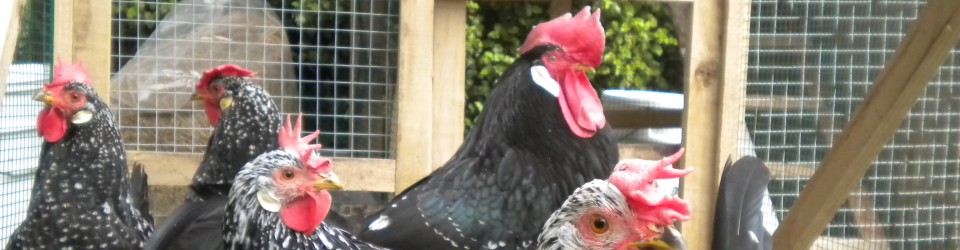
I got 12 guinea fowl eggs as a gift, and so far 2 have hatched. When the first one was dry and in it’s cage, I thought it was lonely and I put a 2 week old quail chick (the same size as the guinea fowl chick) with it for company and to teach it to eat. It chased the poor quail all over the cage. I swapped quails thinking it may be a personality clash – same thing happened, the quail had to run for its life. When the 2nd chick hatched I put the 2 guinea fowls together and they cuddled up and went to sleep. I don’t know what I should have learnt from this.

Stock

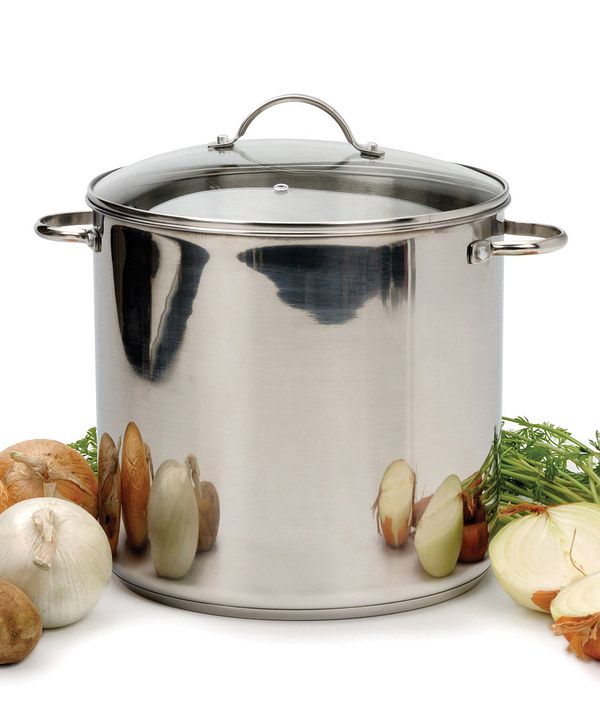
2014-0318 - Stock Pot

Good stock is the one ingredient a kitchen should never be without.

INGREDIENTS

Chicken bones or (quail back bone, neck, wing tips and excessive skin) – About half a Kg in total or more if you want to make a stronger stock.

2 onions (No need to skin) – Washed and roughly cut up. Could be replaced with Leeks

2 large carrots leaves and all) – Washed and roughly cut up

half a bunch of Celery (Leaves and all) – Washed and roughly cut up. You could add celeriac leaves if you have any

salt lightly to taste

8 Liters of water

I often buy chicken frames from the supermarket (sorry, but sometimes I have to go there) or use the back bones and necks of the quails, when I slaughter, which are both good for stock even though different. Quails make a much stronger stock than chicken. You can also do a fish stock, by replacing the meat with fish heads and frames. I keep the stocks separate so I have different flavours for different dishes.  Put all the ingredients, including the water (cold) into a meat stock pot and boil over a low heat for at least two hours, but preferably more. Let the liquid reduced by about one third and keep topping it up with more cold water to keep it at this level. Stir every so often to prevent it from burning and sticking to the bottom.

Strain the liquid from the solids using a colander and return the liquid to the stock pot and heat until boiling again. Immediately pour into clean containers and seal immediately (I use 2 liter plastic buckets). Should the lids fit properly, the reduction in product temperature will form a very effective vacuum seal. If you have maintained a high level of cleanliness and your containers were  clean, the stock will remain good for months in the pantry, even though I normally keep mine in the fridge. Once opened it should be kept in the fridge and used within a couple of days. The vegetables  are good to feed to your Chickens and Quails.

With home made stock, soups are delicious and easy, pasta sauces and stews shine and you cannot make risotto without it. Braising meat and keeping it moist with the correct stock also ad complexity and additional flovour.

Pappardelle Verde al ragu d’Anatra – Green hand made pasta with Duck sauce

2014-02-26 15.07.30 2014-02-26 16.02.52

We had a couple of friends over for dinner and decided to make Green Pappardelle wit Duck Ragu.

Pappardelle

Pasta is one of those wonderful products where with just two or three ingredients many different products can be created, and it should always be the pasta that is the prominent component of the dish and not so much the sauce. The sauce and the type of paste needs to match in such a way that they both compliment each other. In this case Pappardelle and Duck Ragu is the ideal match

When making fresh pasta you need about 100 g of flour per serving, if you are not having a dish to follow after the pasta as many people do. We however always have the pasta as a first coarse (Primi Piatti) after the Antipasto and before the second coarse (Secondi Piatti), finishing off with a salad, and in this case 60 g flour per serving should suffice.

500 G Plain Flour

5 Eggs lightly beaten

15 – 20 Fresh Spinach leaves

Mix the flour and eggs and knead until smooth. This should be a hard dough, but should it be too difficult to work, add a small bit of water. Leave it covered to rest in the fridge for one hour. Take small quantities (about 50 g) at a time, flatten it out by hand and then roll it out with a pasta machine on the thickest setting. Fold it over, turn it 90 degrees and put through the machine again. Do this a couple of times until the pasta is smooth and homogeneous. Use enough dry flour during this process to avoid stickiness. Lay the pasta sheets out on a floured surface and repeat with the rest until all the dough has been used. On half of each sheet of pasta, lay out the fresh spinach leaves and fold the sheet over to make a sandwich. Now repeat the process of putting it through the pasta machine, folding over, turning 90 degrees and putting it through again, until the pasta and spinach are well mixed and smooth. Once all his is done, put every sheet gradually through a thinner setting of the pasta machine, until the finest setting ( 7 ?) is achieved for each sheet. Remember to use flour to make it all run smoothly.  Cut the pasta sheets with a knife or pizza cutter in about 20 mm strips. The pasta is now ready to cook or dry, for later use. I normally make this in the morning , or day before, and let it dry for use when required. Fresh pasta cooks very quickly (about 5 minutes) and it is very important not to over cook it (Pasta al dente) otherwise it will be soggy.

Make the sauce of choice to suite Pappardelle and once cooked, drain and mix with the sauce in the sauce pan, heat through while mixing gently and serve immediately.

CIAO!!
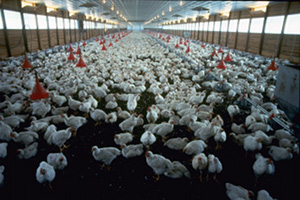
CHICKEN MEAT IS CHEAPER THAN CAPSICUMS

2014-01-29 - Intensive Chickens - Slow Food Italia

Use the “translate” button on top of the SLOWFOOD page if you want to read this article in English

http://www.slowfood.it/sloweb/33a8e41c25cec4128f652acb61e3158d/quando-il-pollo-costa-meno-dei-peperoni

How do you tell if a egg is Bad?

How to Tell if an Egg is BadPlace the egg into a bowl of cold water. The water level should be about 2 times higher than the egg.Fresh eggs will sink to the bottom of the bowl and probably lie on their sides. Slightly older eggs (about one week) will lie on the bottom but bob slightly.

If the egg balances on its smallest tip, with the large tip reaching for the top, it’s probably close to three weeks old. Eggs that float at the surface are bad and should not be consumed.