
ESSENTIAL QUAIL HOUSING
A Complete Guide to Coturnix Quail Enclosure Design, Welfare and Management
Good housing is the foundation of successful quail keeping
Coturnix quails are small, efficient and remarkably productive birds
They can produce large numbers of eggs and meat from relatively little space and feed
However, their small size and particular behaviour also make them vulnerable to problems that are often overlooked by people who are accustomed to keeping chickens
Quails are highly responsive to disturbance, vulnerable to predators, sensitive to damp and poorly ventilated conditions, and capable of injuring themselves when suddenly frightened
For these reasons, good housing is not simply a matter of giving quails somewhere to live — it is an essential part of their health, welfare, productivity and safety
Over many years of keeping and breeding Coturnix coturnix, I have found that a well-designed enclosure can make an enormous difference
Good housing reduces stress, makes cleaning and observation easier, protects the birds from predators and weather, and allows them to behave naturally
It also makes the keeper’s job considerably easier
1 – DESIGN THE HOUSING AROUND THE QUAIL
The first mistake many people make is designing a cage around the materials they happen to have available
Quail housing should instead be designed around the natural behaviour and needs of the bird
Coturnix quails are primarily ground-dwelling birds
They spend much of their time walking, feeding, dust-bathing, resting and searching through their environment rather than perching like chickens
A good enclosure should therefore provide:
- Adequate floor space
- Dry conditions
- Protection from rain and wind
- Good ventilation
- Protection from predators
- Shade and shelter
- Places to hide
- Access to food and clean water
- An area for dust bathing
- Easy access for cleaning and inspection
The best housing is not necessarily the most expensive or elaborate
It is the housing that meets the needs of the birds while making good husbandry easy for the keeper
2 – KEEP THE QUAILS DRY
If there is one principle that should never be compromised, it is this:
KEEP THE HOUSING DRY
Quails generally tolerate cold much better than they tolerate being cold, wet and exposed
The roof should be completely waterproof and should extend sufficiently beyond the walls to prevent rain from entering the enclosure
An overhang of around 200 mm or more is useful, particularly where the enclosure is exposed to prevailing winds and driving rain
The floor and bedding should remain dry
Wet bedding rapidly becomes contaminated with droppings and spilled feed
It can produce unpleasant odours, increase ammonia and create an environment in which microorganisms can multiply
The enclosure should therefore be designed so that:
- Rain cannot enter easily
- Water cannot collect inside
- Ground water cannot seep into the enclosure
- Wet bedding can be removed easily
- Drinkers cannot continually wet the floor
- There is adequate drainage around the building
A dry quail house is considerably easier to keep clean and healthy
3 – PROTECT THE BIRDS FROM WIND — BUT PROVIDE FRESH AIR
There is an important difference between ventilation and draughts
Quails need fresh air
Stale, humid air containing dust and ammonia is unhealthy, particularly in enclosed housing
At the same time, birds should not be exposed to strong cold draughts
A useful arrangement is to have one or two solid walls providing protection from the prevailing wind, while the remaining sides incorporate secure wire mesh to provide natural ventilation
The objective is:
Fresh air in — stale air out — no strong draught directly across the birds
Good ventilation helps remove:
- Excess humidity
- Ammonia
- Dust
- Feather and skin particles
- Heat
- Unpleasant odours
This becomes increasingly important as the number of birds increases
4 – PREDATOR PROTECTION IS ESSENTIAL
A quail enclosure may look secure to us while being completely inadequate against predators
Cats, rats, stoats, weasels and other predators can represent a serious threat
A cat, for example, does not necessarily need to enter the enclosure to injure a quail
If the mesh openings are too large, it may be able to reach through with its paw
For this reason, I recommend strong steel wire mesh with openings of approximately 13 mm × 13 mm or smaller for vulnerable areas
The important point is that the mesh must be:
- Strong
- Securely attached
- Small enough to prevent predators reaching through
- Resistant to rodents chewing or enlarging openings
Do not rely on flimsy plastic netting or weak temporary fencing as the primary protection for a permanent quail enclosure
The doors and gates also need to be properly secured
A predator-proof enclosure is not optional — it is part of responsible quail keeping
5 – ENCLOSURE HEIGHT AND THE QUAIL’S FLUSH-FLIGHT RESPONSE
Coturnix quails have a powerful natural startle response
When frightened, a quail may suddenly launch itself almost vertically into the air
This is known as a flush flight
The problem occurs when a startled bird has sufficient vertical distance to accelerate before striking a hard roof
A high cage can therefore create a risk of serious injury
For this reason, I favour relatively low enclosures, generally around 500 mm or less, particularly where the roof is rigid
However, height should not be considered in isolation
Roof construction, available floor area, bird temperament and the amount of disturbance all influence the risk
A very low enclosure must still allow the keeper to inspect and manage the birds properly
A useful principle is:
Provide plenty of horizontal space rather than unnecessary vertical space
A spacious, low enclosure is generally more appropriate for Coturnix quail than a tall, narrow cage
6 – FLOORING — DRY, SAFE AND EASY TO MANAGE
Flooring is one of the most misunderstood aspects of quail housing
Coturnix quails spend most of their lives on the floor, so the surface beneath their feet is extremely important
The priority is not necessarily whether the floor is made from soil, timber, concrete or another material
The priority is that it should be:
dry, safe, comfortable, cleanable and properly managed
Natural ground can work very well when the site is dry and properly managed
It provides an opportunity for natural scratching and dust bathing
However, natural ground can also become wet, muddy and contaminated with faeces and parasites
For this reason, it is not automatically the best solution in every situation
A solid floor covered with suitable dry bedding can also provide an excellent environment and may be easier to clean and disinfect
What I would avoid is an unsuitable wire floor
Continuous exposure to poorly designed wire flooring can cause foot and leg problems and does not allow the birds to express normal ground-based behaviour
If wire flooring is used for a particular management system, it needs to be designed specifically to minimise foot problems and maintain good hygiene
For a backyard or small-scale breeding operation, however, I strongly prefer a well-managed solid or natural floor with dry bedding
MOVABLE QUAIL HOUSING
One of the advantages of a relatively small, well-designed quail enclosure is that it can be made movable
This is the system I personally prefer
Being able to move the enclosure to a clean, dry area of ground has several advantages
The birds are not continually occupying the same contaminated area, fresh ground can be made available, and wet or heavily soiled areas can be left to dry and recover
Moving the enclosure also makes it easier to maintain good hygiene without relying entirely on constant cleaning of a permanently occupied site
The ability to move the birds onto fresh, dry ground is particularly valuable after periods of wet weather
There is also another useful benefit to moving quail housing
Once the birds have been moved to fresh ground, the area they have occupied can be left to rest before being incorporated into the garden
The quail droppings, bedding and other organic material left behind can add valuable nutrients and organic matter to the soil, making the area particularly useful for a subsequent crop of vegetables
In a well-managed backyard system, the quails therefore become part of a natural nutrient cycle — feed goes into the birds, the birds produce eggs and manure, and the manure can eventually go back into the garden to help grow the next crop
A movable enclosure therefore provides not only flexibility, but another useful tool for maintaining a healthy environment for the birds while making better use of the valuable nutrients produced by the flock
7 – GIVE THE QUAILS AN OPPORTUNITY TO DUST-BATHE
Dust bathing is normal and important quail behaviour
A quail will instinctively scratch, crouch and work dry material through its feathers
Providing a dry dust-bathing area allows the birds to express this natural behaviour and helps them maintain their plumage
A dust bath can be created using a suitable dry, clean material such as fine sand or another appropriate dust-bathing substrate
The material must remain dry and should be replaced when heavily contaminated
I do not recommend routinely adding large quantities of fine powders simply because they are advertised as improving feather condition
Anything that creates additional airborne dust can be undesirable in an enclosed quail environment
The simpler approach is often the best:
Provide a clean, dry dust-bathing area and allow the birds to do what comes naturally
8 – SPACE — AVOID OVERCROWDING
Quails may be small, but that does not mean they should be crowded into tiny cages
Overcrowding increases competition for food, water and resting areas and can increase stress, aggression and feather pecking
It also makes it much harder to maintain good hygiene and observe individual birds
As a practical guide for breeding groups, I prefer to provide at least about 2 m² of usable floor space for a small breeding group, with more space being preferable where circumstances allow
The exact requirement depends on:
- Number of birds
- Male-to-female ratio
- Enclosure design
- Shelter available
- Environmental enrichment
- Breed and temperament
- How long the birds remain together
There is no single number that magically makes a stocking density appropriate
More space is nearly always an advantage
9 – PROVIDE HIDING PLACES AND VISUAL BARRIERS
One of the easiest ways to improve a quail enclosure is to provide places where birds can get out of sight
Quails are naturally cautious prey animals
They feel safer when they can retreat into cover
This can be achieved with:
- Dense vegetation
- Straw
- Wooden screens
- Small shelters
- Low branches
- Boxes with suitable openings
- Other safe visual barriers
These structures have another important benefit
If one bird is being harassed by another, a visual barrier can allow the subordinate bird to move away and escape direct attention
A completely open enclosure gives a bullied bird nowhere to go
Good quail housing should provide both open space and protected spaces
10 – SHADE IS JUST AS IMPORTANT AS SUNLIGHT
Natural daylight is beneficial, but quails should never be forced to remain in direct sunlight throughout the day
The enclosure should provide shaded areas where birds can retreat during hot weather
Shade can be provided by:
- The roof
- Shade cloth
- Vegetation
- Shelters
- Solid sections of wall
Ideally, the birds should have a choice between sun and shade
This is particularly important during summer when an enclosed cage can heat up very quickly
11 – FOOD AND WATER — MAKE ACCESS EASY
Fresh, clean water must be available at all times
Feed should also be readily accessible
Drinkers should be designed and positioned to minimise:
- Contamination with droppings
- Spillage
- Wet bedding
- Algae growth
- Competition between birds
Feeders should similarly be positioned so that all birds can eat comfortably without excessive competition
Good housing and good feeding management go together
There is little value in providing excellent feed if the birds are continually stressed, wet or unable to access it comfortably
12 – LIGHTING AND EGG PRODUCTION
Coturnix quails are strongly influenced by day length
As natural daylight decreases during autumn and winter, egg production can decline
Birds may also enter a moult as part of their natural seasonal cycle
For those keeping quails primarily for egg production, supplemental lighting can be used to maintain a more consistent laying pattern
A total day length of approximately 14–16 hours of light is commonly used for laying quails
Lighting should be introduced gradually and managed with a timer rather than relying on lights being switched on and off unpredictably
More light is not necessarily better
The birds still require a proper period of darkness for normal rest and behaviour
13 – DESIGN THE ENCLOSURE SO YOU CAN SEE EVERY BIRD
One of the most important principles of animal husbandry is:
OBSERVATION
An experienced keeper can often recognise that something is wrong with a bird simply by watching it
Is it:
- Eating?
- Drinking?
- Walking normally?
- Sitting apart from the group?
- Being bullied?
- Fluffed up?
- Limping?
- Losing feathers?
- Behaving differently from the other birds?
The earlier a problem is noticed, the easier it is generally to deal with
For this reason, I prefer housing with good visibility and unobstructed sightlines
You should be able to look into the enclosure and quickly assess the condition of the flock
The old saying:
“The eye of the master fattens the sheep”
applies equally well to quails
Good housing should make observation easy, not hide the birds from you
14 – MAKE CLEANING EASY
This is another area where good design pays dividends
Before constructing a quail enclosure, think about how you are going to clean it
Ask yourself:
- Can I easily reach every corner?
- Can I remove dirty bedding?
- Can I clean the drinkers?
- Can I inspect the birds?
- Can I remove wet areas?
- Can I collect eggs easily?
- Can I access the enclosure without disturbing the entire flock?
If cleaning is difficult, it will eventually become a chore that gets postponed
And when cleaning is postponed, hygiene deteriorates
Movable housing has an additional advantage here because the birds can be moved onto fresh ground while the previously occupied area is allowed to dry and recover
Design the housing so that good husbandry is the easiest option
15 – HOUSING AND RESPIRATORY HEALTH
Quails produce a surprising amount of dust
Feathers, skin particles, bedding material, feed particles and droppings can all contribute to airborne dust
This is one reason why ventilation is so important
Poor ventilation combined with high stocking density can result in an unpleasant environment containing excessive humidity, ammonia and airborne particles
The answer is not simply to create a powerful draught
Instead, aim for continuous, gentle air exchange
In larger indoor or semi-enclosed operations, mechanical extraction and air filtration can also be useful, provided they are designed so that they do not create excessive cold air movement across the birds
16 – HOUSING, STRESS AND PRODUCTIVITY
A quail may survive in poor housing
That does not mean it will thrive
Constant disturbance, overcrowding, predator pressure, excessive heat, dampness, cold draughts and lack of shelter all create unnecessary stress
Stress can affect normal feeding, behaviour, feather condition, fertility and egg production
This is particularly important with breeding birds
If you have invested years selecting your quails for good genetics, temperament, growth, egg production and efficiency, it makes little sense to compromise their performance by keeping them in poor housing
Good genetics require good management to reach their potential
17 – NUTRITION AND HOUSING WORK TOGETHER
Housing alone cannot produce healthy quails
The birds also require an appropriate, balanced diet
Coturnix quails have relatively high nutritional requirements, particularly during rapid growth and egg production
I strongly prefer feeding a complete, balanced quail ration appropriate to the bird’s stage of life, rather than relying on generic poultry feeds and attempting to balance the diet by adding a collection of supplements
At Back Yard Farmer, I use different feeds for different stages:
BYF 28% Quail Starter
For chicks from hatching to approximately 21 days
BYF 26% Quail Grower
For growing birds from approximately 22 to 50 days
BYF 24% Mature Quail Feed
For mature birds over 50 days that are not actively laying
BYF 22% Quail Layer Feed
For mature hens actively producing eggs
The principle is simple:
**Good housing protects the bird
Good nutrition feeds the bird
Good genetics determine what the bird is capable of achieving**
All three are important
18 – DON’T DILUTE A COMPLETE DIET WITH TOO MANY EXTRAS
Quails enjoy greens, insects, scraps and many other foods
There is nothing wrong with giving suitable treats in moderation, but excessive quantities can dilute the nutrients supplied by a properly formulated complete feed
The more additional foods that are offered, the less predictable the overall nutrient intake becomes
For productive breeding and laying birds, the complete feed should remain the foundation of the diet
Fresh water should always be available
19 – GOOD HOUSING SHOULD REDUCE RISK
When designing housing, I recommend thinking about every potential problem before it happens
Rain
Risk: Wet birds and bedding
Solution: Waterproof roof, adequate overhang and good drainage
Wind
Risk: Cold draughts and stress
Solution: Solid windward walls with controlled ventilation
Predators
Risk: Injury or death
Solution: Strong small-aperture steel mesh and secure doors
Flush flight
Risk: Head and neck injuries
Solution: Avoid unnecessarily tall enclosures and minimise sudden disturbances
Overcrowding
Risk: Aggression, stress and poor hygiene
Solution: Adequate floor space and appropriate group sizes
Bullying
Risk: Injured or stressed subordinate birds
Solution: Hiding places and visual barriers
Heat
Risk: Heat stress
Solution: Shade, ventilation and access to cool areas
Dust and ammonia
Risk: Poor air quality and respiratory irritation
Solution: Dry bedding, sensible stocking density and effective ventilation
Poor observation
Risk: Problems go unnoticed
Solution: Good visibility and easy access to every bird
Ground contamination
Risk: Repeated exposure to wet or heavily contaminated areas
Solution: Good hygiene management and, where practical, movable housing
20 – THE IDEAL COTURNIX QUAIL ENCLOSURE
There is no single perfect design for every situation
An enclosure in a cold, wet part of New Zealand will need somewhat different protection from one in a hot, dry climate
Likewise, housing for five breeding birds is different from housing for several hundred birds
Nevertheless, the basic principles remain remarkably consistent
A good Coturnix enclosure should provide:
| Requirement | What Good Housing Provides |
|---|---|
| Weather protection | Waterproof roof and protection from driving rain |
| Ventilation | Continuous fresh-air exchange without strong draughts |
| Predator protection | Strong steel mesh with appropriately small openings |
| Height | Relatively low enclosure to reduce flush-flight injury risk |
| Floor | Dry, safe, comfortable and manageable surface |
| Space | Adequate usable floor area without overcrowding |
| Shelter | Places where birds can retreat and hide |
| Shade | Protection from direct sun and excessive heat |
| Dust bathing | Clean, dry area for normal behaviour |
| Food & water | Clean and continuously accessible |
| Observation | Clear view of all birds |
| Cleaning | Easy access and removal of dirty material |
| Mobility | Ability, where practical, to move birds onto fresh, clean and dry ground |
| Lighting | Appropriate day length with a period of darkness |
| Management | Easy access for feeding, egg collection and inspection |
21 – THE THREE FOUNDATIONS OF SUCCESSFUL QUAIL KEEPING
After many years of keeping and breeding Coturnix quails, I believe successful quail keeping can be reduced to three fundamental requirements
1 GOOD GENETICS
Start with healthy birds selected for the characteristics you actually want
2 GOOD NUTRITION
Provide a complete and properly balanced diet appropriate for the age and purpose of the bird
3 GOOD HOUSING
Provide a dry, secure, well-ventilated, predator-proof environment with adequate space, shelter and opportunities for normal behaviour
If any one of these is seriously deficient, the other two cannot completely compensate
MY GOLDEN RULES FOR QUAIL HOUSING
If you are building or improving a quail enclosure, remember these simple rules:
KEEP IT DRY
PROTECT IT FROM WIND AND DRIVING RAIN
PROVIDE GOOD VENTILATION WITHOUT STRONG DRAUGHTS
KEEP PREDATORS OUT
PROVIDE ADEQUATE FLOOR SPACE
DON’T MAKE THE ENCLOSURE UNNECESSARILY TALL
GIVE THE BIRDS PLACES TO HIDE
PROVIDE SHADE AS WELL AS DAYLIGHT
ALLOW NATURAL DUST-BATHING BEHAVIOUR
KEEP FOOD AND WATER CLEAN
MAKE CLEANING EASY
MAKE EVERY BIRD EASY TO OBSERVE
WHERE PRACTICAL, MOVE THE HOUSING TO FRESH, CLEAN AND DRY GROUND
And finally:
DESIGN THE HOUSING FOR THE QUAIL — NOT FOR THE CONVENIENCE OF THE PERSON SELLING THE CAGE
A quail does not care whether its enclosure is expensive, fashionable or beautifully constructed
It needs somewhere that is dry, safe, secure, comfortable and suitable for its natural behaviour
Get the housing right, provide proper nutrition and start with good-quality birds, and quail keeping becomes considerably easier — for both the birds and their keeper
Good housing isn’t an accessory to quail farming
GOOD HOUSING IS THE FOUNDATION OF IT
| Feature | Substandard Setup | Recommended Design |
| Flooring | Wire mesh or solid artificial floors (Absolute NO – causes foot damage). | Dry natural ground (Enables natural dust baths & prevents foot injury). |
| Enclosure Wire | Hardware cloth, fabric mesh, or standard chicken wire. | 13 mm × 13 mm solid steel wire mesh (Blocks claws & rodent entry). |
| Roof Height | Over 500 mm high (Causes severe head trauma during flush-flights). | Max 500 mm height (Prevents dangerous upward flight velocity). |
| Space & Cover | Overcrowded without hides (Leads to aggressive pecking and stress). | 2 m² per group (1M:4F) with thick cover and shelter nooks. |
| Nutrition | Generic chicken/gamebird grower rations. | BYF 22% Quail Layers Feed (100% balanced for laying hens). |
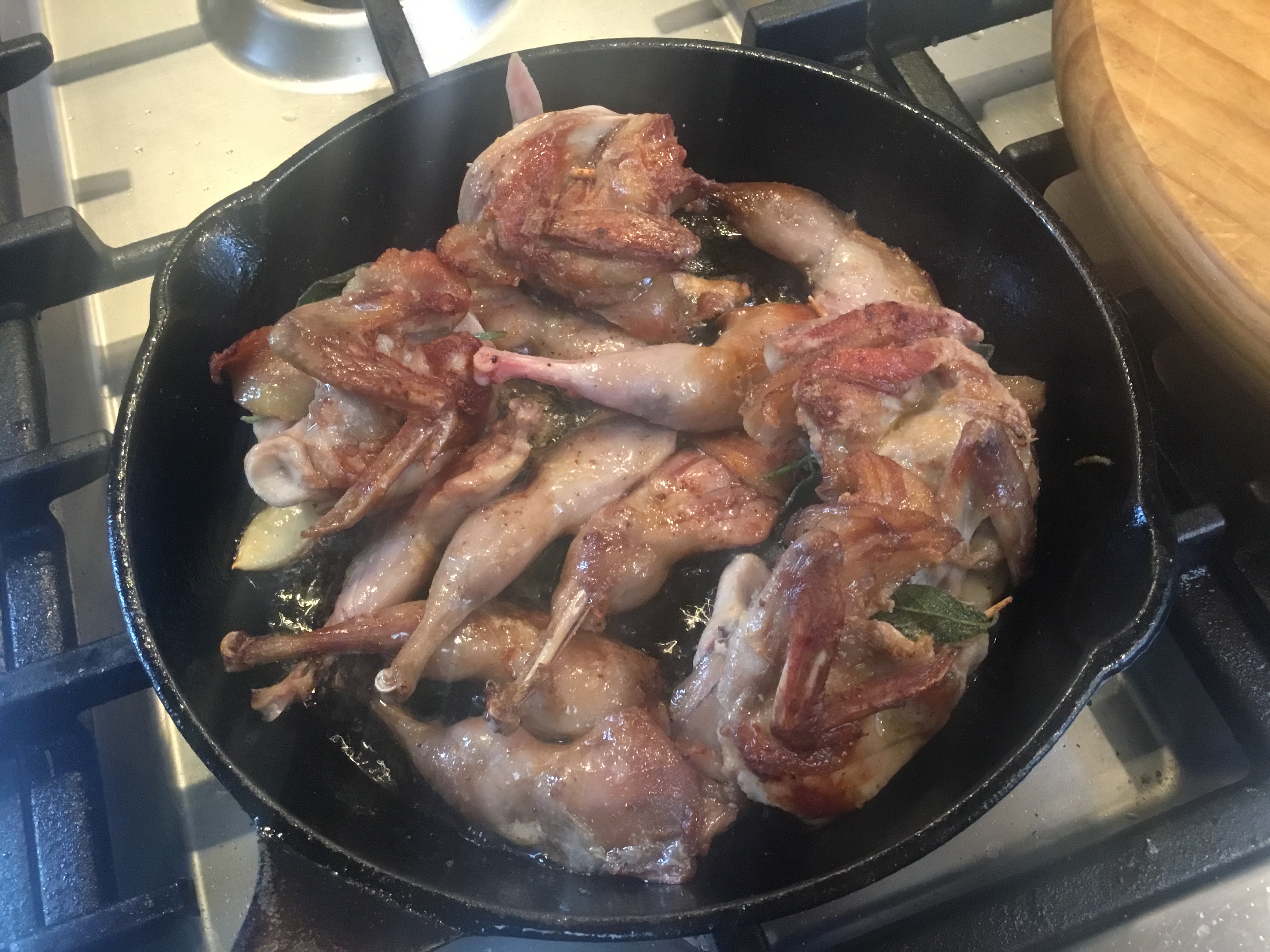


 ). I now have four times as many animals to select from with one less selection parameter – colour. The interesting thing is that all Whites have disappeared and very few Tibetans are left as the Italians and Pharaohs take over on merit only. There is a new colour developing, being a dark cross between all the breeds.

 With temperatures rising and with possible water shortages looming we have to waste less food. What is viewed as food in today’s supermarket shopping culture is a good question. If you have your own garden and you don’t use insecticides,
  Back Yard Farmer