QUAILS and LIGHTING PROGRAM

To maximise egg production in Coturnix coturnix Quails from 5 weeks of age through peak and sustained lay, lighting must be managed as a structured, consistent program – not left to chance

From 5 weeks of age, just prior to sexual maturity (first eggs typically appear at 6–8 weeks), gradually increase total day length to 15 – 16 hours per day. Extend light slowly, no more than 60 minutes per week, using timer-controlled supplemental lighting. Maintain moderate, even intensity at bird level (approximately 10 – 15 lux) – excessively bright lighting can trigger stress and aggression

Combine natural daylight with artificial lighting strategically. As natural day length changes seasonally, artificial lighting must be adjusted so total daily exposure stay on 16 hours. During transitional periods, light may need to be added both before sunrise and after sunset to “cap” the day length at a consistent 15 – 16 hours without overshooting as daylight expands.

Key principles for maximum production:

  • Maintain a consistent 15 – 16 hours total light (natural + artificial)
  • Never exceed 16 hours per day
  • Provide at least 8 hours of uninterrupted darkness for proper rest and hormonal balance
  • Never reduce day length once birds are in production, as this can trigger a drop in lay or induce molt
  • Adjust lighting gradually as seasons change
  • Use reliable timers to prevent sudden fluctuations

A stable, well-managed photoperiod stimulates ovarian development, supports early peak production, and sustains annual outputs of approximately 200–300 eggs per hen. Consistency in timing, intensity, and seasonal adjustment is the foundation of long-term, high-level performance

Alternatively, if you prefer, you can leave your quails to follow the natural seasons, but expect seasonal drops in laying during shorter winter days.
UPSIDE DOWN BANANA BOXES

INSIDE TE HATCHERY

For many years I used plastic brooders to grow my small quails in and it worked very well. The problem came having to clean these all the time and since I replace about 10 of these in my hatchery every week, it became a very laborious and unpleasant task. A water blaster was the only way to clean them properly which created a lot of effluent as well. Alternatives were investigated and I settled on Banana Boxes. The advantage is that there is no cleaning as I just replace the used box with a new and clean one. The downside was that I had 10 manure and bedding “soiled” banana boxes every week. I solved this by flattening the boxes and turn them upside down in my garden with the manure and bedding underneath and the box on top. This makes a wonderful source of nutrients fertilising the soil and also an excellent weed mat.


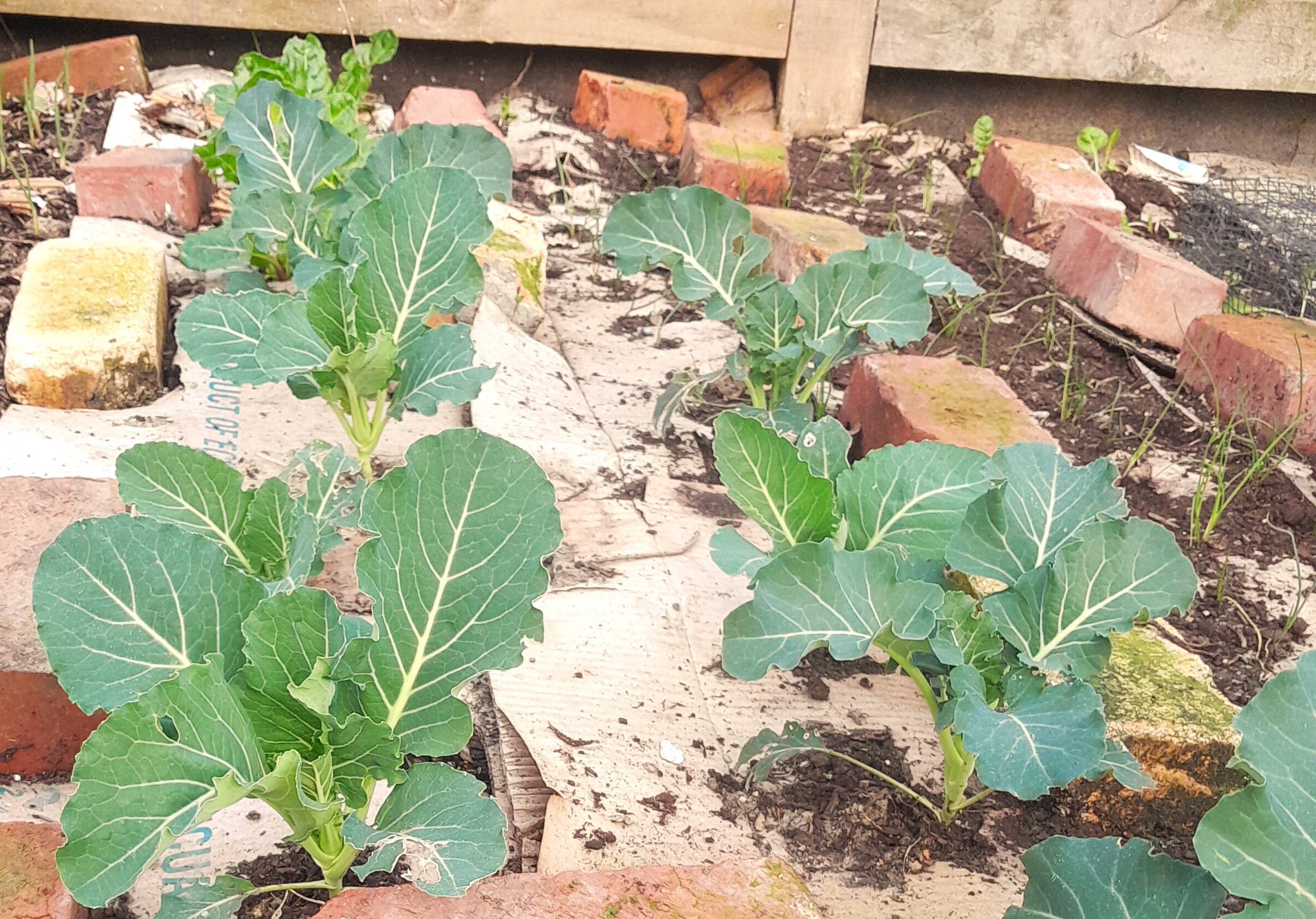
The results are excellent from a plant growth point of view and I have also not seen that many earthworms in all my live. I normally leave the boxes, well watered, for a couple of months before drilling a 40 mm hole about 200 mm deep through the box into the ground, fill it with good quality soil and plant the new plants or seeds it the hole. One needs to pack the boxes down in the beginning (I use old bricks) until the plants are stronger, otherwise the boxes move too much and the hole is not over the seed any more, or the small plants get damaged. After about 1 month the boxes have disintegrated and the bricks can be removed. The plants are now strong enough, weed free and well fertilised.

Ready to plant an Artichoke Forrest

One of the many Tomato beds ready for planting
Brassicas are very happy
Garlic is going very well
Boxes are well disintegrated after 6 weeks

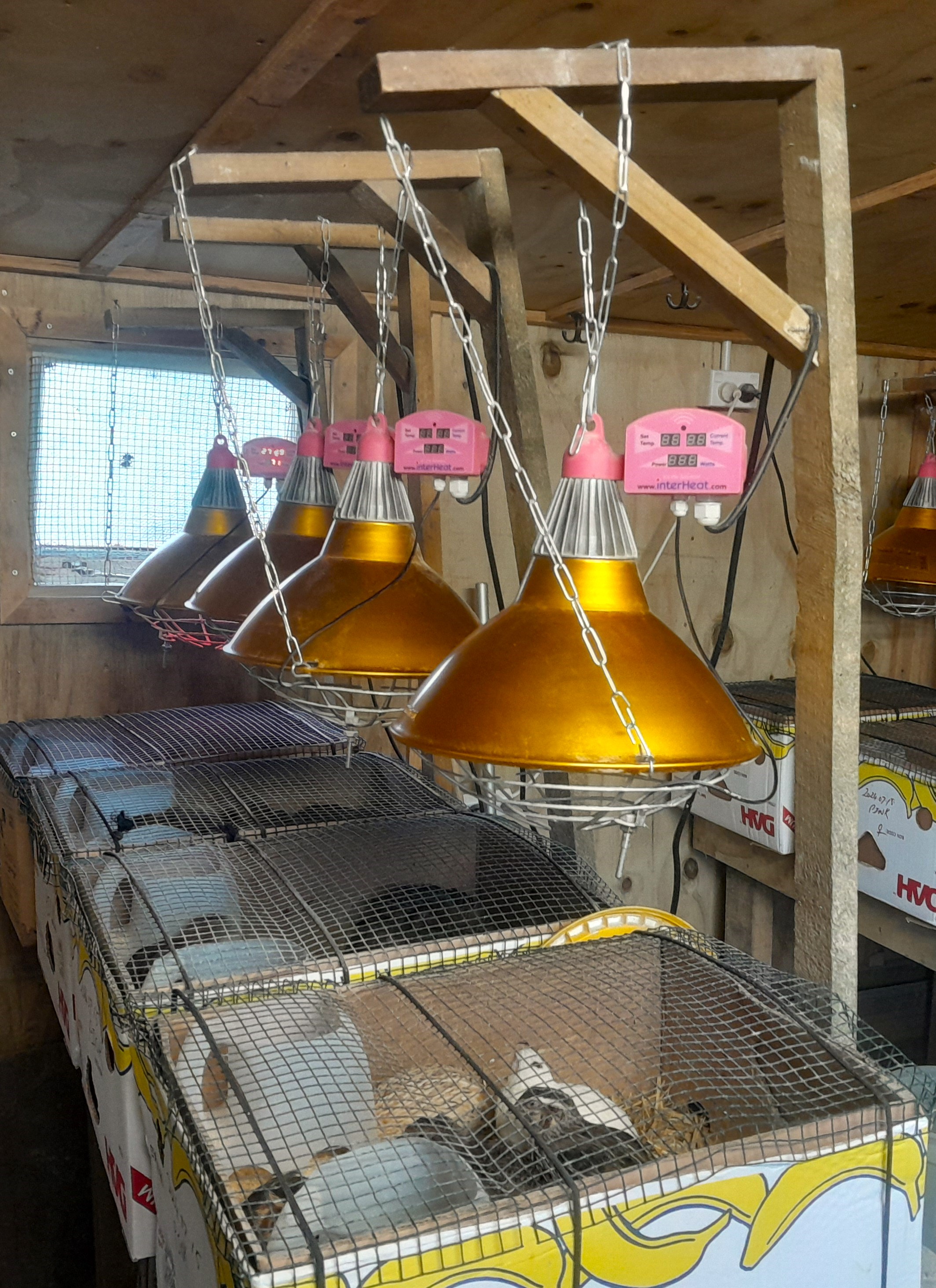
IFRARED HEATED BROODERS

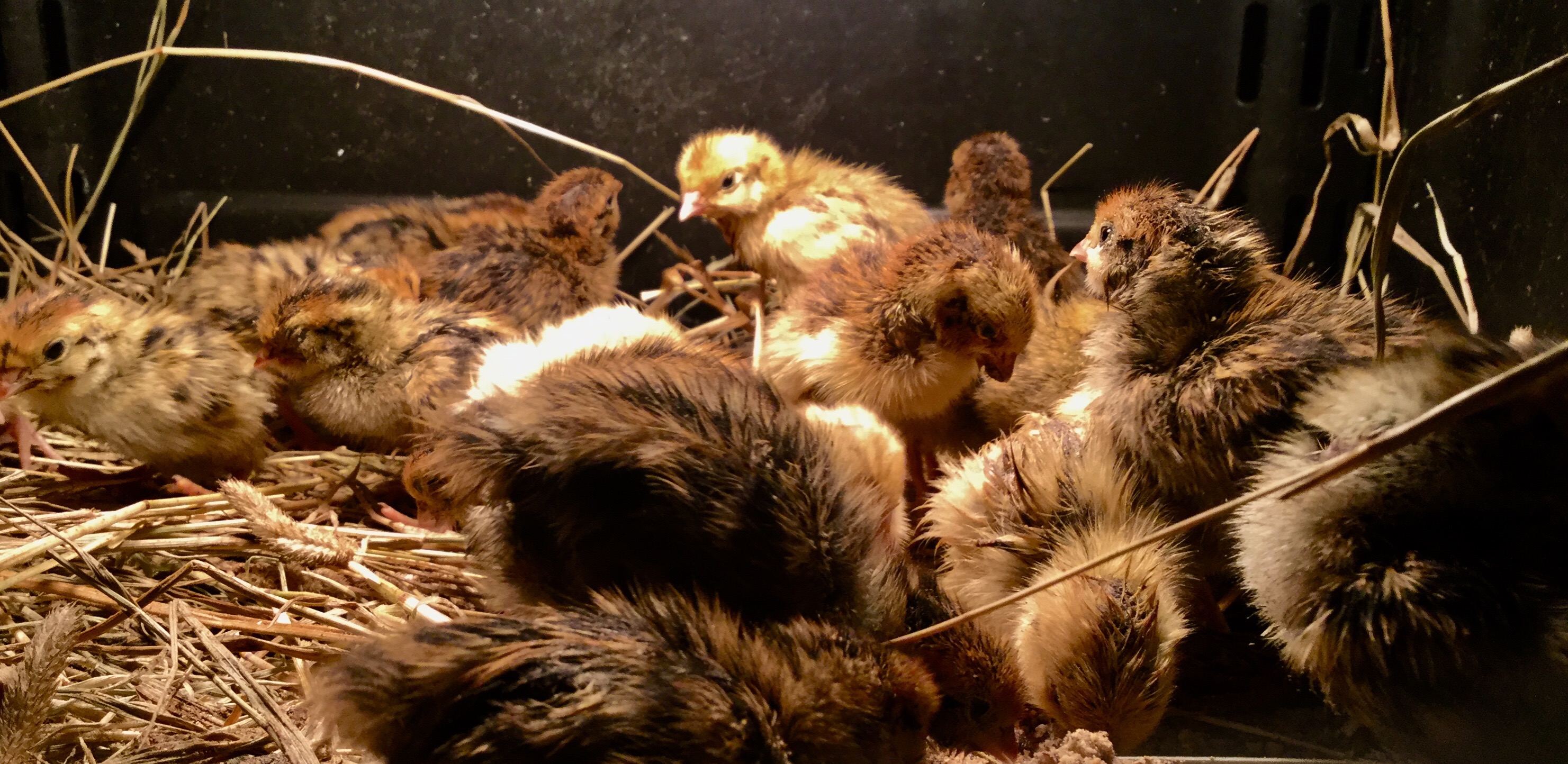
About a year ago, I introduced Remote Control Automated Infrared Heating in my quail brooder houses with excellent results. Mortality is down from already low values and growth rates are up, which partially may be as result of the selection pressure I constantly apply towards growth rates. Best of all is that my electricity usage is down as the heating is applied only when and how much is required all the time, compared to the previous system where heating was applied all the time and only adjusted manually every few days, neither were there any adjustments for ambient temperature fluctuations.

I have seven of these units – basically one for every age group as I hatch a batch every week and move them outside when 7 weeks old.

QUAIL HOUSING

Housing for quails is fairly simple, but there are a few rules that would make there lives much more pleasant and productive

1. The housing must be 100 % dry AT ALL TIMES (100 % roof coverage with adequate overhang). Open on two sides with two solid walls protecting birds from prevailing wind and rain. The open sides need mesh of about 13 mm X 13 mm aperture as cats would put their claws through the holes if it is larger and kill the quail. As much sun as possible with shady spots if they want to get away from the sun. The cage roof must be a maximum of 500 mm high, otherwise the quails may injure themselves if frightened and take off hitting their heads on the roof

2. Quails need an area where they can hide from prevailing winds and drafts. Nooks and crannies and / or thick vegetation is required

3. Coturnix Quails are ground dwellers and would not roost and would very seldom use a second level upstairs – so all their food and water requirements need to be at ground level. They can be taught to go up, but it is not natural for them

4. Coturnix quail need a sand bath to keep them healthy, happy and clean – so if their cage is on the ground and DRY, it is all good as they would create their own sandpit

5. Clean water and feed of the correct type all the time (ad lib). They would eat greens and table scraps (love meat) and it can be fed to them all the time as long as it does not make up too much of the diet (maximum about 20%)

6. A floor area of at least 2 meter square per group of 4 – 5 females and 1 male for the ideal cage (meeting all the above specifications) or more if the cage is deficient

7. If you want the quails to lay eggs all year round, you need to provide light for 16 hours per day, alternatively they will molt when the days are getting shorter and stop laying until the next season.