QUAIL PETS

2014-03-14 - Quil Pet House2014-01-07 - Rosetta Male2013-10-24 - Tibetan Coturnix 21

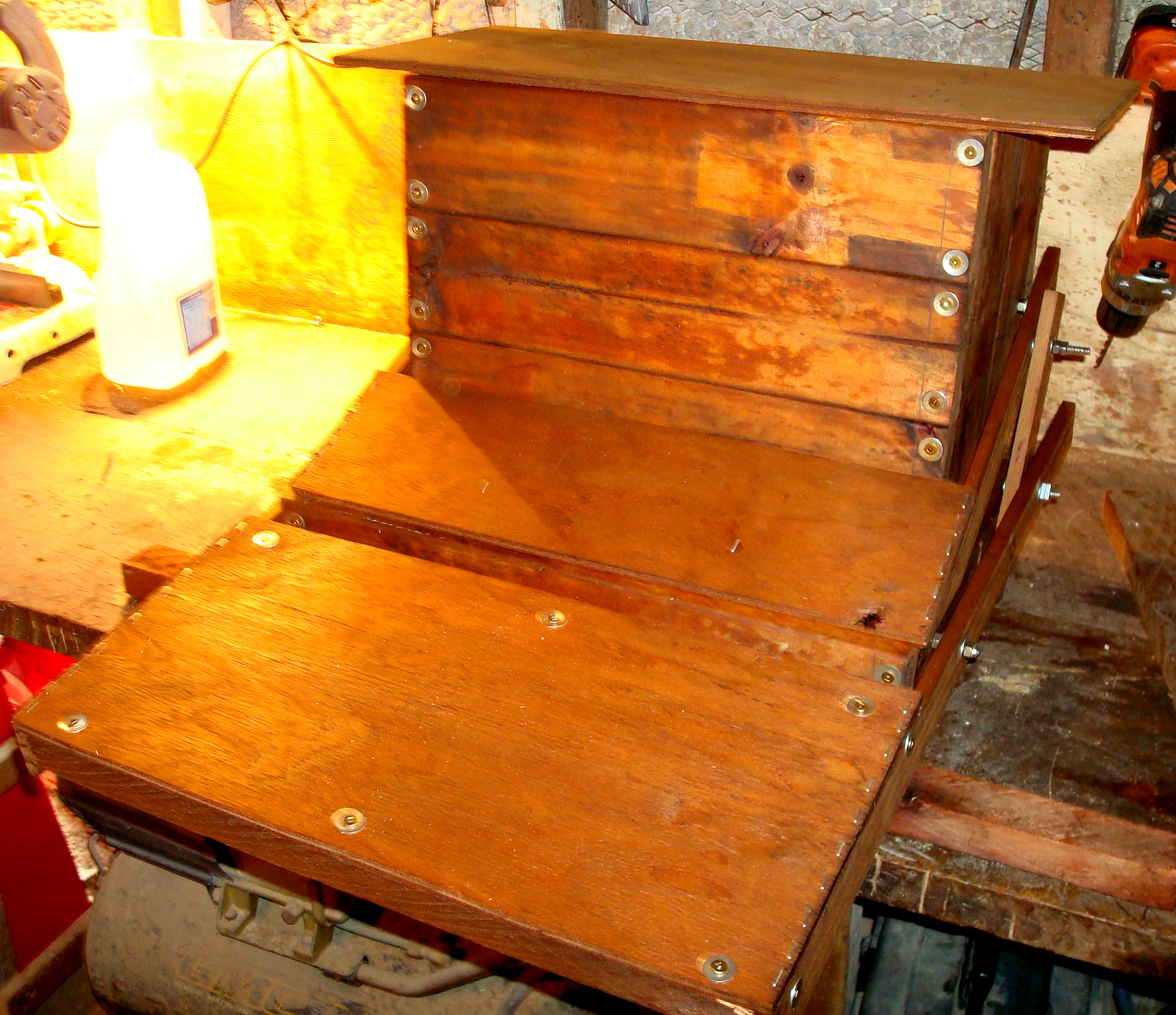
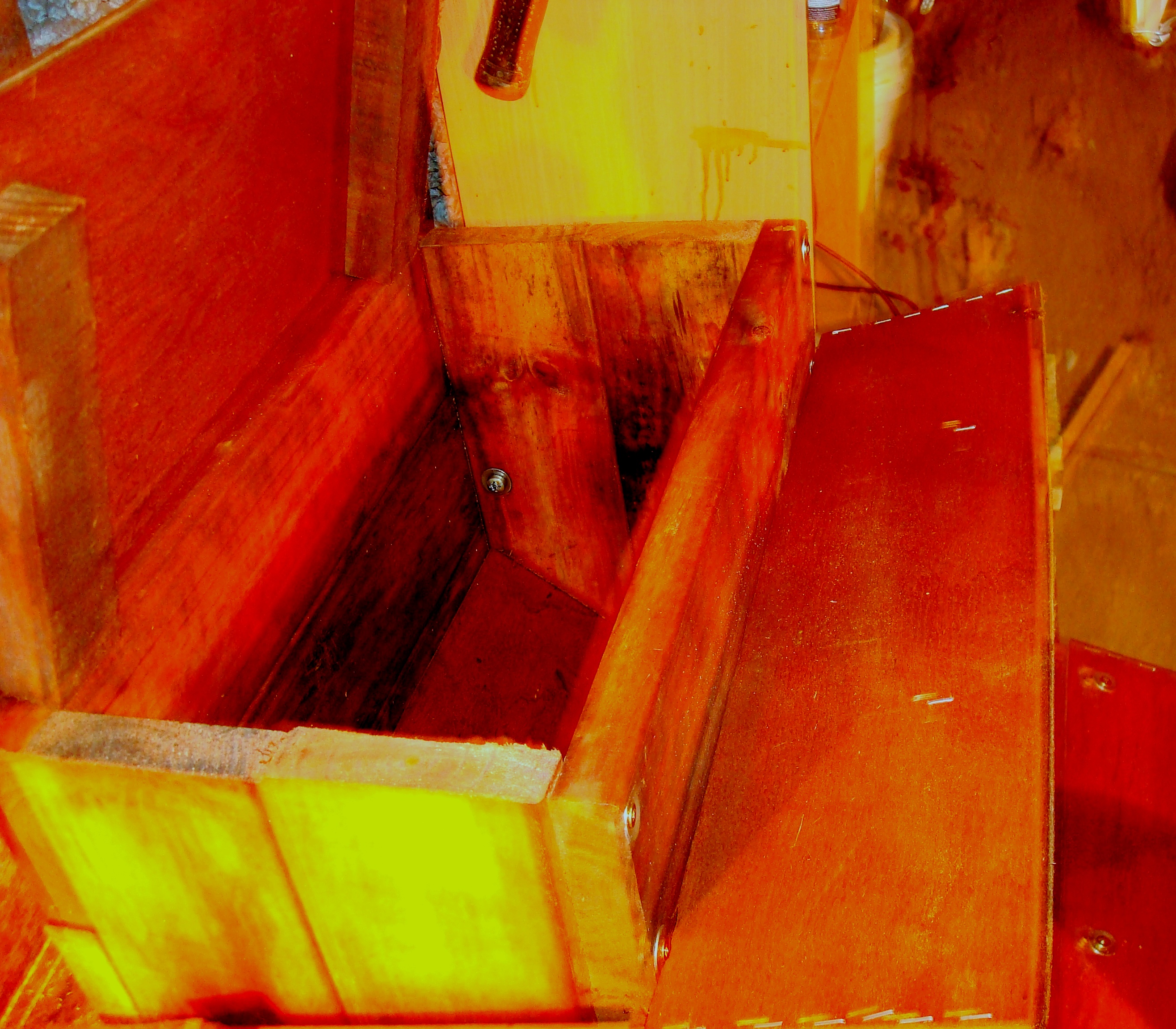
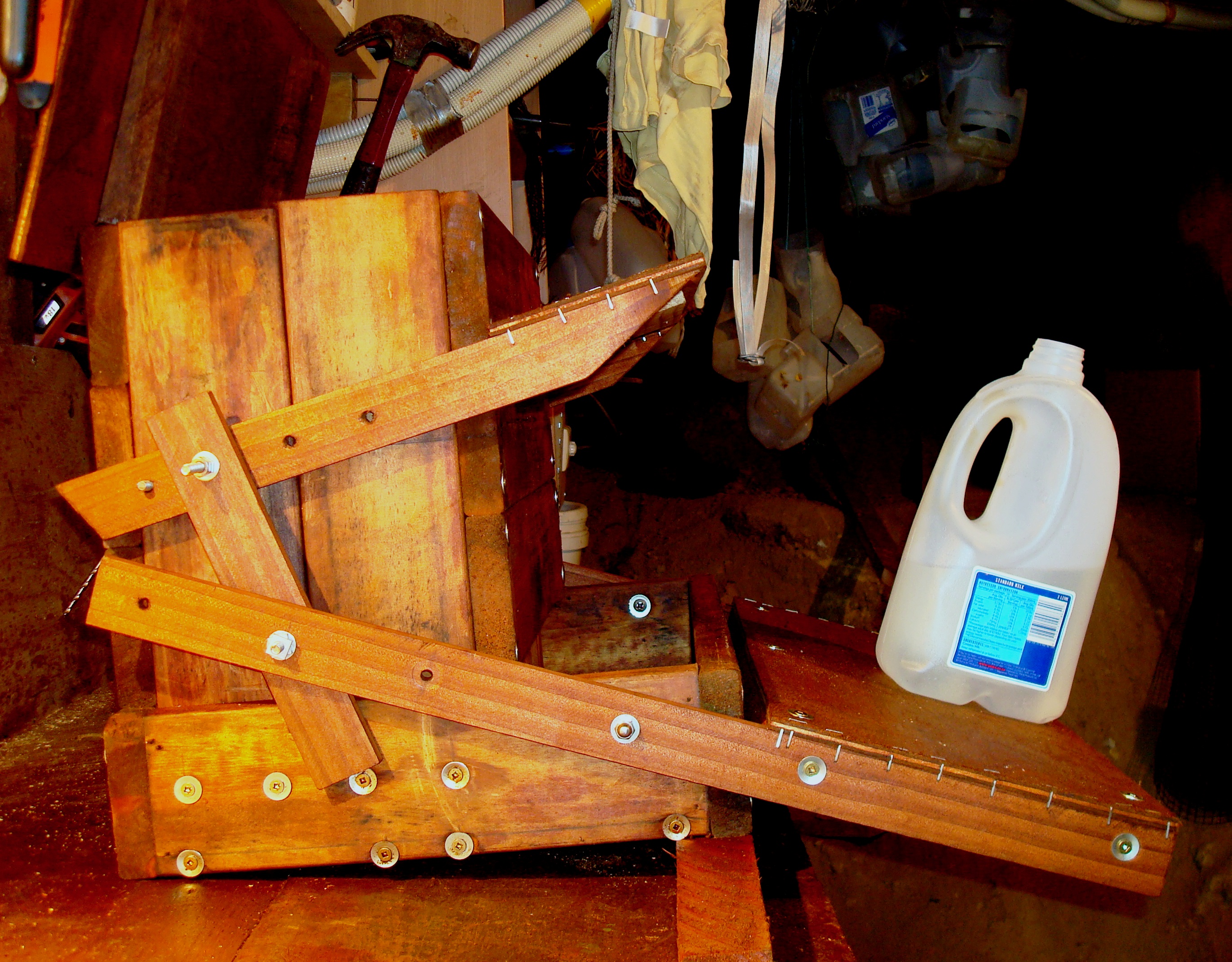
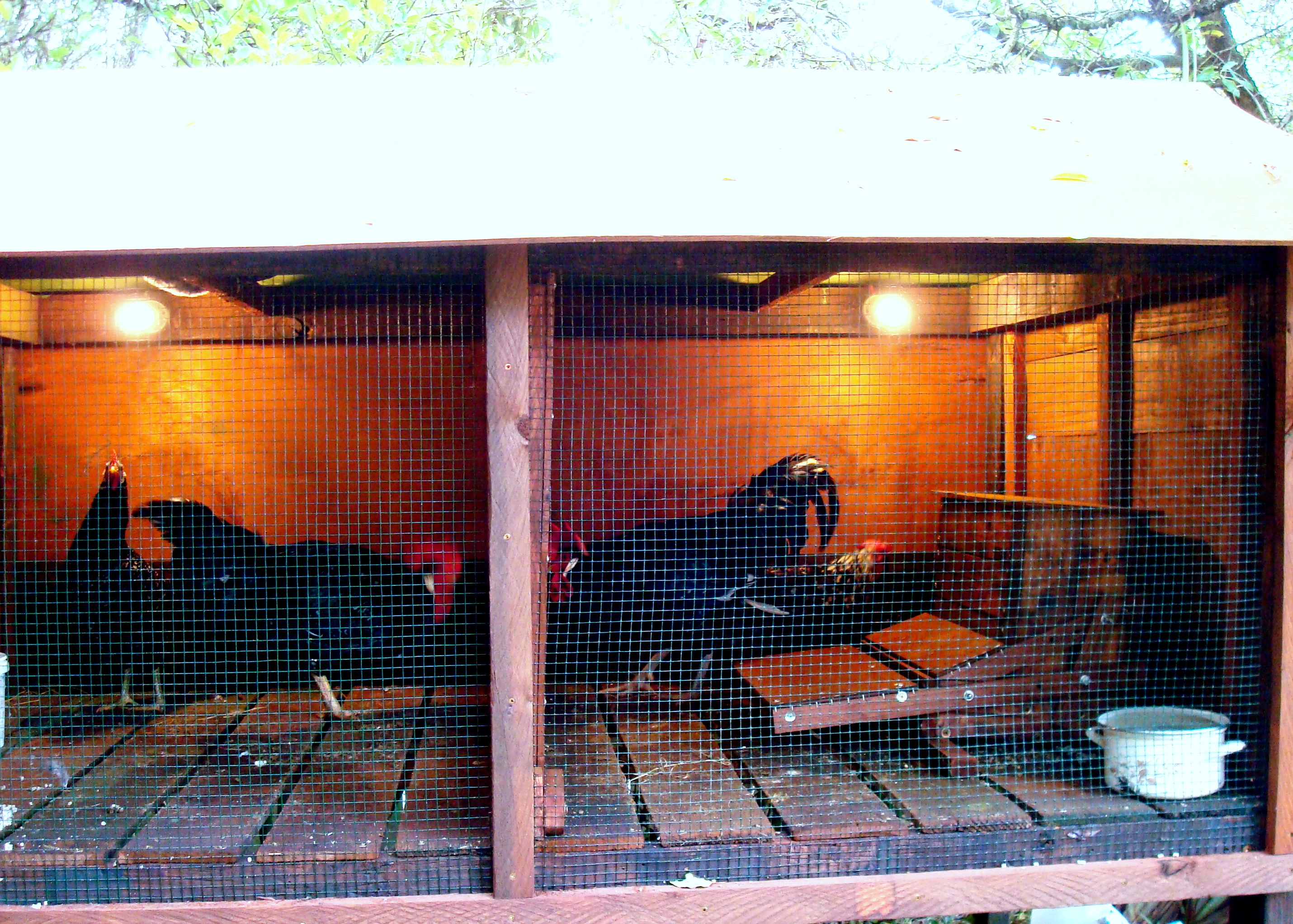
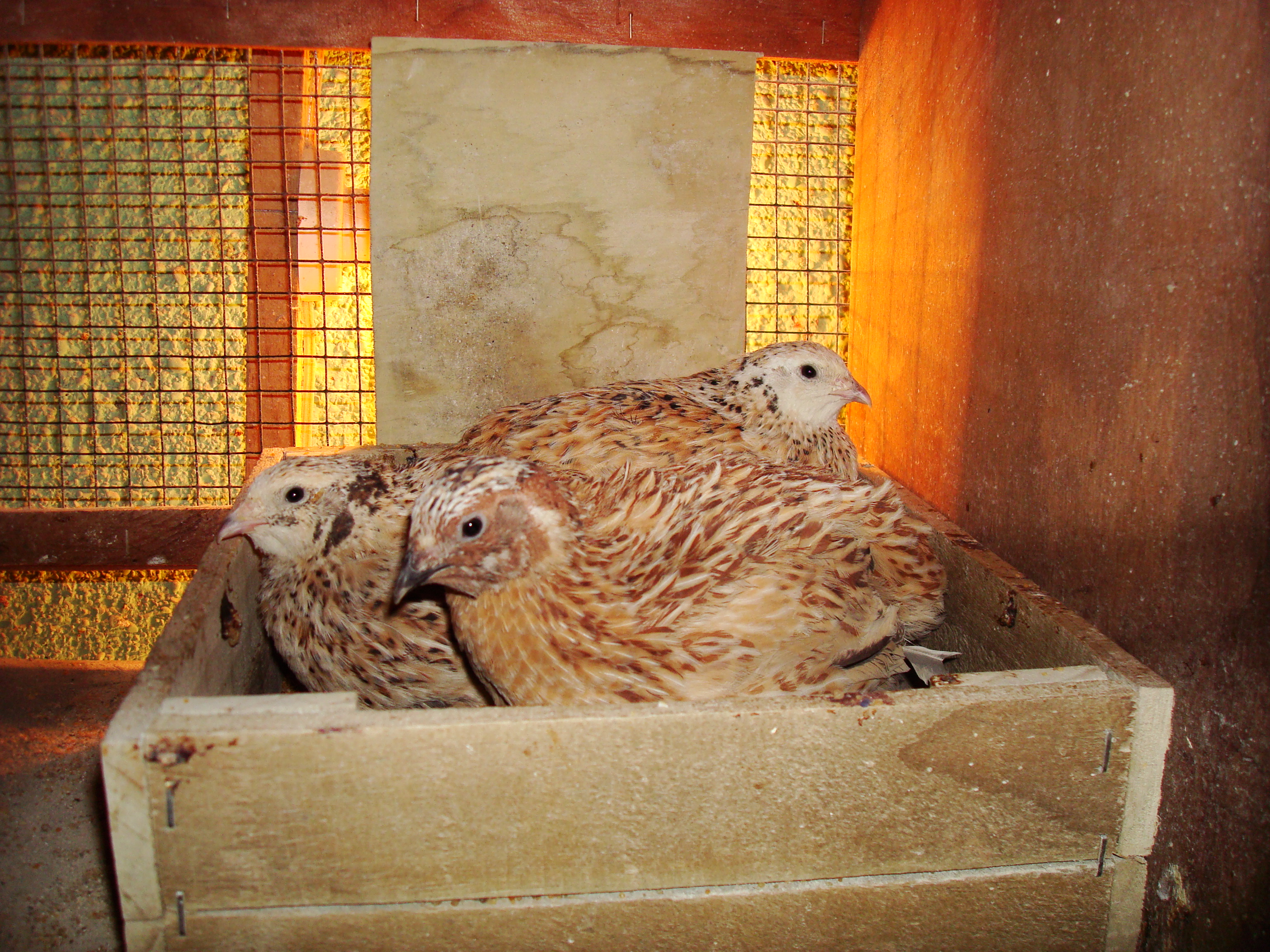
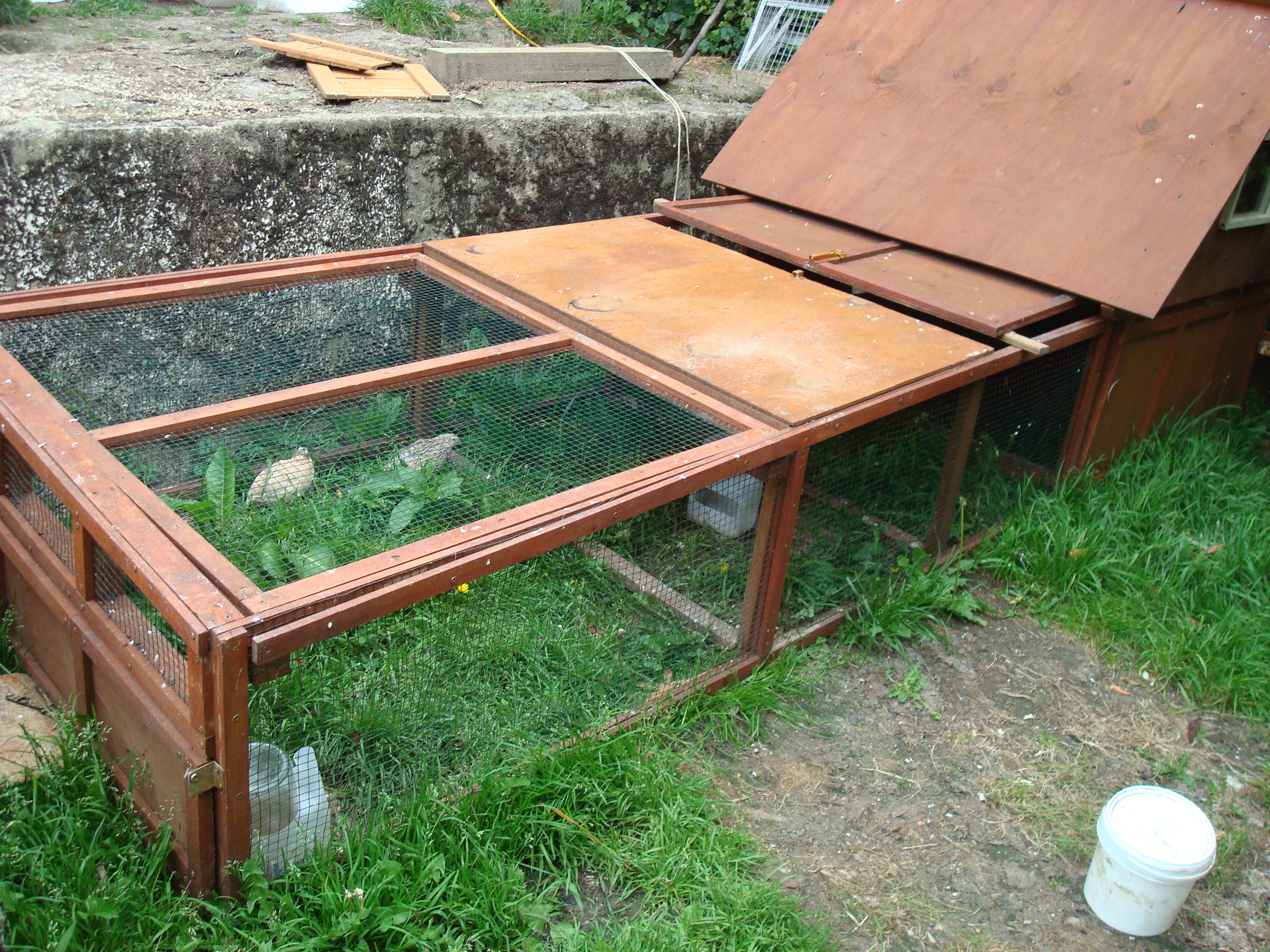
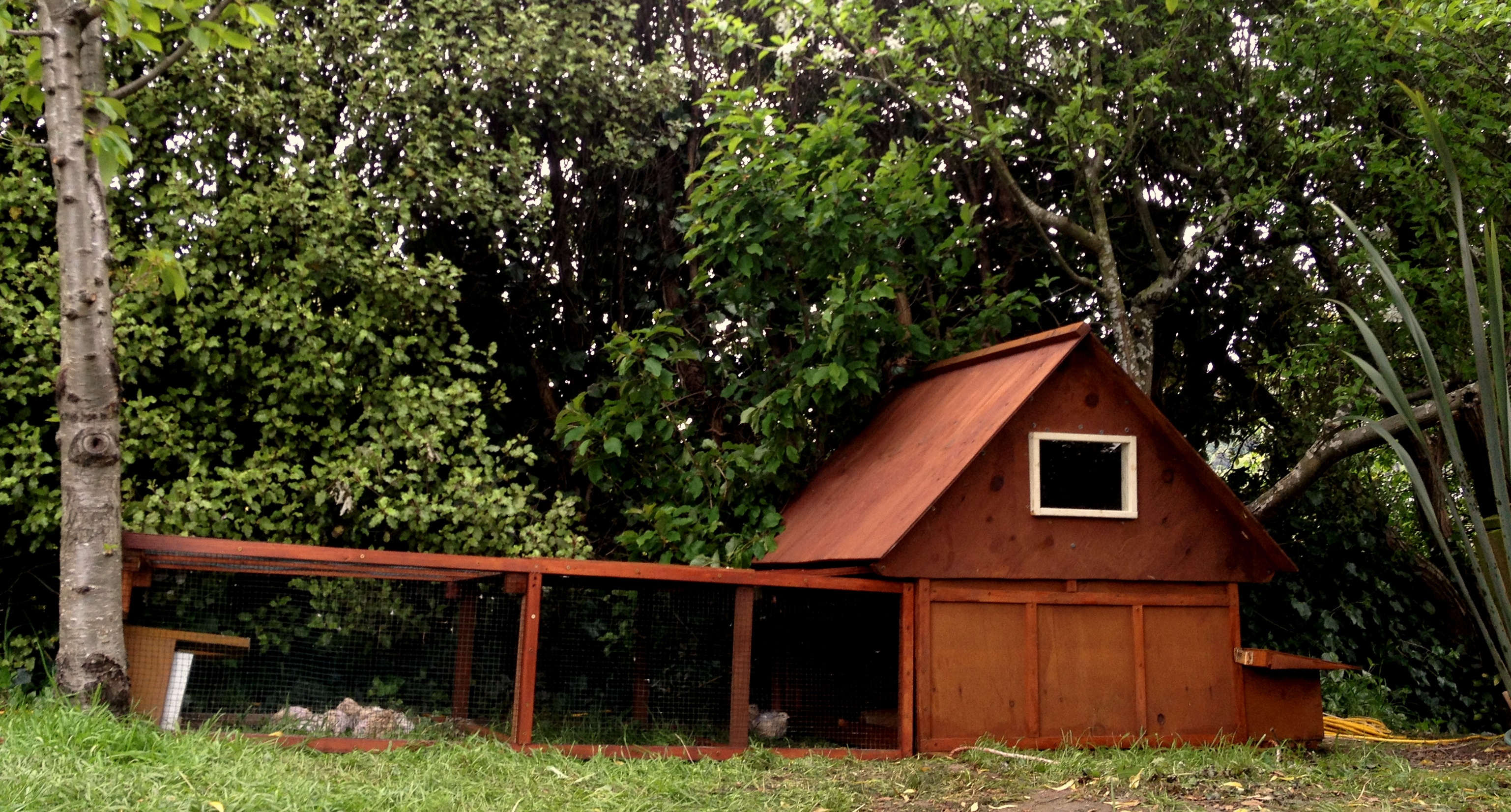
As result of many requests for Quails as pets, I have designed and built a Quail Pet House, which comes complete with four Quails ready to start laying eggs.

Quails (Coturnix coturnix) make the perfect pet. Not only are they docile, quiet, inquisitive and clean, but each quail will also give you a delicious egg every day, so they pay for their own upkeep;  how many pets can claim that!  Quails become very tame and by nature are relaxed and adaptable little animals. They are amazingly efficient and incredibly interesting little creatures.

Small incubators for people that are interested in hatching their own quail babies are available, which is an excellent child project that teaches them the basic principles of breeding and rearing, apart from just looking after and enjoying a pet.

This little Quail House ( under 1 x 1 meters) fits into any small area and can stand in a bedroom, in the garage, on the veranda or  under a tree in the garden. They are  strong and built to withstand all weather conditions. Made from tanalised and double oiled wood, this pet house is durable and will last for a long long time. A roof door and easily replaceable floor (extra floor included) makes cleaning an easy and quick task.  Also included is a sand bath and water and food feeders.

The ideal pet accommodation for all needs. The ideal mini aviary.

Sand for Scrubbing Quail Feet

2014-02-20 15.49.34

I prefer to keep my quails on wooden floors, not wire mesh, and I am sure they are happier, healthier and more comfortable that way. I experience far less foot problems with my quails than I have observed on wire mesh at other locations . The problem is that their feet get ‘dirty’ with bits of manure and feed dust sticking to and drying on their toes. Quails love to scratch around and the easy way to solve this problem and keep them happy is to provide sand baths laced with diatomaceous earth in each cage. The  sand must  not cause dust, or be fine enough to clog up the automated water system. After hunting high and low for the correct sand – visiting building suppliers, road builders and driving up and down the coast visiting various beaches, I was fortunate to find a supply close to home – a beach some ten kilometers south of Dunedin. Getting a bucket of the roughest textured sand every few months, I think is OK as I suspect it may not be “legal” to collect and remove sand from NZ  beaches.

Every sand fetching day becomes a picnic day, with the grandchildren, on one of the many fabulous beaches close to our house – provided Otago weather does not get out of hand. Yesterday conditions were perfect for ‘sanding’  as these pictures prove !

2014-02-20 13.19.04 2014-02-20 13.43.49-1 2014-02-20 13.43.40-2

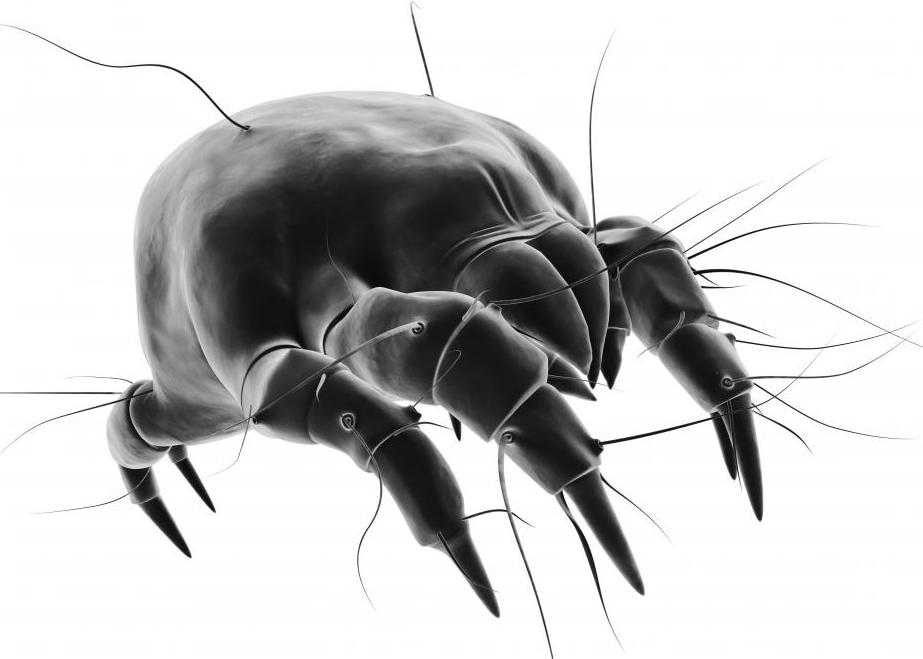
MITES AND LICE ON POULTRY AND OTHER ANIMALS

2014-02-24 - Fowl Mite 2014-02-24 - Fowl Mite 2014-02-25 - Fowl Mite 2014-02-24 - Red Mite clump after a blood feed 2014-02-24 - A Mite


RED MITE MONSTER from Piterest

As with most parasites control programs there is no quick fix solution and it should more often than not be a long term management plan.

I do sell DA at $26 per 3 Kg – Free delivery in New Zealand (RD delivery is $5 extra)

Back Yard Farmer

Tel – +64 211 34 14 52

byf@backyardfarmer.co.nz

www.facebook.com/backyardfarmernz

http://www.backyardfarmer.co.nz

Dunedin – New Zealand

QUAILS HAPPIER IN BATTERIES THAN OUTSIDE

2014-01-21 - Inside Quails2014-01-21 - Outside Quails

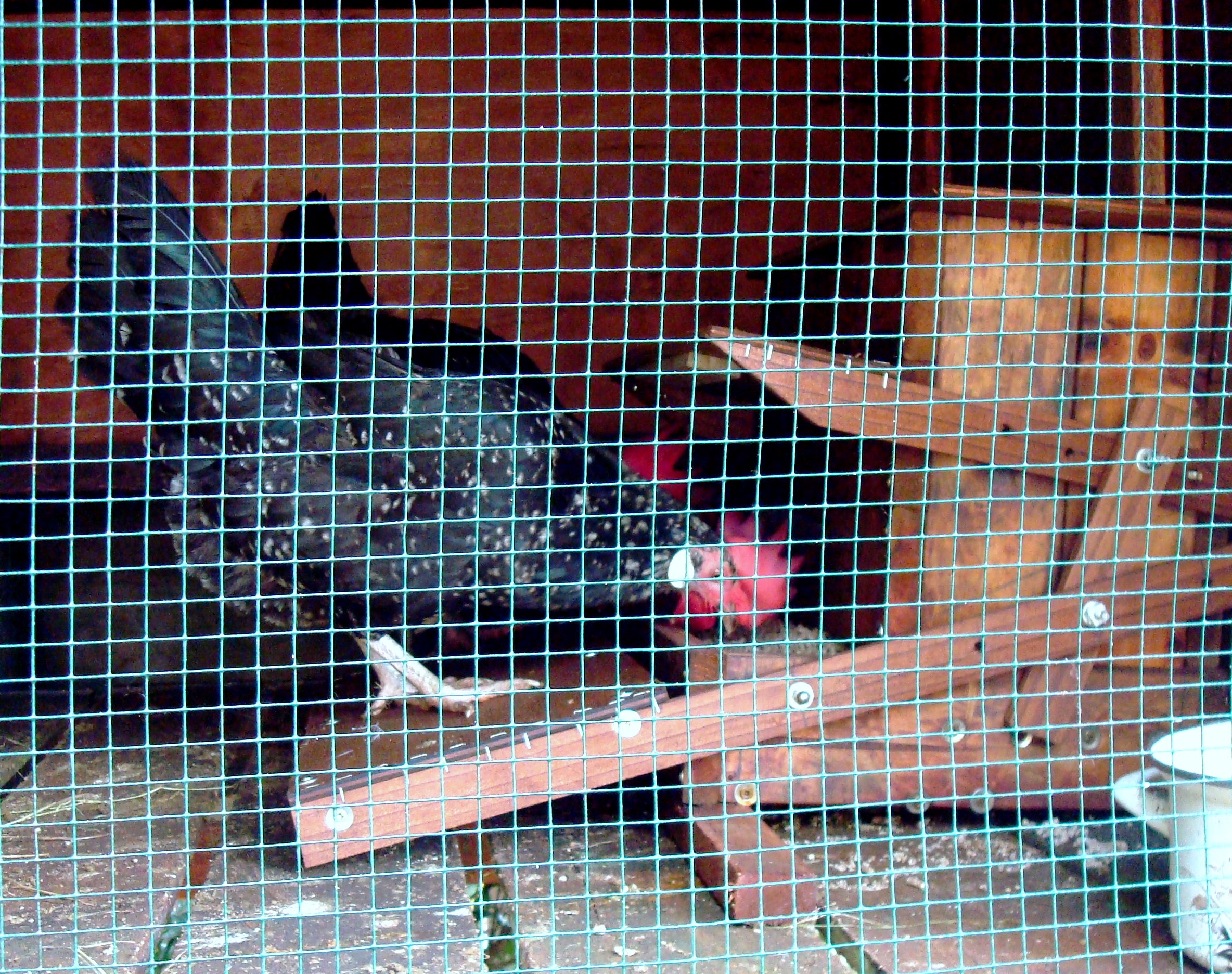
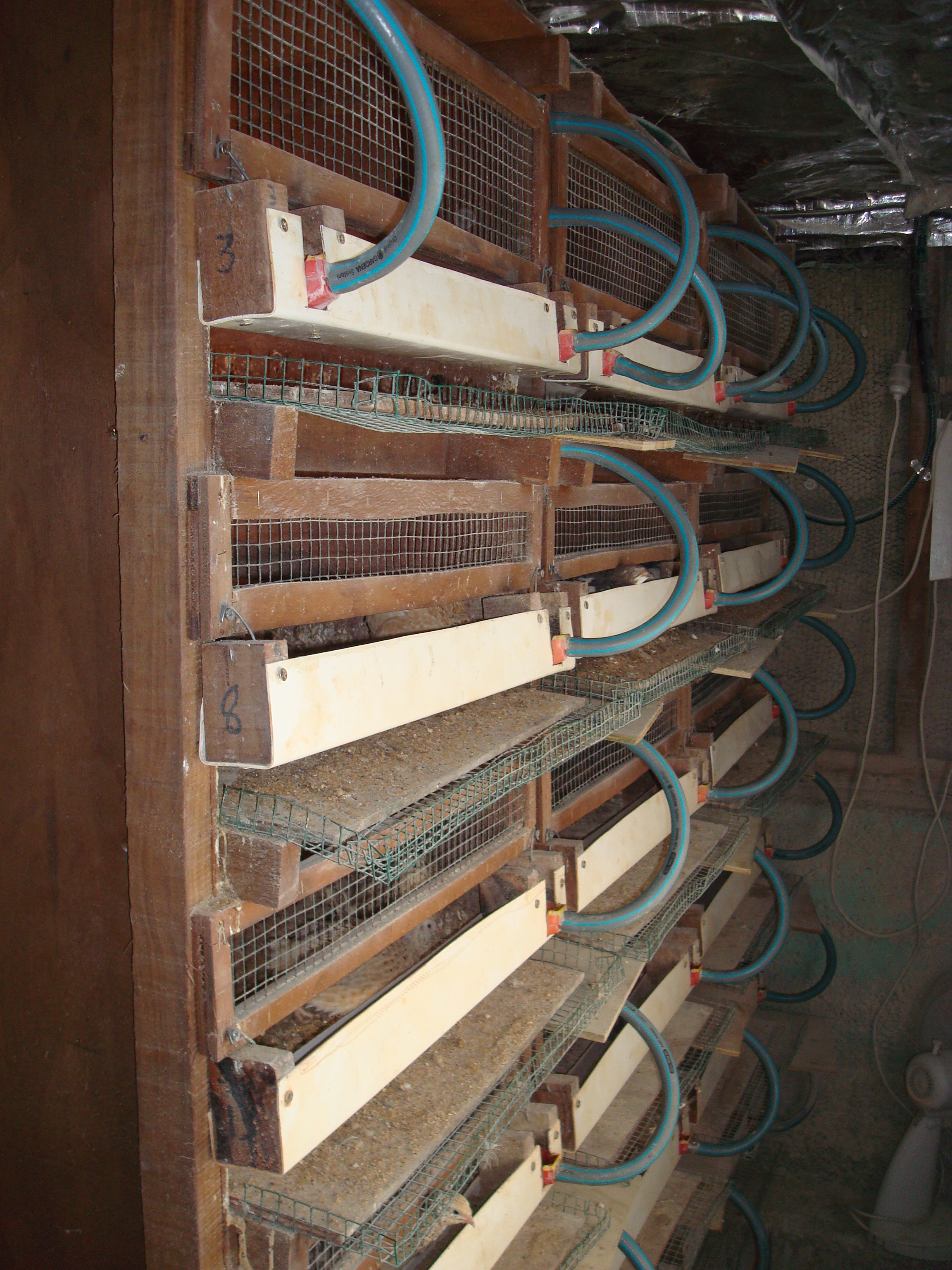
I consider both my housing systems for quails as very adequate, providing for the needs of the birds first and foremost. Even though I manufacture and sell both systems – i.e. Production Cages (“Batteries”) and Free Range Housing (Movable outside units), the birds are much happier and more calm and content in the inside cages than outside, irrespective of the fact that stocking densities are 14 Quails per 3 Meters Square outside and 7 Quails per 0.25 Meters Square (500 mm X 500 mm) inside. I provide fresh food and water ad lib as well as clean sand baths at all times in both systems. Both systems house Males and Females together. My housing design has been influenced by years of experience and very close observations and understanding of the Quails, as I have run commercial units in both systems for a long time. My observations are backed by the quail behavior and performance as they have higher production, lower mortality and better feed conversion in the inside cages compared to outside. Knowing Quails very well I can also confirm that they are much quieter, calmer and more content inside. This may be as result of a number of factors like fixed light intensity and duration, other controlled environmental factors such as no drafts, wet conditions and extreme temperatures inside as well as the absence of visible threads like large flying birds and other predators. Quails do not enjoy running around in search of shelter and food, so relative confined ares are more suitable for them.

2013-10-17 - Quail Palace2014-01-21 - Batteries

Inside the mind of a Quail

QUAIL WATER DRINKERS

I am a minimalist and like to use whatever is on hand, but won’t compromise on efficiency and quality of the end product. Plastic is definitely not my favorite material, but in today’s life you cannot avoid it, so why not use it and save it from landing in the garbage bin and become part of the world wastage problem.  I use an old plastic milk and peanut butter bottle to make a very effective quail water drinker FOR FREE and in the process drastically reduced my carbon footprint.

Knowing quail babies love to climb on and into everything and during the first few days are very clumsy and petite,  I used this knowledge to make a quail water drinker that encourages the little quails in the beginning to climb into the drinker to make water consumption easy, without being able to drown, get wet  or get stuck in a corner. When they are a few weeks old and know their way around the brooder and eat and drink freely, I switch to a drinker that they cannot get into and spoil or soil the water.

2014-01-06 - Juvinlile Water Feeder 1

Use a milk bottle and cut a large enough hole into both sides so the baby quails can freely enter and exit. Place a piece of wire netting (leftover from the last cage you built) inside to fit well with the sides turned slightly down so the netting is about 5 mm off the bottom of the bottle. Fill with water until the water touches the netting and you are ready. Cut the top off the milk bottle to make cleaning easy.

2014-01-06 - Juvinlile Water Feeder 2

This will encourage the little quails to enter without any risk of drowning or getting wet.

2014-01-06 - Juvinlile Water Feeder 3

Drinking made easy

When the quails are about two weeks old, I switch to adult Drinkers

2014-01-06 - Adult Water Feeder 1

Take used Milk and Peanut Butter Bottles. Any other bottle will work as long as it fits tightly inside the milk bottle. Cut off the top of the milk bottle. Cut a oval hole in the side small enough so a quail cannot enter it’s body, but large enough it can poke it’s head through – about a 30 mm opening and about 50 mm off the bottom.

2014-01-06 - Adult Water Feeder 2

Now drill four holes (opposite side) into the peanut butter bottle

2014-01-06 - Adult Water Feeder 3

The hole in the peanut butter bottle must be lower than the bottom edge of the hole in the milk bottle

2014-01-06 - Adult Water Feeder 4

Fill the Peanut bottle with water replace the lid and turn upside down and insert into the milk bottle.

2014-01-06 - Adult Water Feeder 5

Here you have 1 Liter of water that the quails cannot soil, but have easy access to

2014-01-06 - Adult Water Feeder 6

Happy Quails and Happy Farmer !!