Melanzane e Mozzarella al forno (Baked Eggplant)

2016-03-09 - Melanzane e Mozzarella 1

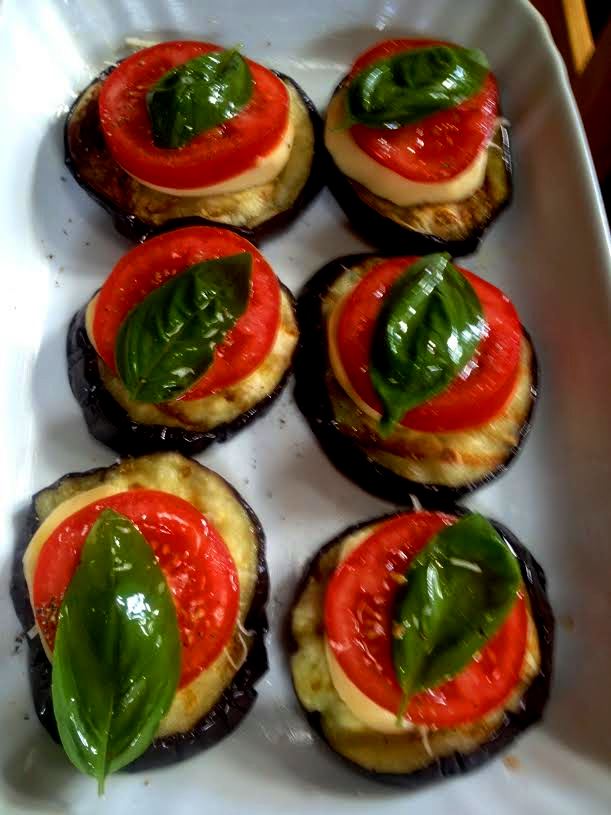
Lately I have had this constant craving for eggplant, probably as I have not been able to grow it in Dunedin (yet). So I have to believe the merchant selling it to me that it is organic and fresh, but fortunately the rest of the ingredients for this dish has been home produced. I am surprised by the amount of tomatoes coming from the Dunedin garden – mostly the result of love and tender care to the plants on the front veranda by Mrs BYF. The milk to make the Mozzarella is not from Bufala, but from our very good Jersey dairy in Port Chalmers. Basil was in abundance this year from my miniature hothouse in the back yard.

Cut the eggplant in rounds, ad salt and leave for half an hour. Rinse off the salt and dry properly. Dust with flour and fry in a pan of hot oil until soft. Now assemble in a buttered oven baking dish, the eggplant, then mozzarella and finish with a slice of very ripe tomato and a slither of garlic. Add salt and pepper. Drizzle with good extra virgin olive oil an bake in the oven at 200 C  for 15 minutes. Finish with a decorative basil leave and some more olive oil and serve hot.

ENJOY with a glass of good home made red wine !!


BACK YARD FARMER’S LUNCH

2015-01-15 - Italian Lunch

Cured olives (picked last year in Cromwell), dried tomatoes, garden salad, peperoni sott’ olio (capsicum under olive oil), peperoni grigliati (roasted capsicum), calabrese salame, pickled onions, provolone cheese, focaccia and, of course, dry wine (apple and black currant) – ALL HOME MADE. I am very happy with the result of all the hard work. A few more kilograms tomatoes, capsicums and eggplants processed should see us through the winter.

NO MEAT LUNCH

2014-11-16 - No Meat Lunch2014-11-16 - Artichokes2014-11-16 - Carcioffi Cooked2014-11-16 - Carcioffi Eaten

Lunch without meat does not often happen in our house, but today’s meal was so good I almost did not miss it. Fritters made from radish leaves, of which the seeds were purchased from Italian Seeds Pronto the very good Italian Franchi seed supplier in New Zealand, complimented by home made yogurt with milk purchased from the most beautiful dairy farm ever. A salad with borage leaves and flowers, the plant being supplied by Kimberley of Good Life Gardens in Dunedin, mixed with radish from the back yard and a good vinaigrette  – mix two parts good extra virgin olive oil with one part of home made apple cider vinegar, ad a bit of salt and pepper and shake well before dressing. Of coarse all were supplemented by good home made wine.

This was followed by artichokes again from our dairy farm in Port Chalmers. We like to cook it in water with a squeeze of lemon until the leaves come free when pulled lightly, then drained. Pull the leaves from the head and dip into good extra virgin olive oil with plenty of salt added to it and then rip the soft flesh from the leave with your teeth. After an enjoyable meal you eventually reach the pot of gold at the end of the rainbow – artichoke hearts!

All of the above accompanied by delicious home baked bread and at the end there is no space left for the meat in any way.

ENJOY !!!


Cheese Production for May 2014 – Romano recipe

2014-06-02 19.54.09


We use a lot of cheese in cooking and for light meals.  There is very little choice in Dunedin where Italian cheese is concerned, so I hope to keep us supplied all year round. I shall soon post some information on the background and various uses of Italian cheeses


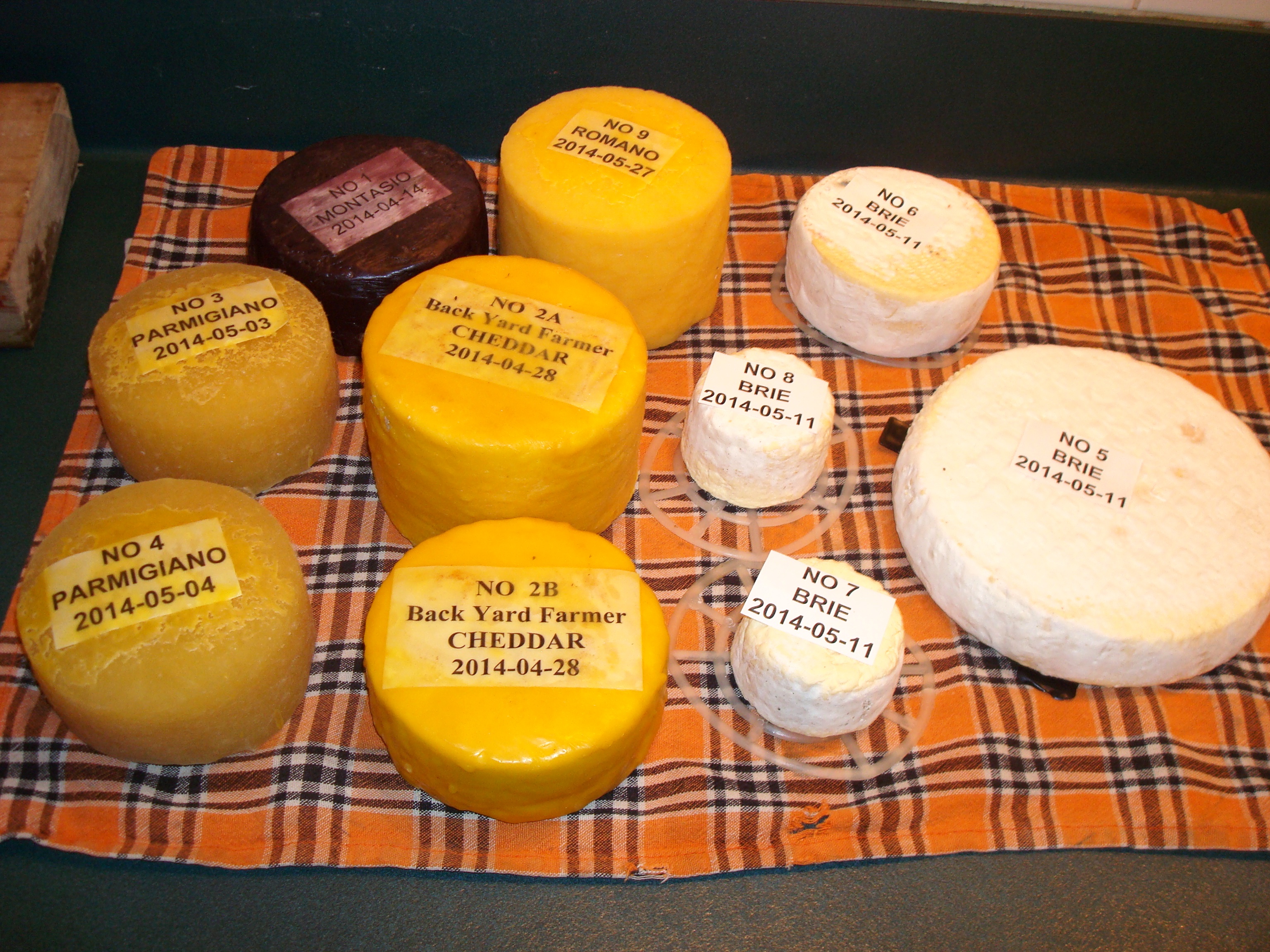
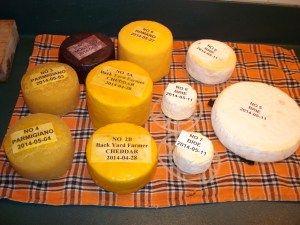
The month of May has been relatively productive with five kilograms of hard cheese (Parmigiano, Montasio, Cheddar and Romano) two kilograms of bacteria and mold ripened  cheese (Brie) and about four kilograms of soft cheese (Three types of Ricotta, Mascarpone and Mozzarella) being produced. I purchase about 20 liters of Dairy and Goat milk  per week and after harvesting some cream, drinking milk and making yogurt (four kilograms per week) the rest of the milk is being used for cheese making. All the whey, off coarse, is being made into Ricotta and the “whey” after the ricotta is being fed to the animals. The Dunedin climate, during the next three to four months, will be very good for cheese maturing and my outdoor cheese ripening safe on the South side of the house compliments the process very well. I therefor expect my first cheese season in New Zealand to produce good products. Because of the favorable conditions, production will increase during the following months to produce another 60 Kg of hard and Mold ripened cheese during the next four months, thereafter monthly production will decline to normal levels.

Next week we kick off with Cacciocavallo and Scamorza, then back to Provolone, Parmigiano and Romano. I am also going to try a yogurt cheese shortly. We also hope to have some sheep milk coming on line soon, which will result in Pecorino being produced.

Last week’s Romano. one of the easier cheeses to make, produced a very high yield and here is the recipe.

ROMANO

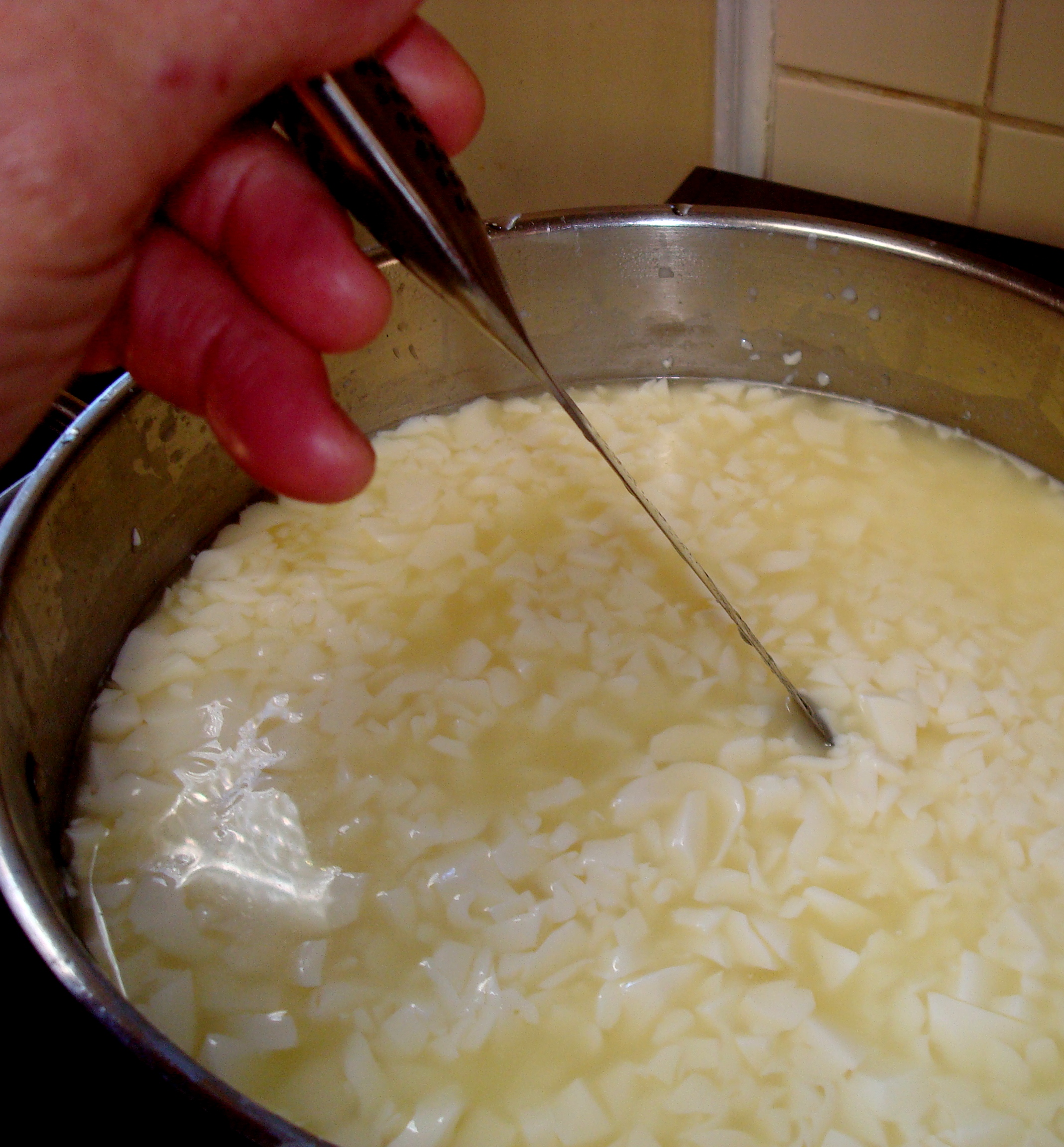
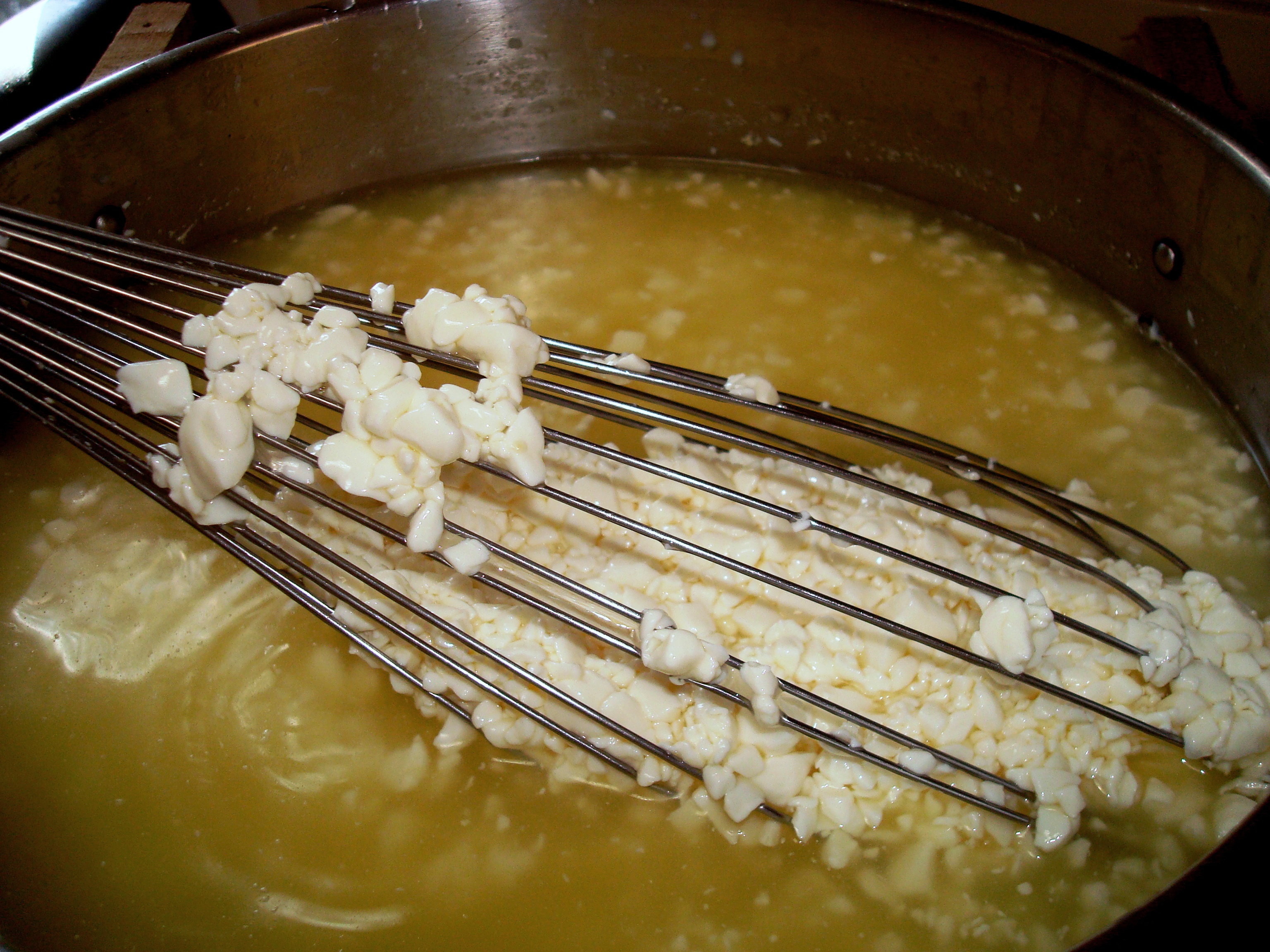
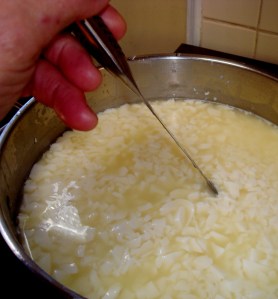
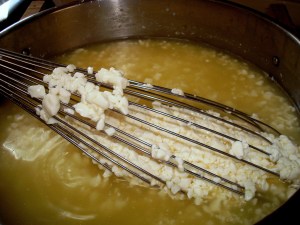
Heat 10 Liters of milk to 32 C and ad 150 g of Thermolytic mother starter.  Mix well and ad 2 g goat Lipase. Cover and allow to ripen for 15 minutes. Now ad 7 ml rennet and stir for two minutes with an up and down motion. Top stir for another minute. Allow to set until the curds gives a clean break. Cut the curds in 6 mm cubes – I use my salmon filleting knife and a stainless steel whisk.
2014-05-27 12.23.212014-05-27 12.45.20


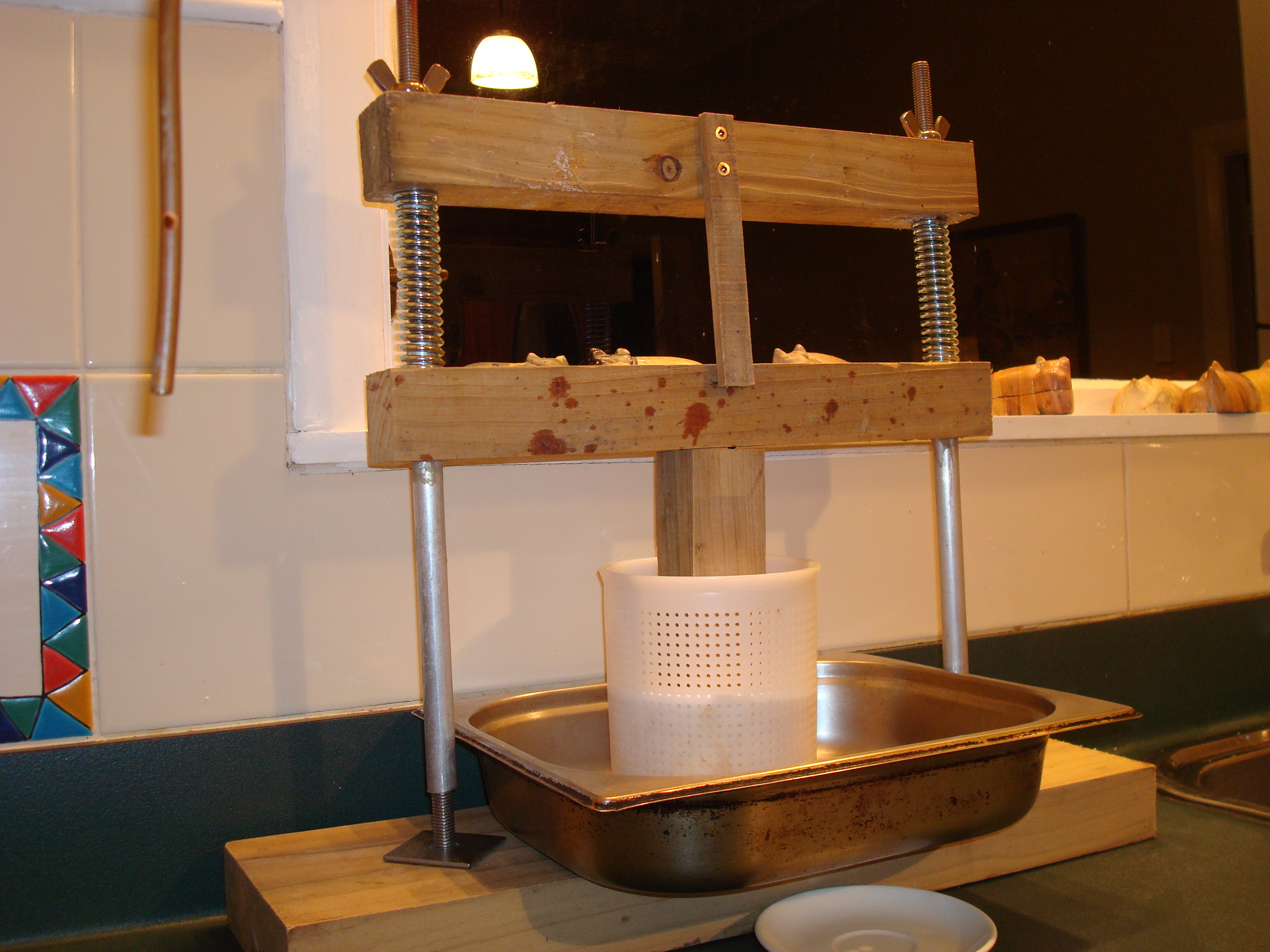
Slowly, over a period of one hour, raise the heat of the curd whey mixture to 48 C, while stirring constantly but gently, to prevent mat forming. Now keep the temperature at 48 C for another 40 minutes, whilst stirring gently.  The curd granules should now be firm enough to hold their shape if pressed between the fingers. Drain the whey and keep for Ricotta. Line a 1 Kg cheese mold with cheesecloth and pack the curd inside. Press at 2 Kg for 20 minutes, then flip and press at 5 Kg for 40 minutes. Flip again and press at 10 Kg for 2 hours. Flip again and press for 12 hours at 20 Kg.
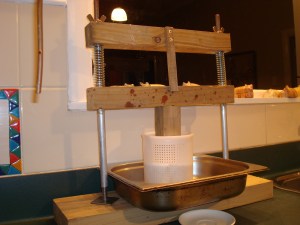
Cheese Press

Remove cheese from the mold, peel the cheesecloth and submerge in a saturated salt brine solution for 12 hours. Pat dry and leave to air dry. Ripen for 4 – 12 moths. Turn daily for the first few weeks, thereafter turn weekly. If any molds form on the surface, rub lightly with a vinegar cloth.   ENJOY!!