http://articles.mercola.com/sites/articles/archive/2014/02/24/modern-diet.aspx

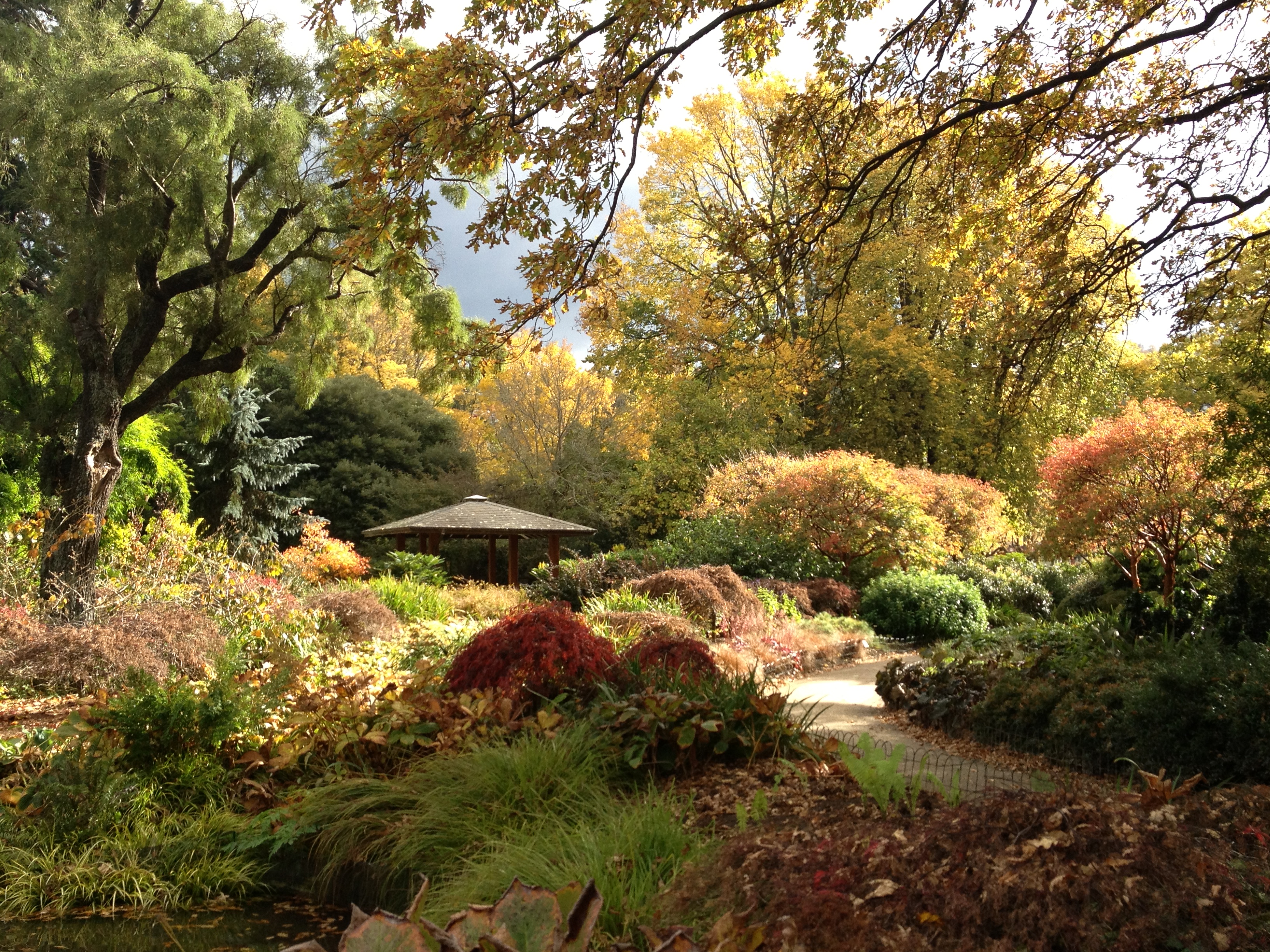


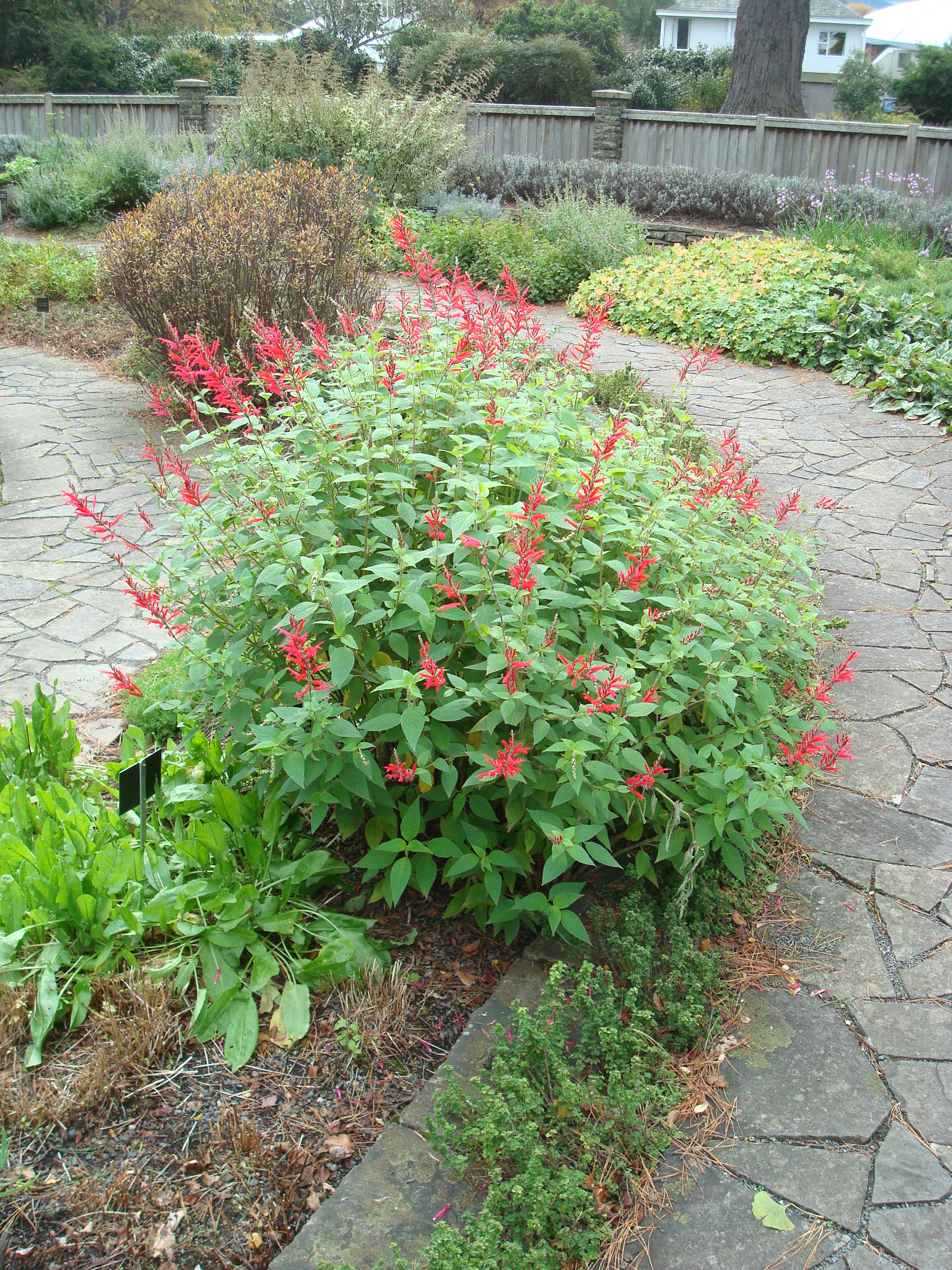
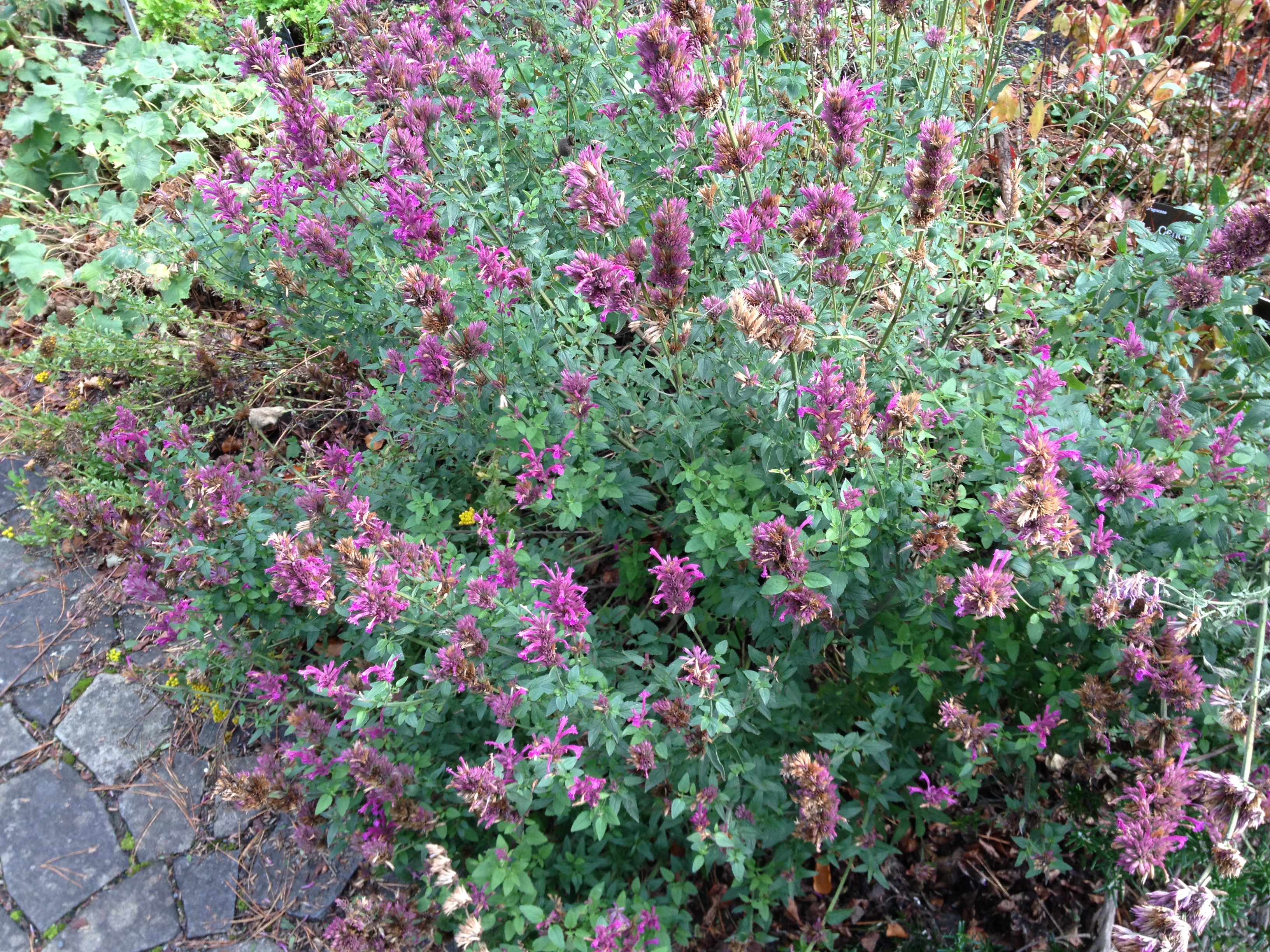
Our first autumn in Dunedin. Charming old buildings and houses, streets lined with golden trees and the spectacular Botanic Gardens. Dunedin has very eye catching trees, none of the names known to us. We will ask and find out about them when we can. I felt a compelling need to share these pictures, taken in the Botanic Gardens!
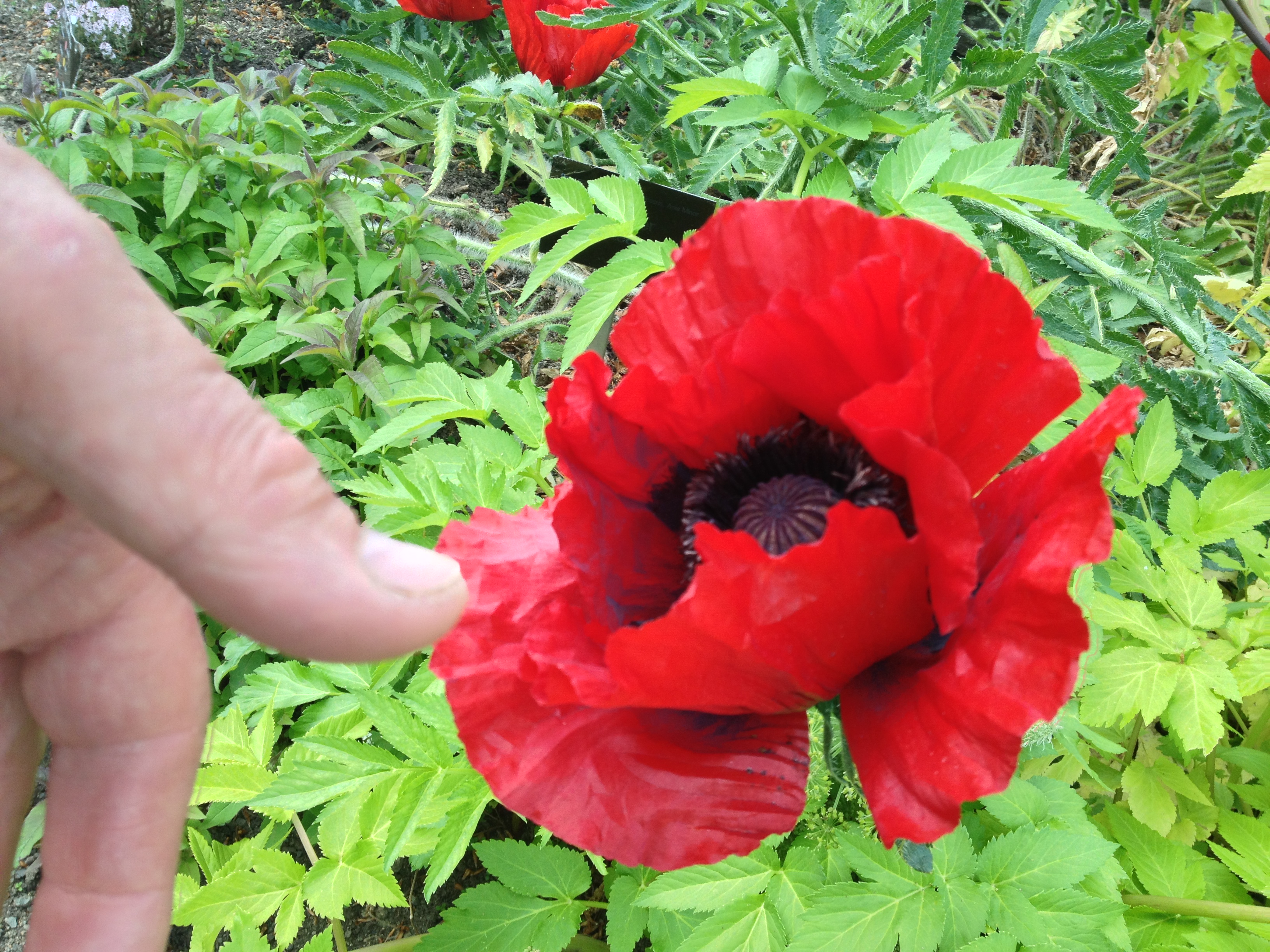
I also had a look at what was still producing in the Herb Garden. I could identify the sage, poppies and verbena the rest were sniffed ans nibbled at.


I wish I had taken a “before ” photograph to prove that my (still green) tomatoes were looking great, and my zucchini were producing bountifully and ……We had massive winds and heavy rain this week and unfortunately our lovely sunny aspect also means that there is very little wind protection for my garden. Dunedin weather strikes the uninitiated gardener again! I have uprooted all the broken and drowned plants and will start anew next week. The things that did survive were the artichokes and the cardoons, even though the cardoon in the picture looks very sorry for itself, along with some lettuce, rhubarb and cavalo nero.
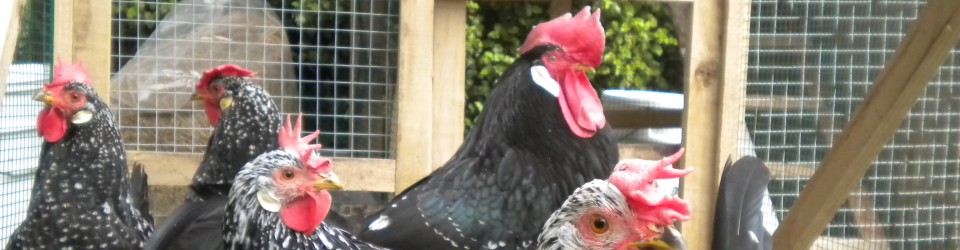
No damage to the chicken houses fortunately.

My home made still in full flight!
How to make Limoncello
1. Collect 1 Liter alcohol from the still (about 97 % Alcohol)
2. Peel the rind (no pith) from 8 organic, unwaxed smooth lemons and cut it in fine strips. Now put the alcohol and lemon peel in a glass container, shake, close and put in a cool dark place. Turn / shake the bottle once a day for about six weeks
3. Filter through a double muslin cloth and discard solids. Then filter the alcohol through a carbon filter as it results in a cleaner end product, if you do not have a carbon filter, just proceed after the muslin filtering
4. Dilute the alcohol with cool distilled water (made with the still) to a alcohol content of about 40 % (Use Pearson square).
5. Mix 1 Kg of sugar in the alcohol mixture and stir to dissolve well. Start with about 700 g sugar and taste the end product and keep adding small amounts of sugar, until you are happy with the sweetness of the end product
6. Bottle, label and store
ENJOY !!
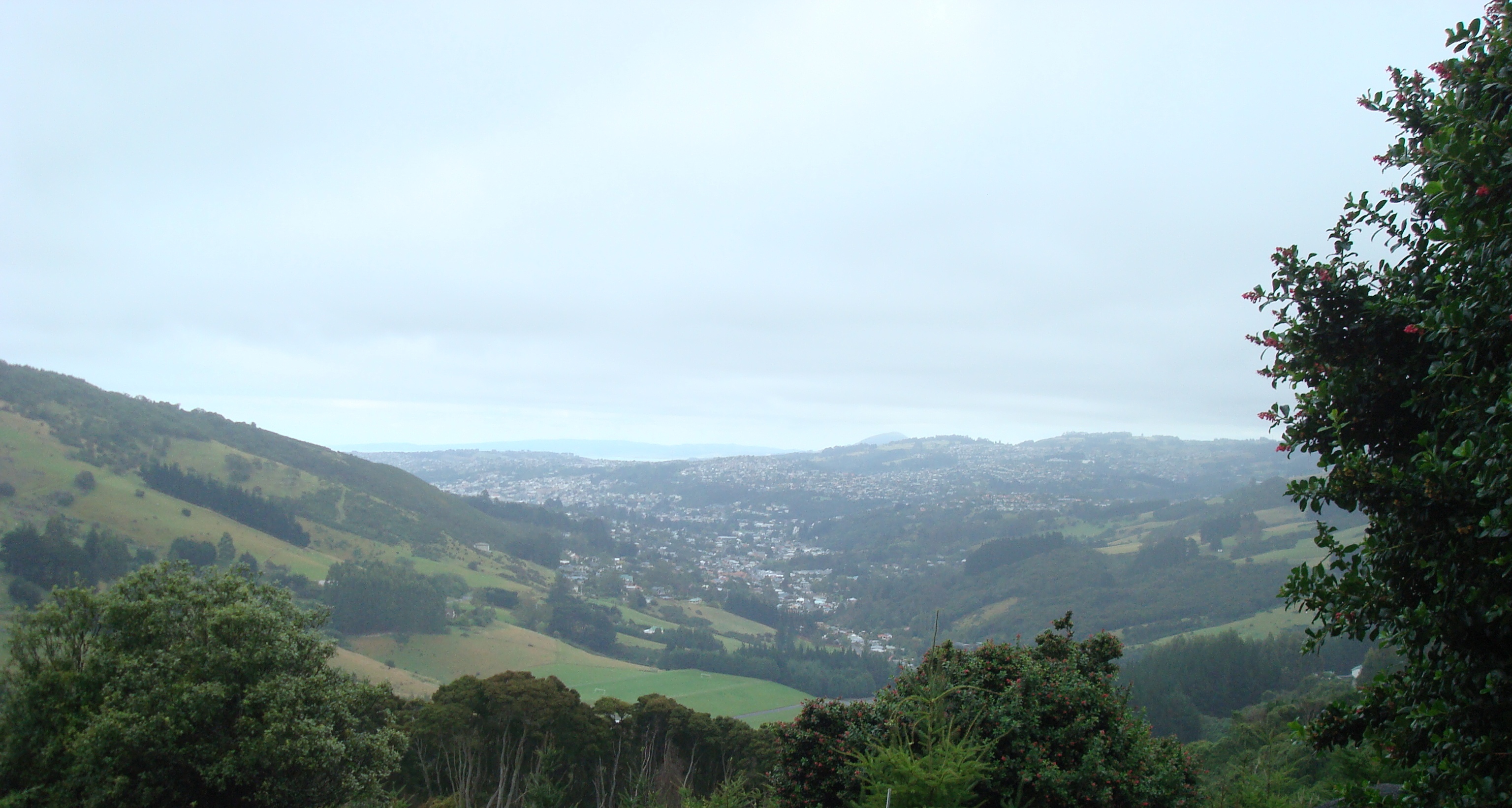
Yesterday we set off with the grand kids to buy raw goat milk for cheese making. We were not in time to see any milking, or to get close to the goats, but, as usual the scenery on the way to the farm was spectacular. We had a lovely misty view down North East Valley, affectionately known as The Valley to us, its inhabitants, with the rest of Dunedin’s hills in the background. To compensate for missing the goats we had a bit of a walk, a bit of a climb, some hiding behind the trees and collecting many different types of fungi that all seemed inedible to me.
I have propagated new cultures for the cheeses and will start making the real cheese tonight. Half will be Montasio, the other half a Cheddar. The goat cheese ricotta has been done and tastes delicious, very rich and creamy and with a much firmer texture that the cow milk ricotta I normally make. Romano, Caccio Cavallo and Parmigiano are on the list for May.
 Back Yard Farmer