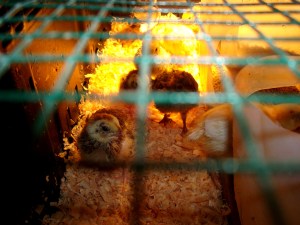
Blackcurrant and Apple Rose Wine – Dry

2014-05-04 - Wine Fermenting

Today I started making a batch of about 23 Liters (32 bottles of wine) of  a blackcurrant and apple rose wine. It is the intention to ferment all the sugars and produce a dry Rose.  The juice was extracted from the fruit, filtered and purified with potassium metabisulphite and then fermented, not on must, but directly with the juice. The PH was adjusted to 3.1 by adding a combination of citric and tartaric acids, using the titration method to determine PH as it is more accurate. After measuring the specific gravity with a hydrometer, it was adjusted to a level of 1090 by adding sugar, which, if all fermented, should produce a wine of about 12 % alcohol. Starting with 2 to 3 liters more than the main vat can take gives you product to top up with, from time to time, after racking and filtering. This smaller quantity is fermented in a separate smaller jar (5 Liters) until used.  Red wine yeast and nutrients were added and fermentation traps fitted and the long process of fermenting, racking, clearing and filtering started, to hopefully bottle in about four months time when the specific gravity has reached a level of less than 1000. I rack and filter more frequent than normal, as I like a clear clean drinking wine. This should be a very palatable dry table wine, light red or rose in colour with very little sweetness, a good nose, clean taste and medium body, which is the way I like my lunch time wine.


Quail Brooding and Feeding

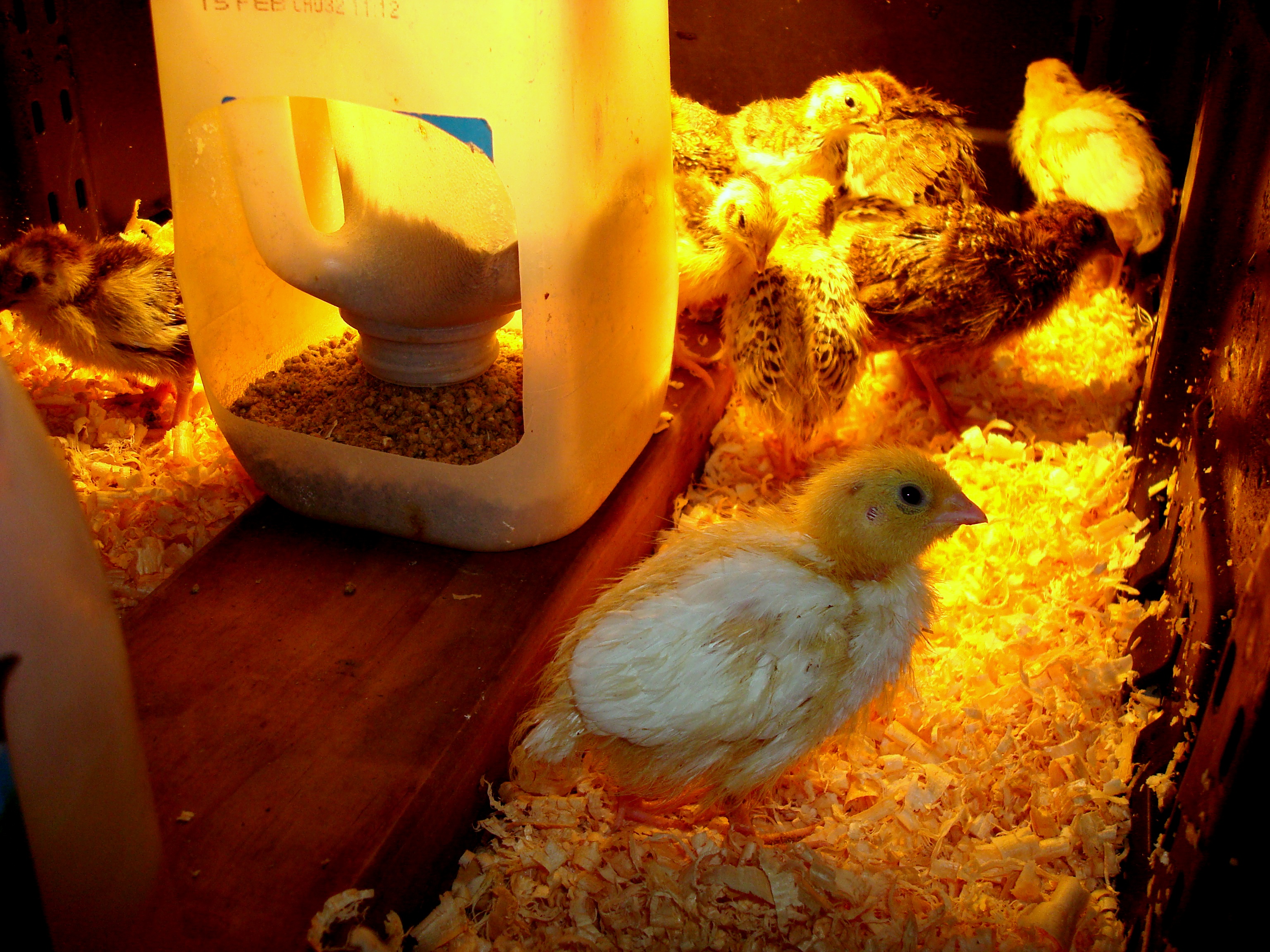
2014-05-05 - Brooding Quails 14

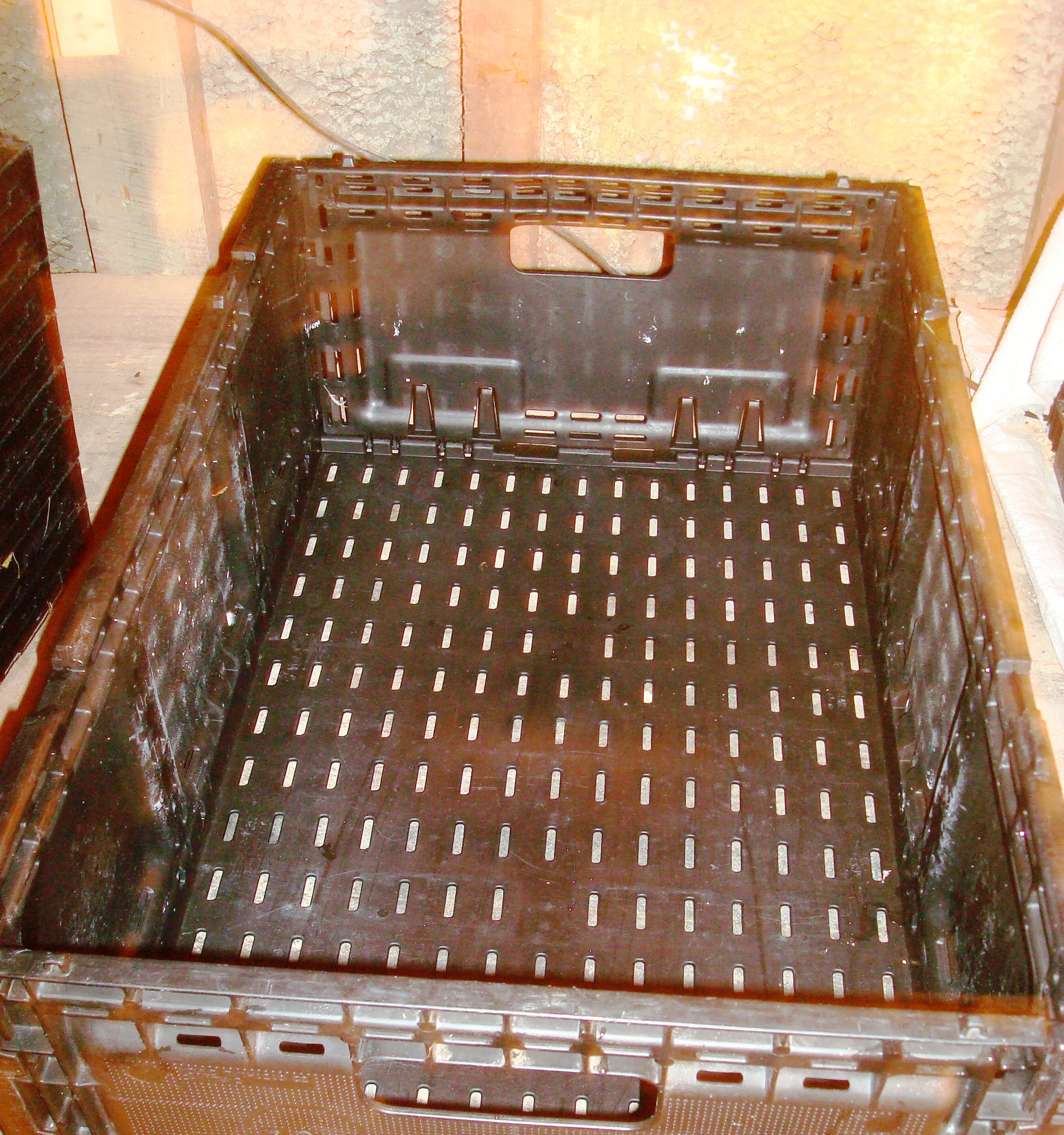
At some stage in my life I obtained some plastic collapsible storage crates, which were very handy when moving to New Zealand and I always knew that I would find a good use for them at some stage . When I arrived in New Zealand and started quail farming and was looking for a brooder system, immediately the storage crates came to mind – dimensions 600 X 400 X 200 mm.

2014-05-05 16.35.32

These are easy to clean and sterilise as I use an all in all out system. My breeding batches are always about 30, 60 or 120 chicks, so I commence with 20 chicks per crate. I split them at two weeks of age into two crates, where I then leave ten in each crate until about six weeks of age. As I sell many birds at five weeks of age as well as slaughter many of the males at five weeks of age, I normally end up with six to seven birds per cage at six weeks, even though ten is still comfortable.

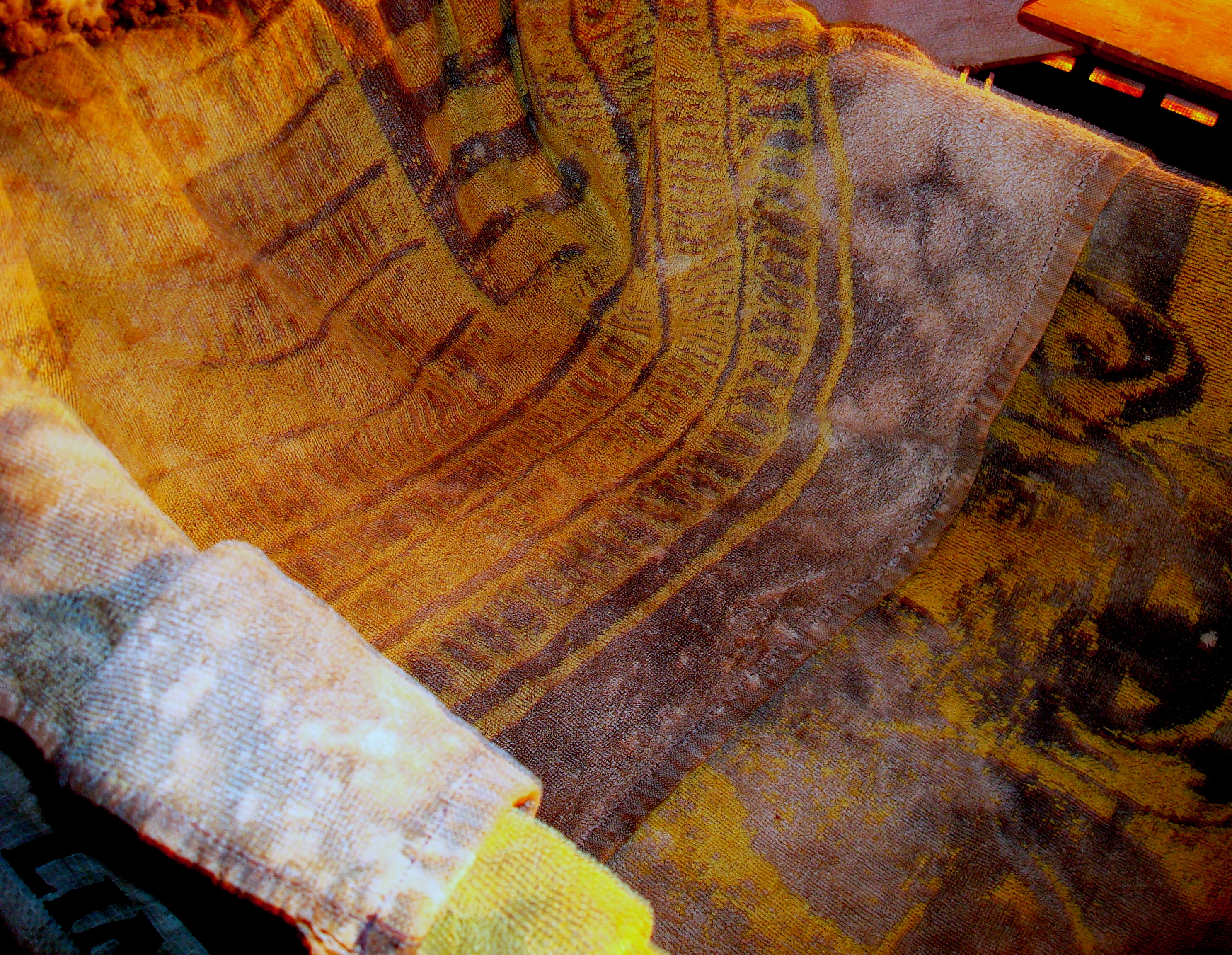
I begin by lining the crate with an old towel, of which I have plenty (my wife chucks them out, when I think they are still perfect).

2014-05-05 16.42.05


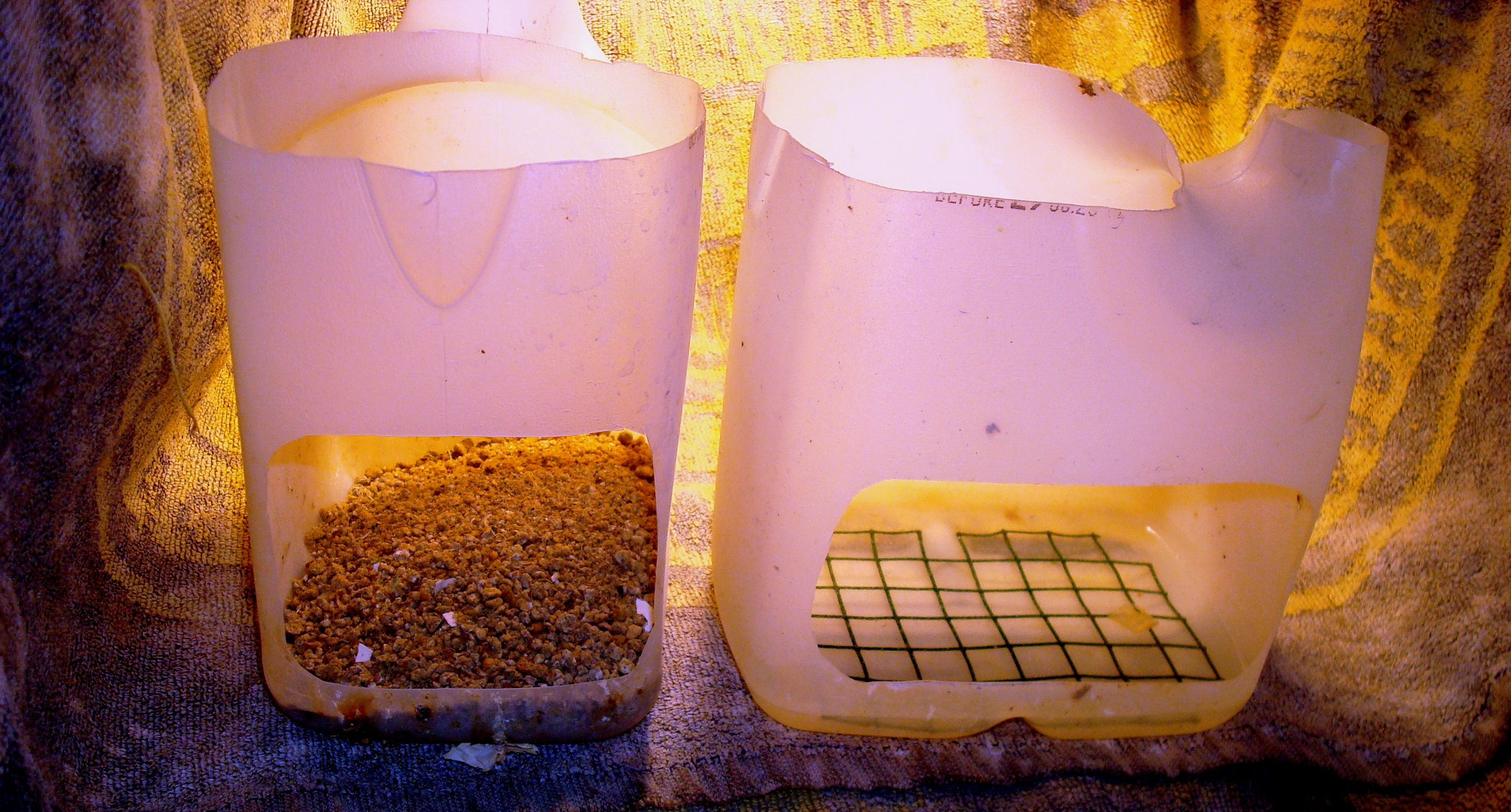
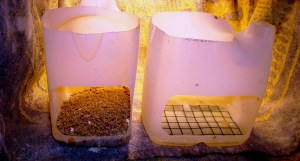
Then ad my food and water drinkers made from used plastic milk bottles
2014-05-05 - Brooding Quails 3 B2014-05-05 16.46.07

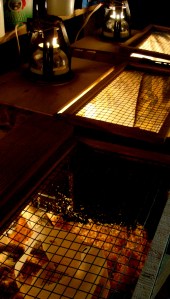
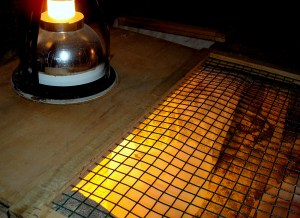
The lamps, I purchased from a second hand shop $20 for 20, including 100 W globes, and used off cut plywood from cages I build to mount the lamps.

2014-05-05 - Brooding Quails 4

Then add a frame, made from off cut wire netting and pieces of wood

2014-05-05 - Brooding Quaiz 5

The last two items just lie on top of the crate and are easily removed to inspect and work with the quails. Now add you babies
2014-05-05 - Brooding Quails 5

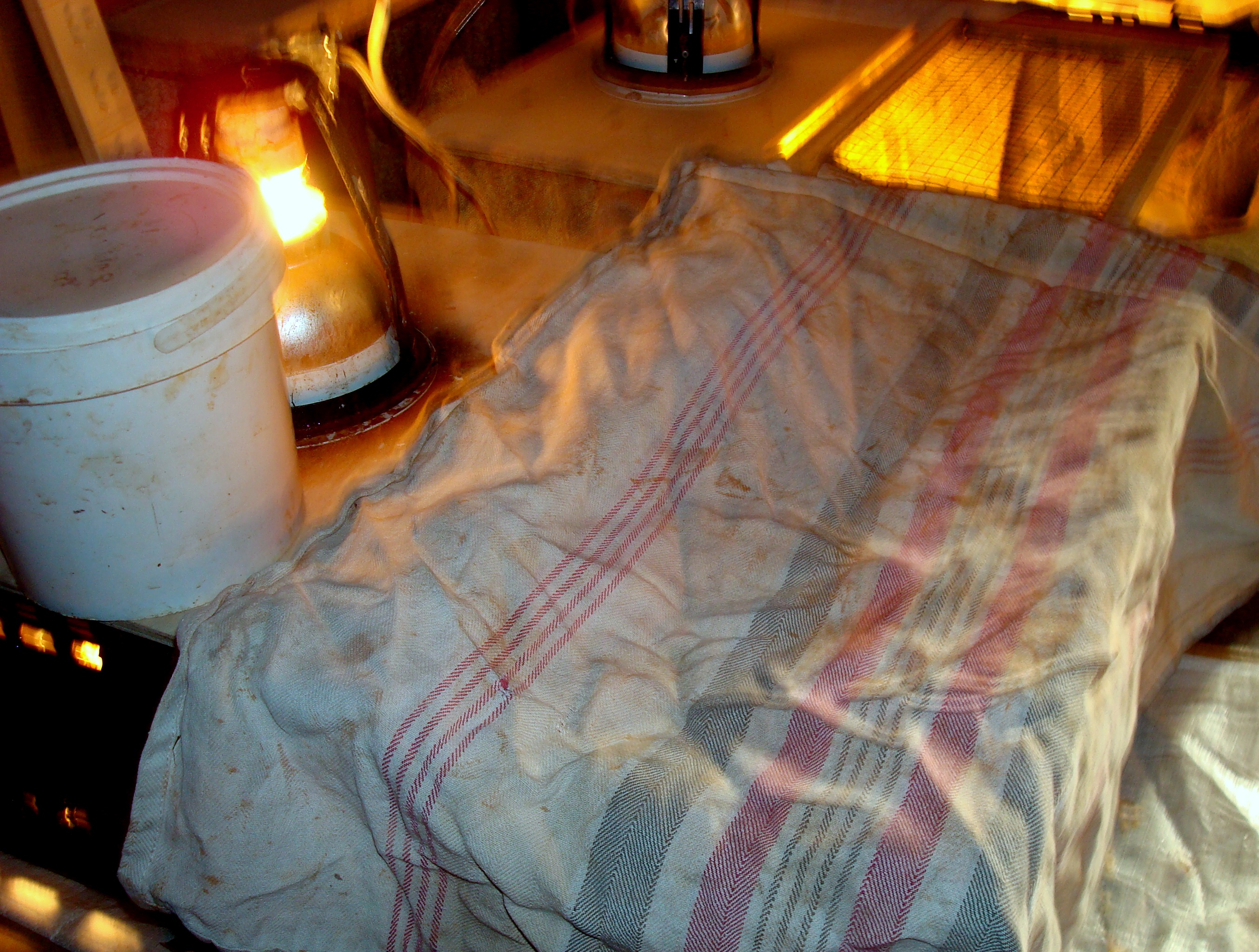
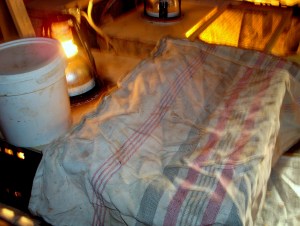
When too cold, I drape an old tea towel (discarded by my wife) over the netting part
2014-05-05 - Brooding Quails 7

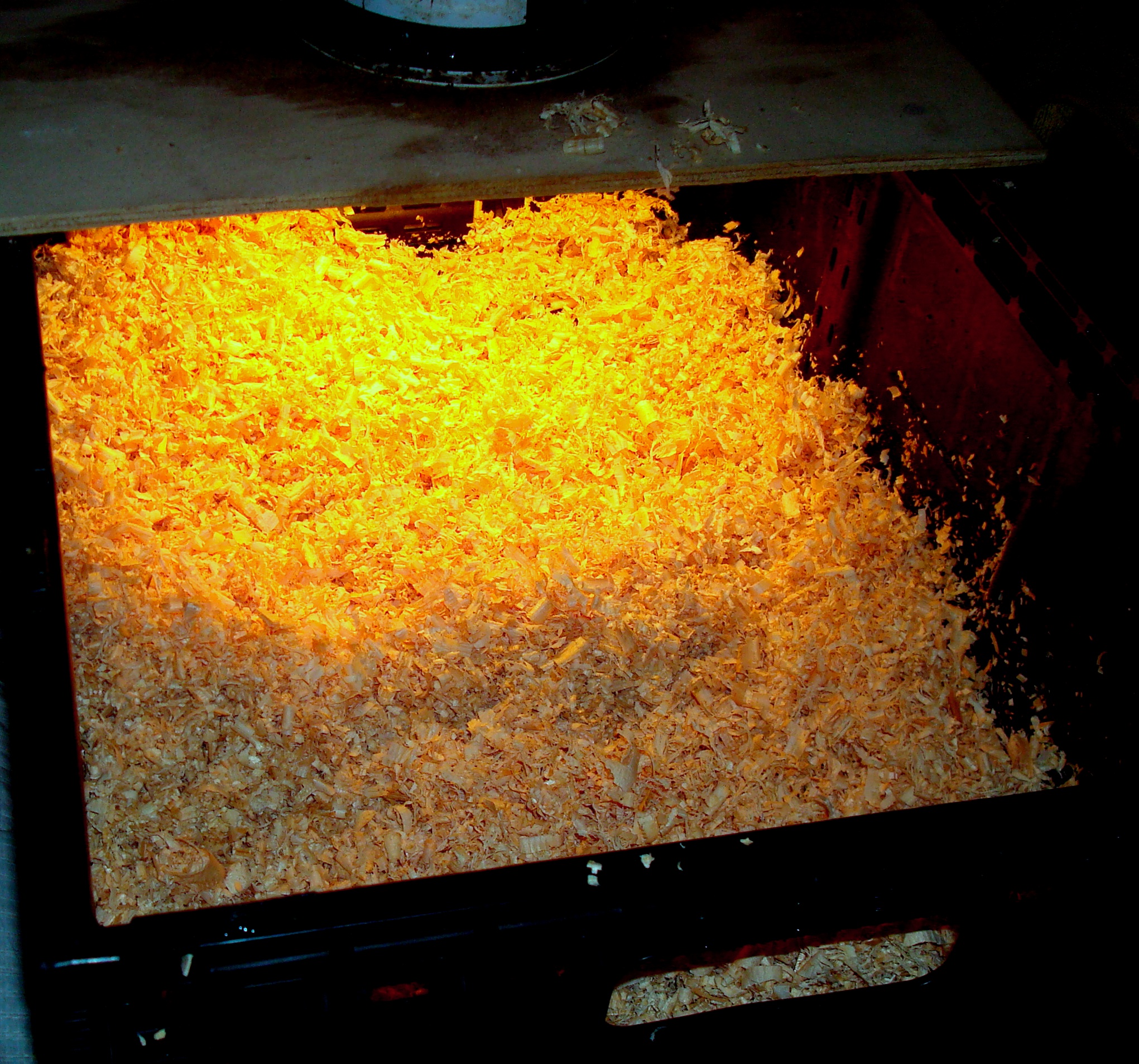
At two weeks of age, when I split the groups in two, I put them on wood shavings

2014-05-05 - Brooding Quails 8

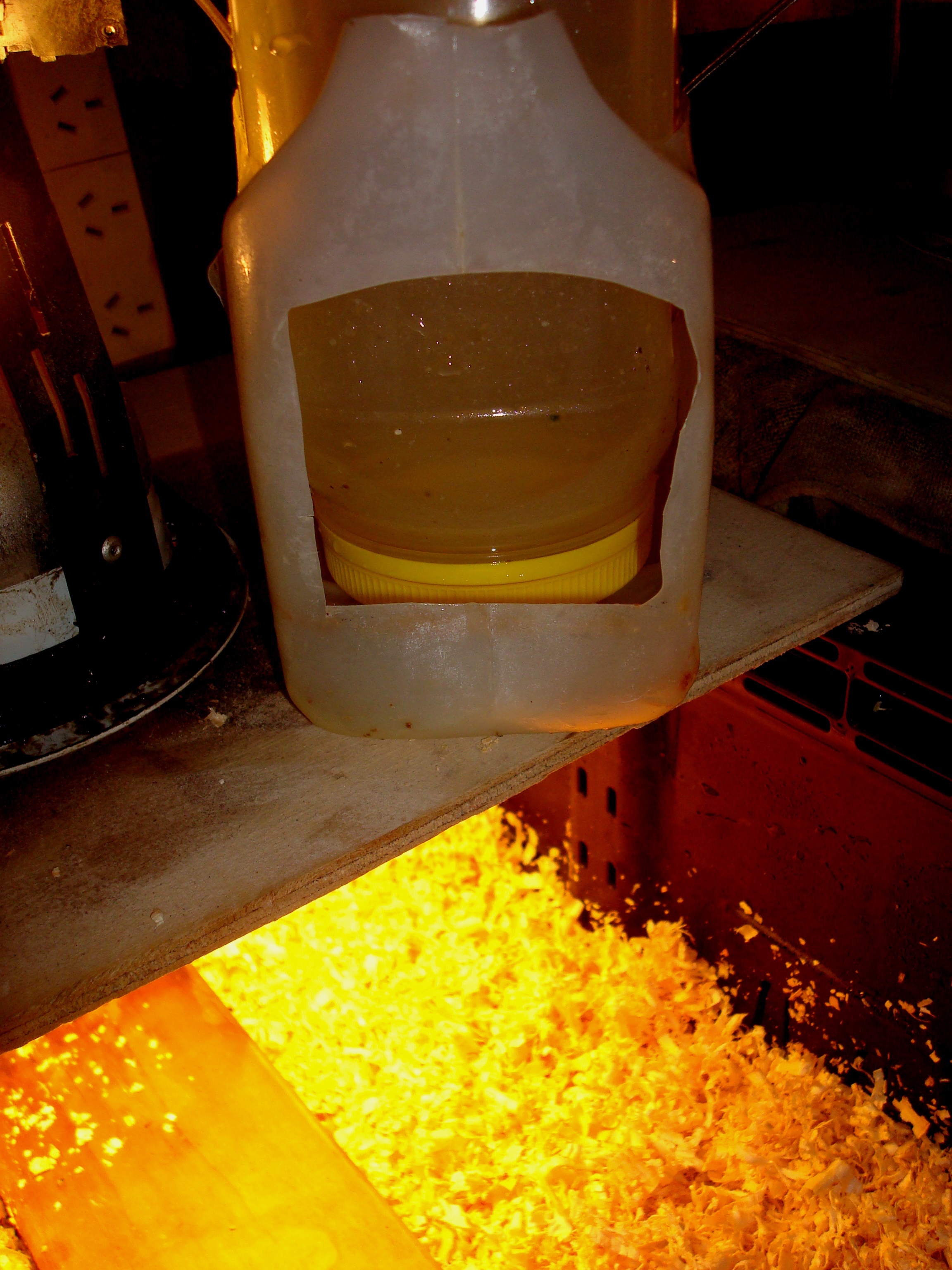
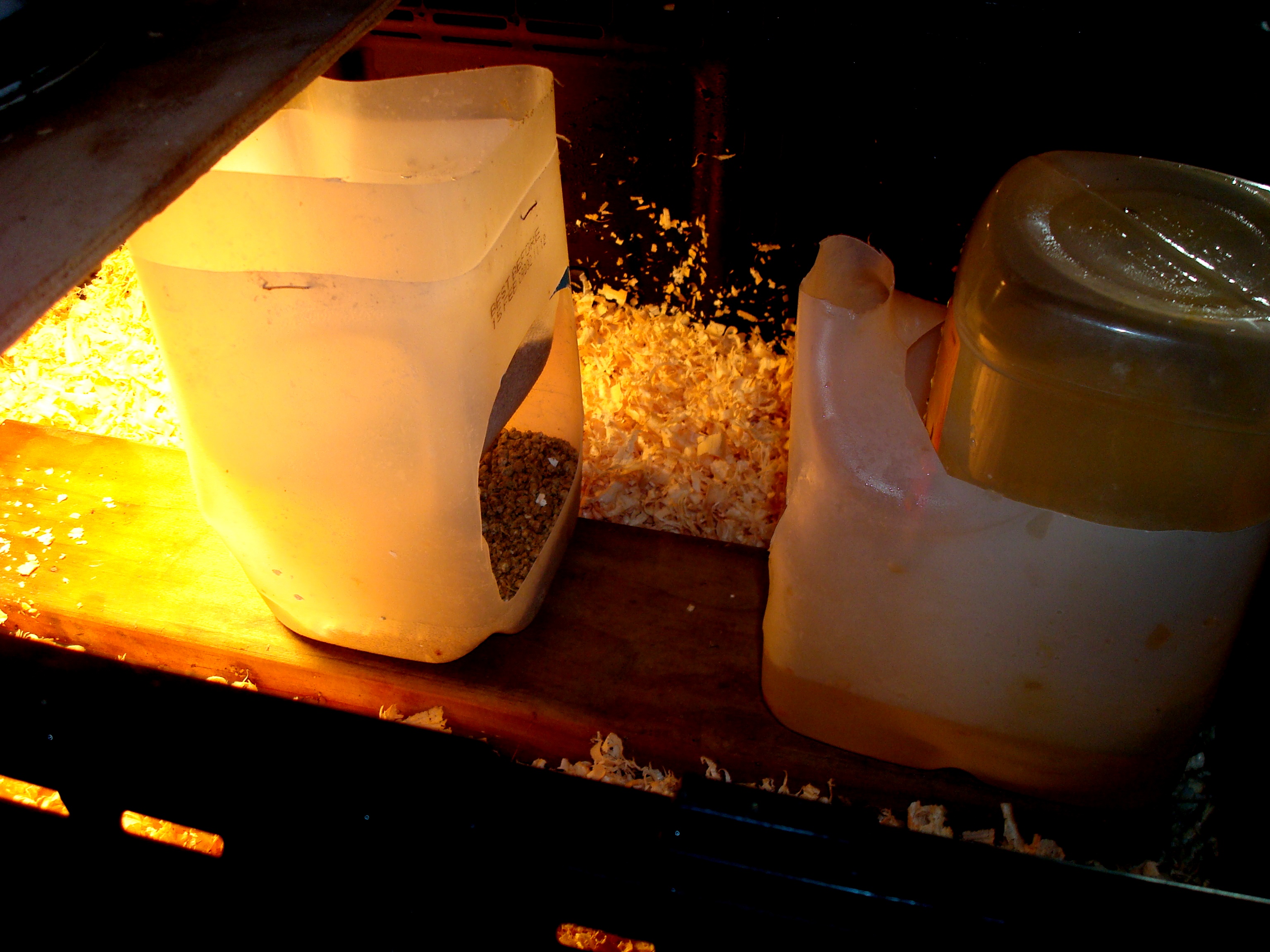
The other difference is that for the first two weeks, when the babies are still learning to eat and drink, the feeders are designed in such a way to encourage them to walk into the feeding area. Now at two weeks when they are clever enough, the feeders are designed in such a way as to encourage them to eat from the outside and not enter the feeders any more, as they start scratching now and waste food and dirty the water too much. I also raise the feeders by putting it on a piece of wood, to prevent them scratching the shavings into the feeders. Self feeders and drinkers are again used plastic milk bottles
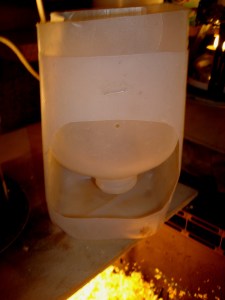
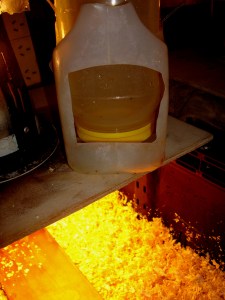
2014-05-05 - Brooding Quails 9 2014-05-05  - Brooding Quails 10 2014-05-05 - Brooding Quails 11


Now ad you babies

2014-05-05 - Brooding Quails 12 2014-05-05 - Brooding Quails 13

Managing up to 20 crates in this way, I find very easy. Each Brooder can be accessed easily by lifting the top and inspecting each chick. Feeders and drinkers last for days in the beginning and about once every two days towards the end.

Lastly the feeding. I mix a 28% Chick Starter Mash to which I add 1 boiled egg per 100 g for the first week and increase the mash by 100 g each week for one boiled egg, i.e. 100 g mash per egg for week one, 200 g mash per egg for week two, etc until 700 g mash per one egg for week seven, where after I switch to a 22 % Layers Mash. I also always add some cod liver oil at a rate of 5 g per Kg to all feeds, over and above the normal vitamin – mineral premix.

Exactly the same system is used for my chickens, partridges, pheasants and guinea fowl – I only move them out a bit faster, as the become too tall for the 200 mm crates.


Low-Fat Fad Has Done Unfathomable Harm – Eat Healthy

Dreamtime


http://articles.mercola.com/sites/articles/archive/2014/02/24/modern-diet.aspx

Celery, Leeks, Fennel and Potato Recipes

I harvested celery, leeks, fennel and potatoes this week. As usual the question is how to put my harvest to good use without using the same recipe twice. I have a picky household that does not tolerate the same dish twice in one week so here are my efforts so far:

Crunchy Celery, Fennel and Apple Salad 

1 bunch of celery chopped in to bite sized pieces. Keep the leaves for stock making.

1 apple cut in small pieces

1 fennel bulb shaved thinly

1 orange – 1/2  juiced and 1/2 cut in bite sized pieces

salt and pepper to taste

Mix everything in together.  You can change the quantities to suit your taste as it is hard to get this one wrong. You will have a pale looking salad so liven it up by sprinkling the dark green fennel fronds, cut decoratively, over. The trick is to prepare and assemble this salad just before serving, any delay causes the apple to discolor a bit. 

2014-02-02 11.43.35

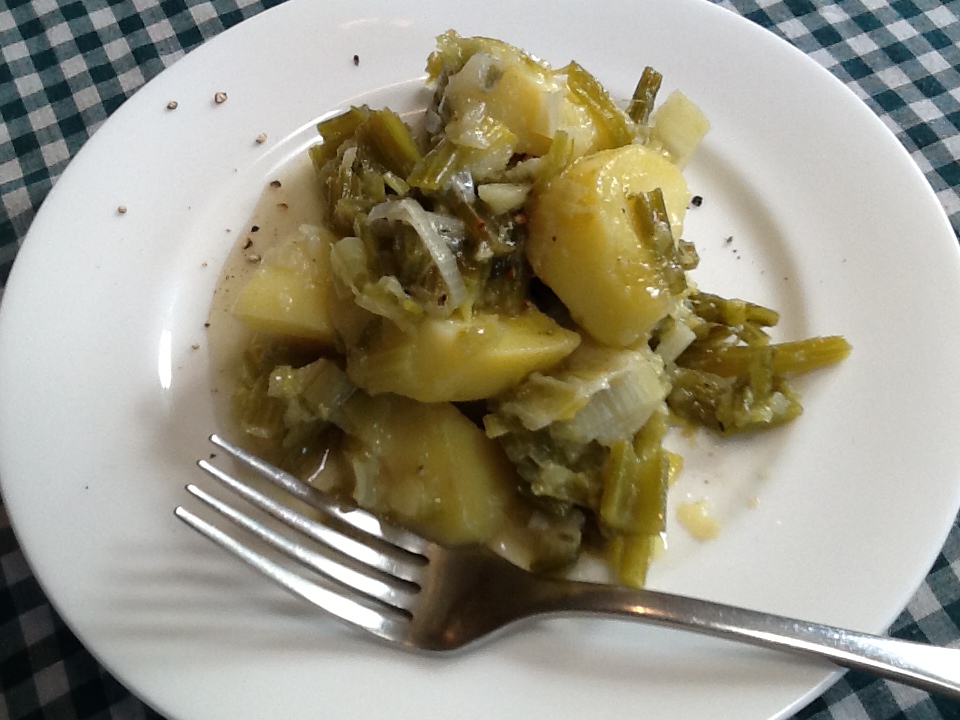
Celery, Leek and Potato 

8 tablespoons of olive oil

500 g peeled potatoes cut in pieces

1 head of celery, stems only, keep the leaves for stock making

1/2 lemon juiced

salt

Use a heavy pot with a lid. Put the olive oil and celery in and add water until the celery is covered. Cover the pot and boil until the celery is softened about 10 to 15 minutes. Add the potatoes and cover the mix with water again. Add salt and lemon juice. Cover the pot and boil until everything is tender and no liquid barring the oil is left (this is important). Serve hot or at room temperature. I used it as a side with the week end barbecue but the dish is robust enough to  eat as a main with some bread.