Goatherd’s Lunch

2014-03-10 14.57.572014-03-10 14.58.042014-03-12 10.50.28

Today’s lunch is unusual because nothing was from my garden apart from the apples. In Italy the herders travel  light, climbing up the mountains with their animals carrying  a lunch of cheese, bread, fruit and wine in a bag. I did not travel on foot, but, on my way to get fresh milk I passed the farm of a friend who makes delicious cheese from the milk of her own goats and sheep and brought some home.  All organic of course, from happy sheep and goats, and she learnt her craft in Switzerland so I could not miss. I rushed home, started my ricotta and spread my treasures on the table along with my own bread and apples, and the neighbour’s pears. A true feast!

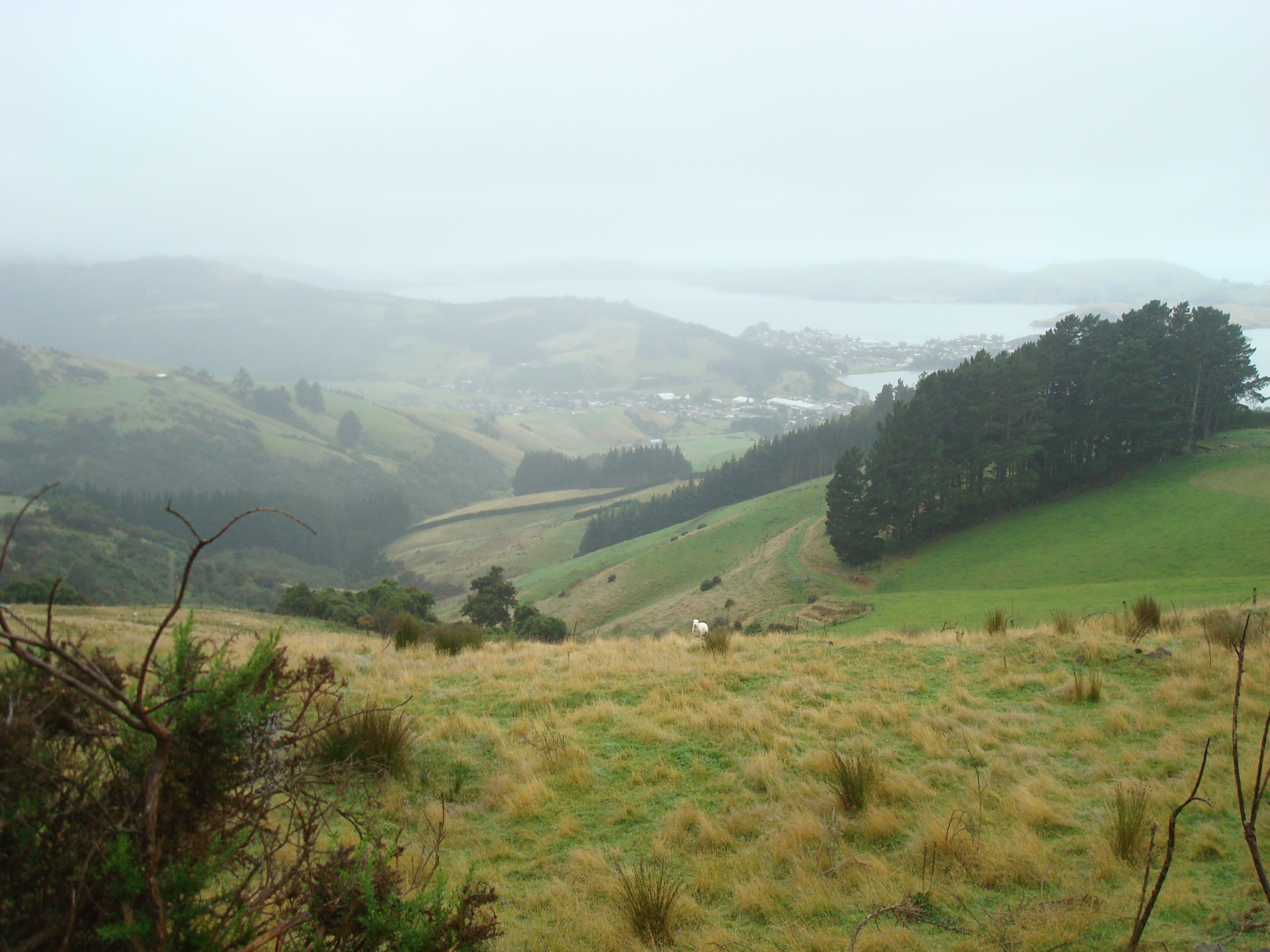
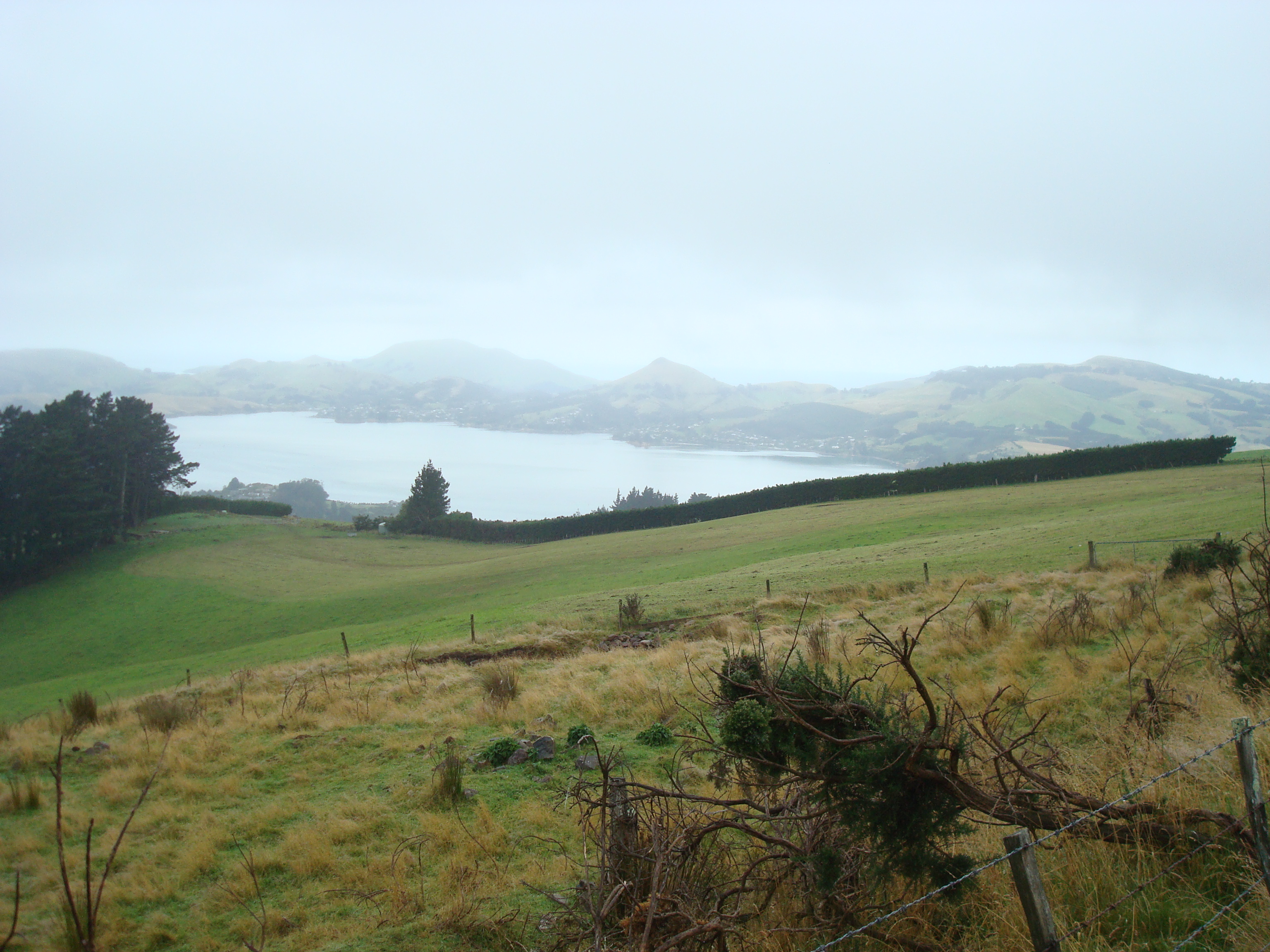
I took pictures of the stunning scenery on the way there – it was a bit misty but beautiful still – and only about 10 minutes from my house. Dunedin surprises me every day, it certainly is not only a small university city, it has many talented and gifted residents that revel the lifestyle that can only be had in this rather isolated beauty spot.

Calabrian Stewed and Roasted Hare – Liepru all’Antica

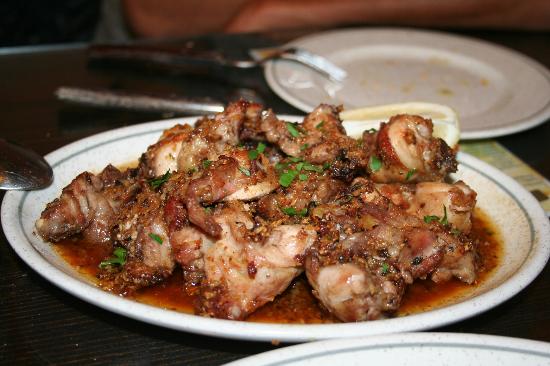
2014-03-04 - Stewed Rabbit

Rabbit is another of my favorites and fortunately readily available if not farmed yourself, and though Artusi mentions a well-to-do person’s being put off by the latter, they have always been popular out in the country because they’re easy to catch or raise. This recipe for stewed and roasted hare is Calabrian, but works equally well for rabbit, chicken or even quail

1 hare, chopped

2 Sweet Red onions, sliced

3 bay leaves

4 sprigs mint

Marjoram to taste

Thyme to taste

Flour

Slices of toasted bread

1/4 cup olive oil or rendered lard

A bottle of Ciró Rosso or any other good red wine

Salt

Marinate the hare in the wine with the onions and the herbs for two days, turning the meat occasionally.

Pat the meat dry, flour it, and brown it in the fat, using an oven-proof pot. Once the pieces are all browned stir in the marinade, bring to a simmer (you may want to heat the marinade separately while the meat is browning), and transfer the hare to a preheated 350 F (175 C) oven. Roast until done, spooning the liquid over the meat occasionally to keep it moist.

When the meat is done remove it to a platter and keep it warm – strain the liquid and reduce it over medium heat until it is quite thick. Spread it over the toasted bread, and serve it with the meat.

A wine? Another bottle or two of Ciró Rosso.

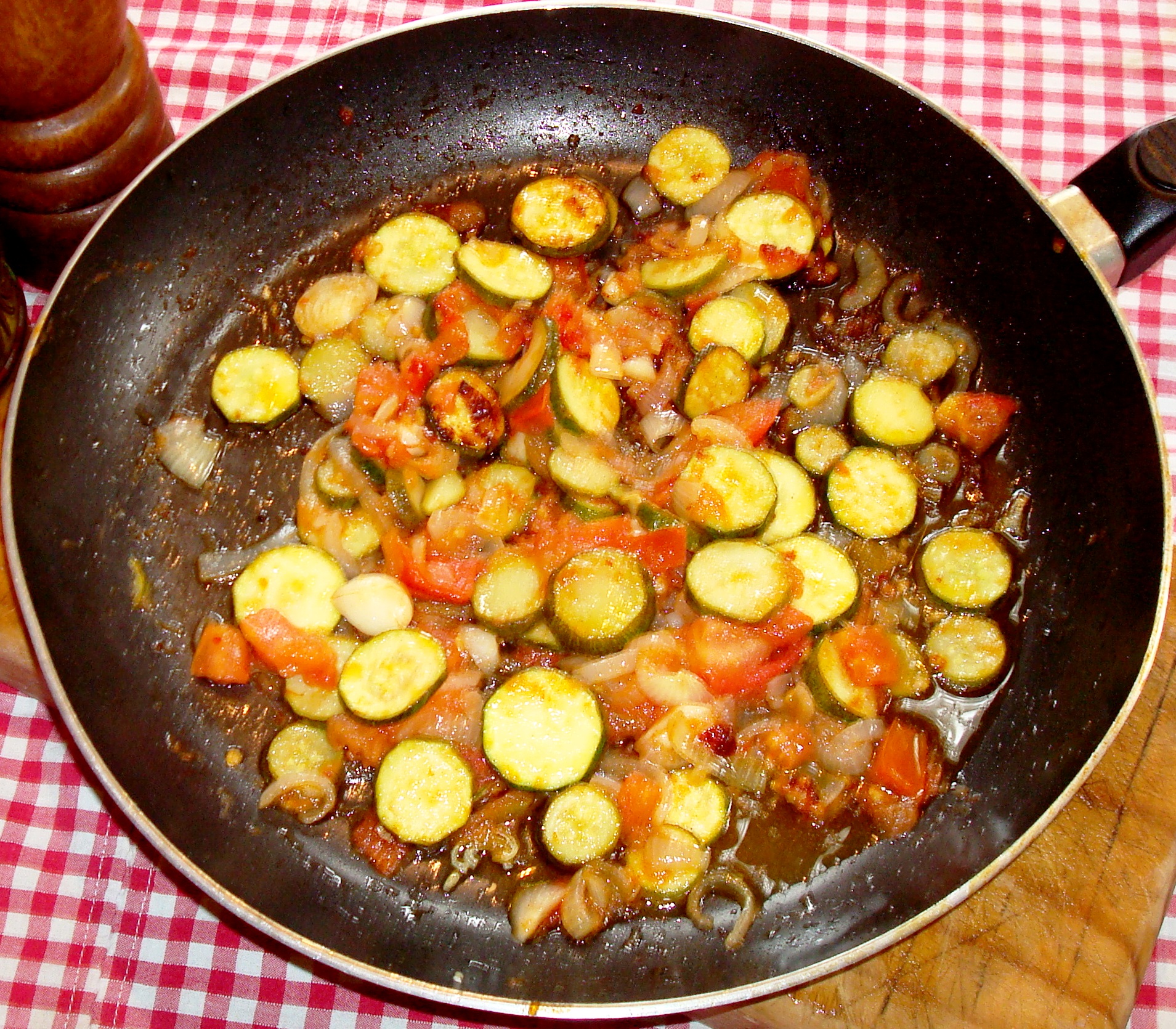
Zucchini, Garlic, Tomato and Onion

2014-03-10 12.52.12


The zucchini are growing fast and we have had quite a few this week. I like them small, about 10 cm long for this dish which can be a side, main meal with fresh bread, or a great vegetarian pasta sauce.

Zucchini, Garlic, Tomato and Onion 

4 small zucchini

1 large onion

1 large fresh tomato

3 cloves of garlic

4 tablespoons of olive oil

Salt and Pepepr

Use a pan that can hold all the ingredients and heat the olive oil. Gently fry the onion until soft but not coloured. Add the garlic, zucchini and onion. Add salt and pepper to taste. Cook over gentle heat until the oil separates from the rest of the sauce. This is one of the first dishes I recall from my childhood, with all the ingredients harvested from the garden. 


The Curse of the Cookbooks

2014-03-06 09.22.32

I had to photograph the result of a cooking discussion or, cooking bickering, if you must.

The great thing about being self sufficient and eating from the vegetable patch is the joy of harvesting something one grew oneself. It is organic and fresh even if, at time whatever is harvested is gnarled and puny it still tastes wonderful. The bad thing is that one is held hostage by the blackbird that eats all the seedlings the chickens overlooked when they were free ranging last time. The seasons and climate, especially here in Dunedin , dictate whether things grow or not and the person in control of the garden constantly suffers arched inquiries as to why in the world so much (or so little) of something was planted

Sometimes there is a glut of something and then the search for a great recipe, or, often many great recipes of one particular vegetable or fruit depending on the amount harvested. The frantic paging through the cookbooks begin, and since my 200 plus books are all about regional Italian cooking the search can not be narrowed down to, say, Indian or Chinese, and mutterings of  ‘ it was always in this book, where has it gone’ are commonplace. A lot of time is spent getting side tracked when I see something fondly remembered or something I always wanted to try. Once the recipe is selected sudden resistance from the household to the ingredients could flare up, prompting the beginning of a new search and the hauling out of more books!

Pappardelle Verde al ragu d’Anatra – Green hand made pasta with Duck sauce

2014-02-26 15.07.30 2014-02-26 16.02.52

We had a couple of friends over for dinner and decided to make Green Pappardelle wit Duck Ragu.

Pappardelle

Pasta is one of those wonderful products where with just two or three ingredients many different products can be created, and it should always be the pasta that is the prominent component of the dish and not so much the sauce. The sauce and the type of paste needs to match in such a way that they both compliment each other. In this case Pappardelle and Duck Ragu is the ideal match

When making fresh pasta you need about 100 g of flour per serving, if you are not having a dish to follow after the pasta as many people do. We however always have the pasta as a first coarse (Primi Piatti) after the Antipasto and before the second coarse (Secondi Piatti), finishing off with a salad, and in this case 60 g flour per serving should suffice.

500 G Plain Flour

5 Eggs lightly beaten

15 – 20 Fresh Spinach leaves

Mix the flour and eggs and knead until smooth. This should be a hard dough, but should it be too difficult to work, add a small bit of water. Leave it covered to rest in the fridge for one hour. Take small quantities (about 50 g) at a time, flatten it out by hand and then roll it out with a pasta machine on the thickest setting. Fold it over, turn it 90 degrees and put through the machine again. Do this a couple of times until the pasta is smooth and homogeneous. Use enough dry flour during this process to avoid stickiness. Lay the pasta sheets out on a floured surface and repeat with the rest until all the dough has been used. On half of each sheet of pasta, lay out the fresh spinach leaves and fold the sheet over to make a sandwich. Now repeat the process of putting it through the pasta machine, folding over, turning 90 degrees and putting it through again, until the pasta and spinach are well mixed and smooth. Once all his is done, put every sheet gradually through a thinner setting of the pasta machine, until the finest setting ( 7 ?) is achieved for each sheet. Remember to use flour to make it all run smoothly.  Cut the pasta sheets with a knife or pizza cutter in about 20 mm strips. The pasta is now ready to cook or dry, for later use. I normally make this in the morning , or day before, and let it dry for use when required. Fresh pasta cooks very quickly (about 5 minutes) and it is very important not to over cook it (Pasta al dente) otherwise it will be soggy.

Make the sauce of choice to suite Pappardelle and once cooked, drain and mix with the sauce in the sauce pan, heat through while mixing gently and serve immediately.

CIAO!!