Revolutionising Quail Nutrition—The Natural Way

At Back Yard Farmer, we believe that the best solutions often come from the garden, not a laboratory. We are thrilled to announce our new 5-Herb Botanical Blend, a premium upgrade to our quail feed that brings “clean-green” bio-security directly to your coop.

By blending Organic New Zealand grown Salvia ‘Amistad’, Rosemary, Mint, Lemon Verbena, and Bay Leaves, we’ve created a powerhouse formula that acts as a natural shield against pests while boosting bird vitality.

Why Now?

We’ve spent the last several seasons observing the challenges our New Zealand keepers face—from high humidity causing grain pests to the relentless pressure of mites and flies in our summer months. We didn’t want to just offer another chemical fix. We waited until we could perfect a ratio that is safe, highly effective, and stabilized with Salmon Oil and Lypoforte for maximum absorption. It’s the result of months of testing to ensure your quail get the very best of nature’s pharmacy.

A Functional Shield, Not a Filler

Our organic botanical blend fits right into the growing body of research on phytogenic feed additives. These plant-based supports improve digestion, immunity, and antioxidant levels without the need for antibiotics. By including these five specific organic herbs, we help your birds fight off mites, lice, and internal stress naturally.

Featured Herb of the Week: Salvia ‘Amistad’
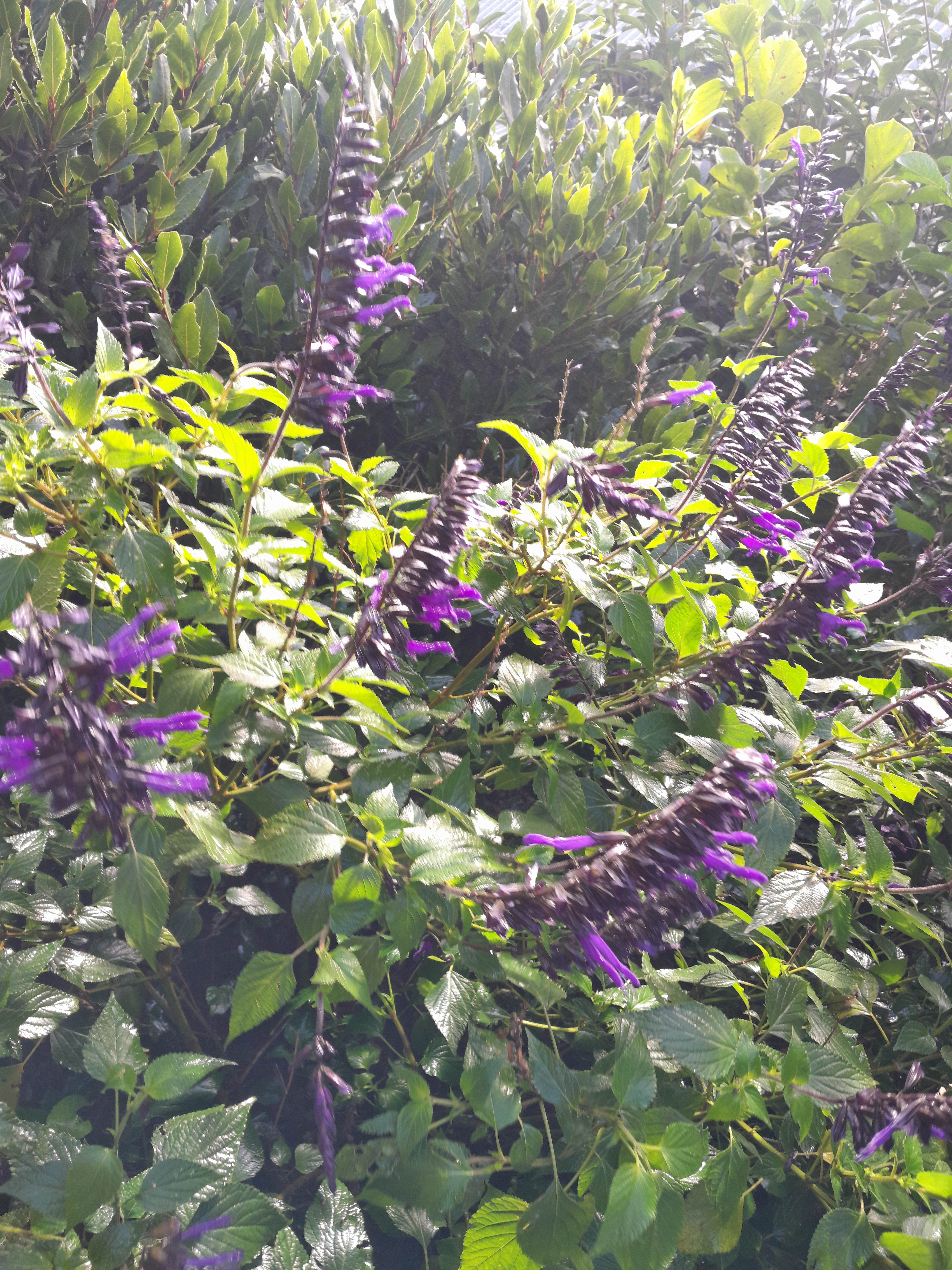
We are kicking off our series with the exotic Salvia ‘Amistad’. While a favorite in NZ gardens, for quail, it is a hidden gem. We use the dried leaves and flowers to provide:

  • Natural Bio-Security: The resinous compounds act as a bitter deterrent for external pests and rodents.
  • Immune Vitality: Rich in anthocyanins, these purple blooms provide powerful antioxidants that help birds cope with environmental stress and high egg production.

Potential Benefits You’ll Notice:

  • Antioxidant & Immune Support: Helping birds through molt and peak laying.
  • Enhanced Palatability: Aromatic herbs encourage natural foraging and steady intake.
  • Superior Absorption: Our 1% Salmon Oil cuts the dust and ensures these herbal oils are fully digested.

Stay tuned! Over the next four weeks, we will continue diving deep into each of these “Super-Herbs.” Next week, we put the spotlight on Rosemary and how it acts as the ultimate “Liver Specialist” for your flock.

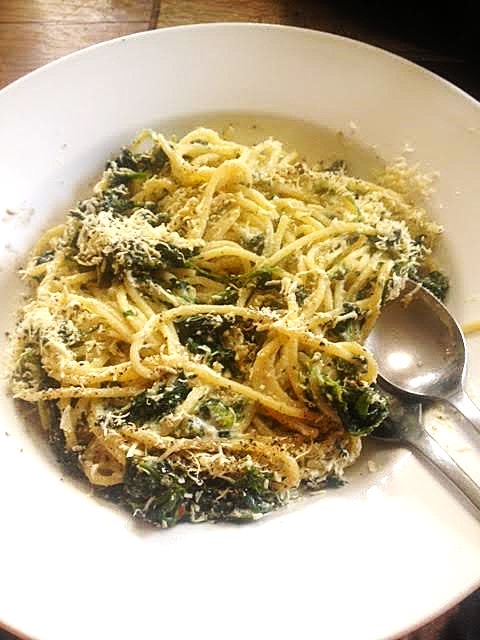
PASTA CAVOLFIORE (Broccoli Pasta)

Ingredients 

1 medium cauliflower broken in to florets

3 cloves of garlic, peeled and smashed

6 anchovies

6 tablespoons of olive oil for the sauce 

6 tablespoons of olive oil for roasting 

190g of any short cut dry pasta

1/2 cup of grated Parmigiano Reggiano cheese

salt and pepper to taste   

preheat the oven to 200C

Put the raw cauliflower in a bowl, add the olive oil and turn the couliflower over until the florets are well covered. Put the florets in a roasting pan that  will take all the cauliflower in one level. Roast the florets until they are golden. The tips can be a little blackened because that enhances the nutty flavour 

When the cauliflower has roasted, put the pasta on the stove to boil

Use a pot that can contain the florets and pasta together, put the 6 tablespoons of olive oil in the pot and add the garlic and all the anchovies. Turn the heat to low and brown the garlic, the anchovy will melt in to the oil

When the pasta has cooked, save 1/4 cup of the pasta water and drain the pasta. Pour the pasta directly into the anchovy and garlic sauce and mix well. Add a bit of the pasta water to the mix if needed. Serve immediately, put the cheese on the table so everyone can add cheese to taste  

STROMBOLI

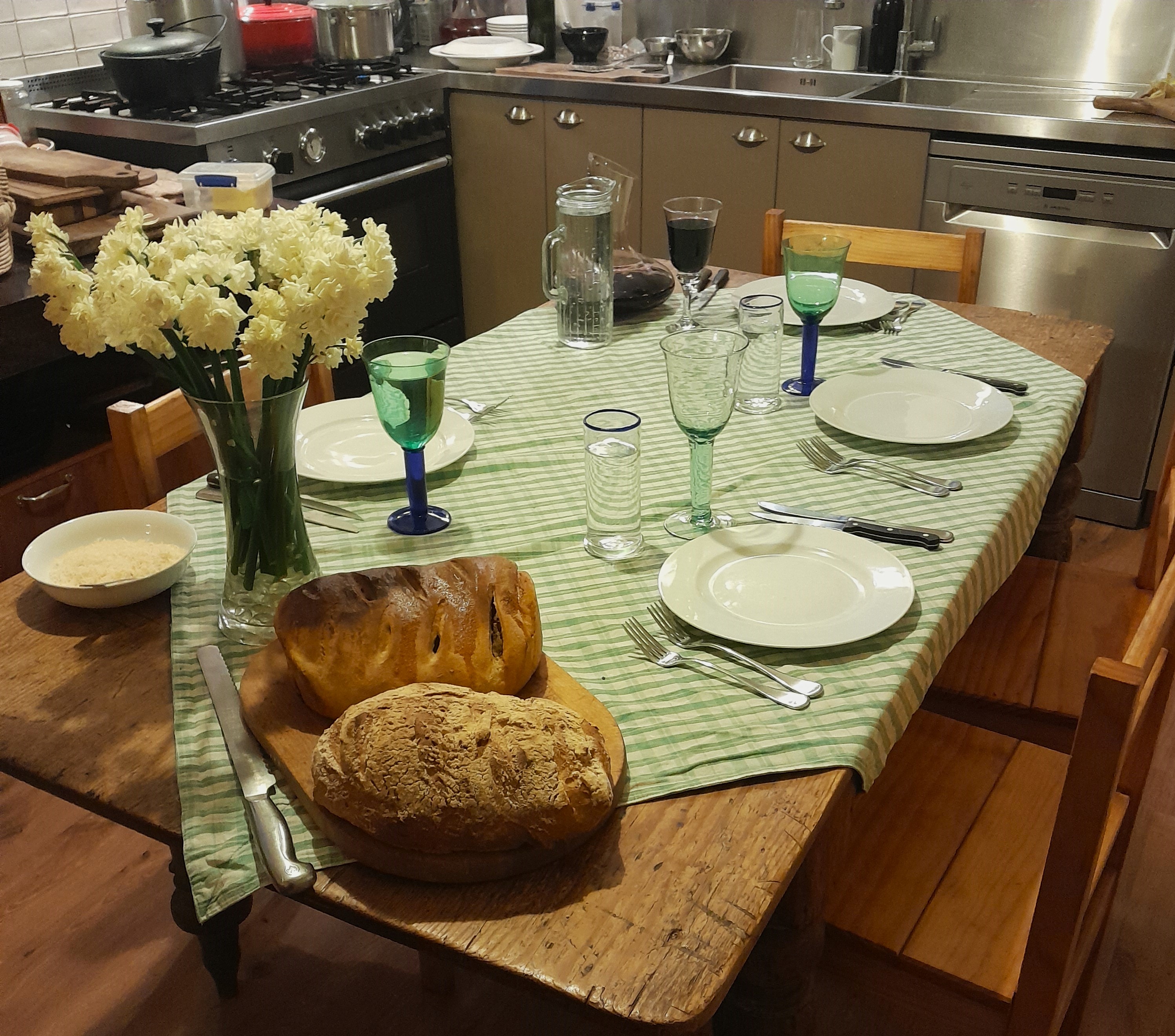
We expected 2 friends for dinner tonight and I decided to bake a STROMBOLI instead of the normal bread I always make

I used my standard bread dough recipe, using my own organic milled wheat flour and rolled it out about 0.5 cm thick. Dressed it with Fresh baby Spinach, Caciocavallo cheese, Tomatoes, Capocollo, Salami, Garlic, Parsley, Olive Oil, Salt and Pepper – Most of the Produce, Cheese and Salumi are my own produce

Roll it up thightly

Proof it in one of my spare egg incubators

Bake at 225 C for 30 minutes, turn the heat down to 190 C and bake for another 30 minutes

Ready for the guests

The end product was not only visually appealing, but met with the approval of all !!

RISOTTO alla BARBABIETOLA (Beetroot Risotto)

Winter in Dunedin means that the garden is not very productive and we need to eat what is available. Beetroot seems to ignore the cold and the plants were producing throughout winter – fortunately I planted enough. The problem of too little vegetable varieties becomes more intense as one runs out of ideas as to how the beetroot is going to be cooked today. I harvested some more beetroot and asked Mrs BYF to do something else with it this time and she came up with this wonderful Beetroot Risotto – I am now sorry I did not plant more.

Ingredients

4 small or 2 large Beetroot (about 500g) washed but not trimmed 

1 whole Garlic

4 Scallions (because we have lots in the garden) finely chopped, including the tender parts of the green leaves. 

1 1/2 cups of risotto rice like Arborio or Carnaroli

500ml of Stock. Any good stock will do of which we again have ample supplies of. 

Olive oil for frying 

1 tablespoon of Butter to add at the end. 

Salt and Pepper to taste. 

Grated Parmigiano reggiano to serve. 

Pre heat the oven to 200C. Brush the beetroot and the garlic with olive oil and roast until cooked, about 40 minutes. Don’t leave them too long, they get dry and wrinkly.

When the beetroot and garlic are done and have cooled enough to handle, trim and chop the beetroot ( I never remove the skin) if you chop finely enough you don’t have to blend anything. Squeeze the garlic over the  beetroot and set aside. 

Heat the stock to just below boiling point

Add a few tablespoons of olive oil to a pan, big enough to contain the cooked rice, scallions and beetroot add the chopped scallions and fry until translucent. Add the rice and fry for a few minutes. Add half a glass of good white wine and allow the alcohol to evaporate. Start adding the stock a few tablespoons at a time, don’t make a soup. Keep stirring while adding stock. Each grain of rice should have a coating of moisture and float separately from the others. Keep this up until the rice is almost done, then add the garlic and beetroot mix to the rice. Cook and stir until the rice is tender enough to taste.  Adjust salt and pepper. Add the butter and stir very well before serving hot onto heated plates

Top with Parmigiano reggiano and some chopped parsley

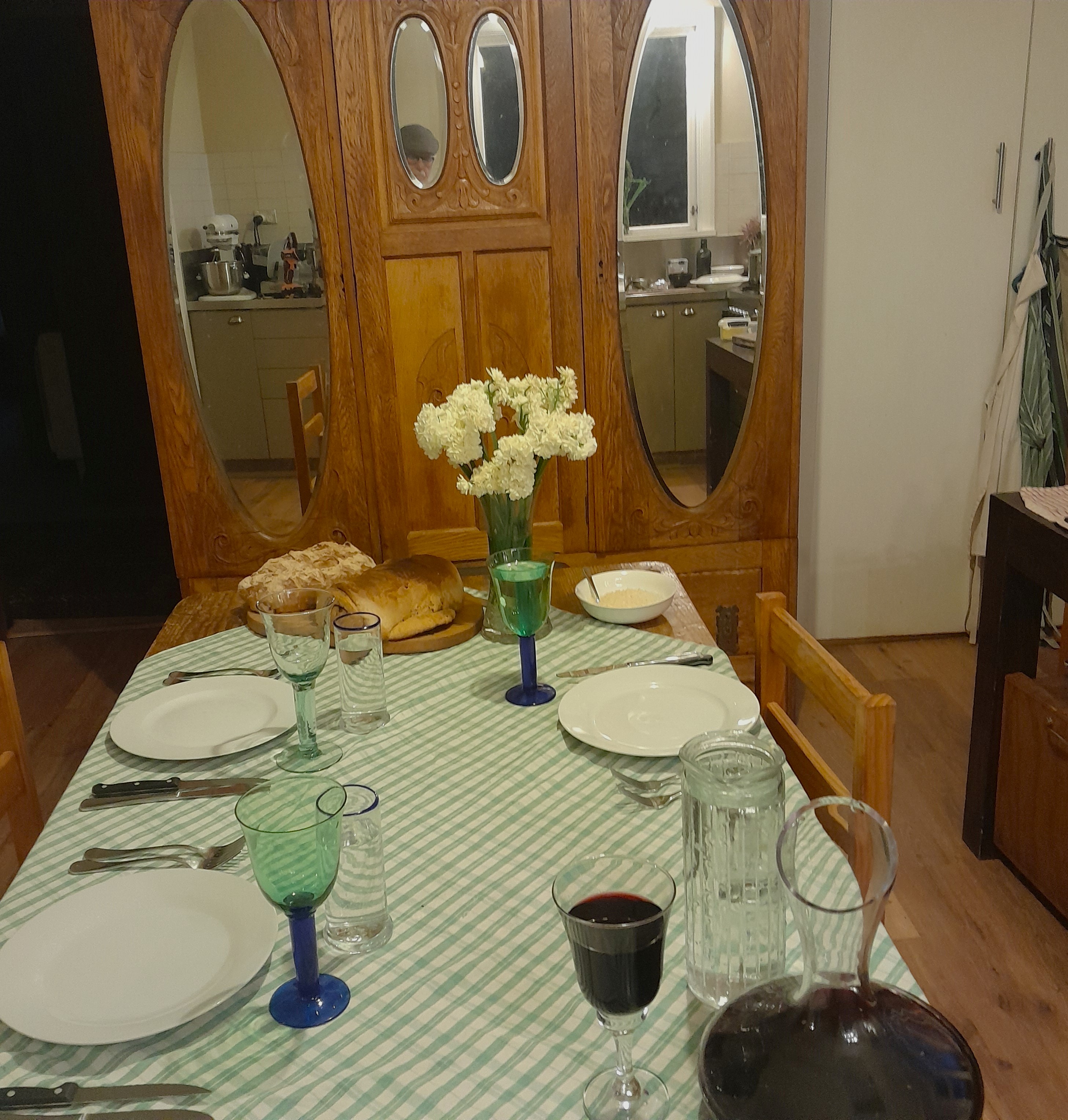
ENJOY with a glass of GOOD home made red wine !!

UPSIDE DOWN BANANA BOXES

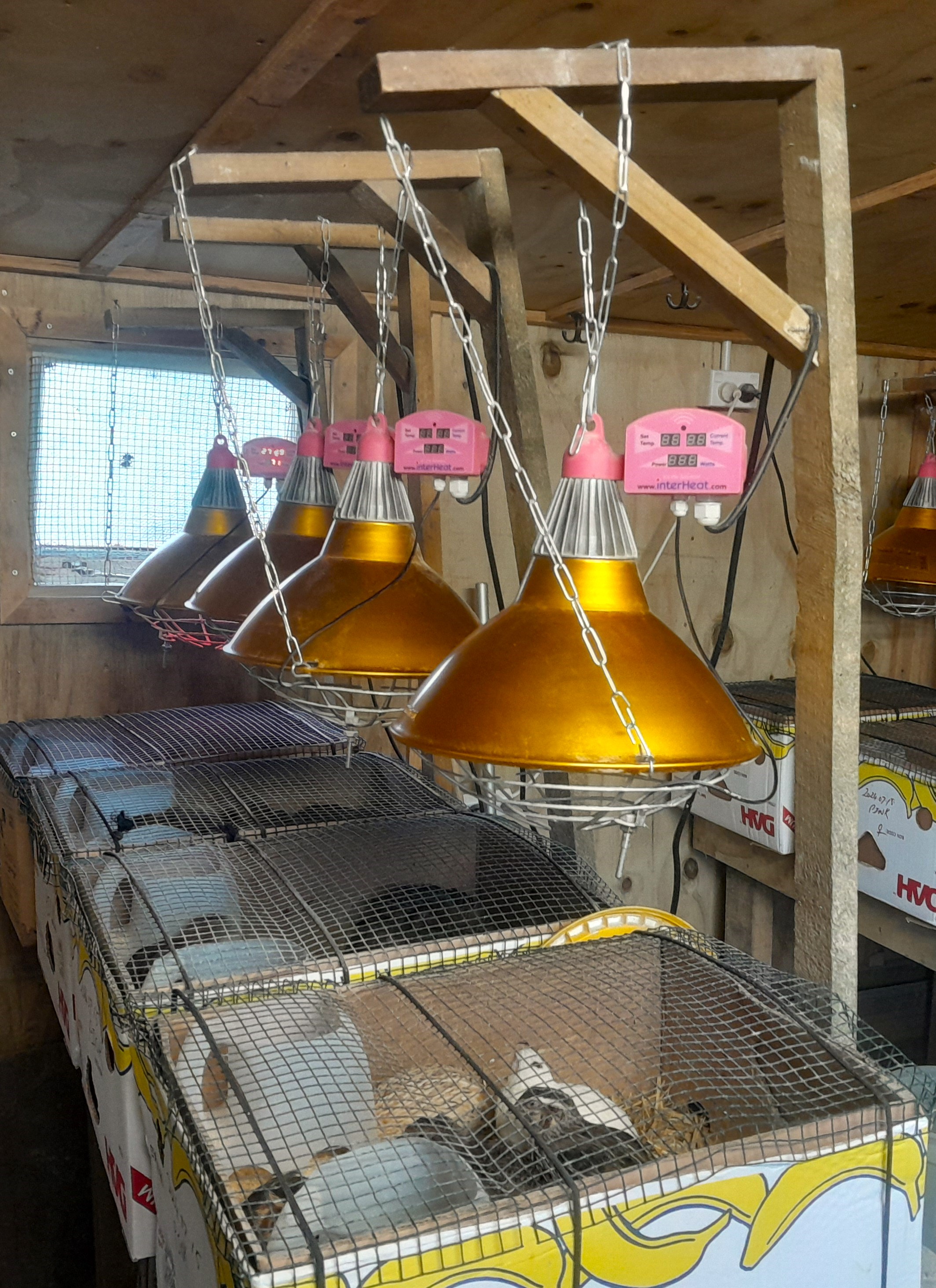
INSIDE TE HATCHERY

For many years I used plastic brooders to grow my small quails in and it worked very well. The problem came having to clean these all the time and since I replace about 10 of these in my hatchery every week, it became a very laborious and unpleasant task. A water blaster was the only way to clean them properly which created a lot of effluent as well. Alternatives were investigated and I settled on Banana Boxes. The advantage is that there is no cleaning as I just replace the used box with a new and clean one. The downside was that I had 10 manure and bedding “soiled” banana boxes every week. I solved this by flattening the boxes and turn them upside down in my garden with the manure and bedding underneath and the box on top. This makes a wonderful source of nutrients fertilising the soil and also an excellent weed mat.


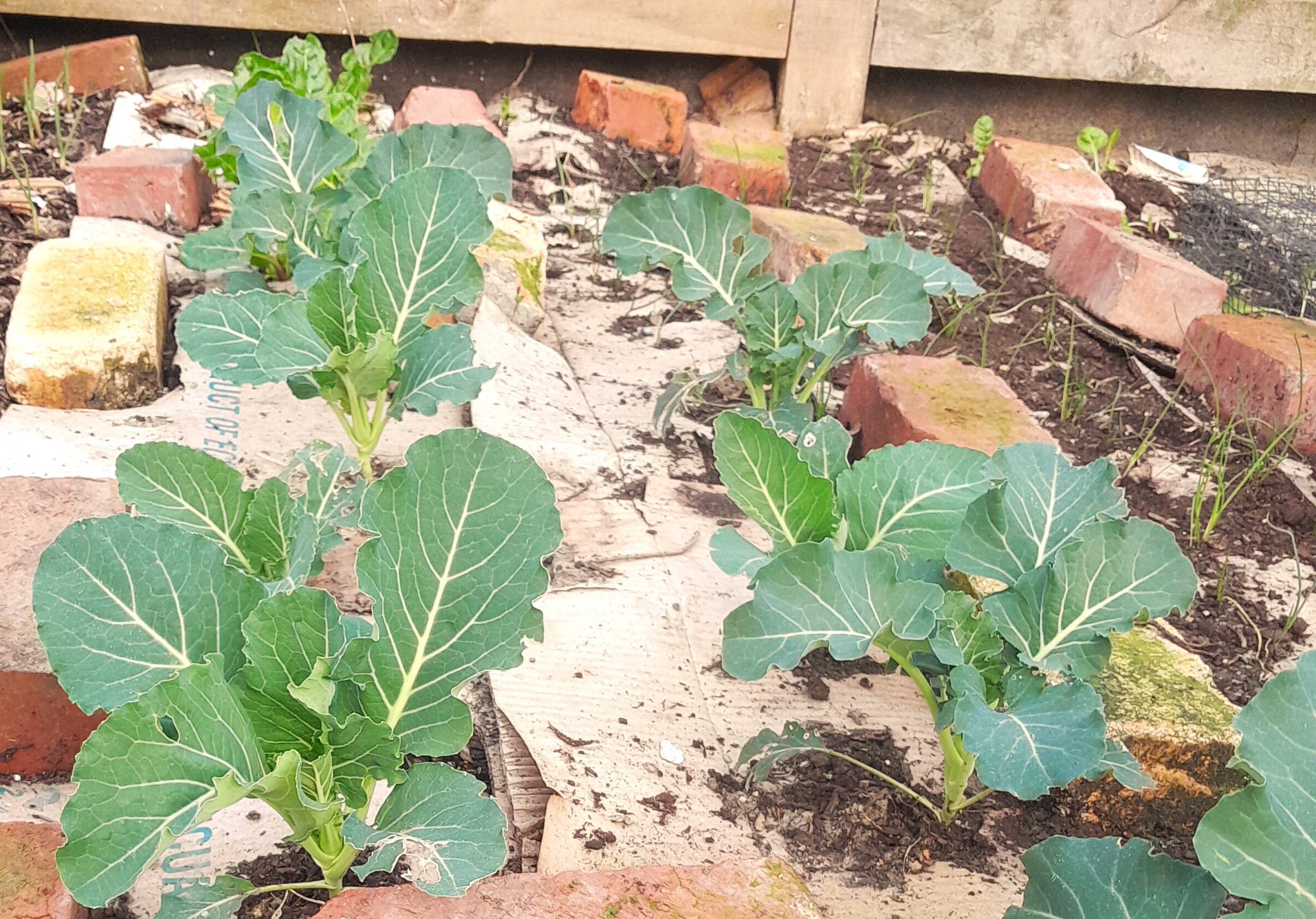
The results are excellent from a plant growth point of view and I have also not seen that many earthworms in all my live. I normally leave the boxes, well watered, for a couple of months before drilling a 40 mm hole about 200 mm deep through the box into the ground, fill it with good quality soil and plant the new plants or seeds it the hole. One needs to pack the boxes down in the beginning (I use old bricks) until the plants are stronger, otherwise the boxes move too much and the hole is not over the seed any more, or the small plants get damaged. After about 1 month the boxes have disintegrated and the bricks can be removed. The plants are now strong enough, weed free and well fertilised.

Ready to plant an Artichoke Forrest

One of the many Tomato beds ready for planting
Brassicas are very happy
Garlic is going very well
Boxes are well disintegrated after 6 weeks