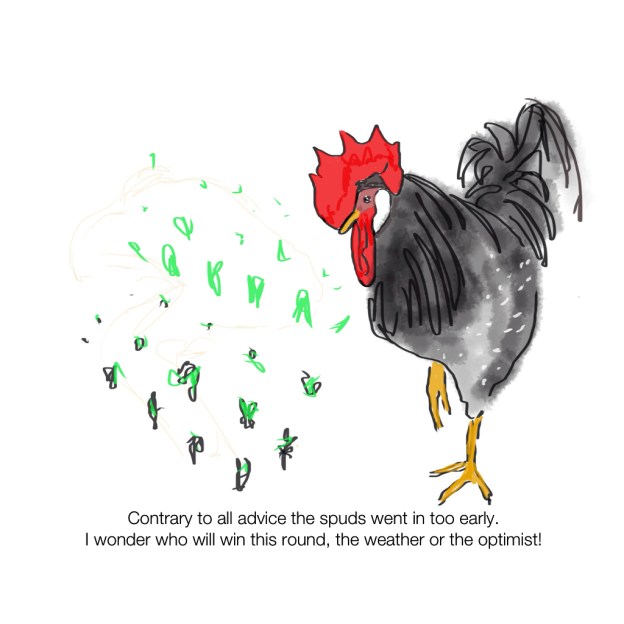
Spud Planting Time
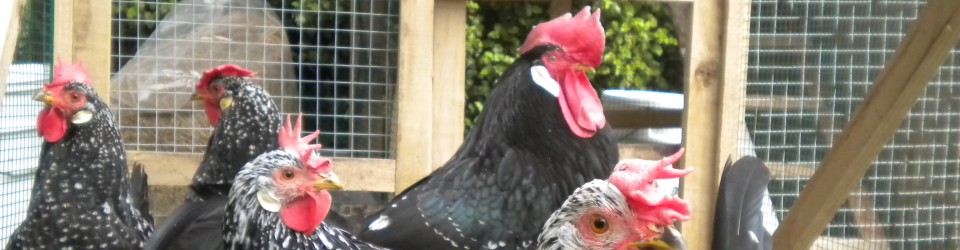
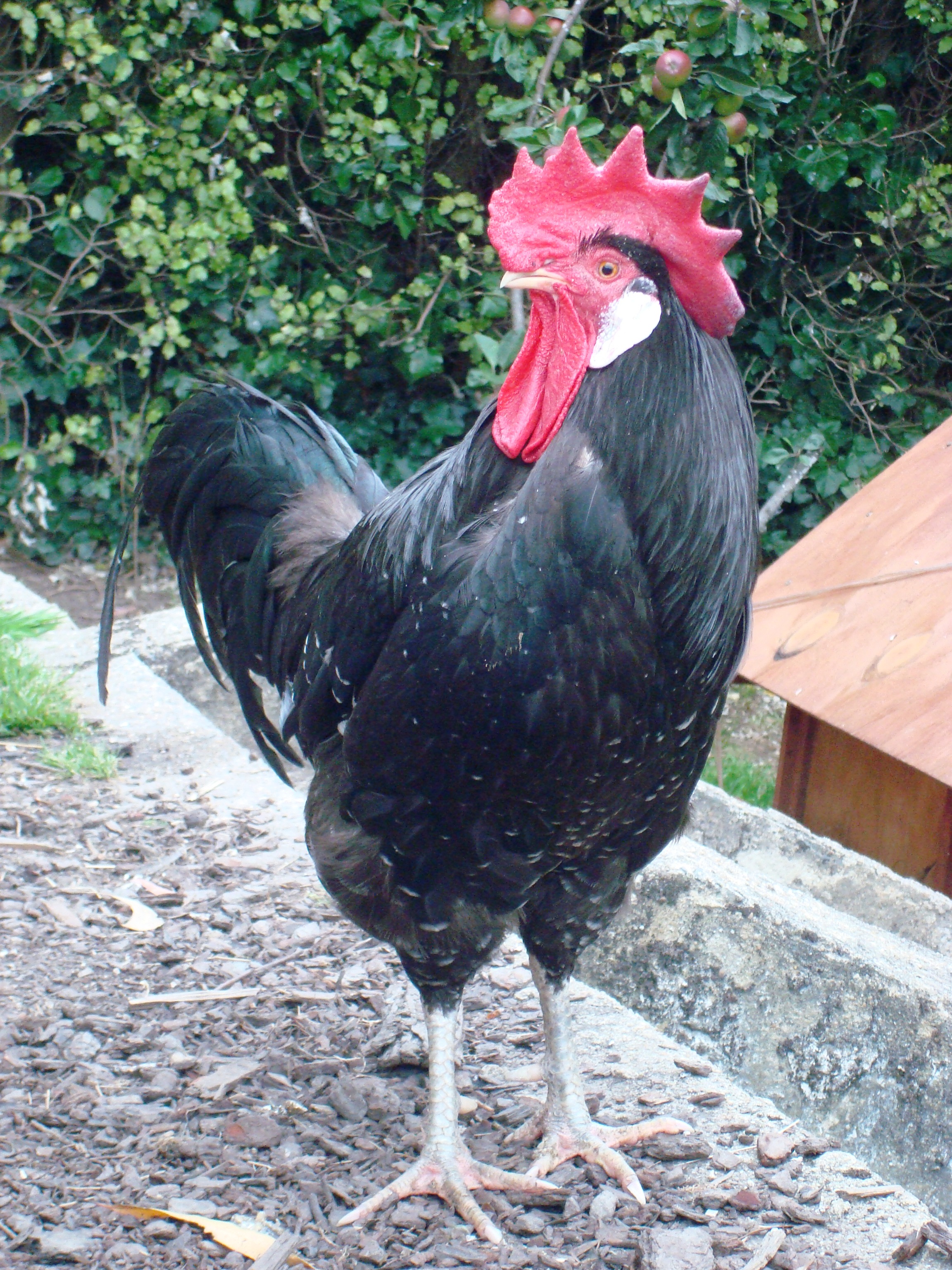
The Assistant Manager of the Backyard, the rooster named Alvin, passed away today. He was a great representative of the Ancona breed, and, above all he had personality and presence. He was like a friend and kept me company as I toiled in the yard. I tried everything I could to save him – regular worming, the best food, fresh water, warm house, company and ……free range access to the garden during the day. The last part is what did him in, I think. Alvin loved picking up every little thing he saw on the ground, working over the garden from end to end. In my efforts to establish a vegetable garden, turning over the soil to work in compost and lime as well as manure and I keep finding rubbish – bottles with dubious contents still in them, plastic, strange substances and whatnot. I cart everything away on discovery but that has not helped.
I have a lovely ngaia tree in the garden and know that the leaves are poisonous – that probably means that the berries and flowers are, too. I have not observed Alvin eating those, though. Some weeds are a worry and I shall have to check with neighbours to see which are poisonous. I still want to free range my chickens but fear for their safety.


BEFORE AFTER
The previous owners thought it good to plant grass, flax, ferns, etc in a premium sunny corner of the garden – all covered with plastic sheeting and the plants peeping through the holes in the sheet. Not only was it ugly, untidy, unproductive and impossible to work because of all the plastic, but also messy. I have at long last plugged up the courage to remove all the plants and sheeting, dig it over and now have a beautiful 12 meter square bed where I have already planted two olive trees and many vegetables to come. The next few weeks will see a lot of compost going in and hopefully soon it will be very productive as it is probably the sunniest spot in the garden. I just cannot understand people wanting to have a “garden” then cover it in plastic and pebbles as this property was two years ago.
Cattedrale di Como

 Back Yard Farmer