
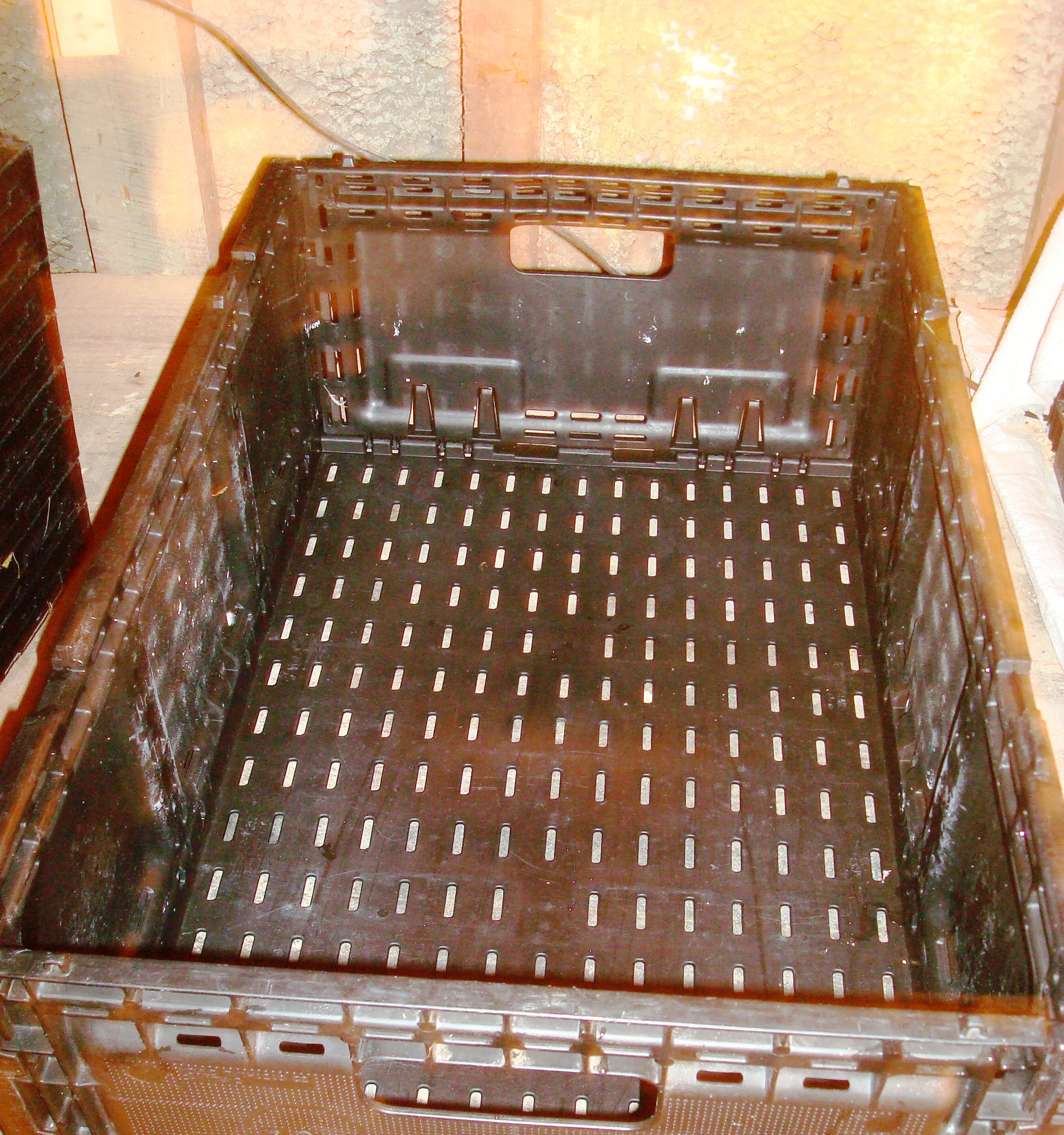
At some stage in my life I obtained some plastic collapsible storage crates, which were very handy when moving to New Zealand and I always knew that I would find a good use for them at some stage . When I arrived in New Zealand and started quail farming and was looking for a brooder system, immediately the storage crates came to mind – dimensions 600 X 400 X 200 mm.
These are easy to clean and sterilise as I use an all in all out system. My breeding batches are always about 30, 60 or 120 chicks, so I commence with 20 chicks per crate. I split them at two weeks of age into two crates, where I then leave ten in each crate until about six weeks of age. As I sell many birds at five weeks of age as well as slaughter many of the males at five weeks of age, I normally end up with six to seven birds per cage at six weeks, even though ten is still comfortable.
I begin by lining the crate with an old towel, of which I have plenty (my wife chucks them out, when I think they are still perfect).

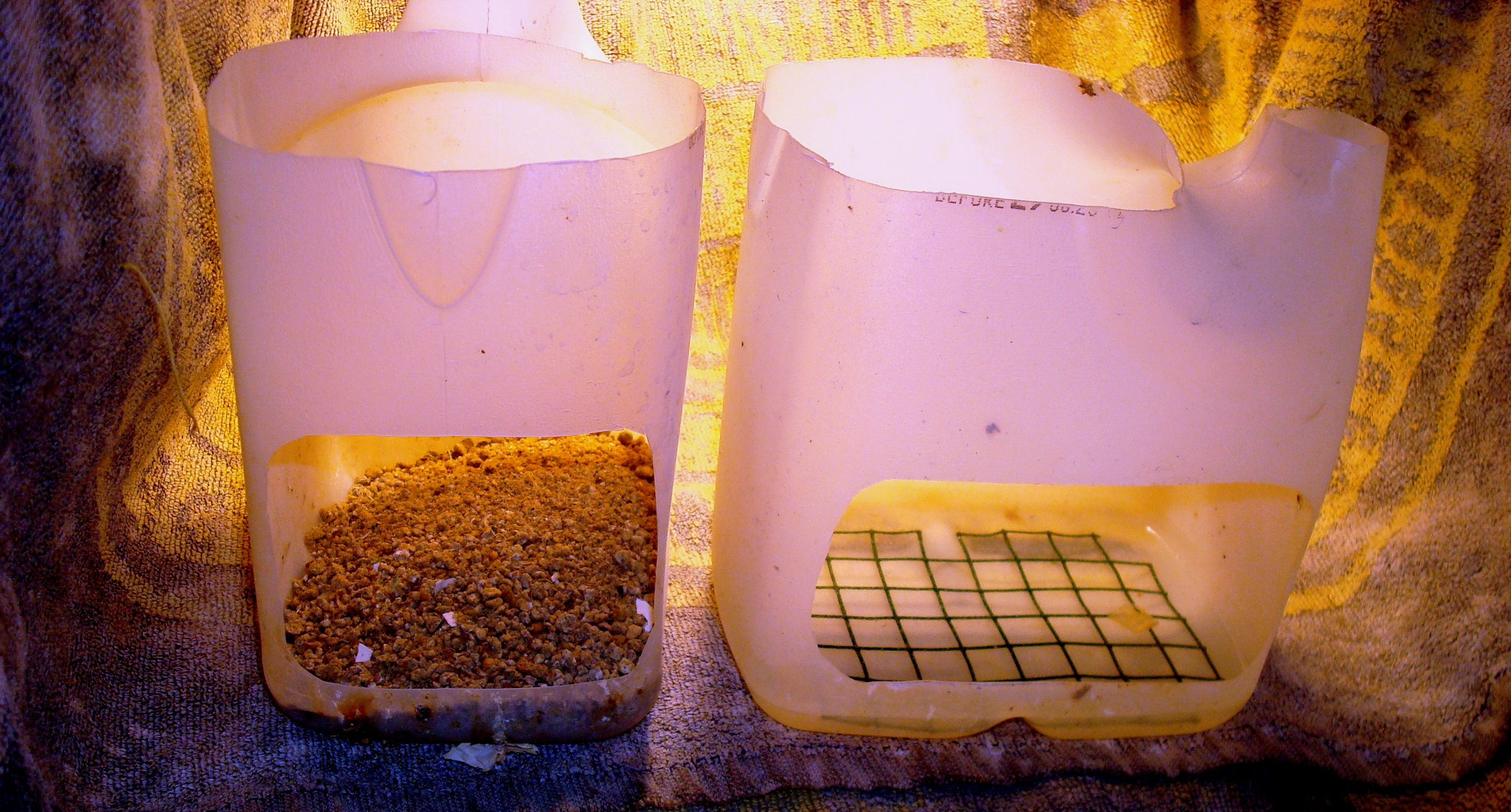
Then ad my food and water drinkers made from used plastic milk bottles

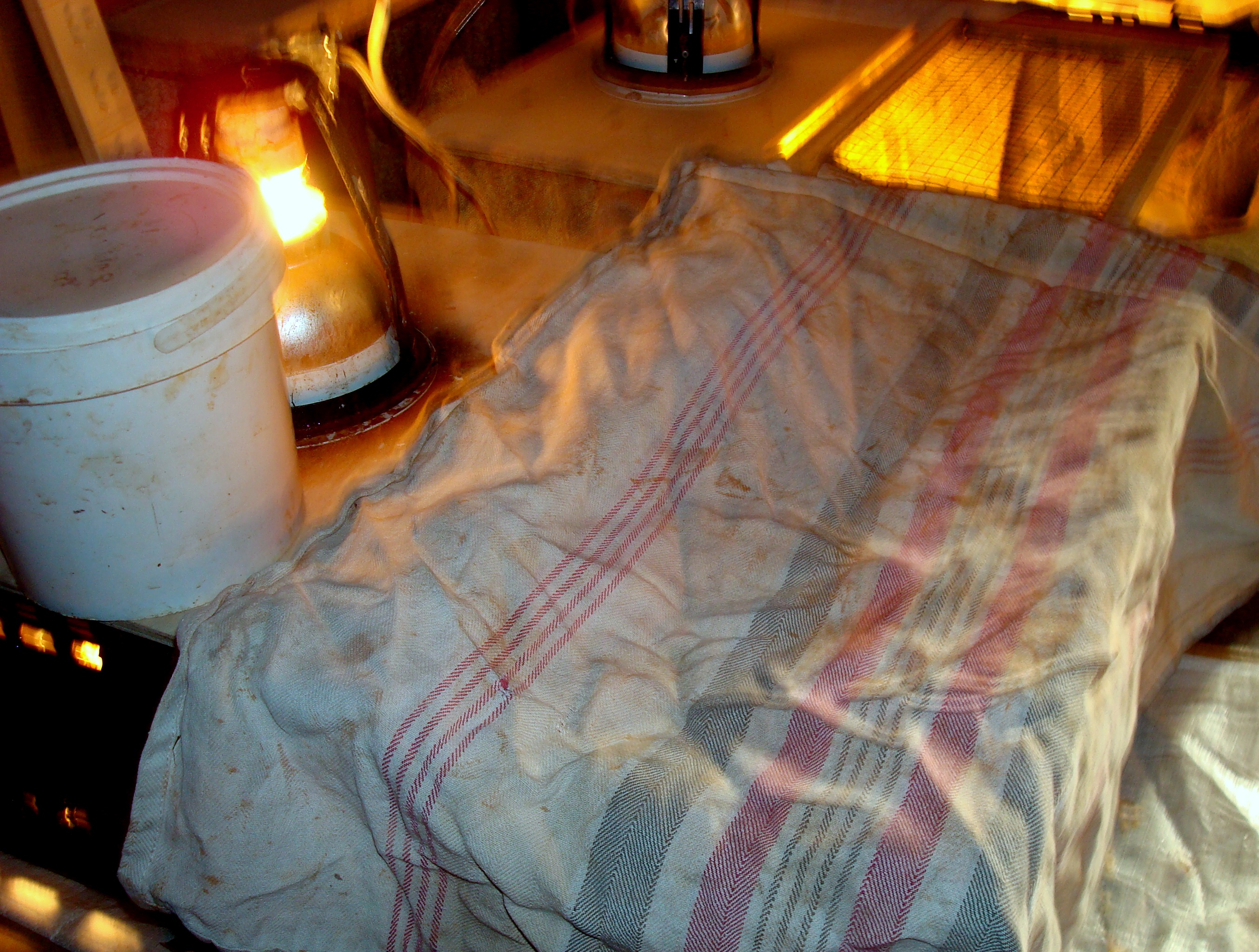
The lamps, I purchased from a second hand shop $20 for 20, including 100 W globes, and used off cut plywood from cages I build to mount the lamps.

Then add a frame, made from off cut wire netting and pieces of wood

The last two items just lie on top of the crate and are easily removed to inspect and work with the quails. Now add you babies

When too cold, I drape an old tea towel (discarded by my wife) over the netting part
At two weeks of age, when I split the groups in two, I put them on wood shavings
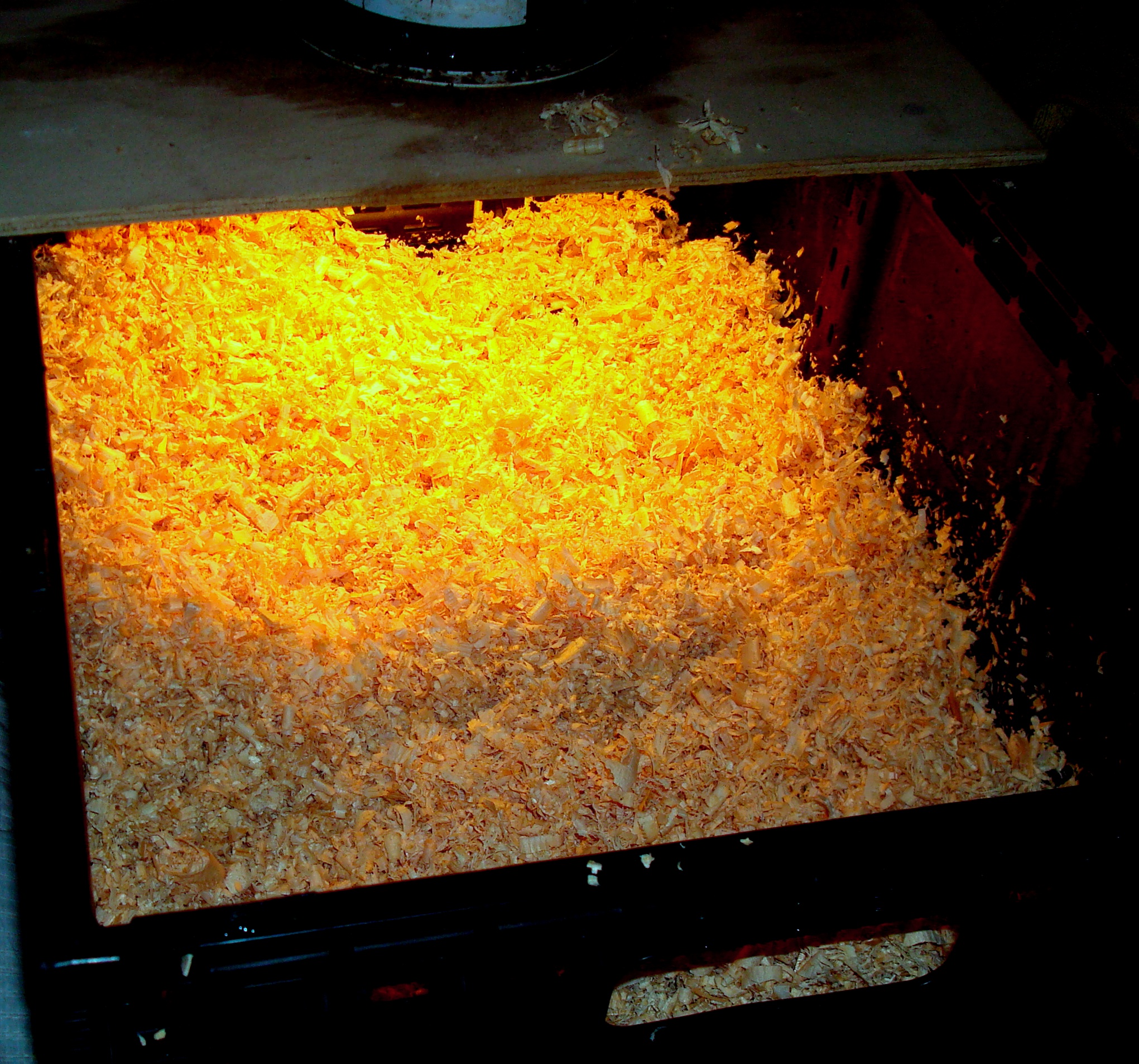
The other difference is that for the first two weeks, when the babies are still learning to eat and drink, the feeders are designed in such a way to encourage them to walk into the feeding area. Now at two weeks when they are clever enough, the feeders are designed in such a way as to encourage them to eat from the outside and not enter the feeders any more, as they start scratching now and waste food and dirty the water too much. I also raise the feeders by putting it on a piece of wood, to prevent them scratching the shavings into the feeders. Self feeders and drinkers are again used plastic milk bottles

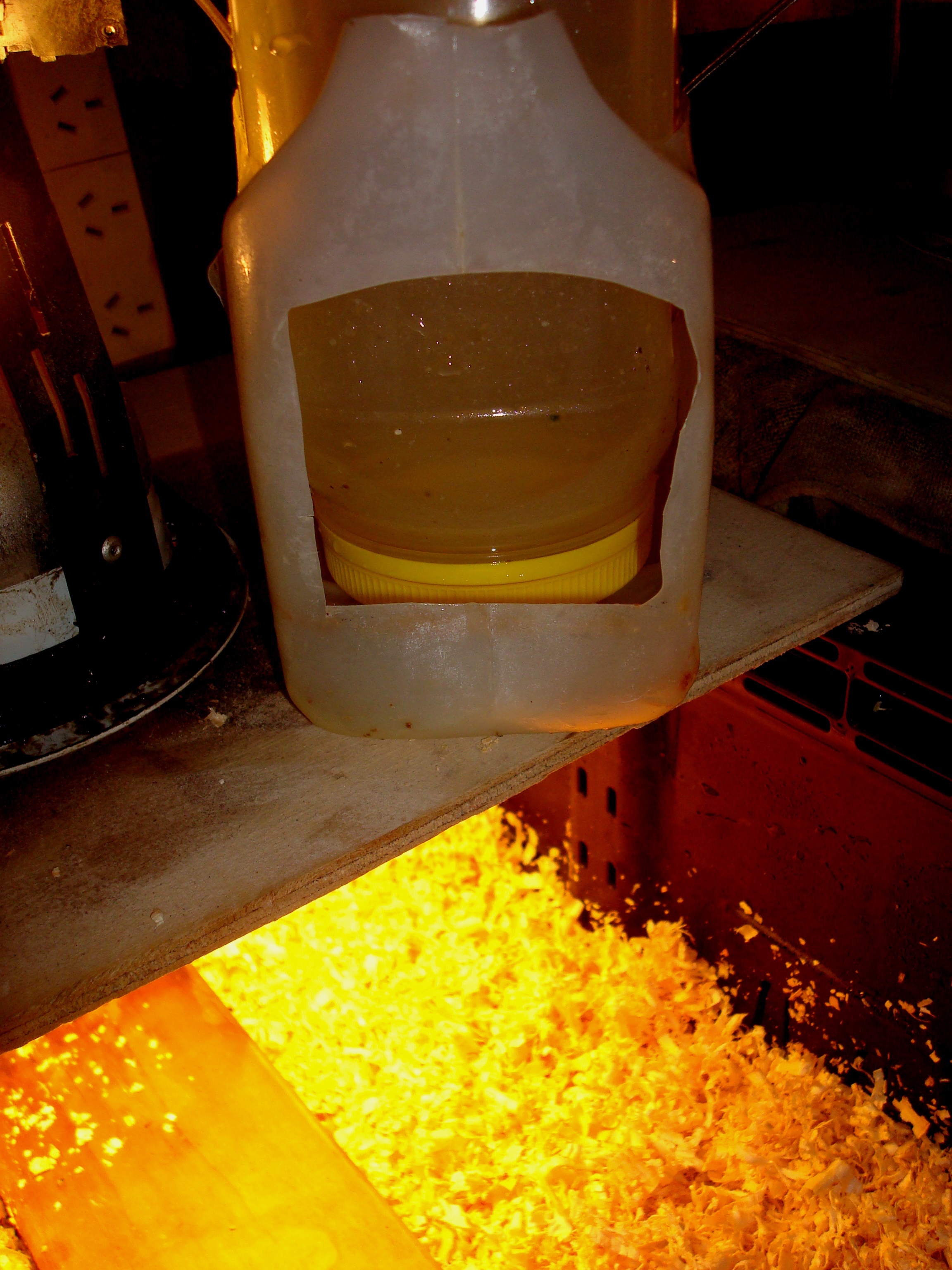
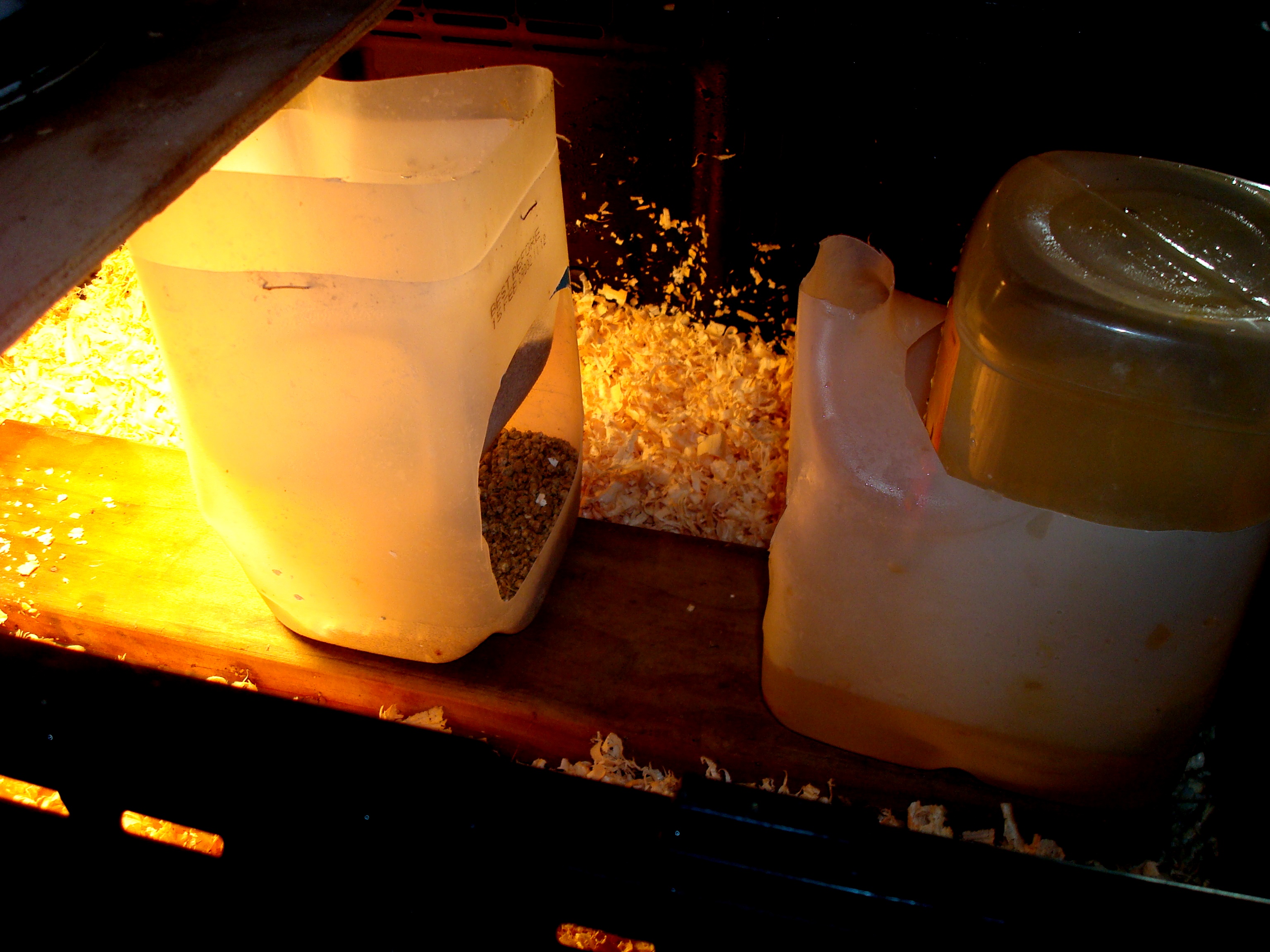
Now ad you babies
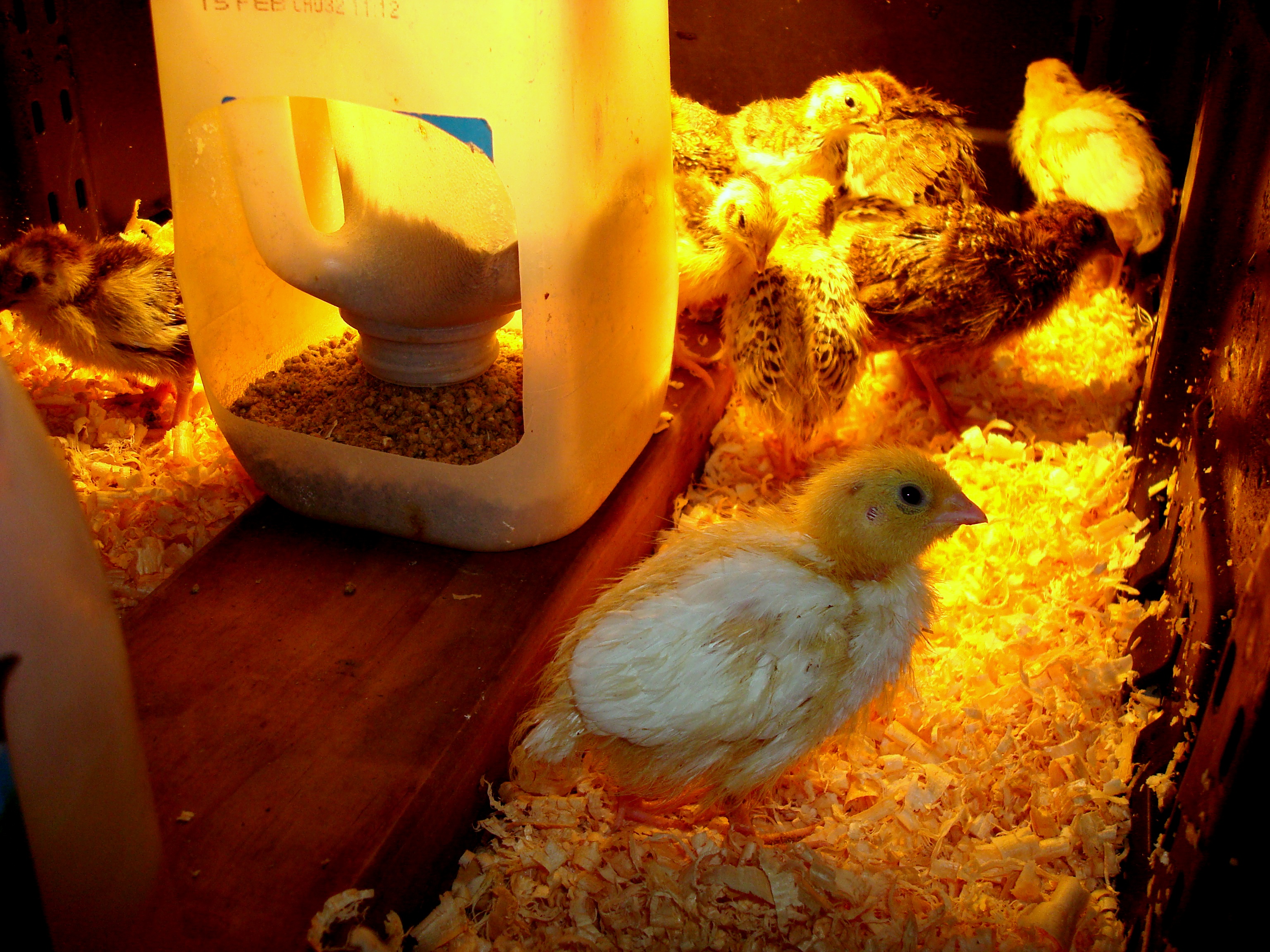

Managing up to 20 crates in this way, I find very easy. Each Brooder can be accessed easily by lifting the top and inspecting each chick. Feeders and drinkers last for days in the beginning and about once every two days towards the end.
Lastly the feeding. I mix a 28% Chick Starter Mash to which I add 1 boiled egg per 100 g for the first week and increase the mash by 100 g each week for one boiled egg, i.e. 100 g mash per egg for week one, 200 g mash per egg for week two, etc until 700 g mash per one egg for week seven, where after I switch to a 22 % Layers Mash. I also always add some cod liver oil at a rate of 5 g per Kg to all feeds, over and above the normal vitamin – mineral premix.
Exactly the same system is used for my chickens, partridges, pheasants and guinea fowl – I only move them out a bit faster, as the become too tall for the 200 mm crates.


 Back Yard Farmer