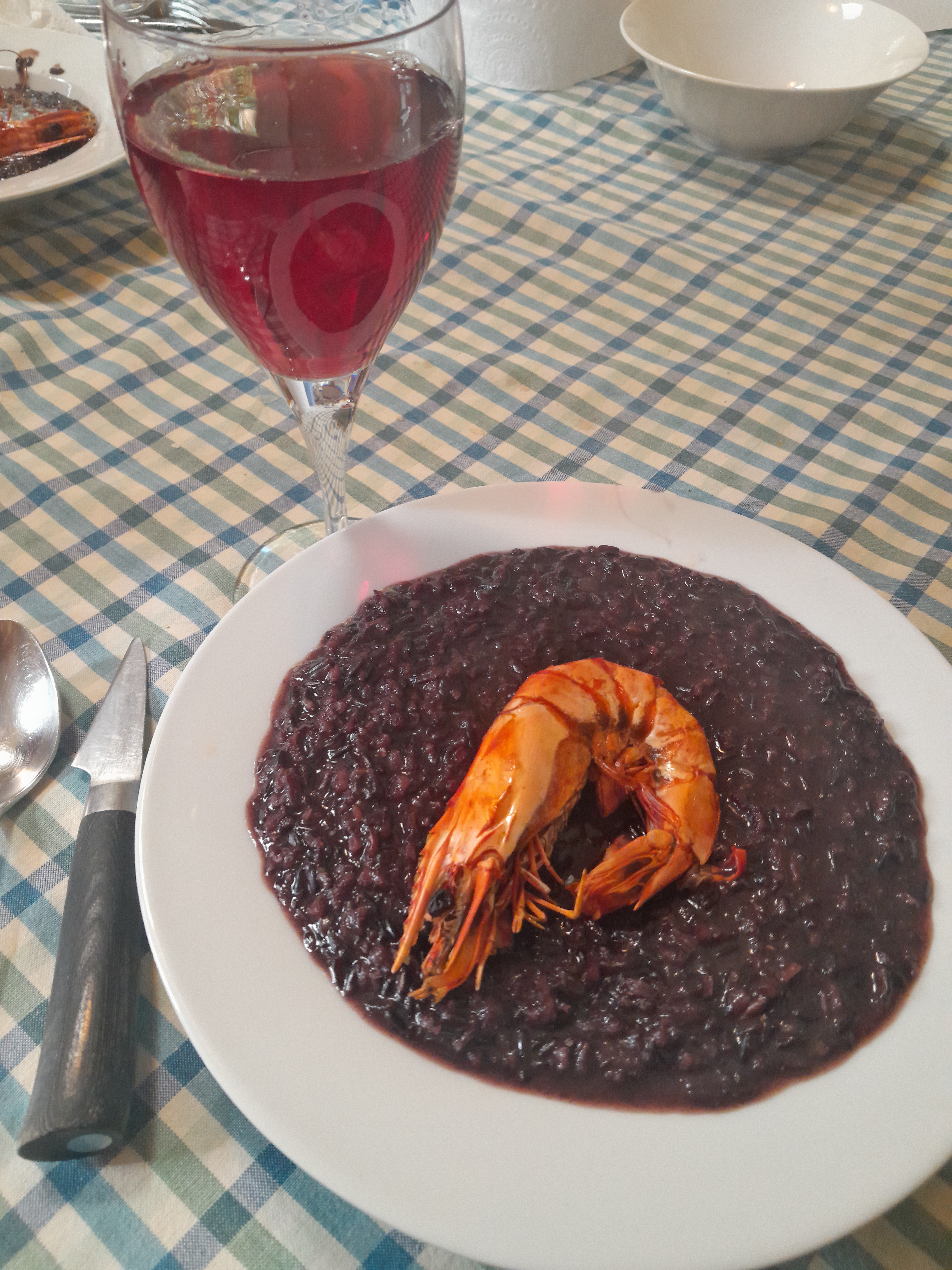
Riso Venere (Black Rice) con Gamberi alla Liguria

Liguria-Style Venere Black Rice with Prawns

As Lombardia (my region) does not have any sea access, we always look up to Luguria when it comes to seafood recipes. In Liguria, seafood is treated with great respect : simple preparation, excellent olive oil, fresh herbs, and bright citrus. This version reflects the coastal cooking of the Italian Riviera — clean, aromatic, and elegant, with no heavy sauces.

Ingredients (Serves 4)

  • 300 g Riso Venere (black rice)
  • 400 g raw prawns (preferably whole, shell-on for best flavour)
  • 3 tbsp high-quality Ligurian extra virgin olive oil
  • 1 clove garlic, lightly crushed
  • ½ glass dry white wine
  • Zest of 1 lemon
  • A few thin strips of lemon peel (no white pith)
  • Small handful fresh parsley, finely chopped
  • Small sprig fresh thyme or marjoram (optional but traditional)
  • Sea salt, to taste

Method

  1. Cook the rice
    Boil the Venere rice in abundant salted water according to package instructions (20–40 minutes). Drain well and spread on a tray briefly to steam off excess moisture.
  2. Prepare the prawns
    Peel and devein the prawns, keeping tails if desired. If using whole prawns, reserve shells to briefly flavour the oil.
  3. Infuse the oil
    Warm the olive oil in a wide pan over medium heat with the crushed garlic and (optionally) the prawn shells. Cook gently for 1–2 minutes to release flavour, then remove shells and garlic before they brown.
  4. Cook the prawns
    Increase heat to high, add the prawns, and sauté briefly — about 1–2 minutes per side.
  5. Deglaze
    Add the white wine and allow it to evaporate quickly, concentrating the flavour.
  6. Combine with rice
    Add the drained rice to the pan and toss gently so it absorbs the seafood juices and oil.
  7. Finish in the Ligurian style
    Remove from heat and add:
    • Lemon zest
    • Lemon peel strips
    • Chopped parsley
    • Thyme or marjoram (if using)
      Adjust salt and drizzle with a final thread of excellent olive oil.

To Serve

Serve warm — not hot — as is typical of Ligurian seafood rice dishes. The aroma of citrus, herbs, and the natural perfume of Venere rice should remain delicate and fresh.
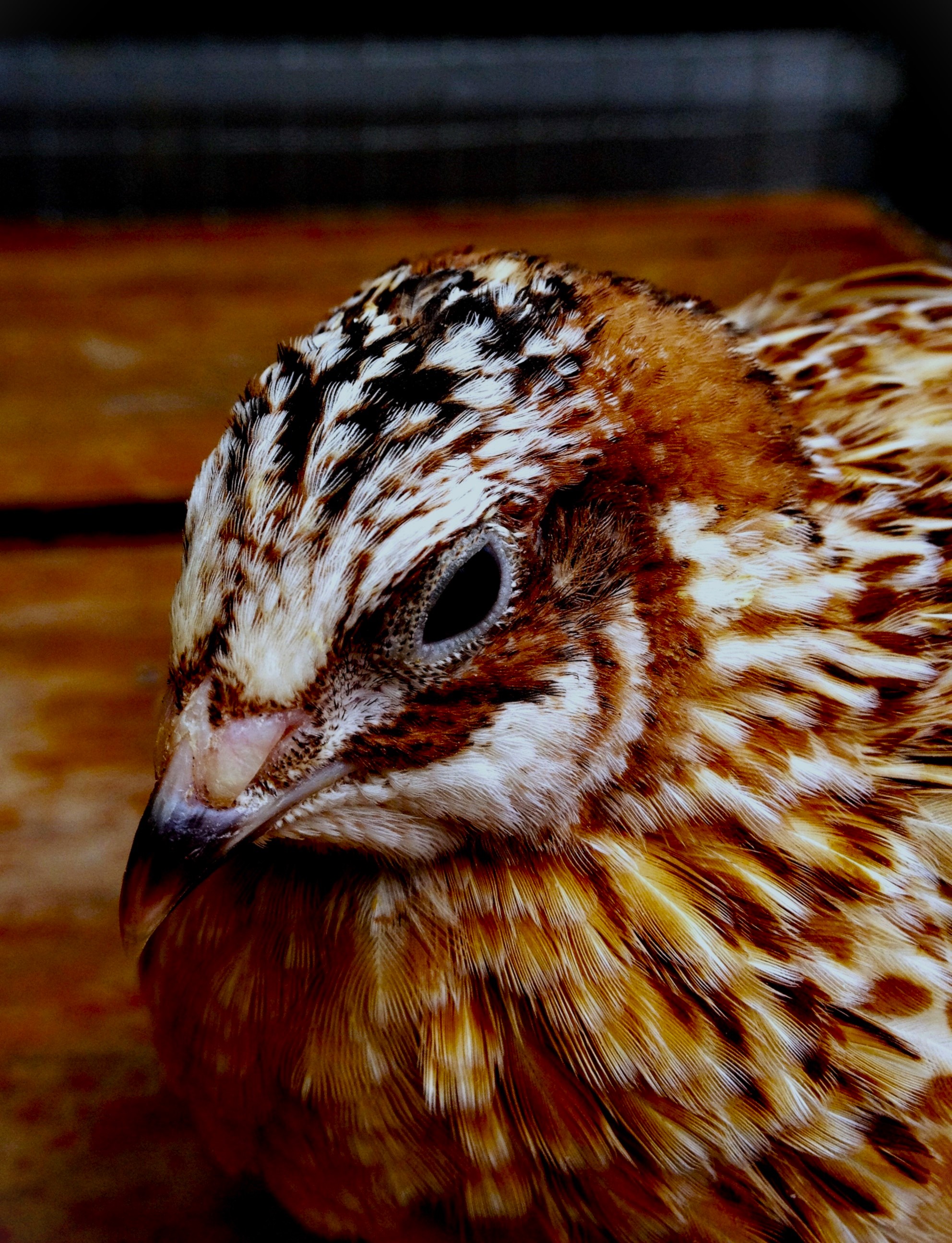
THE BYF COMPLETE QUAIL NUTRITION SYSTEM

FOUR PRECISION FEEDS

One Seamless Program – Proven, Consistent Results

At Back Yard Farmer, we reject one-size-fits-all feeds. Quail have precise, ever-changing nutritional demands through every life stage – and nailing those stages is what separates average flocks from exceptional performers with superior growth, vitality, fertility, and longevity. That is exactly why we developed and proudly offer a complete, life-stage-specific quail feeding system:

Starter → Grower → Breeder → Mature Maintenance

These four feeds are engineered to transition smoothly, eliminating nutritional stress, digestive upset, and guesswork. When used as a coordinated system, you get predictable outcomes: rapid, uniform growth • robust skeletal development • healthy, long-lasting breeders • exceptional shell quality • high fertility • and reliable, high hatchability.

Why the BYF System Delivers Superior Results

  • Smart, progressive balance of protein and energy – perfectly matched to each phase
  • Precise mineral control — avoiding dangerous over, or under supplementation
  • Consistent ingredients and formulation across all feeds for steady performance
  • Breeder-focused design — prioritising longevity and sustained productivity over short term burnout

This isn’t just a loose collection of feeds – it is a proven, integrated program born from real world quail breeding experience. Feed is not mere “fuel” It is the precise combination of proteins, fats, fibres, minerals, vitamins, and carbohydrates that drives health, reproduction, and hatch success.

Feed Stages at a Glance

Starter Feed

For chicks from hatch to 21 days
Kick-starts explosive early growth with high digestibility, optimal gut development, strong immunity, and rapid muscle formation. Produces uniform, well-framed juveniles without over-stressing tiny systems

Grower Feed


For birds from 22 days to 7 weeks
Moderates growth rate while building strong bones, solid structure, and lean body condition Prepares quail perfectly for maturity — avoiding excess fat or oversized/poor-quality eggs down the line

Breeder Feed


For all actively producing mature birds.
Optimised for peak fertility, outstanding shell strength, and top-tier hatchability. Supports consistent egg quality and long-term breeder health — maximizing production without sacrificing bird welfare

Mature Maintenance Feed


For non-laying mature birds
Promotes healthy molting, restores vital reserves, and conditions birds for peak performance in the next breeding cycle. Engineered for Exceptional Hatchability


When quail are fed exclusively on the BYF system and eggs are handled properly, nutrition-related hatch failures become extremely rare. Balanced amino acids, carefully calibrated minerals, and stable energy sources work in harmony to develop strong embryos and hatch vigorous, lively chicks

The Simple Rule for Success


Feed the right diet at the right stage and let your birds deliver outstanding results.

Ready to unlock consistent, high-performance quail breeding?

Choose the BYF Complete Quail Nutrition System, where precision feeding meets real world reliability

PIETRA DI SAPONE – A Rural Italian Recipe – Traditional Farmhouse Soap

Before supermarkets, detergents, and plastic bottles, farm households had to make do with what was on hand. Cleanliness was still important, but it was achieved with simple materials, practical knowledge, and a lot of experience.

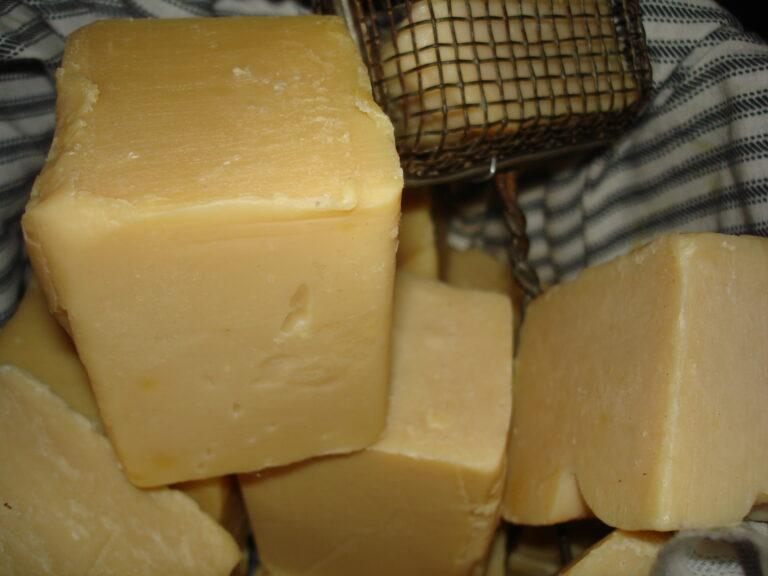
In rural Italy, farmers and shepherds relied on a basic homemade soap often referred to as pietra di sapone — literally “soap stone”. It was a hard, plain soap made from animal fat and alkali, produced in large batches and used for everything from washing clothes to scrubbing floors and tools.

This was working soap, not luxury soap.

Soap Making on the Farm

Soap making was usually done once or twice a year, often after pig slaughtering, when large quantities of lard were available. Nothing was wasted. Fat that was unsuitable for eating became soap, and the end product was stored and used until the next batch was made.

There were many local variations, most passed on orally. The recipe recorded below, of which I made a 5 Kg batch today, was already in use by around 1870, and likely much earlier. It is one of the simplest and most economical versions.

The Traditional Base Recipe (Historical Record)

Ingredients

  • Pork lard – 5 litres
  • Water – 10 litres
  • Flour – 1 kg – (Use Whole Wheaa Flour for some texture and scrubbing effect – optional)
  • Caustic soda (sodium hydroxide) – 1 kg

Basic Equipment

  • Large plastic or wooden tub
  • Wooden or plastic stirring utensil
  • Protective gloves

Traditional Method (As Practised Historically)

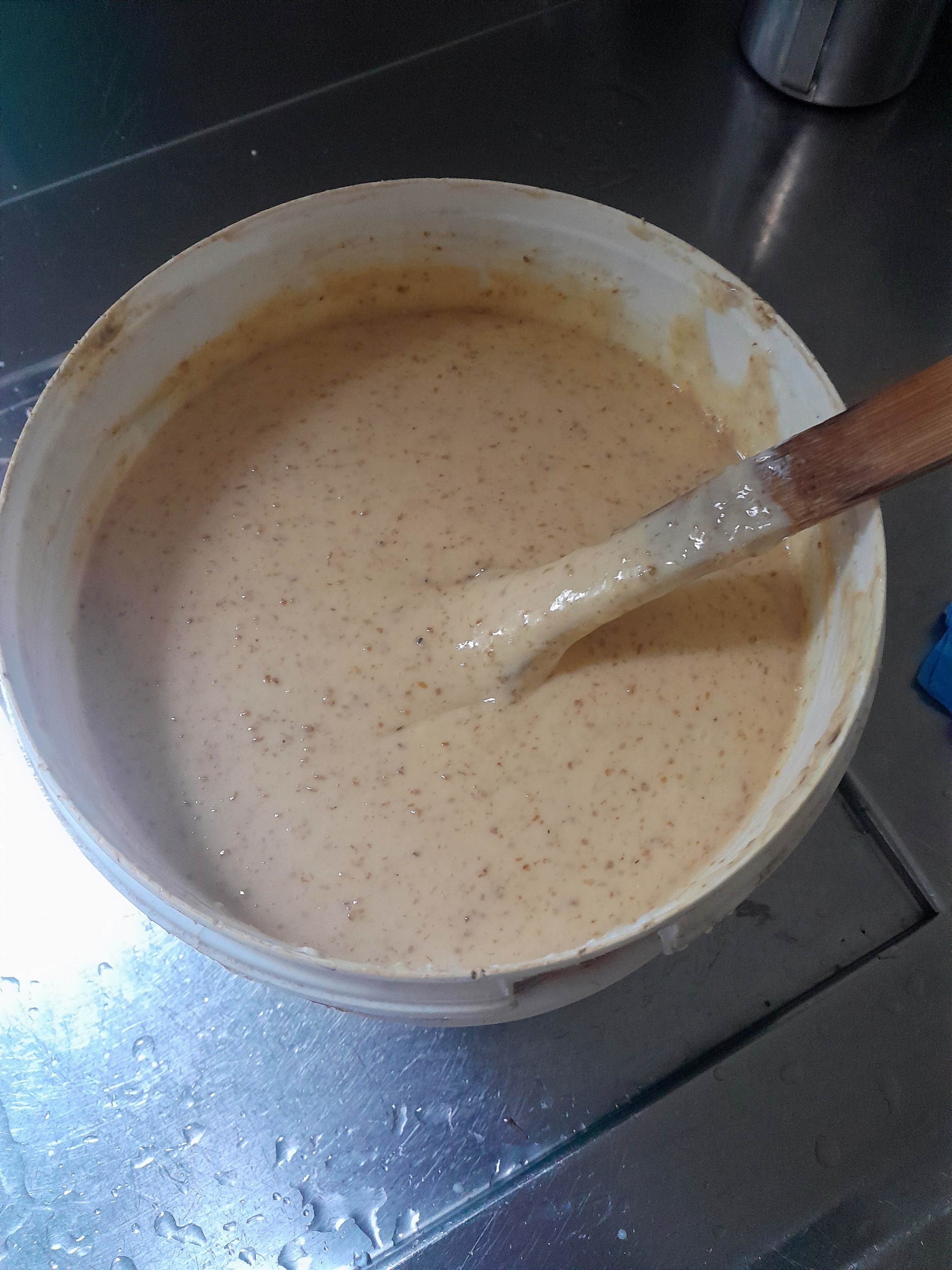
The lard was first rendered until fully melted and clear. Water was placed in a large tub and the flour mixed in to form a smooth liquid with no lumps. The melted fat was then added and stirred until evenly combined.

Only at this stage was the caustic soda introduced. The mixture was stirred continuously until it thickened noticeably — what old soap makers recognised by eye and feel rather than measurement.

When ready, the soap was left undisturbed for several days to set.

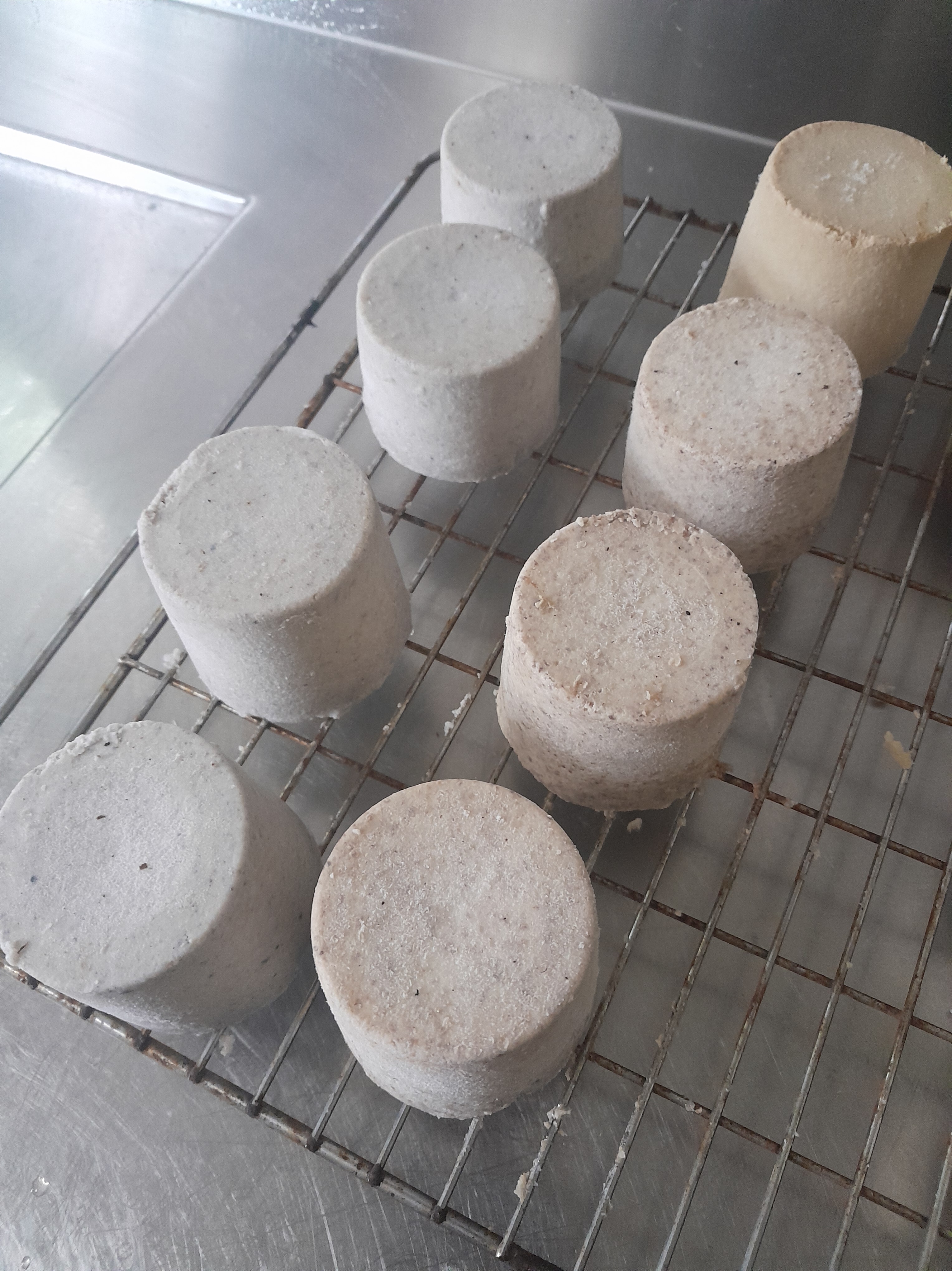
Once firm enough, the large block was turned out, cut into smaller pieces, and left to dry and harden in a well-ventilated place. Fresh soap was soft, almost butter-like, and became harder and more durable with time. Only useable after about 40 days.

What This Soap Was Used For

This was a strong, alkaline soap, intended mainly for :

  • Washing heavy work clothes
  • Cleaning floors and walls
  • Scrubbing tools, containers, and equipment

It was not designed for comfort or fragrance. Effectiveness mattered more than gentleness. Some families later added herbs or scents, but the basic soap remained plain and functional.

I also made some Extra Virgin Olive Oil Soaps today, adding coffee grind and mint leaves for a scrubbing effect and flavour

Why Flour Was Used

The addition of flour may seem odd today, but it made sense at the time. Flour helped thicken and stabilise the mixture in the absence of scales, thermometers, or chemical calculations. Soap making relied on observation, experience, and repetition rather than precision.

A Lesson in Self-Sufficiency

Recipes like this are a reminder of how farm households once operated. Everyday necessities were made at home, using local resources and practical knowledge built up over generations.

This old farmhouse soap is more than a cleaning product — it is a small example of rural independence, thrift, and ingenuity. Understanding how it was made helps us appreciate how closely farming life was tied to basic chemistry and hands-on skill.

FORMAGGIO di CONTADINI – Italian Farmhouse Cheese

Traditional Peasant Cheese

Formaggio di Contadini is a rustic farmhouse cheese inspired by traditional Italian country dairies. Made with rich Jersey milk, it develops a smooth, supple texture and a gently savoury flavour that improves with natural ageing.


Ingredients

  • Fresh Full-cream Jersey cow’s milk (Not pasteurised) – 6 Liters
  • Thermophilic starter culture – ¼ teaspoon
  • Goat lipase – 2 g
  • Liquid rennet (RENCO) – 7 ml
  • Non-iodised salt

Method

1. Warm and Culture the Milk

Gently heat the milk to 32 °C.
Sprinkle the starter culture over the surface, allow it to rehydrate for 2 minutes, then stir well

Cover and keep at 32 °C for 60 – 90 minutes to allow the milk to ripen and develop flavour


2. Add Lipase

Dissolve 2g goat lipase in a small amount of milk and let it stand for 10 – 15 minutes
Stir thoroughly into the milk


3. Add Rennet

Add 7 ml liquid rennet, stirring gently in an up-and-down motion for 1 minute.
Cover and hold at 32 °C for 45 – 60 minutes, or until a clean break is achieved


4. Cut the Curd

Cut the curd into 6 mm cubes

When cutting to 6mm, use a long knife or harp for uniform cubes. Stir very gently during cooking to avoid matting too early — this preserves moisture for a more supple final texture.


Allow the curds to rest for 5 minutes to release whey


5. Cook the Curds

Slowly heat the curds and whey in a double boiler from 32 °C to 38 °C over about 30 minutes, stirring gently to prevent the curds from sticking together

Once the target temperature is reached, cover and hold at 38 °C for a further 10 – 15 minutes


6. Drain the Curds

Pour the curds into a cheesecloth-lined colander.
Gather the cloth and hang to drain for 1 – 2 hours, keeping the curds warm and out of drafts.


7. Mould and Press

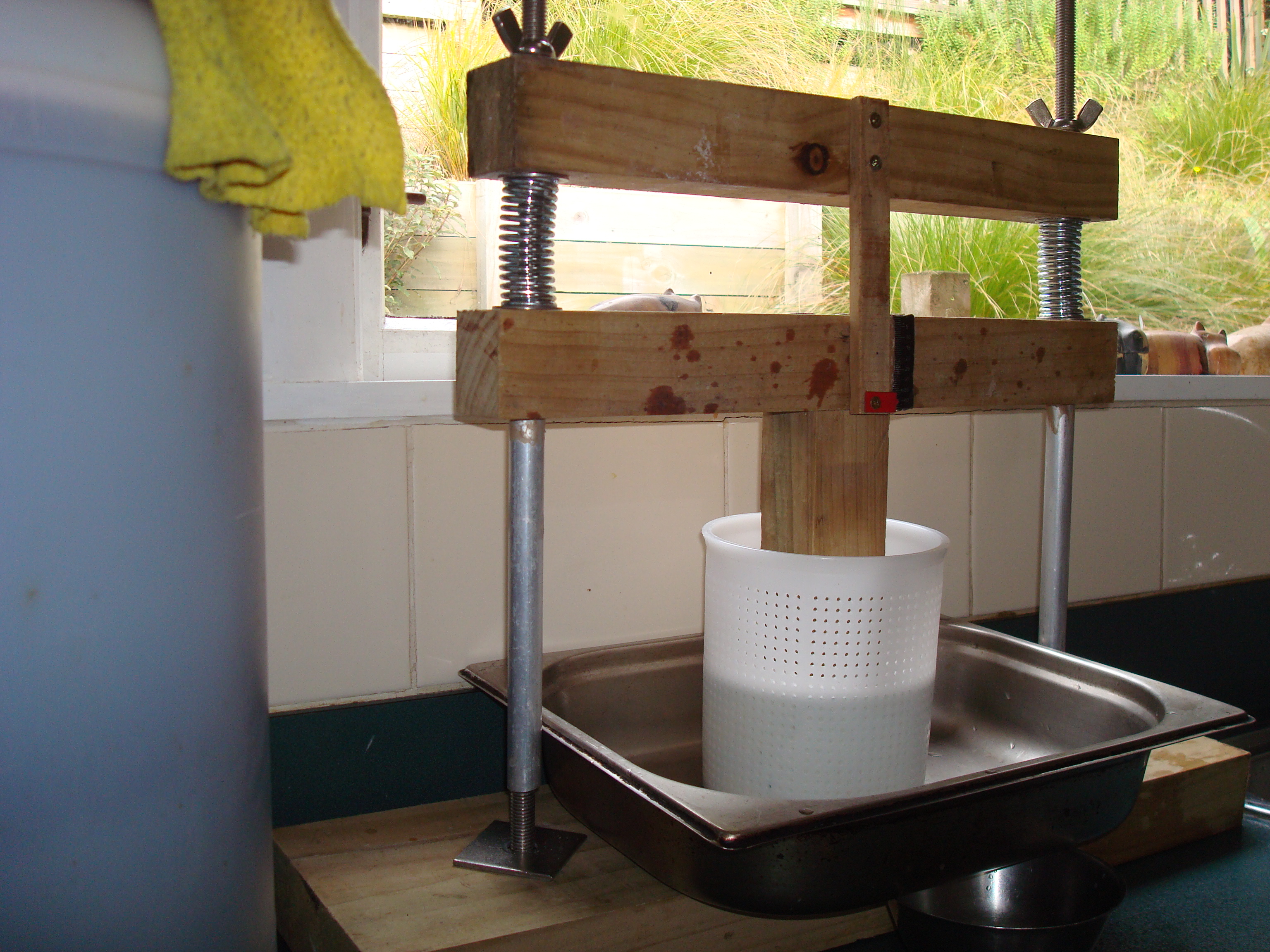
Pack the drained curds firmly into a cheesecloth-lined mould

Press in stages :

  • 5 kg pressure for 10 minutes
  • Remove, turn, rewrap, then press at 10 kg for 10 hours
  • Remove, turn again, rewrap, then press at 20 kg for 4 – 6 hours

8. Brining

Prepare an 18% brine (180 g salt per litre of water)

Submerge the cheese in the brine for 40 – 60 minutes per kilogram of cheese, turning halfway through. Ensure brine is chilled (10°C) and cheese is fully submerged

Remove and allow the surface to dry


9. Natural Rind Drying

Place the cheese on a wooden board at room temperature
Air-dry for 2–3 days, turning several times daily, until the rind feels dry and firm to the touch


10. Natural Ageing

Move the cheese to an ageing space at 10–12 °C with 85–90% humidity

  • Turn the cheese daily for the first week, then 2 – 3x weekly
  • If surface mould develops, wipe lightly with brine. Ensure brine is chilled (10°C) and cheese is fully submerged

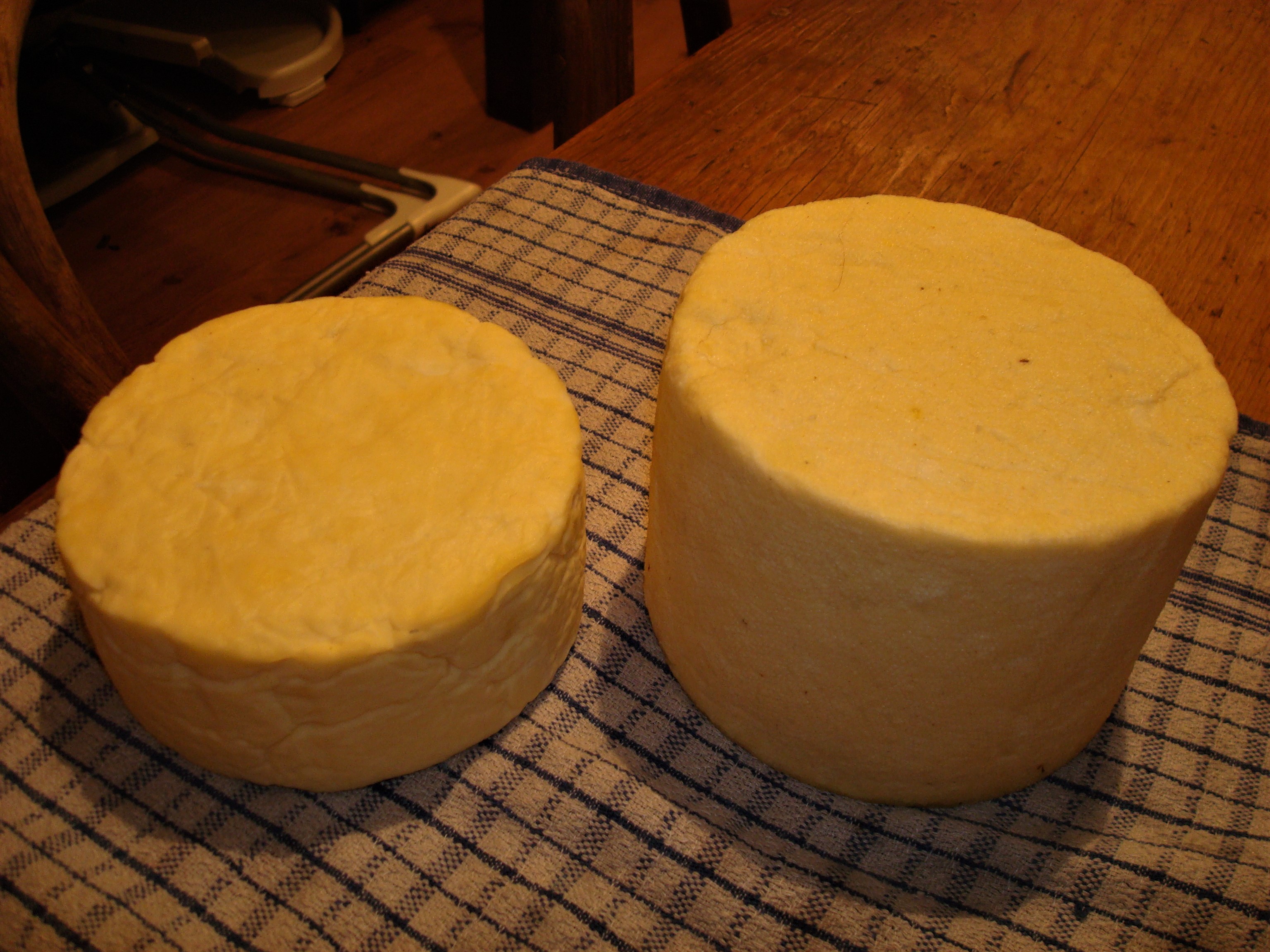
Age for at least 4 weeks. Longer ageing will produce a deeper, more complex flavour. Try 8–12 weeks for noticeably deeper, nuttier, more “gently savory” flavor as proteins/lipids break down.

For a smoother rind, rub with olive oil after drying and once the rind is fully set (5–7 days), or brush with lard / herbs for traditional rustic look. If waxing, do so after 2–3 weeks when rind is set

QUAGLIE AL FORNO (Oven Roasted Quails)

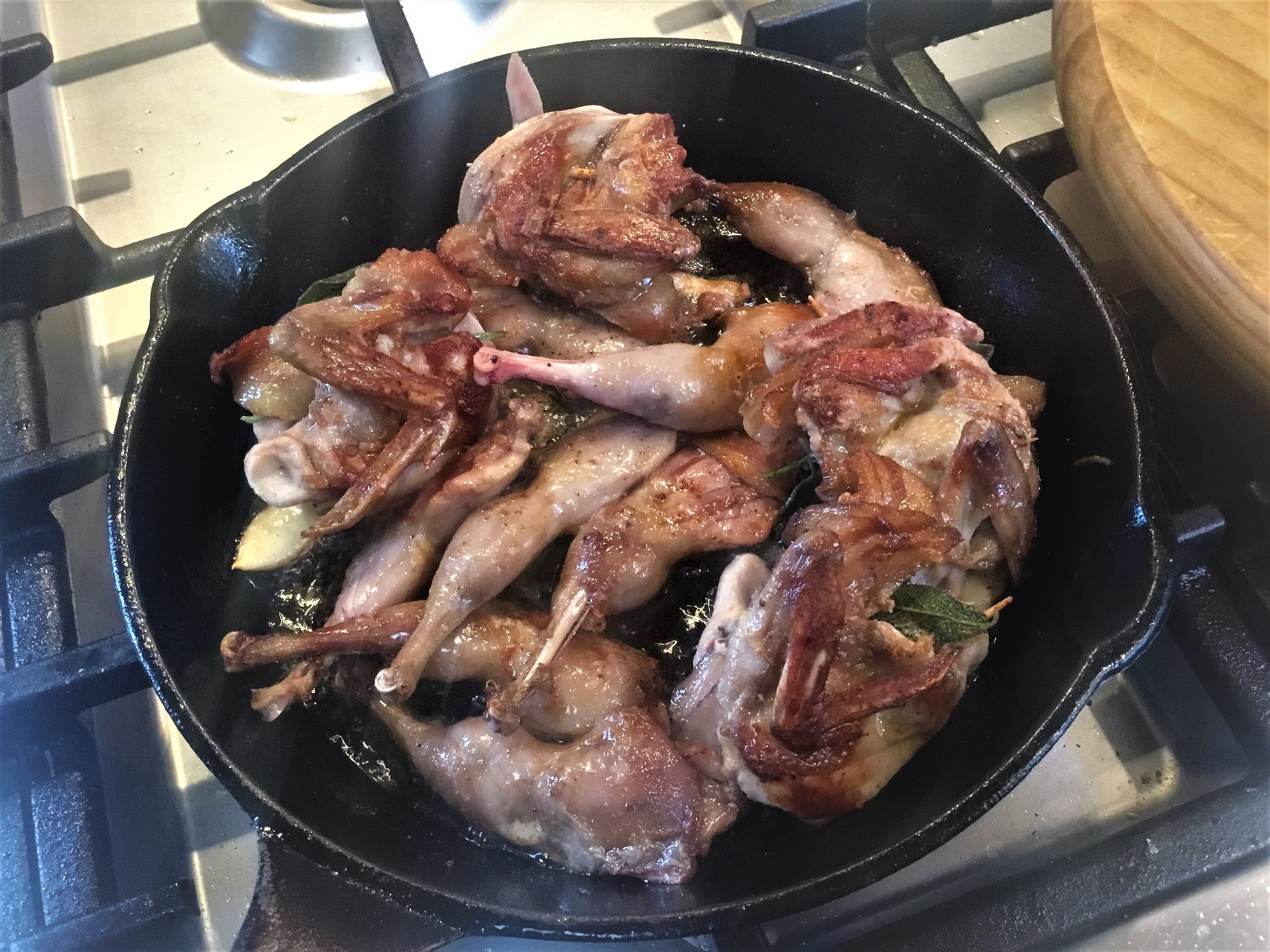
Oven-roasted quail is one of our favourite ways to prepare quail. It is simple, quick, and exceptionally delicious.

Use as many deboned quails as required. Season them generously all over with salt and freshly ground black pepper. Place a sage leaf, some coarsely chopped rosemary, and a few thin slices of pancetta inside the cavity of each quail. Secure the birds by stitching the sides together with skewers or tying them neatly with kitchen string.

Arrange the quails in a well-oiled roasting pan and place them in a hot oven. Start by browning them on both sides under a high grill setting. Once nicely coloured, reduce the oven temperature to 140 °C and allow the meat to cook gently and evenly.

The entire cooking process should take 5–6 minutes. If in doubt, check the internal temperature: when it reaches 80 °C, the quail is perfectly cooked.

To finish, sprinkle with freshly chopped parsley and a little more ground black pepper. Drizzle generously with high-quality extra virgin olive oil and serve immediately on creamy polenta.

Enjoy — and remember to finish it off with a glass of good homemade red wine.