
Revolutionising Quail Nutrition—The Natural Way – 4

At Back Yard Farmer, we believe that the best solutions often come from the garden, not a laboratory. We are thrilled to announce our new 5-Herb Botanical Blend, a premium upgrade to our quail feed that brings “clean-green” bio-security directly to your coop.

By blending Organic New Zealand grown Salvia ‘Amistad’, Rosemary, Mint, Lemon Verbena, and Bay Leaves, we’ve created a powerhouse formula that acts as a natural shield against pests while boosting bird vitality.

Why Now?

We’ve spent the last several seasons observing the challenges our New Zealand keepers face—from high humidity causing grain pests to the relentless pressure of mites and flies in our summer months. We didn’t want to just offer another chemical fix. We waited until we could perfect a ratio that is safe, highly effective, and stabilized with Salmon Oil and Lypoforte for maximum absorption. It’s the result of months of testing to ensure your quail get the very best of nature’s pharmacy.

A Functional Shield, Not a Filler

Our organic botanical blend fits right into the growing body of research on phytogenic feed additives. These plant-based supports improve digestion, immunity, and antioxidant levels without the need for antibiotics. By including these five specific organic herbs, we help your birds fight off mites, lice, and internal stress naturally.

The Grain Guardian – Bay Leaves

Headline: Protecting the Harvest with Organic Bay Leaves

Nothing is more frustrating than opening a bag of feed to find moths or weevils. This week, we highlight Organic Bay Leaves (Laurus nobilis), the “pantry guards” of our 5-herb mix.

The Bay Benefit:

  • Insect Deterrent: Bay leaves contain cineole and eugenol, natural compounds that discourage grain moths and weevils from infesting your feeders.
  • Antimicrobial Support: These leaves offer a mild, natural antimicrobial effect in the gut, supporting a healthy microbiome and helping birds resist internal stress.
  • Digestive Spark: Bay acts as a gentle digestive stimulant, ensuring your quail get the most out of every meal.

The Grand Finale next week: We wrap up our series with the zesty power of Lemon Verbena

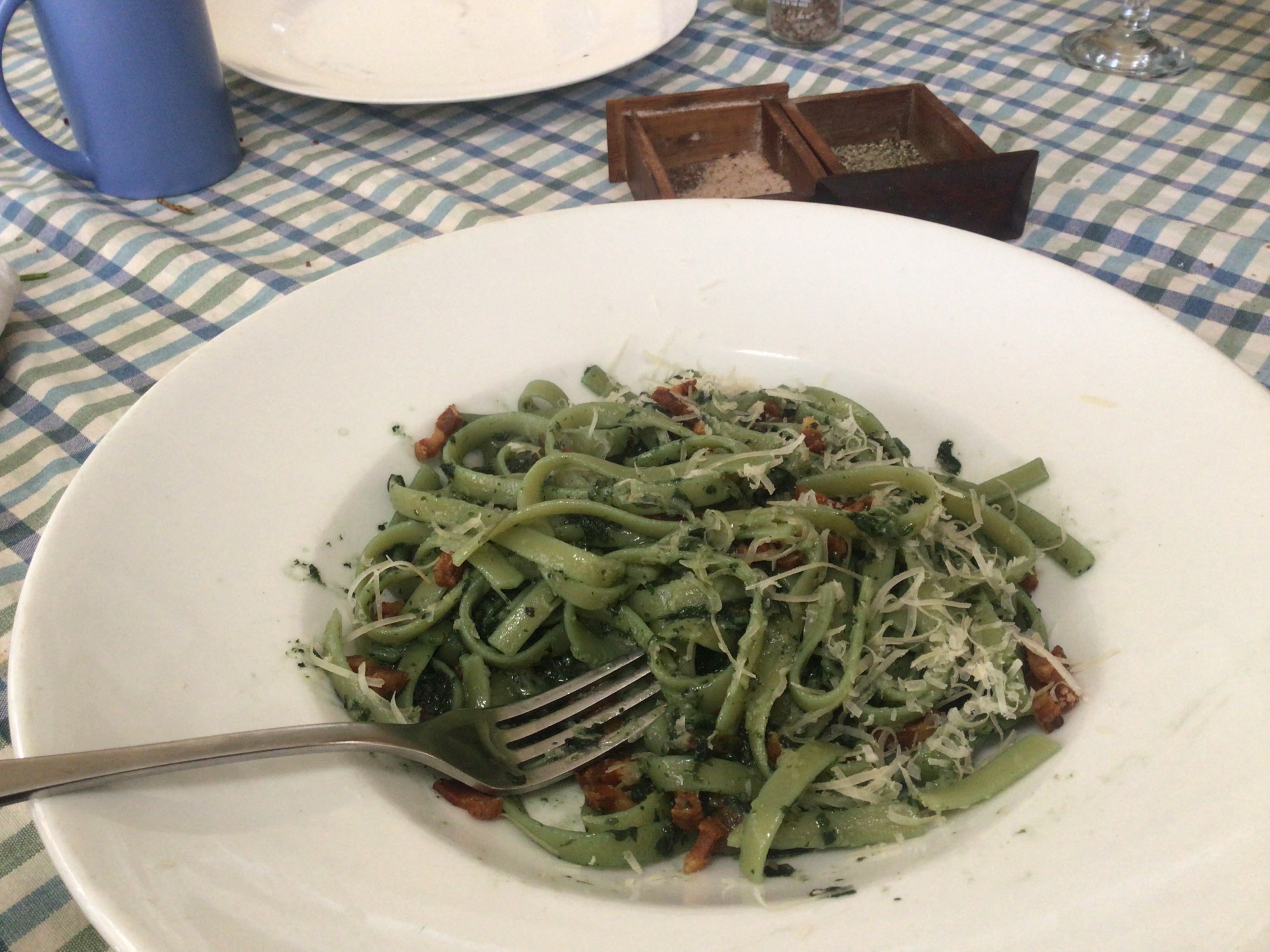
Tagliatelle con salsa di ortiche / Stinging Nettle Tagliatelle

Ingredients (4 Primi Piatti)

  • 100 g Guanciale (or Pancetta), diced into small cubes
  • 3 cloves garlic, finely chopped
  • 1 fresh chilli (pepperoni), finely chopped (add to taste)
  • ½ glass good-quality dry white wine
  • 1 cup blanched stinging nettles, well drained and roughly chopped
  • 100 g freshly grated Parmigiano Reggiano
  • Salt
  • Freshly ground black pepper
  • 500 g fresh tagliatelle

Method

  1. Bring the pasta water to the boil.
    Fill a large pot with plenty of water, add a generous amount of salt and bring it to a rolling boil while preparing the sauce.
  2. Cook the guanciale.
    Place the diced guanciale in a heavy-bottomed frying pan large enough to hold the finished pasta. Fry over medium heat, stirring frequently, until the guanciale is golden brown and crispy. Remove the crispy guanciale with a slotted spoon and set aside, leaving the rendered fat in the pan.
  3. Prepare the flavour base.
    Add the garlic and chilli to the guanciale fat and cook gently until softened and fragrant, taking care not to brown the garlic. Pour in the white wine and simmer until almost all the liquid has evaporated.
  4. Add the stinging nettles.
    Stir the blanched, chopped stinging nettles into the pan and cook for about one minute, allowing them to absorb the flavours. Keep the mixture warm over very low heat.
  5. Cook the pasta.
    Add the fresh tagliatelle to the boiling water and cook until about 1 minute short of al dente. Before draining, reserve about one cup of the hot pasta cooking water.
  6. Combine everything.
    Return half of the crispy guanciale to the pan with the nettles and toss together. Add the drained pasta and gently toss over medium heat. Add a little of the reserved pasta water as required to keep the pasta moist and begin forming a silky sauce.
  7. Mantecare – the Italian finishing touch.
    Remove the pan from the heat and add half of the grated Parmigiano Reggiano. Toss vigorously, adding a little more pasta water if necessary, until the cheese melts and emulsifies with the pasta water to create a rich, creamy sauce.This traditional Italian technique is called mantecare—creating a beautifully creamy sauce without using cream.

To Serve

Divide the pasta among pre-heated serving plates.

Top with the remaining crispy guanciale, a generous sprinkle of the remaining Parmigiano Reggiano and a few twists of freshly ground black pepper.

Serve immediately.

Buon Appetito!

Enjoy with a generous glass of home-made red wine, good friends and plenty of conversation.