TIBETAN COTURNIX QUAIL

TIBETAN – COTURNIX QUAIL

It is now your opportunity to share in this development of purebred TIBETAN QUAIL BREEDING GROUPS  or  TIBETAN HATCHING EGGS.

I also breed Golden Italian, Faroah and White Coturnix Quail Eggs and Breeding Groups

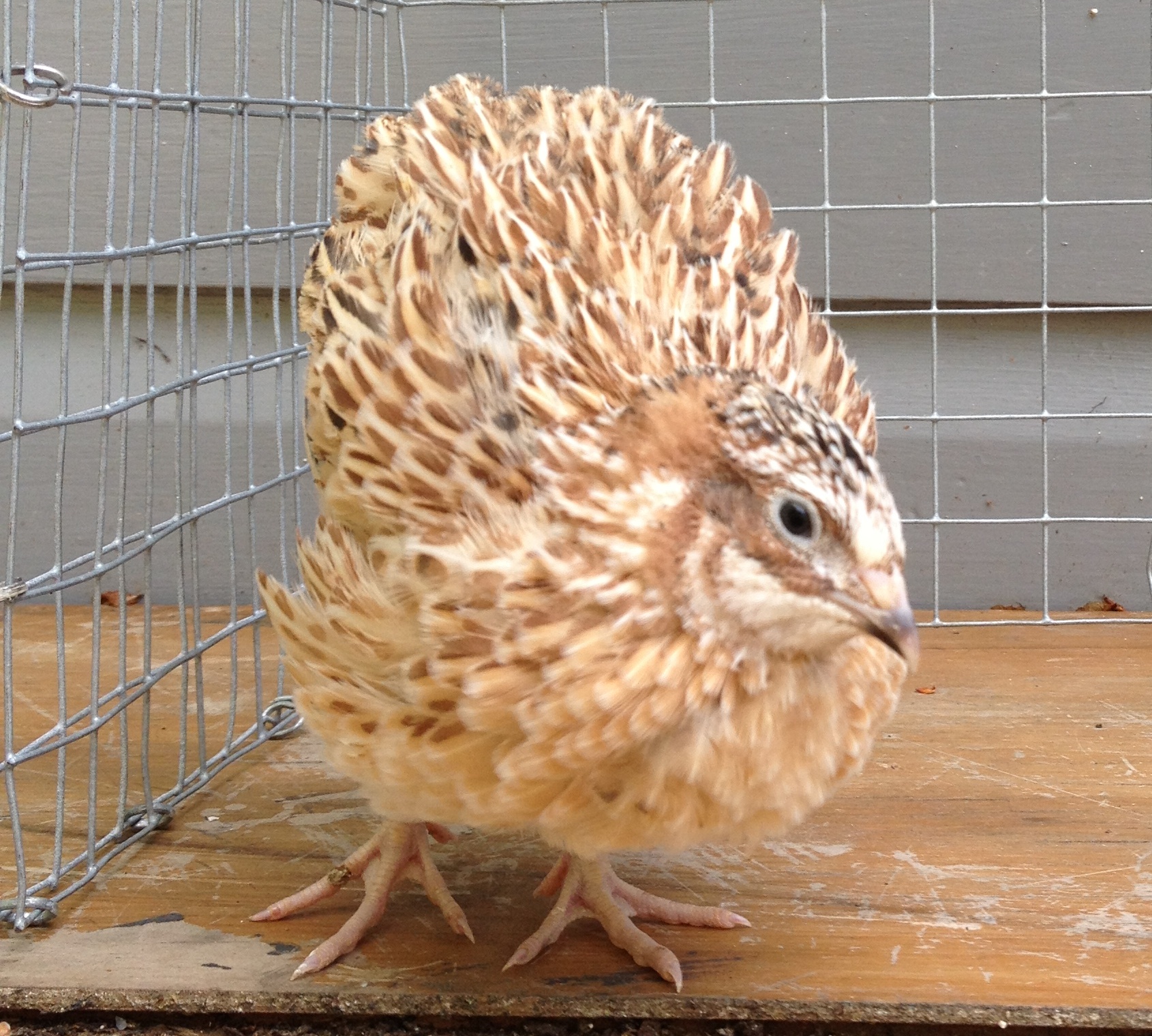
These birds are small, dark plumed and very spirited. The Tibetan Quail is both good for meat and egg production and is slightly smaller in size than the other strains. The temperament is aggressive and it is a strong and fast flying Quail. For these reasons, Tibetans are often bred and released for hunting.

At present there are a few true breeding mutations of the Coturnix Quail, of which the TIBETAN is one.  It is my intention to keep this strain pure and not mix it with other strains such as the Golden Italian, English White, and Faroahs (Wild Coloured Quail) all which I also breed.  Each of these strains has specific characteristics such as plumage, conformation and size, temperament, egg and meat production ability, etc. These characteristics I intend to maintain and develop for each strain within the limitations provided by the limited genetic material available. Careful responsible breeding and strenuous selection would result in birds with as low an inbreeding co-efficient as possible and hopefully a more disease resistant, highly fertile, healthy, happy, beautiful and productive quail at the end of the day.

With the project in its infancy it is not possible to guarantee 100 % true colouring from eggs. At present I am using both Tibetans and Tuxedos to breed this strain and since the Dark Colour is Dominant and Tuxedo is recessive, I hopefully will soon have pure dark Tibetans only. Tuxedos is not a breeding mutation, but a cross between a Tibetan and White Quails in any way. 2013-10-24 - Tibetan Coturnix 21 2013-10-24 - Tibetan Coturnix 14 2013-10-24 - Tibetan Coturnix 10 2013-10-24 - Tibetan Coturnix 3 2013-10-24 - Tibetan Coturnix 2

GOLDEN ITALIAN – COTURNIX QUAIL

2013-10-24 - Italian Coturnix 1 2013-10-24 - Italian Coturnix 2 2013-10-24 - Italian Coturnix 19 2013-10-24 - Italian Coturnix 22

GOLDEN ITALIAN – COTURNIX QUAIL

At present there are a few true breeding mutations of the Coturnix Quail, of which the GOLDEN ITALIAN is one.  It is my intention to keep this strain pure and not mix it with other strains such as the English / Texan A and M Whites, Tibetan / Tuxedo and Fharoahs (Wild Colored Quail) all which I also breed.  Each of these strains has specific characteristics such as plumage, conformation and size, temperament, egg and meat production ability, etc. These characteristics I intend to maintain and develop for each strain within the limitations provided by the limited genetic material available. Careful responsible breeding and strenuous selection would result in birds with as low an inbreeding co-efficient as possible and hopefully a more disease resistant, highly fertile, healthy, happy, beautiful and productive quail at the end of the day.

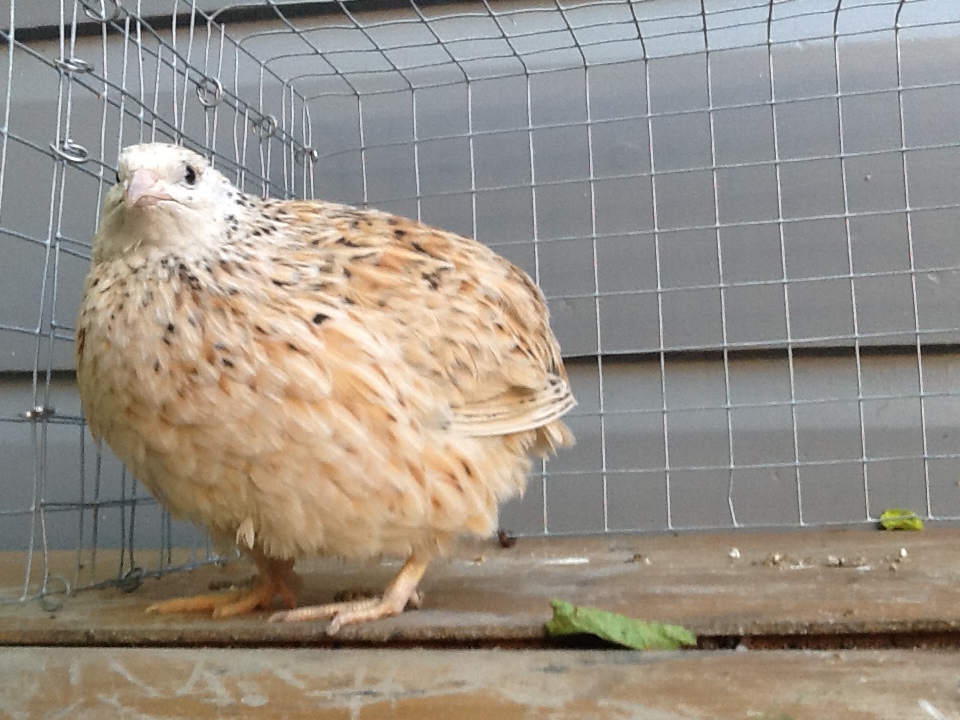
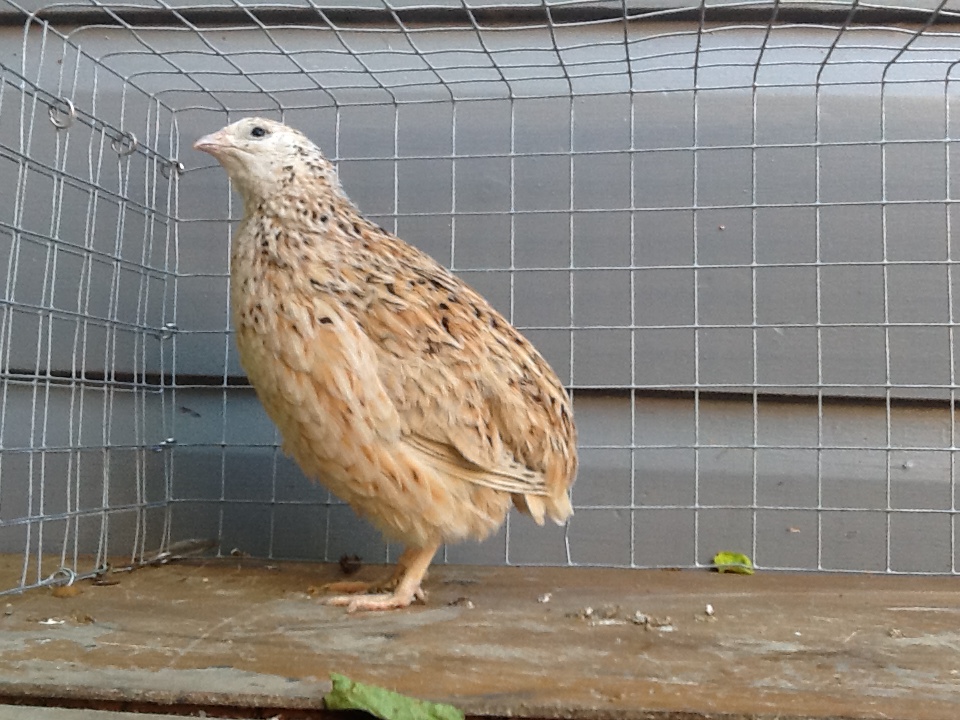
These birds are beautiful fawn colored with speckles all over and no bars. Males often have a brownish head that appears to belong to a different bird. The Italian Quail has specifically been bred for maximum egg production and is slightly smaller in size than the other breeds, even though it lays an egg of equal size. Temperament is very docile and calm.

It is now your opportunity to share in this development of purebred GOLDEN ITALIAN QUAIL BREEDING GROUPS  or  GOLDEN ITALIAN QUAIL FERTILE HATCHING EGGS.

I also breed Tibetan, Fharoah and White Coturnix Quail Eggs and Breeding Groups

With the project in its infancy it is not possible to guarantee 100 % true coloring from eggs.

Quail with Pancetta and Sage

2013-10-22 - Quaglia con Pancetta e Salvia

QUAGLIE CON SALVIA E PANCETTA

Quail with Sage and Pancetta

40 g Butter

40 ml Extra Virgin Olive Oil

1 Onion (Finely Chopped)

4 Cloves of Garlic (Finely Chopped)

100 g Pancetta (Diced)

10 Quails

Salt

Pepper

1 Cup of Good White Wine

20 Sage Leaves

2 Litres Chicken or Quail Stock

1 Capsicum (Cleaned and cut into strips)

1 Ripe Tomato (Cut onto cubes)

Put Butter, Oil, Onion and Garlic in a pan and fry over low heat until onion is soft and sweet (about 15 minutes). Turn the heat to high and ad the Pancetta and Quails. Brown Quails on both sides and ad Salt and Pepper to taste. Ad the wine and cook until wine has evaporated then turn to medium heat and ad the Sage. Cook for 5 minutes then ad 1 Litre of stock and simmer for 15 minutes.  Ad Capsicum and Tomato and simmer until quails are well soft.  Keep adding stock to keep it well moist. Quails must be turned and basted with the sauce frequently.

Serve with Polenta !!

Egg Storage Position before Incubation

2014-04-19 - Quail Eggs StorageSmall End Up Storage
Eggs are normally stored in the large end up position. In this position, the embryo is located
beneath the air cell. After oviposition, the egg loses water and the air cell increases. It is
hypothesized that the embryo has a higher chance to dehydrate or to stick to the internal
eggshell membrane when the egg is stored in the large end up position rather than in the small
end up position.

Research has shown that when eggs are stored longer than 7 days, the decline in hatchability
can be reduced by 15% when eggs are stored in the small end up position instead of the large
end up position. This is due to a reduction in early and late embryonic mortality. The positive
effect on hatchability depends on several factors such as breeder flock age, storage conditions,
quality of the egg components, and embryo viability.


http://ps.oxfordjournals.org/content/87/6/1237.short