Cheesy Breads and Panini using Yeast

2014-02-17 11.08.05-2

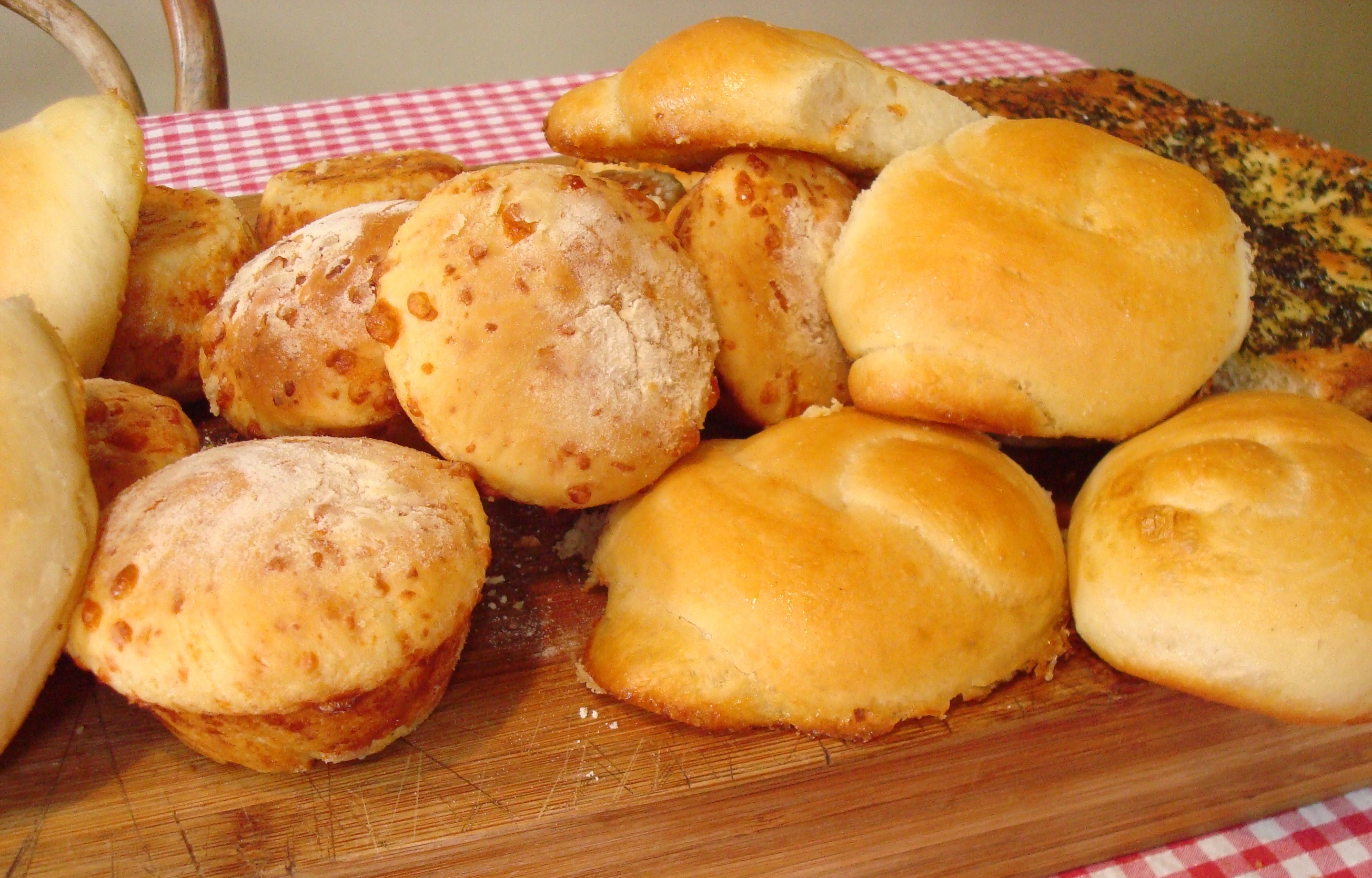
After a day of no bread in the house I had to provide bread by breakfast time or face a riot  in the kitchen.  To appease everyone I made Cheesy Buns, Panini, Pane di Casa and Foccacia.

I love baking with Biga and it remains my first preference.  Sometimes I have very little time for baking and  because I would rather go without than buy commercial bread, yeast is a fast option. The yeast product is lighter and softer whereas the Biga products are denser and a bit heavier and chewier.  There is no difference in the speed with which both types of breads are devoured by my household!

Cheesy Buns with Yeast

Mix 10 g Sugar and 10 g Dry Yeast with a little temperate water, wisk occasionally and let stand until frothy. This should take only a few minutes.

Mix 500 g Flour, 10 g Salt, 30 ml Olive Oil and the Yeast mix with 320 ml temperate water (taking into consideration the water already used for the yeast mix). Mix and knead well. This will give you a soft dough which should be of a consistency that just clings to your hands when kneading (makes it difficult to knead well). Place it in a warm place until double in size. I use my dehydrator / drier and set it at 38 C for about half an hour. Now mix in 100 g grated Cheese of your choice – I use a sharp Cheddar – and mix well. Divide into 24 equal balls and place in two well buttered muffin / cup cake pans and dust liberally with flour. Leave to rise again – mine goes back into the dehydrator.  Be careful not to over proof these two breads at the second rising, as it will collapse when put into the oven.  Start baking while bread is still rising strongly, even before it has reached the desired size. Bake in the oven at 220 C for 15 minutes.

Panini

Exactly the same as above, but exclude the cheese and size and form the Panini the way you like. Bake in a well buttered oven pan.


Enjoy!
LISTEN TO YOUR QUAILS

2014-02-17 - Eggs Quality 3

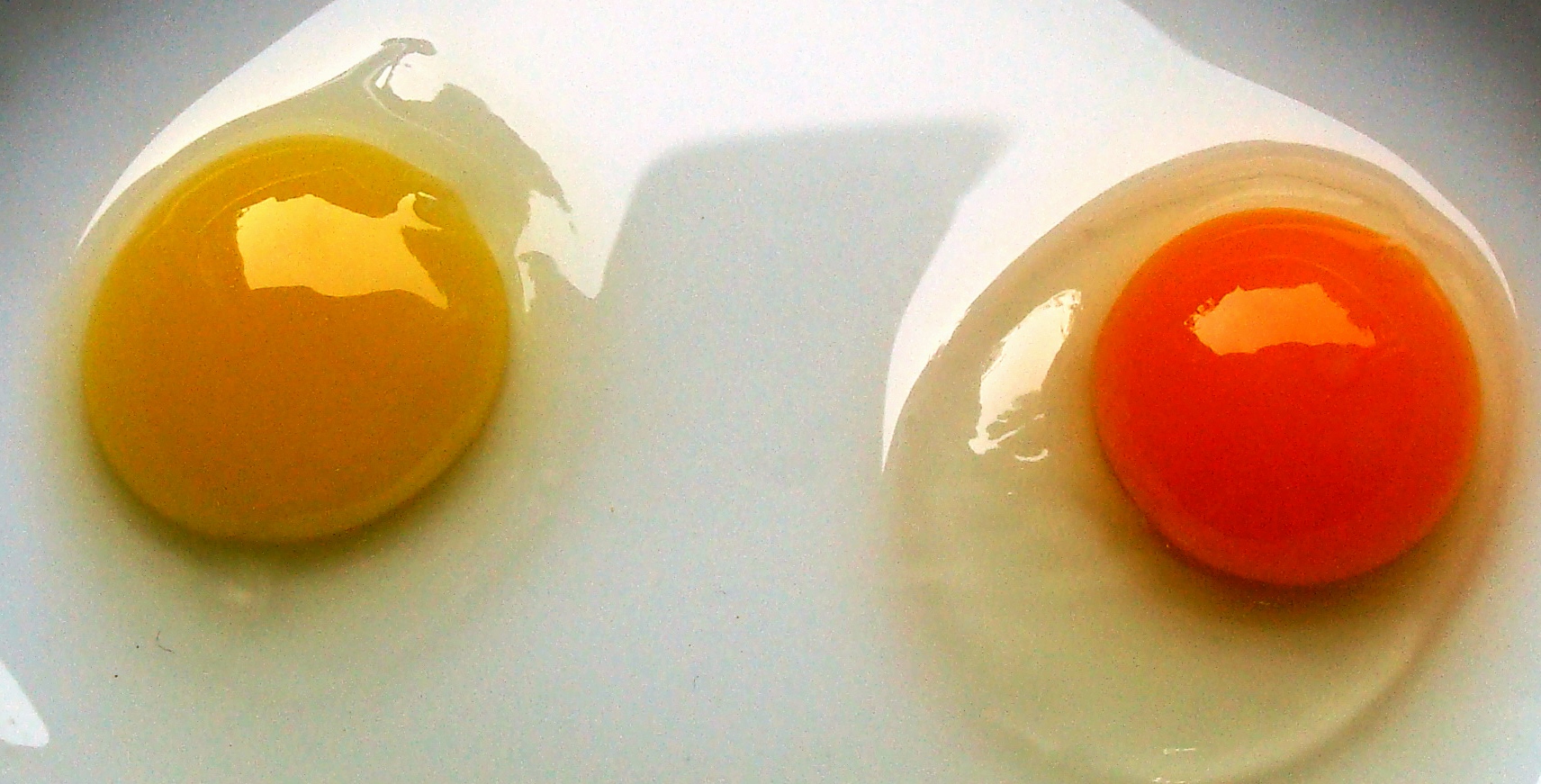
One egg was purchased from a customer claiming to feed a commercial All Mash to her quails plus the odd bit of table scraps, the other is from my layer unit where my birds are eating All Mash specially formulated for Quails. Not only is the yolk color vastly different pointing to a probable difference in vitamin and mineral absorption of the birds, but the albumin is also more firm and of better quality (this is where most of the protein in the egg is). The message is that the Quail receiving the correct nutrition that allows her to produce a better quality egg is most likely more happy, healthy and will live longer, producing more and healthier eggs for her Master.

QUAIL FEED – SPECIALLY FORMULATED FOR QUAILS – See –  https://backyardfarmer.co.nz/for-sale/ 

DUNEDIN STADIUM MARKET – SUNDAY 16/2/2014

The market was held in a side section of the stadium as there was a basketball tournament going in the regular venue. Even though the site was fine, and fortunately no rain for those vendors who set up stalls in the open, the wind was howling and it felt like standing in a wind tunnel all the time. Attendance was reasonable considering the weather and my QUAIL EGGS sold out for the third week in a row. I have decided to increase stock holding a bit from next week on wards. I have also started to sell our North East Valley fresh honey and the reception from the public was positive – I expect them all to be back for more after tasting the REAL FRESH HONEY.

The stalls that did really well were those that sold food. The young basketballers were famished and queued up for food and from what I saw the  bacon sandwiches looked great.

The stalls that caught my attention today were selling SPORTING BADGES and MANUKA SMOKED EGGS

2014-02-16 - Sporting Badge 1 2014-02-16 - Sporting Badge 2 2014-02-16 - Sporting Badge 3

SPORTING BADGES

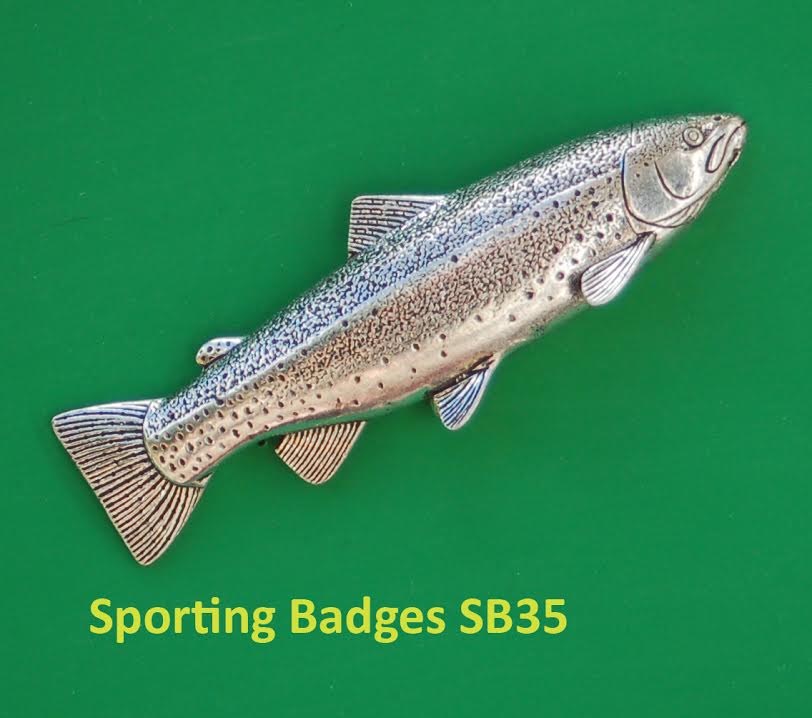
Nick Horn and I were talking about the possibilities of hunting around Dunedin. Responsible harvesting  can protect the natural ecosystems of New ZealAnd, and  could augment the diet of people who practice sustainable living. The Department of Conservation provides information to hunters and fishermen as to where and when to hunt what. The hunters normally harvest ducks, venison, pigs and rabbits.  Nick celebrates the outdoor lifestyle of New Zealand  by selling interesting,  quality, English Pewter Hunting badges, key rings, earrings and brooches, sculptured and cast by craftsmen. They have fine detail and can be worn  pride .  The range represents the outdoor pursuits. Various Deer, Pig, Gun and Fishing badges are available to buy and collect.

I am trying to convince him to stock Quail, Chicken, Rabbit and Duck badges so we have something to wear when we show or market our pride birds and animals!

Nick’s contact details are : Tel – 0221903121  www.sportingbadges.co.nz  sportingbadges@slingshot.co.nz


2014-02-16 - Manuka Eggs

MANUKA EGGS produce and sell the very delicious Manuka smoked eggs. Neville and Rachel normally sell their product to upmarket restaurants and Dunedinites are lucky to be able to buy theses delicacies on Sundays at the Stadium Markets. I would say that these eggs  on their own is enough reason to pay the Stadium Market in Dunedin a visit this Sunday

Their contact details are : Tel – 03 485 9660  www.nzmanukaeggs.co.nz

There are many more stalls to talk about, so see next Monday’s post and look up other stalls I have discussed  under the Seen and Done category of my blog – http://www.backyardfarmer.co.nz.


INCUBATING QUAIL EGGS

2014-02-16 - Hand with Eggs 1

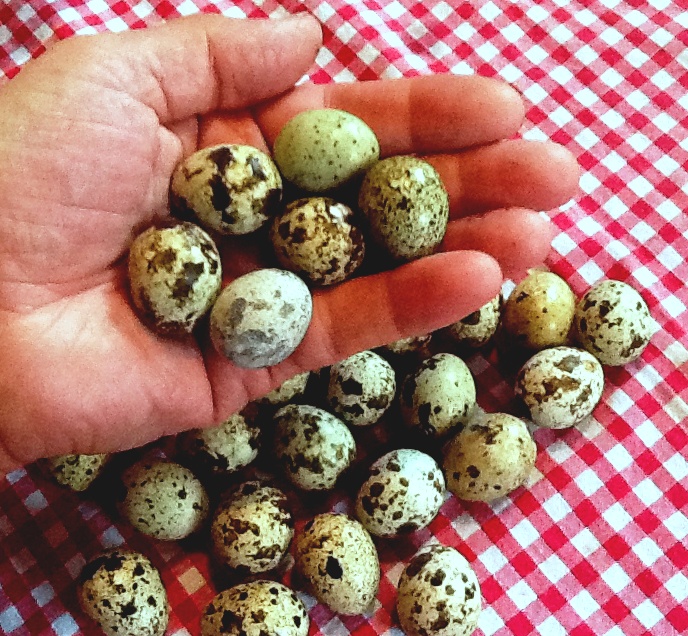
I have often been asked to give the correct procedures for incubation of Coturnix coturnix Quail eggs

Storage of eggs should be at room temperature, preferable less than 20 C for a maximum of ten days following oviposition. Shipped eggs should rest for at least twelve hours before incubation commences and preferably with the small end up.

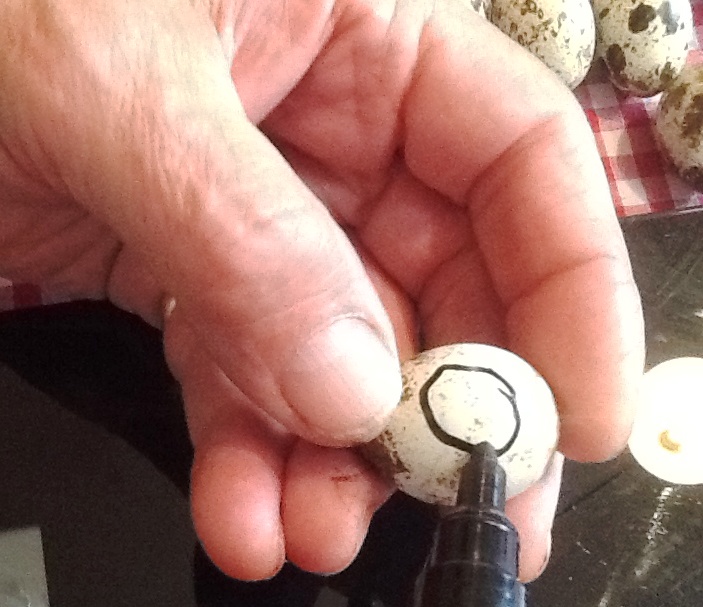
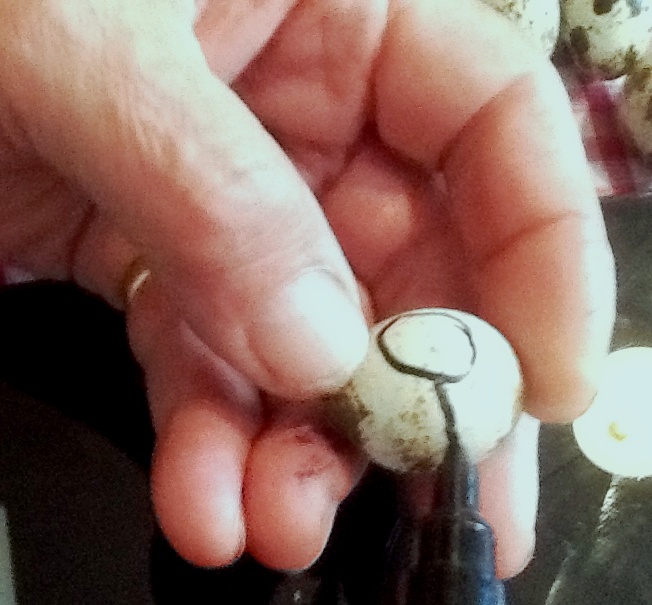
Incubator temperature should be 100 F (37.8C) for fanned incubators and 103F (39.4C) for incubators without a fan,  at all times.  Mark the eggs with a cross on the one side and a circle diagonally opposite, then connect the circle and cross with a line. Now set the eggs in the incubator and leave them without turning for three days. After three days of incubation turn the eggs at least twice per day and even up to four times per day. When turning the eggs, alternate with the cross upwards one time and the following time the circle facing upwards. Always turn the eggs in such a way the the connecting line is visible at all times (back and forth). This prevents the egg from being turned 360 degrees, which may cause the embryo to get entangled in the developing veins and membranes.

2014-02-16 - Egg circle 1 2014-02-16 - Egg circle 2 2014-02-16 - Egg circle 3

Try to minimise the opening times of the incubator to prevent temperature fluctuations and spread turning times evenly during any 24 hour period.  After 14 days of incubation stop turning and increase the humidity to about 60 % and leave the eggs untouched until hatching.

2014-02-16 19.33.59

When the chickens hatch, move them to a brooder as soon as they are dry.

INFECTIOUS CORYZA

RECENT CORRESPONDENCE BETWEEN ME AND A CUSTOMER

2014-02-15 - Infectious Coryza

Hi  Back Yard Farmer. I have lost some of my young birds to a sinus infection which causes their nostrils to be blocked and eyes to swell and they have a horrible smell? Lots seem to be fine and some get sick and recover but some have short time with breathing problems and then die quickly otherwise looking well. A neighbour has also had some trouble and lost half her birds but the vets didn’t diagnose it just gave her some very expensive a/b which seems to have done nothing. Do you know what this is – there seems so many possibilities on the net and what might treat and prevent it. I’m asking you first as you seem to have a similar approach to me ie natural mostly. Many thanks.

Mary – It sounds very much like Infectious Coryza, especially the smell which is definitely indicative of Coryza. It is an infectious respiratory disease and since the neighbour had it, wild birds, rodents and people carrying the bacterium has probably infected your stock as well. You could use Bytril (enrofloxicin) which is an expensive antibiotic or sulfadimethoxine or sulfamethazine – I think these are all prescription only. I would use Tylan 200 which is more readily available and much cheaper – maybe your local Coop. Inject 1 ml directly into the chest, but be careful not too deep, otherwise you will inject into the internal organs. All new birds must be vaccinated in future. The Vet should have told your neighbour if it was Coryza – ask her / him. I am new to NZ and not 100% sure what is available here. I order most of my medication online – much cheaper and no prescriptions required – Legal ? I dont know. Maybe a photo will help with diagnoses

Back Yard Farmer -Thanks for that. I’m not into vaccinations of any kind so will see what else I can find out but the diagnosis is very useful. I had seen that and thought it looked a strong possibility so great you confirmed it. I use homeopathy a lot but have struggled finding a good remedy for this.

Mary – It is a very aggressive bacterial infection and you either need to get the birds immune (vaccinate) or you have to not expose them to the bacterium at all. Natural immunity will exist in those birds that encountered the disease and survived, but unfortunately they remain carriers and will infect any new birds introduced.

Back Yard Farmer – Thanks for that info. I’ll find out if there is a homeopathic vaccination available.

http://earthmama24.blogspot.co.nz/2011/03/natural-treatment-of-infectious-coryza.html This is quite interesting. So do you think that those that get well naturally or from antibiotics are still carriers and therefore it is best to cull any sick birds? I’m feeling thankful that most of my breeding birds are in their own runs and the sick little ones are in one of the nursery pens so if I act quickly and sensibly we should contain it.

 Mary – Thanks for the mail. Yes it can be treated in many ways, even left to its own. Some birds will die some will survive – the better they are looked after the more will survive. Those that do survive will be carriers forever though and if you introduce new non vaccinated animals, you will have to go through the disease again and loose some again. Tough !!