Miniature Feed Mixing Plant for Health and Profit

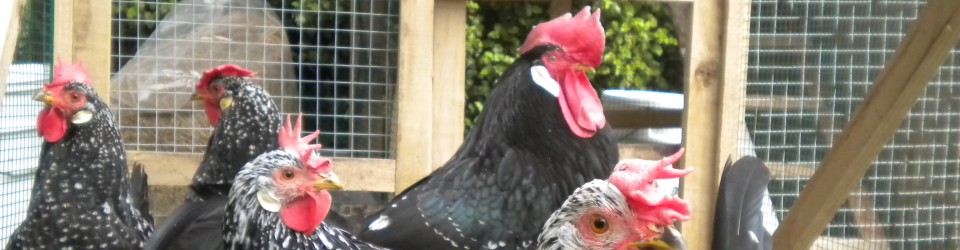
Anconas 053

Feeding is such an important component of any animal husbandry operation. Not only is it the single most expensive component, but it also effects the health and well being of each individual animal and therefore contributes to the profitability and success of the whole operation. Research has been done over the years indicating exactly what any animal requires in terms of nutrients for what ever system you follow, this information can be applied to the benefit of your farming operation. One fact cannot be argued away – no animal can produce optimally without a balanced diet. 

In my own case, I have set up a small blending plant with great success. I do not process any raw materials, as I buy every ingredient in ready to use format, but purely blend it in the right ratio and consistency.

SELECT QUALITY INGREDIENTS

I use an average of about eight dry raw ingredients, depending on the final product, and have sourced regular,  suppliers who offer high quality  products and are reliable for these. After the initial blending, I add either molasses or oil, both adding mainly energy to the finished product and helps make the product virtually dust free. This method prevents the product from separation and finer ingredients such as limestone, diatomaceous earth and vitamin / mineral premixes from segregating and moving to the bottom of the container. All of this makes it easier and more enjoyable for the animal to consume. Also, each and every mouthful supplies a balanced diet with the required nutrients in place to be healthy and produce optimally.

MEASURING ACCURATELY AND BLENDING DRY INGREDIENTS WELL
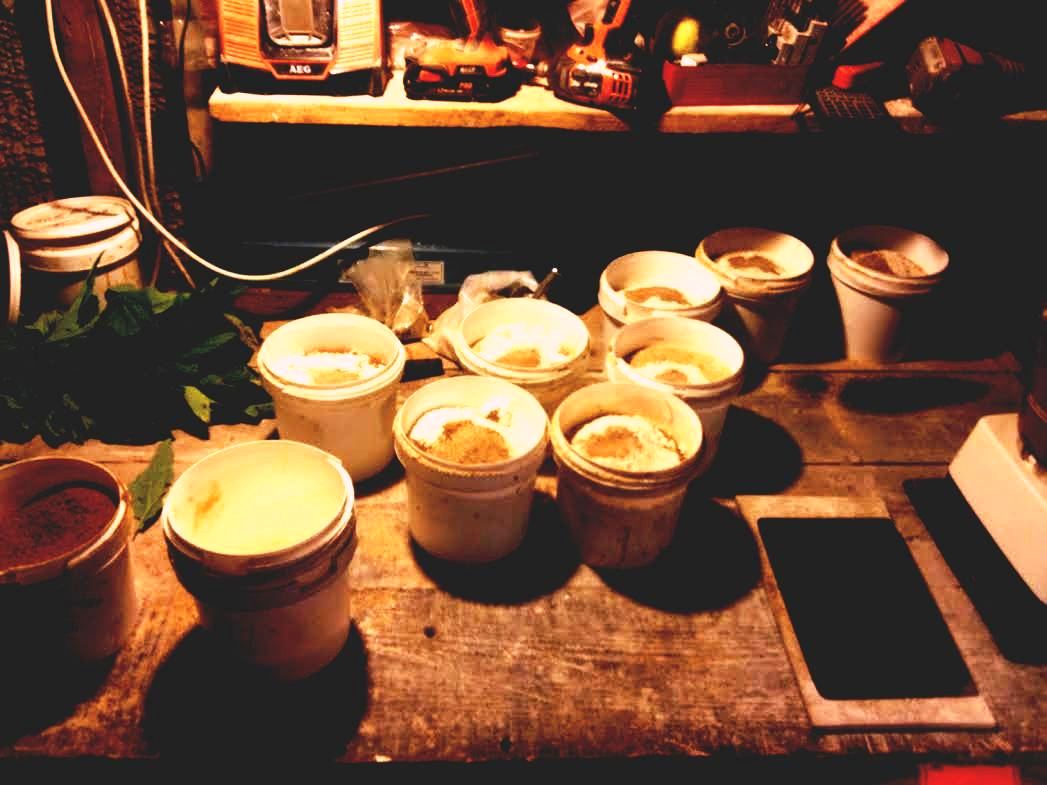
2015-03-20 - Feed Mixing Plant - Ingredients - 12015-03-20 - Feed Mixing Plant - Wisk 1

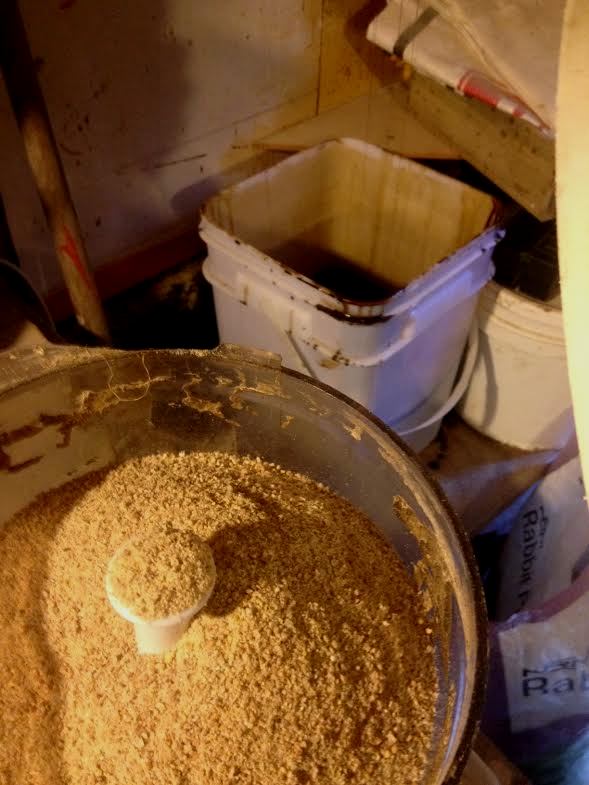
I use a large number of two liter plastic containers to accurately weigh each ingredient  to make up a batch which is around 1.25 Kg in total. I do this product by product, which eliminates confusion and limits  possible errors. In other words, I would weigh in all the wheat, then all the blood meal, etc,etc always ending with the diatomaceous earth and lastly the vitamins and minerals. As soon as I have about twenty buckets each containing all the raw materials, I would  blend the contents of each one using a food blender / wisk, blending for about ten seconds.

ADDING  GREENS

2015-03-20 - Feed Mixing Plant - Wonderful Cardoon - 1

Even though I do not formulate to have green material into the ration, I always have a surplus in the garden and mix about 50 – 100 grams into each batch, hoping that it may supply some natural ingredients over and above what I have already catered for (I of course  do not do this for my free ranging animals). I only take the finer and softer parts of the plants and feed the more fibrous parts to the rabbits.  Cardoon has stood me well here in Dunedin as it grows vigorously and even though I eat the best part of the cardoon, it still leaves enough for the rabbits and poultry. If I have other surpluses like cabbage, salads, spinach, etc I would use that instead.

2015-03-20 - Feed Mixing Plant - Mix in Greens - 1

As soon as I have blended the dry ingredients I add the greens and blend everything for another 20 seconds, chopping and mixing the greens well into the dry mix.


ADDING MOLASSES OR OIL

2015-03-20 - Feed Mixing Plant - Molasses - 1

After the greens are mixed into the feed, I ad the molasses or oil and blend for another 10 seconds. The feed is now complete and ready to use

SCREENING

2015-03-20 - Feed Mixing Plant - Screening 1

Screening the final mix is very important as a last mixing exercise  to ensure there are no large parts that may be inedible. The final feed must be an even bite size  and well mixed together in  a uniform consistency that would not separate easily.

CAPACITY OF MIXING PLANT

Once you are in operation and all your ingredients and final feed containers are all close and within easy reach, it is very easy to weigh out new batches while, at the same time, mixing the feed of the already weighed ingredients. Mixing cycles are about two minutes and doing 30 Kg per hour is relatively easy. A morning session of four hours delivers 120 Kg plus, depending on how often you break for coffee. This is enough for a reasonable sized operation, like my own, for one week.

The advantage here is  that you have a well mixed feed, you know that all the essential ingredients are in the product and the feed is always fresh.  By mixing your own feed you   are assured that your animals are always well fed enabling them to produce optimally and make money for you.


FOUR DIFFERENT EGGS FOR BREAKFAST

2014-12-17 - Four Eggs 2 2014-12-17 - Four Eggs


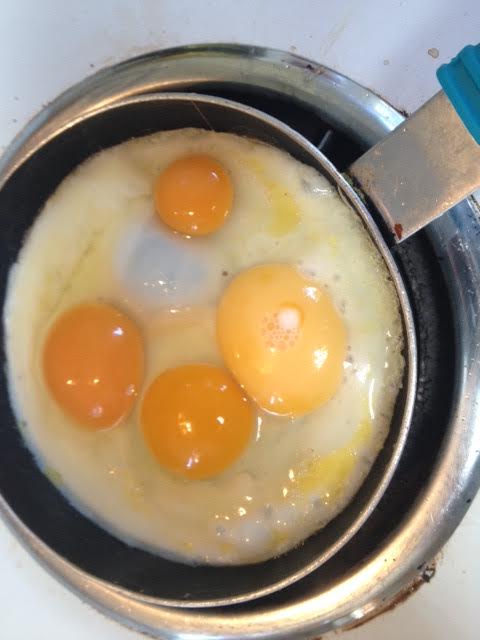
Fried eggs for breakfast. The unique thing was not the bit of chili and butter in the pan but that the eggs were from top to bottom: bought brown hens egg , pure white egg, laid by my Ancona hen, egg laid by my guinea fowl hen and a pretty speckled egg laid by my quail hen.  In the pan the pale yellow is the bought egg and the middle egg beside it is the guinea fowl egg. The latter took a bit longer to cook than the others. Very tasty treat. Yolk color is more often than not an indication of quality of the feed consumed and the general well being of the bird.

The SIX golden RULES of keeping quail and other poultry

2014-05-13 - Baby Quail 2014-05-09 - Clean Food and Clean environment2014-01-21 - Happy Quails

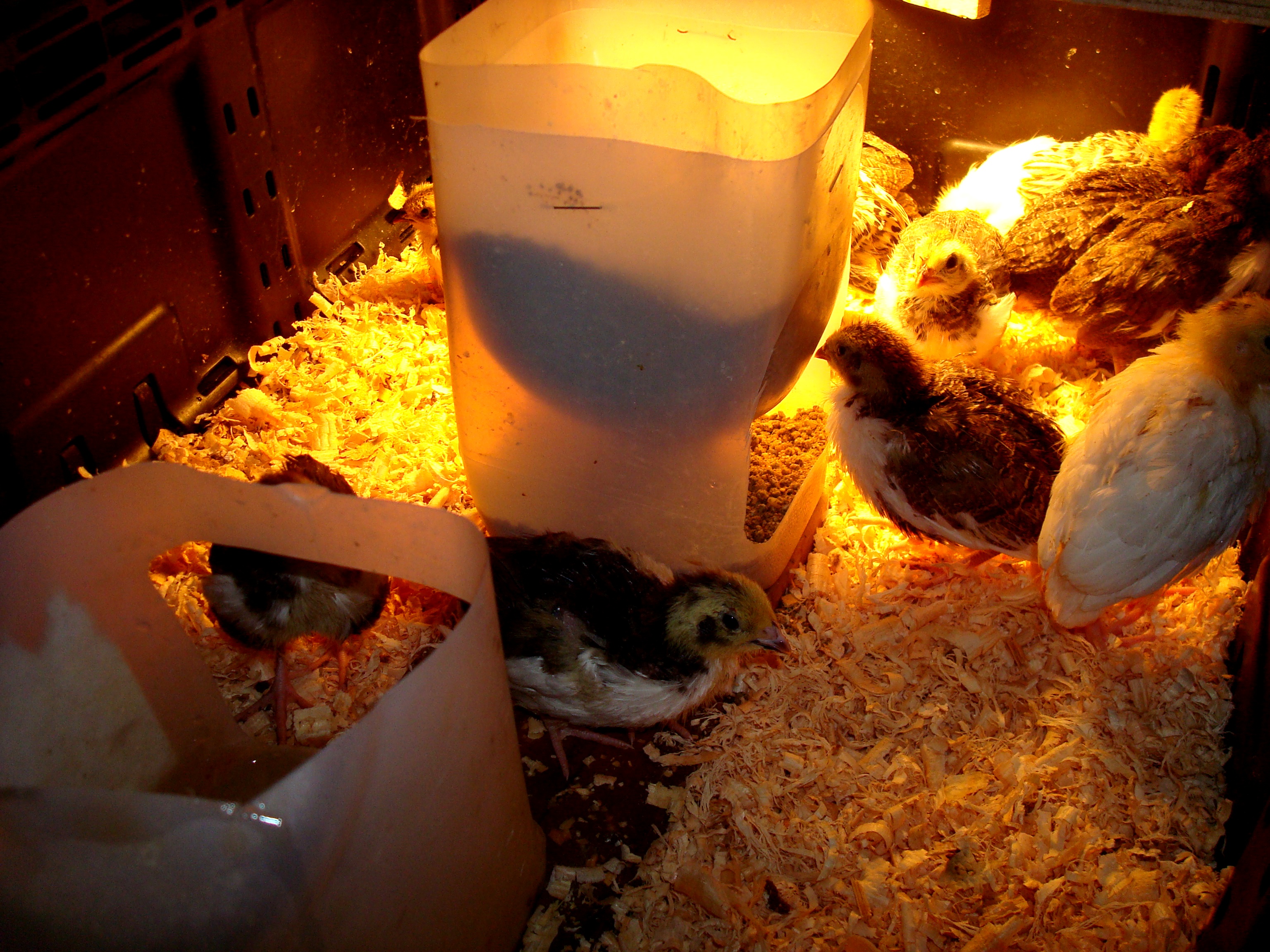
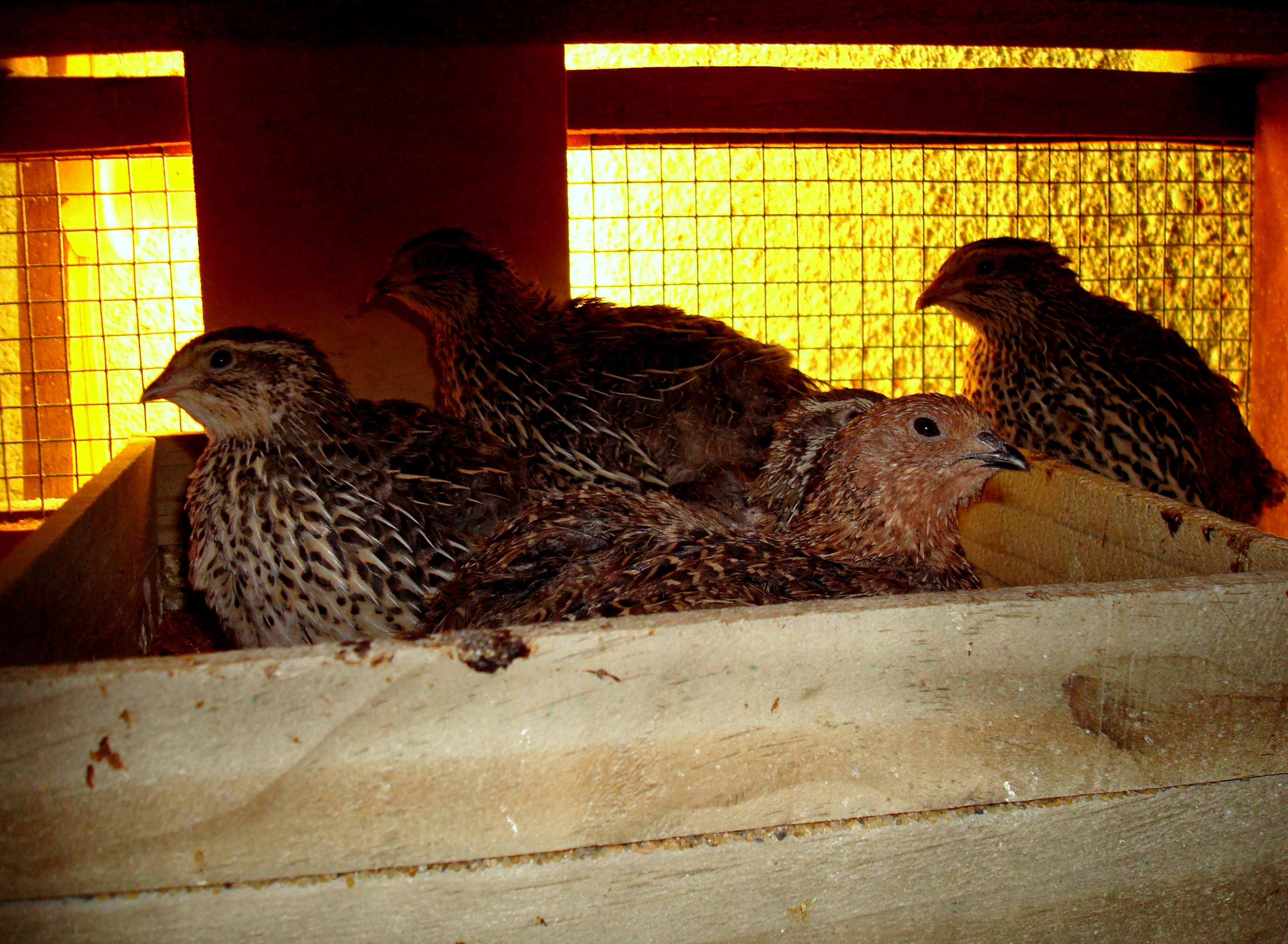
Treat them well and they would reward you for your efforts !

Give your birds :

1. A balanced and specie specific correctly formulated diet

2. Clean water and fresh feed at all times

3. Optimal environmental conditions with correct temperatures, dry and drafts free with correct lighting patterns and intensity

4. Enough space with clean dry bedding in well designed cages providing proper ventilation

5. Well bred animals housed in the correct male to female ratio

6. An owner that enjoys keeping and attending to poultry

It is easy and enjoyable to breed and keep poultry


6. Free of insects and other vermin


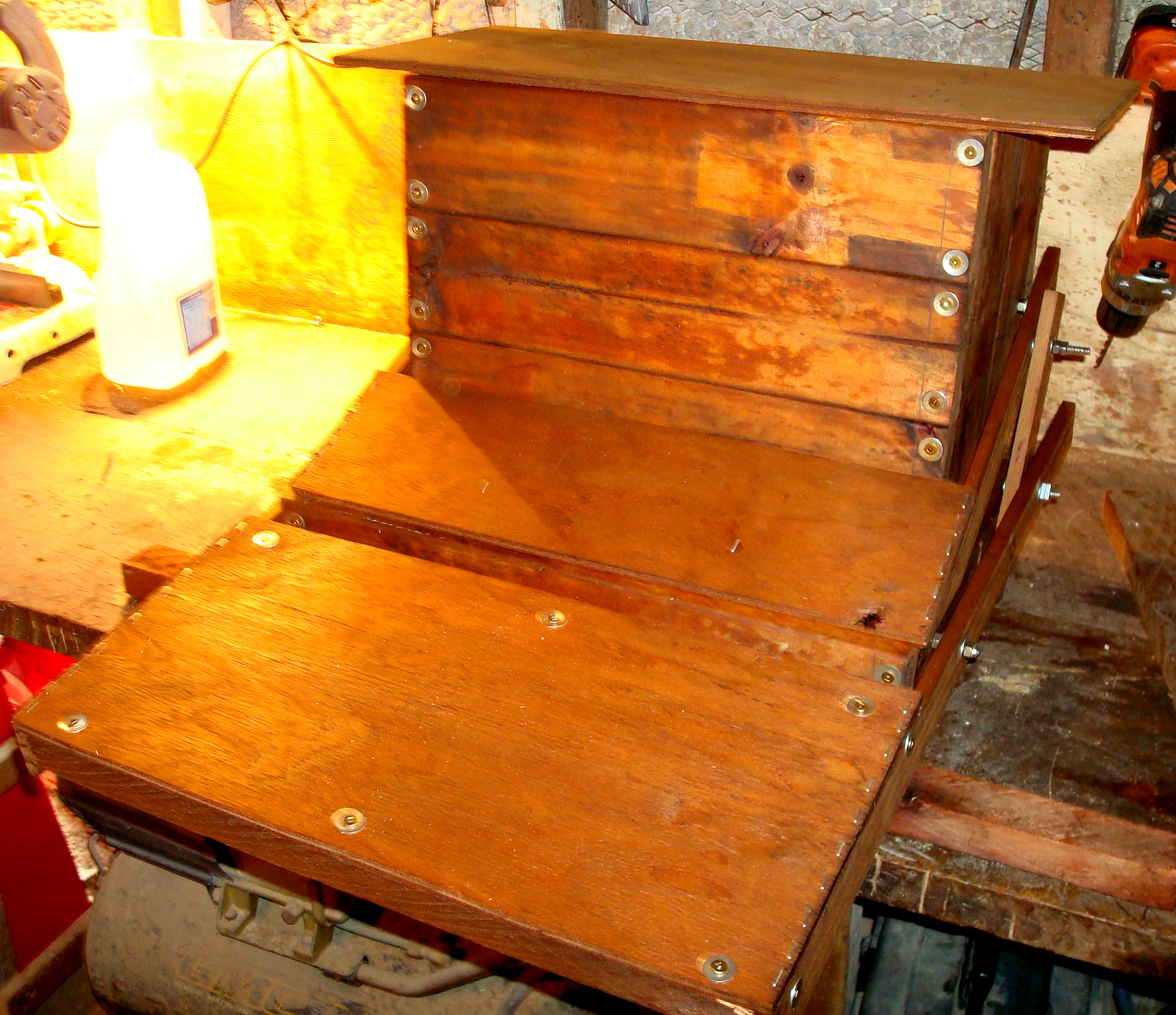
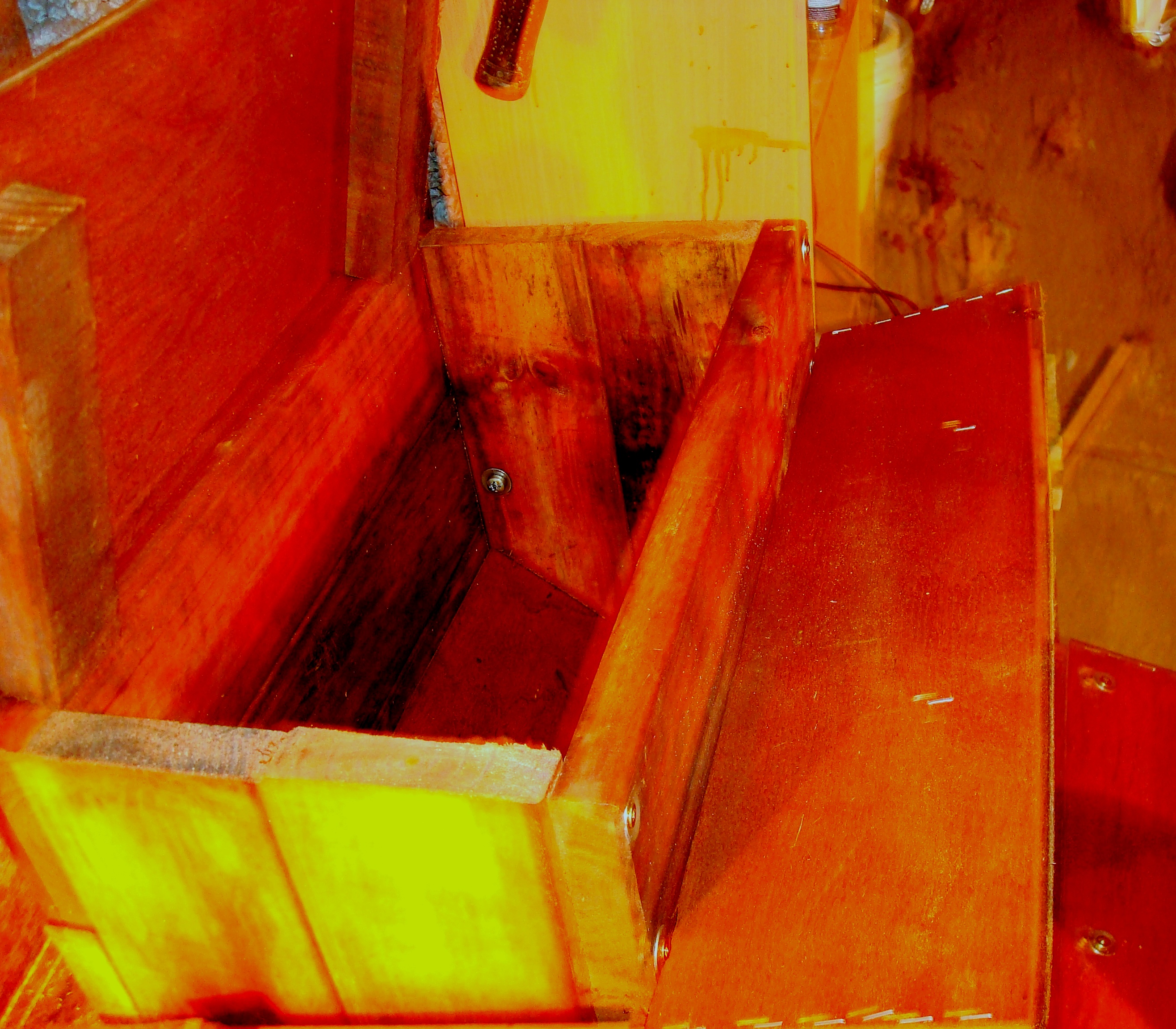
Back Yard Farmer’s Poultry Self Feeder

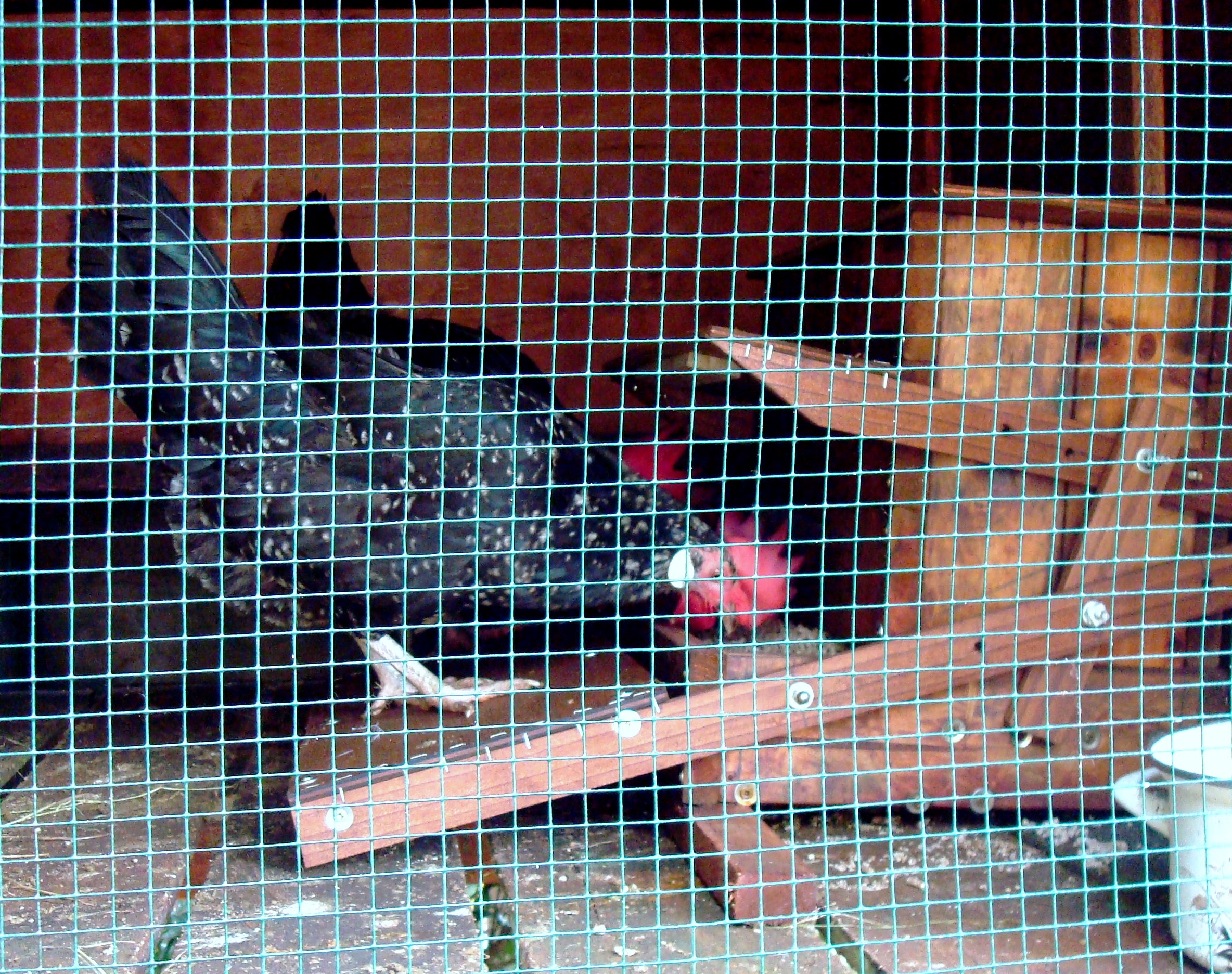
I did not know what to do with some wood that was always in my way in the workshop area.  The wood was from an old bed I dismantled some time ago. I am building a new chicken house to accommodate some of the Anconas who are now temporarily in the rabbit hutch. While doing this, I was again made aware of the spillage and waste of layers pellets as result of the bad table manners of the chickens. Suddenly I had a use for the old pieces of wood –  I made a chicken feeder the Backyard Farmer way!

2014-04-08 14.49.50

I designed it in such a way that it holds 15 Kg of pellets – enough for five birds for at least two weeks (so I can go on holiday). Having ordered some water nipples, this, together with the new feeder, will virtually make the chickens self maintaining. (I wish!)


2014-04-08 14.51.15

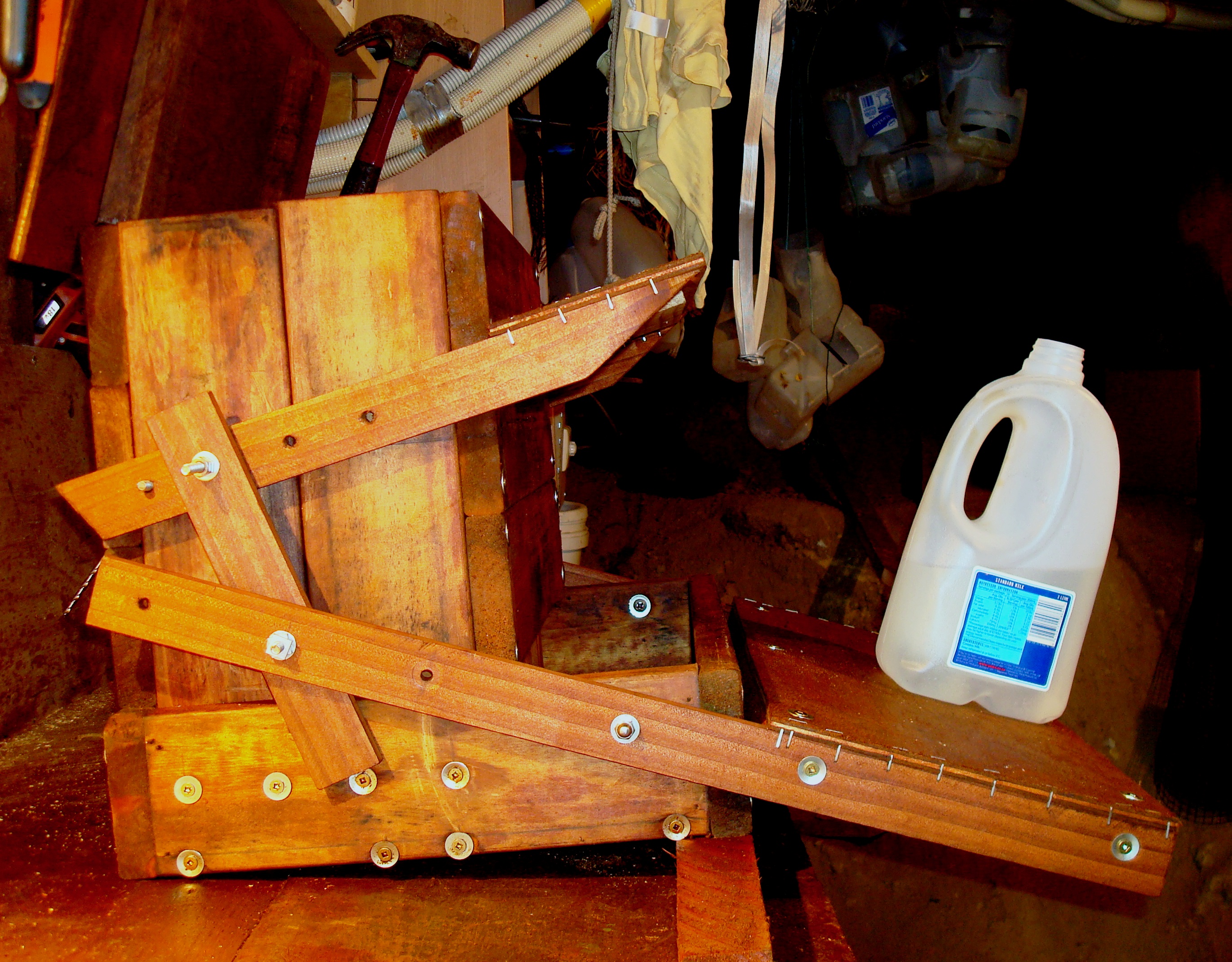
I have also designed it in such a way that with a few adjustable hole positions in the lifting arms, it could be set that it works for any size poultry – from Quails to those Jumbo Cornish Crosses.

2014-04-08 14.51.54

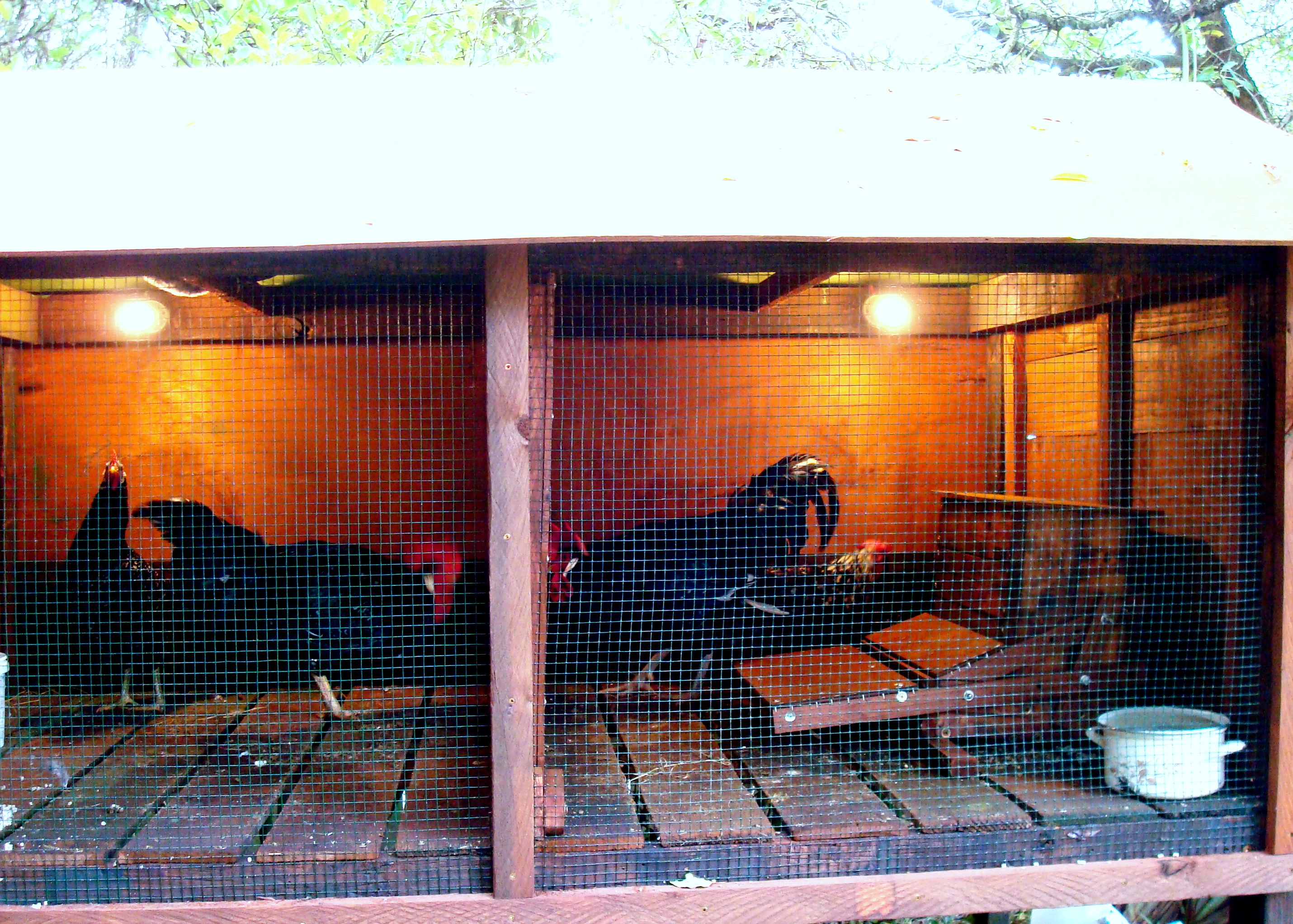
The proof of the pudding was to see what the intelligent Anconas think of  it as they have been in the rabbit hutches for only one day, and will be there for a short time while I am busy constructing their new luxury apartments. I was a bit worried because I was sure they would not appreciate another change in amenities and environment.

2014-04-07 16.51.45 2014-04-07 16.53.12

While the boys were measuring each other up for size, the girls were interested in more important matters – FOOD! It took them less than one minute to decipher this piece of “modern” technology and enjoy a feast.

2014-04-08 15.19.542014-04-08 15.01.46


ENCEPHALOMALACIA – BAD COMMERCIAL FEED

2014-02-19 16.18.20

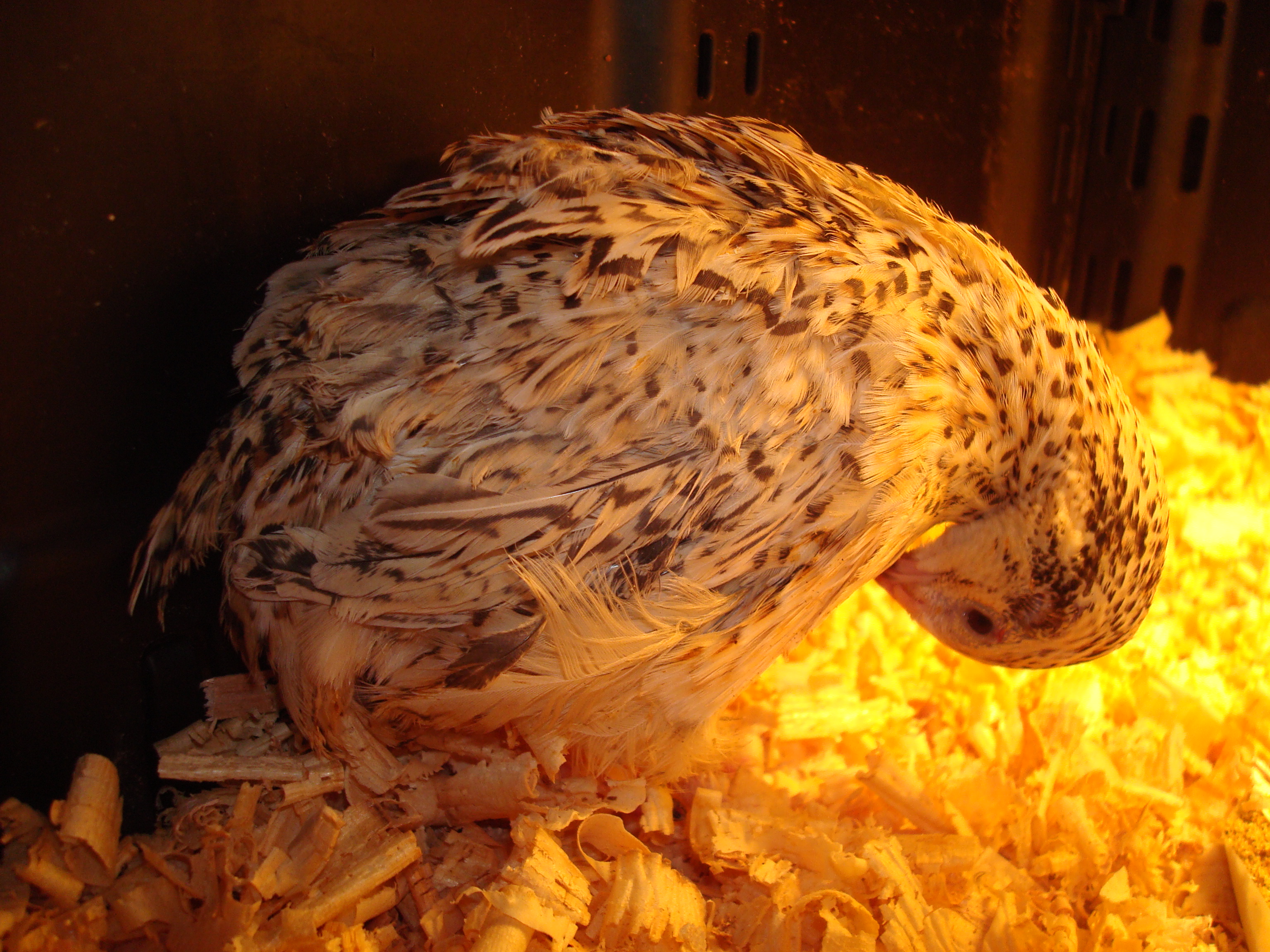
In New Zealand I have fed my Quails a diet “corrected ” for Quails starting off with a  commercial Chicken Starter Mash. This seemed to have worked fairly well as the growth results were acceptable. As my enterprise expanded it became more time consuming hand mixing feed all the time and I inquired with various feed companies, as to the availability of a specialised product for Quails, to no avail. I have however found a standard product off the shelf from a reliable feed company that claims, on the bag, to be adequate for quails. Having purchased it and used it for the past weeks, the results are shockingly bad. A specific batch of Quails, consisting of about 80 birds,, received this diet from day one. I normally supplement young Quail diets with boiled eggs for the first two weeks, which I have also done for this group.

Apart from excessively poor growth and survival performances I have two birds showing severe signs of Enephalomacia (Vitamin E deficiency). The inherently low level of vitamin E in the the cerebellum makes it very susceptible to Vitamin E, Selenium and Antioxidant levels. The problem is normally associated with diets high in unsaturated fats as often found in poor quality fish meal as well as poorly processed blood and bone meal. Also the rations are normally supposed to be adequately supplemented with a vitamin and mineral pre-mix appropriate for the specific application. I dare to say it was not the case with the product I have purchased at high cost.

The signs of Encephalomalysia is imbalance, staggering and uncontrolled movement. Treatment is by supplementing Vitamin E and/or Selenium in the water and feed. Should the brain damage not be too severe, remission is possible.

I also have a video of two birds affected but cannot upload it – if you are interested I could Email it to you. I am busy setting up a YouTube account which will resolve this problem in future.


My diagnosis of the deficiency was unfortunately a few days too late as I firstly did not expect it from the purchased diet and secondly I initially thought it to be Wry Neck, a genetic disorder for which I select and cull very strictly against

The performance for this group are as follows (Figures in brackets depicts all previous batches):

Average mass at 21 days of age for top 20 % of birds – g – 108 (113)

Average mass at 21 days of age for the bottom 20 % of birds – g 57 (78)

Birds alive from eggs placed – % – 42  (69)

As can be seen from the above results there was a great number of bids affected as can be seen in the large number of underweight bids as well as the high mortality, even though only a few show the excessive diagnostic behavior found int the two birds photographed. Interesting enough the one bird showing signs was by far the heaviest bird in the group (Maybe the fast growth required higher levels of nutrients??) I am now supplementing the entire group with Vitamin E and hopefully shall save the rest not too severely affected.