QUAIL BREEDING PROJECT

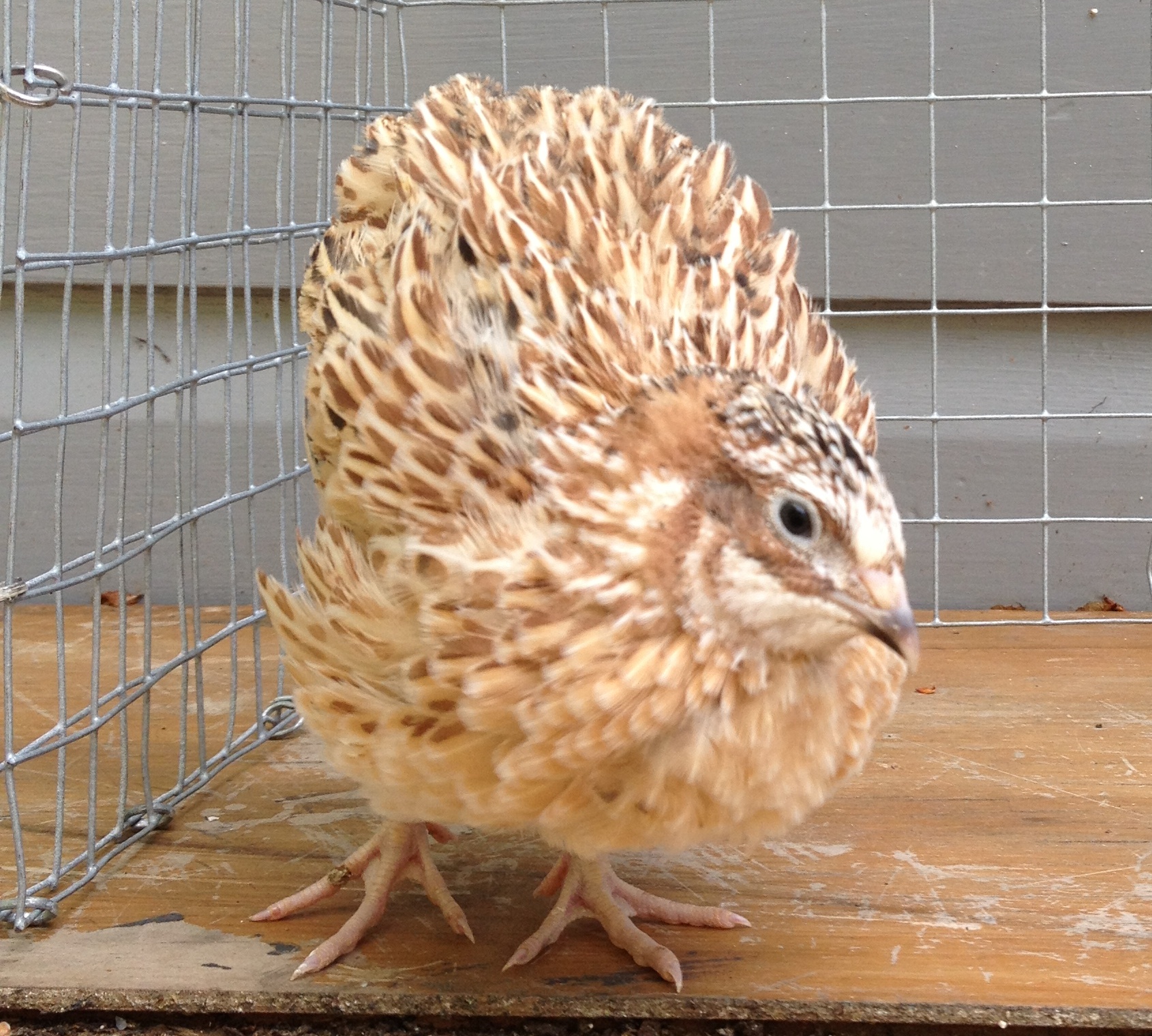
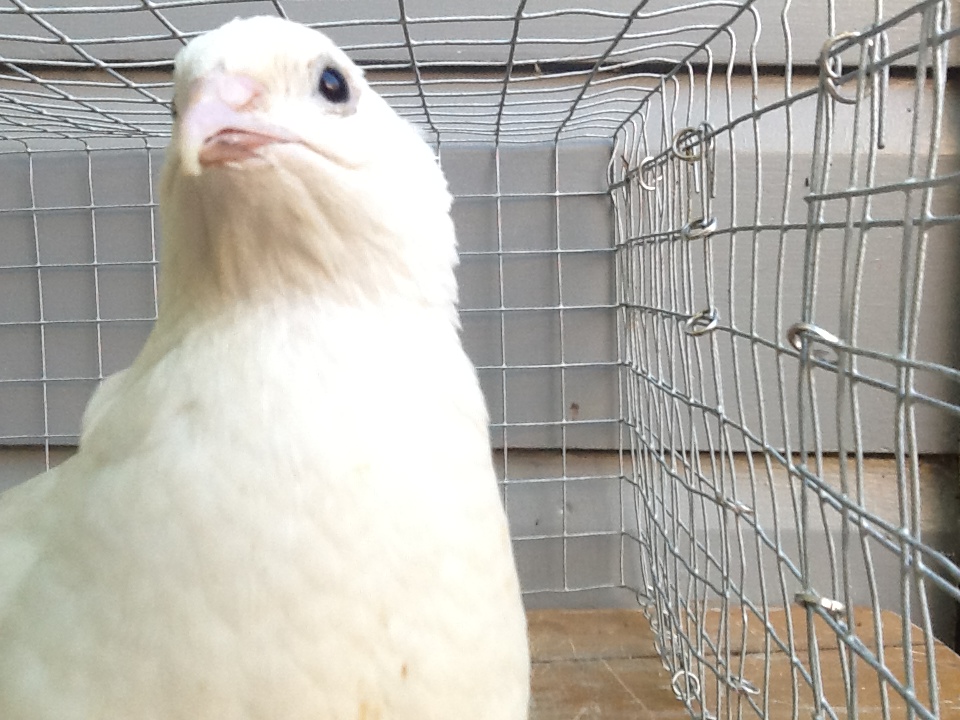
2014-01-07 - Rosetta Male 2013-10-24 - Italian Coturnix 2 2013-10-24 18.09.15 2013-10-24 - Tibetan Coturnix 21 2013-10-24 - White Coturnix 13 2014-01-07 - Tuxedo


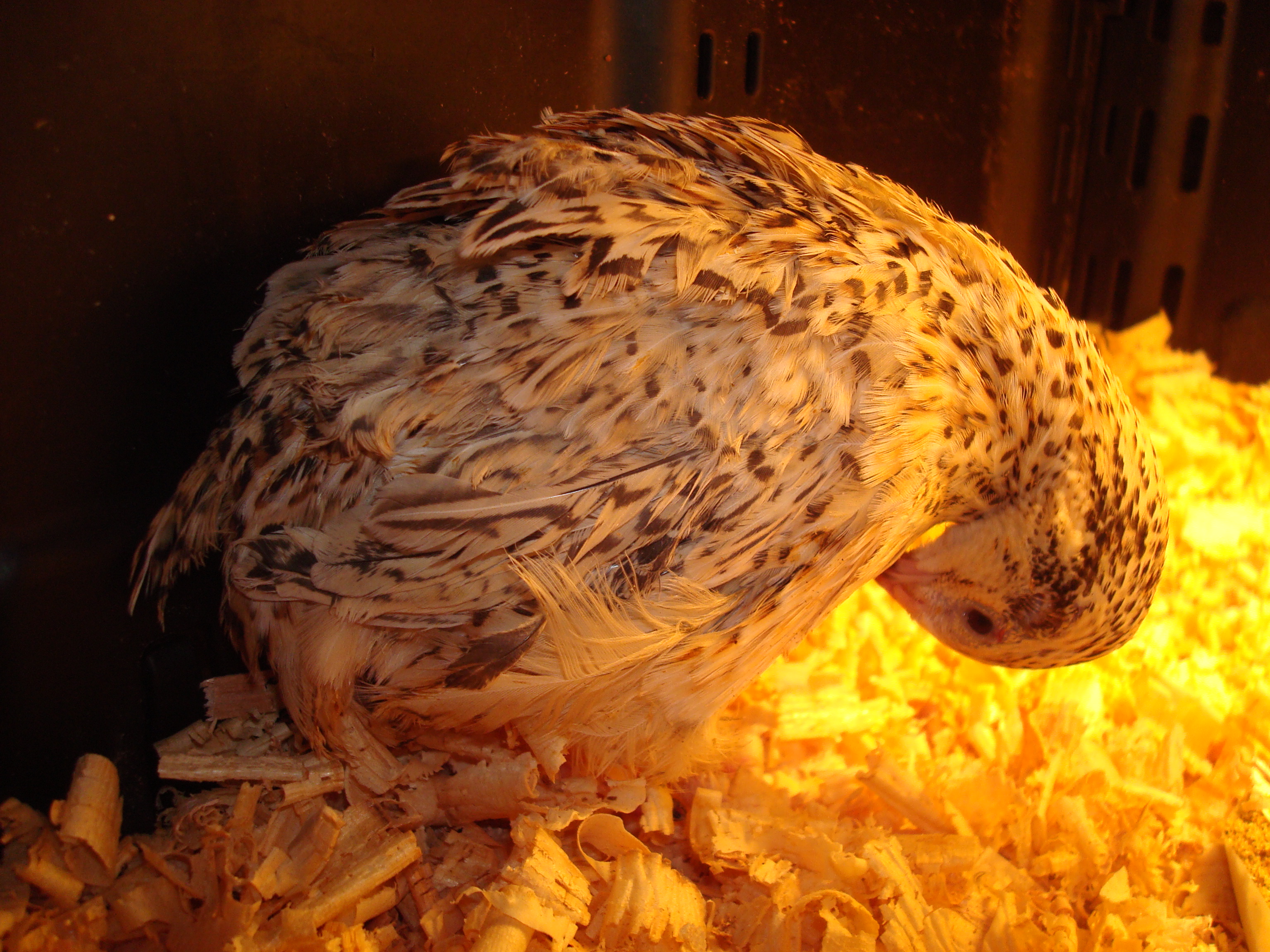
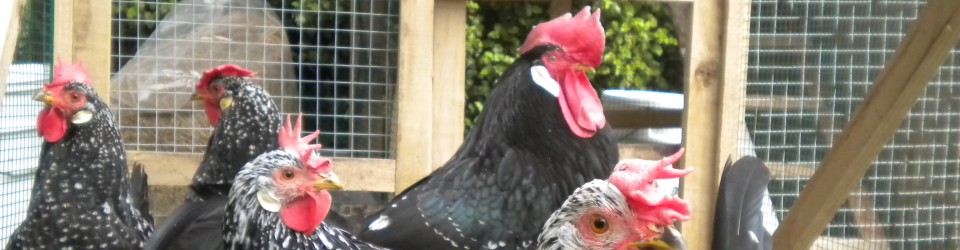
After arriving in New Zealand mid 2013, I immediately commenced with my hobbies, i.e. Coturnix Quail and Ancona Chicken breeding. I was a bit disappointed in the genetic material available and the absence of any controlled national breeding project for any of these animals.

I am an animal scientist with  post graduate qualifications and have therefor engaged in a breeding project trying to re-establishing the phenotypical and production traits of the Coturnix coturnix Quail strains in New Zealand (I am doing the same for Ancona chickens, but more about that later).  New Zealand Authorities do not allow the importation of new birds or poultry into the country and with a very small gene pool (gene puddle), uncontrolled “breeding” , inbreeding, etc, the variation between strains that is normally detected in other countries does not exist in New Zealand.  Most birds, apart from color appear to have the same  traits, are very inbred, with low production ability and fecundity.

I have initially limited the project to four strains, but after some breeding and further investigations, have unwillingly expanded it to six strains – the more strains I try to breed and improve successfully the slower my progress will be. After only eight months of breeding some performance results already been achieved and established, because of the short life cycle of these amazing little animals.

If there are any New Zealand Breeders who would like to participate in this project, you are most welcome to give me a call. I am specifically looking for that very special animal you may have bred, which we may like to breed with in this project, in exchange for some of the offspring.

Back Yard Farmer

Tel – +64 211 34 14 52

byf@backyardfarmer.co.nz

www.facebook.com/backyardfarmernz

http://www.backyardfarmer.co.nz

Dunedin – New Zealand

Sand for Scrubbing Quail Feet

2014-02-20 15.49.34

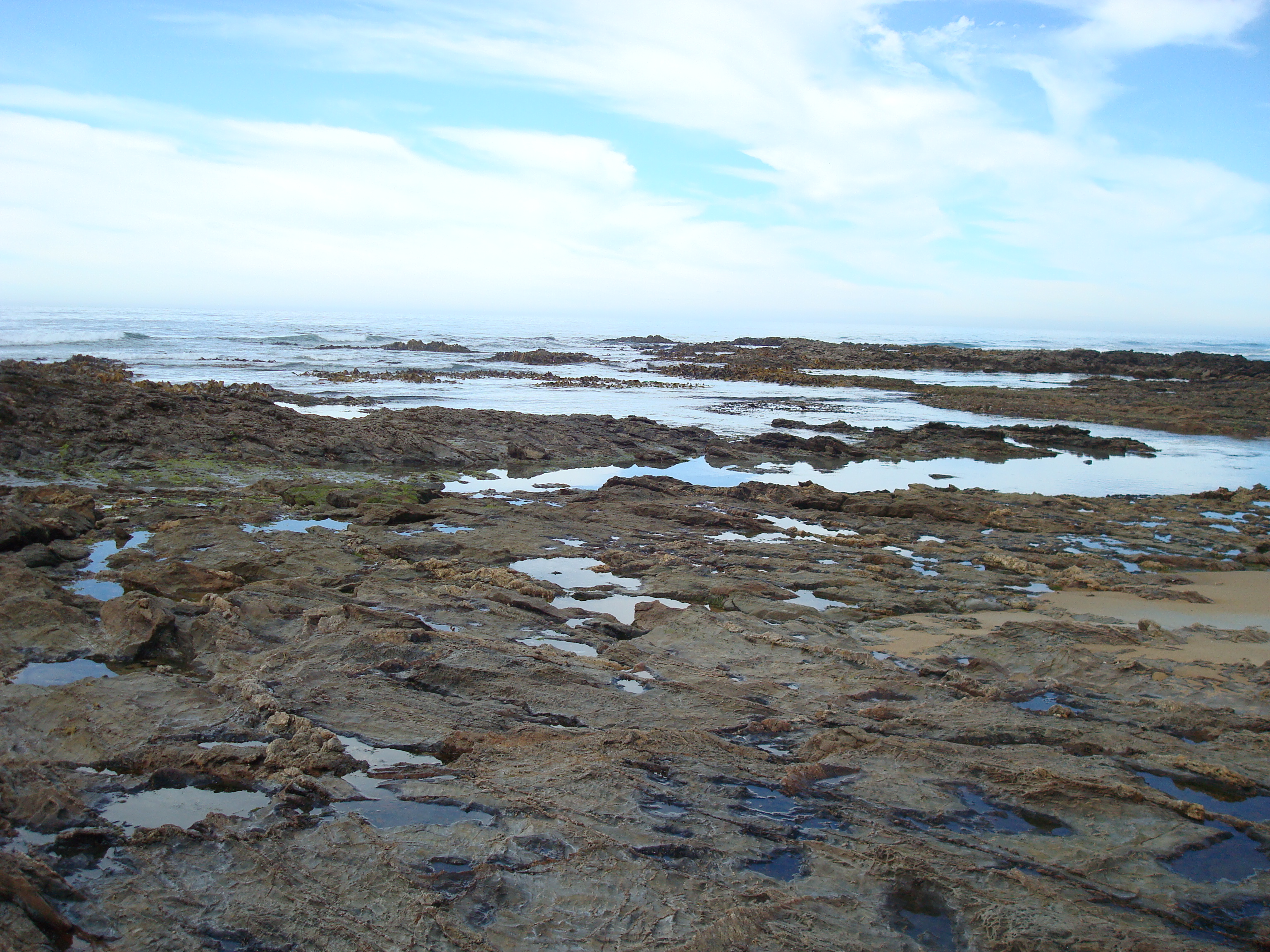
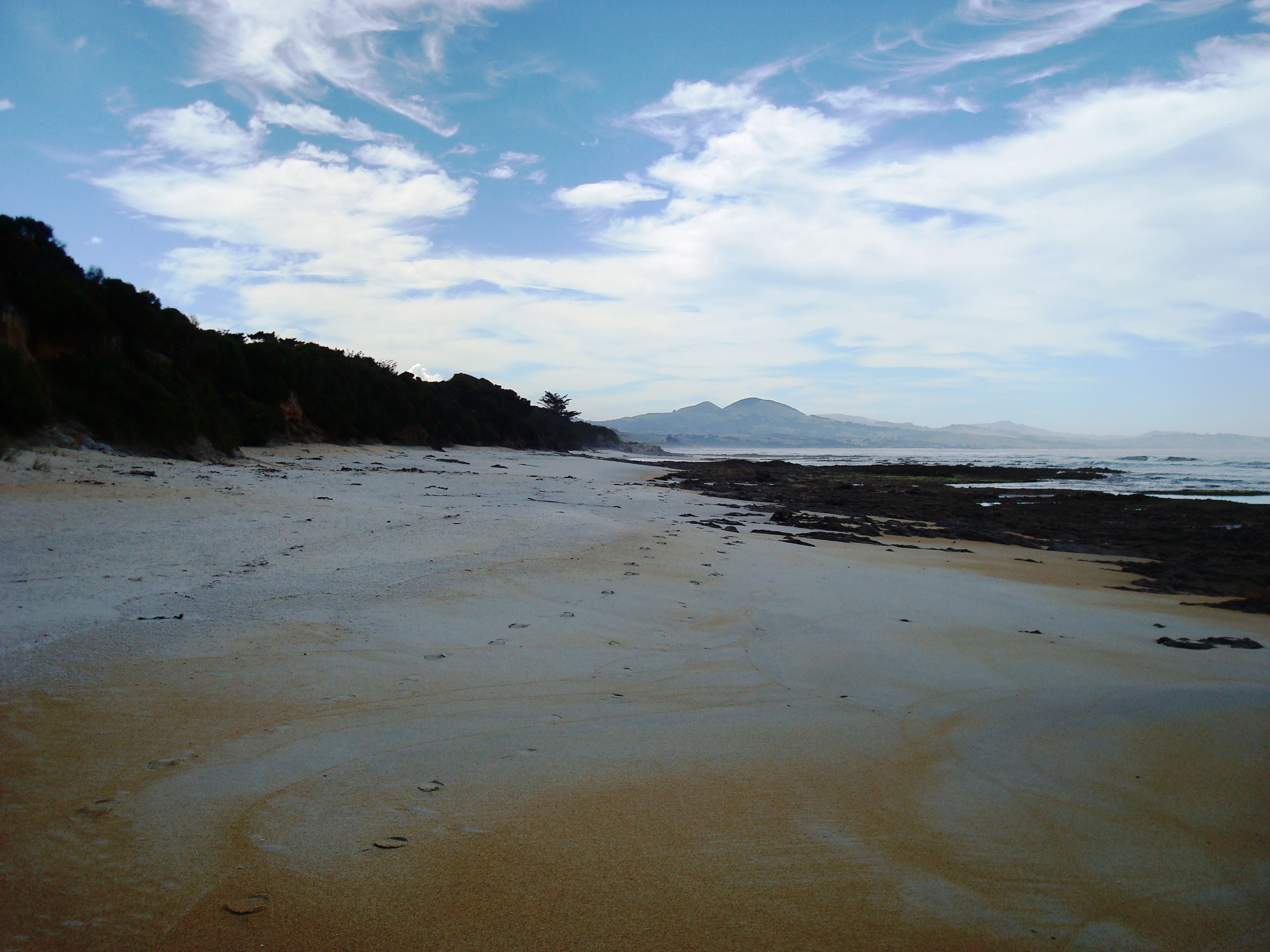
I prefer to keep my quails on wooden floors, not wire mesh, and I am sure they are happier, healthier and more comfortable that way. I experience far less foot problems with my quails than I have observed on wire mesh at other locations . The problem is that their feet get ‘dirty’ with bits of manure and feed dust sticking to and drying on their toes. Quails love to scratch around and the easy way to solve this problem and keep them happy is to provide sand baths laced with diatomaceous earth in each cage. The  sand must  not cause dust, or be fine enough to clog up the automated water system. After hunting high and low for the correct sand – visiting building suppliers, road builders and driving up and down the coast visiting various beaches, I was fortunate to find a supply close to home – a beach some ten kilometers south of Dunedin. Getting a bucket of the roughest textured sand every few months, I think is OK as I suspect it may not be “legal” to collect and remove sand from NZ  beaches.

Every sand fetching day becomes a picnic day, with the grandchildren, on one of the many fabulous beaches close to our house – provided Otago weather does not get out of hand. Yesterday conditions were perfect for ‘sanding’  as these pictures prove !

2014-02-20 13.19.04 2014-02-20 13.43.49-1 2014-02-20 13.43.40-2

ENCEPHALOMALACIA – BAD COMMERCIAL FEED

2014-02-19 16.18.20

In New Zealand I have fed my Quails a diet “corrected ” for Quails starting off with a  commercial Chicken Starter Mash. This seemed to have worked fairly well as the growth results were acceptable. As my enterprise expanded it became more time consuming hand mixing feed all the time and I inquired with various feed companies, as to the availability of a specialised product for Quails, to no avail. I have however found a standard product off the shelf from a reliable feed company that claims, on the bag, to be adequate for quails. Having purchased it and used it for the past weeks, the results are shockingly bad. A specific batch of Quails, consisting of about 80 birds,, received this diet from day one. I normally supplement young Quail diets with boiled eggs for the first two weeks, which I have also done for this group.

Apart from excessively poor growth and survival performances I have two birds showing severe signs of Enephalomacia (Vitamin E deficiency). The inherently low level of vitamin E in the the cerebellum makes it very susceptible to Vitamin E, Selenium and Antioxidant levels. The problem is normally associated with diets high in unsaturated fats as often found in poor quality fish meal as well as poorly processed blood and bone meal. Also the rations are normally supposed to be adequately supplemented with a vitamin and mineral pre-mix appropriate for the specific application. I dare to say it was not the case with the product I have purchased at high cost.

The signs of Encephalomalysia is imbalance, staggering and uncontrolled movement. Treatment is by supplementing Vitamin E and/or Selenium in the water and feed. Should the brain damage not be too severe, remission is possible.

I also have a video of two birds affected but cannot upload it – if you are interested I could Email it to you. I am busy setting up a YouTube account which will resolve this problem in future.


My diagnosis of the deficiency was unfortunately a few days too late as I firstly did not expect it from the purchased diet and secondly I initially thought it to be Wry Neck, a genetic disorder for which I select and cull very strictly against

The performance for this group are as follows (Figures in brackets depicts all previous batches):

Average mass at 21 days of age for top 20 % of birds – g – 108 (113)

Average mass at 21 days of age for the bottom 20 % of birds – g 57 (78)

Birds alive from eggs placed – % – 42  (69)

As can be seen from the above results there was a great number of bids affected as can be seen in the large number of underweight bids as well as the high mortality, even though only a few show the excessive diagnostic behavior found int the two birds photographed. Interesting enough the one bird showing signs was by far the heaviest bird in the group (Maybe the fast growth required higher levels of nutrients??) I am now supplementing the entire group with Vitamin E and hopefully shall save the rest not too severely affected.

LISTEN TO YOUR QUAILS

2014-02-17 - Eggs Quality 3

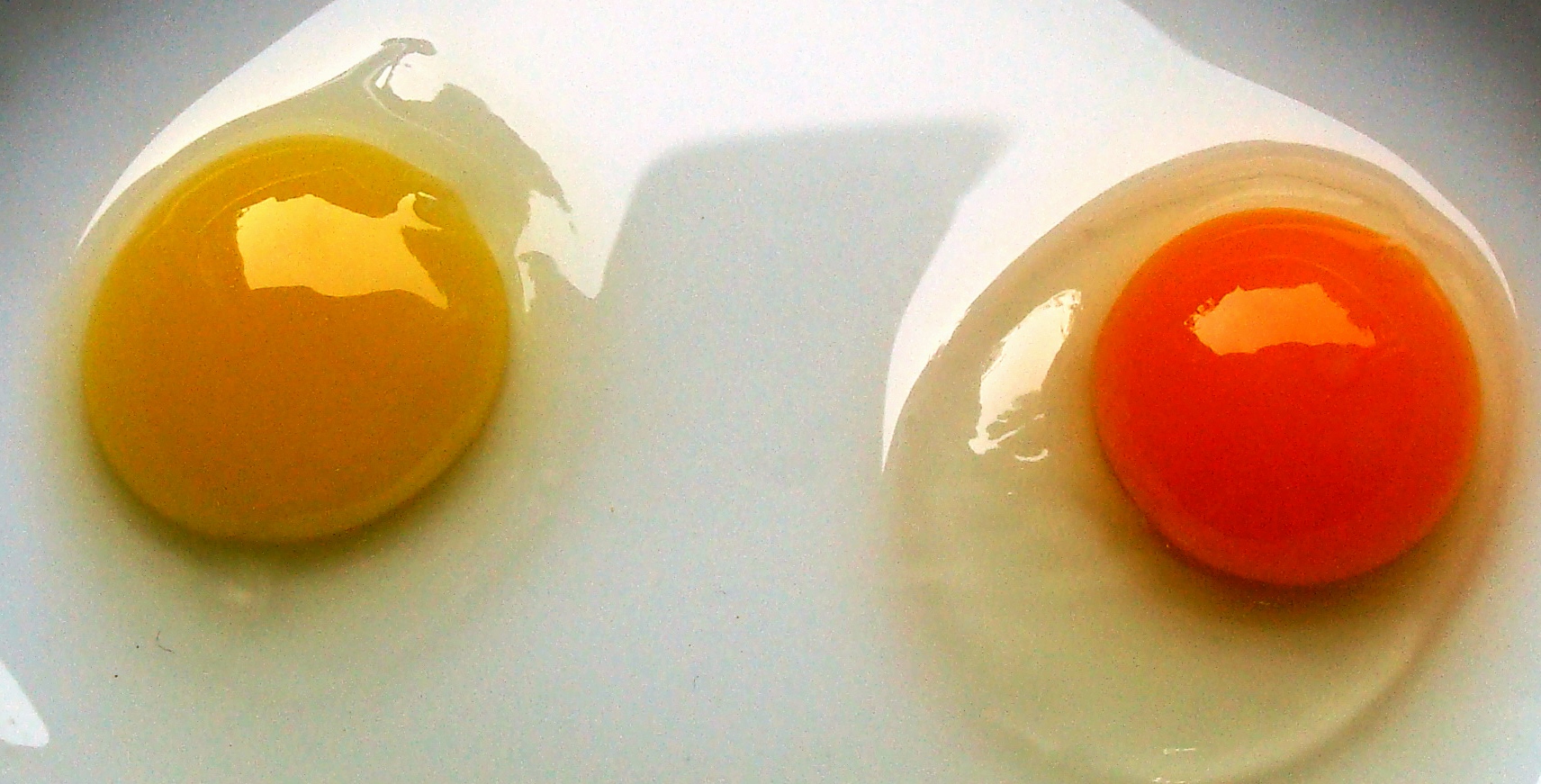
One egg was purchased from a customer claiming to feed a commercial All Mash to her quails plus the odd bit of table scraps, the other is from my layer unit where my birds are eating All Mash specially formulated for Quails. Not only is the yolk color vastly different pointing to a probable difference in vitamin and mineral absorption of the birds, but the albumin is also more firm and of better quality (this is where most of the protein in the egg is). The message is that the Quail receiving the correct nutrition that allows her to produce a better quality egg is most likely more happy, healthy and will live longer, producing more and healthier eggs for her Master.

QUAIL FEED – SPECIALLY FORMULATED FOR QUAILS – See –  https://backyardfarmer.co.nz/for-sale/ 

INCUBATING QUAIL EGGS

2014-02-16 - Hand with Eggs 1

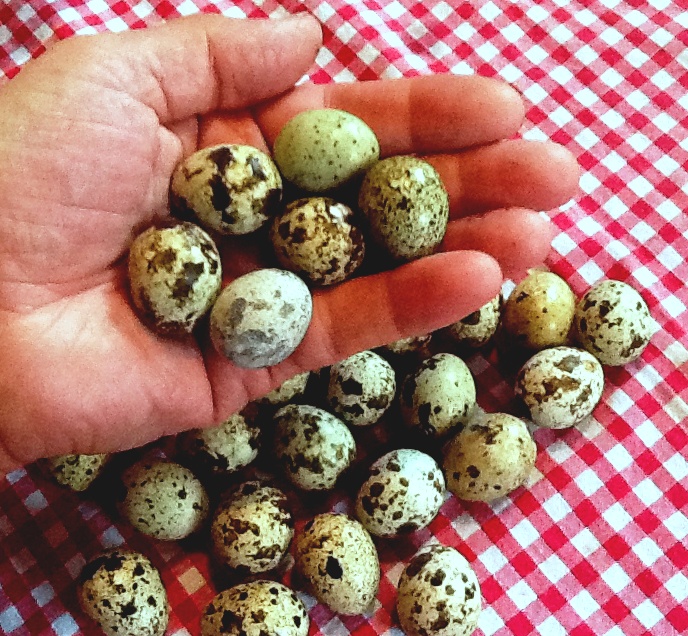
I have often been asked to give the correct procedures for incubation of Coturnix coturnix Quail eggs

Storage of eggs should be at room temperature, preferable less than 20 C for a maximum of ten days following oviposition. Shipped eggs should rest for at least twelve hours before incubation commences and preferably with the small end up.

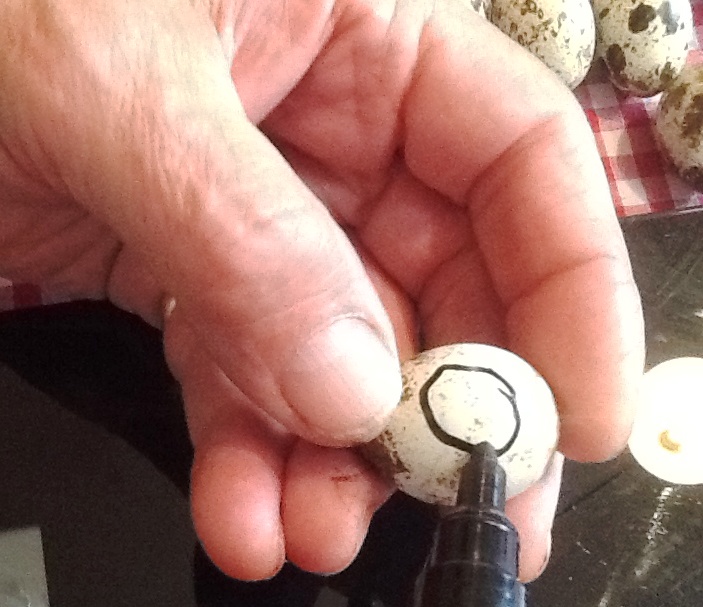
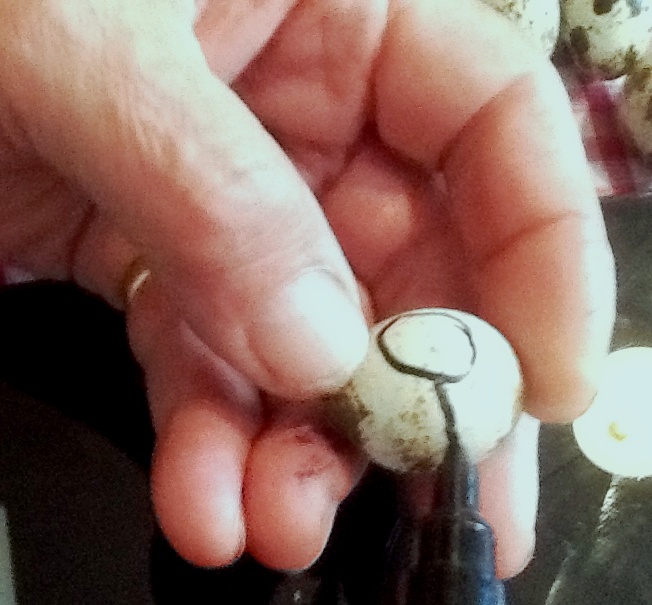
Incubator temperature should be 100 F (37.8C) for fanned incubators and 103F (39.4C) for incubators without a fan,  at all times.  Mark the eggs with a cross on the one side and a circle diagonally opposite, then connect the circle and cross with a line. Now set the eggs in the incubator and leave them without turning for three days. After three days of incubation turn the eggs at least twice per day and even up to four times per day. When turning the eggs, alternate with the cross upwards one time and the following time the circle facing upwards. Always turn the eggs in such a way the the connecting line is visible at all times (back and forth). This prevents the egg from being turned 360 degrees, which may cause the embryo to get entangled in the developing veins and membranes.

2014-02-16 - Egg circle 1 2014-02-16 - Egg circle 2 2014-02-16 - Egg circle 3

Try to minimise the opening times of the incubator to prevent temperature fluctuations and spread turning times evenly during any 24 hour period.  After 14 days of incubation stop turning and increase the humidity to about 60 % and leave the eggs untouched until hatching.

2014-02-16 19.33.59

When the chickens hatch, move them to a brooder as soon as they are dry.