Lethal Homozygous (Y) Gene in quail

This short reply was written by me as result of a Facebook discussion
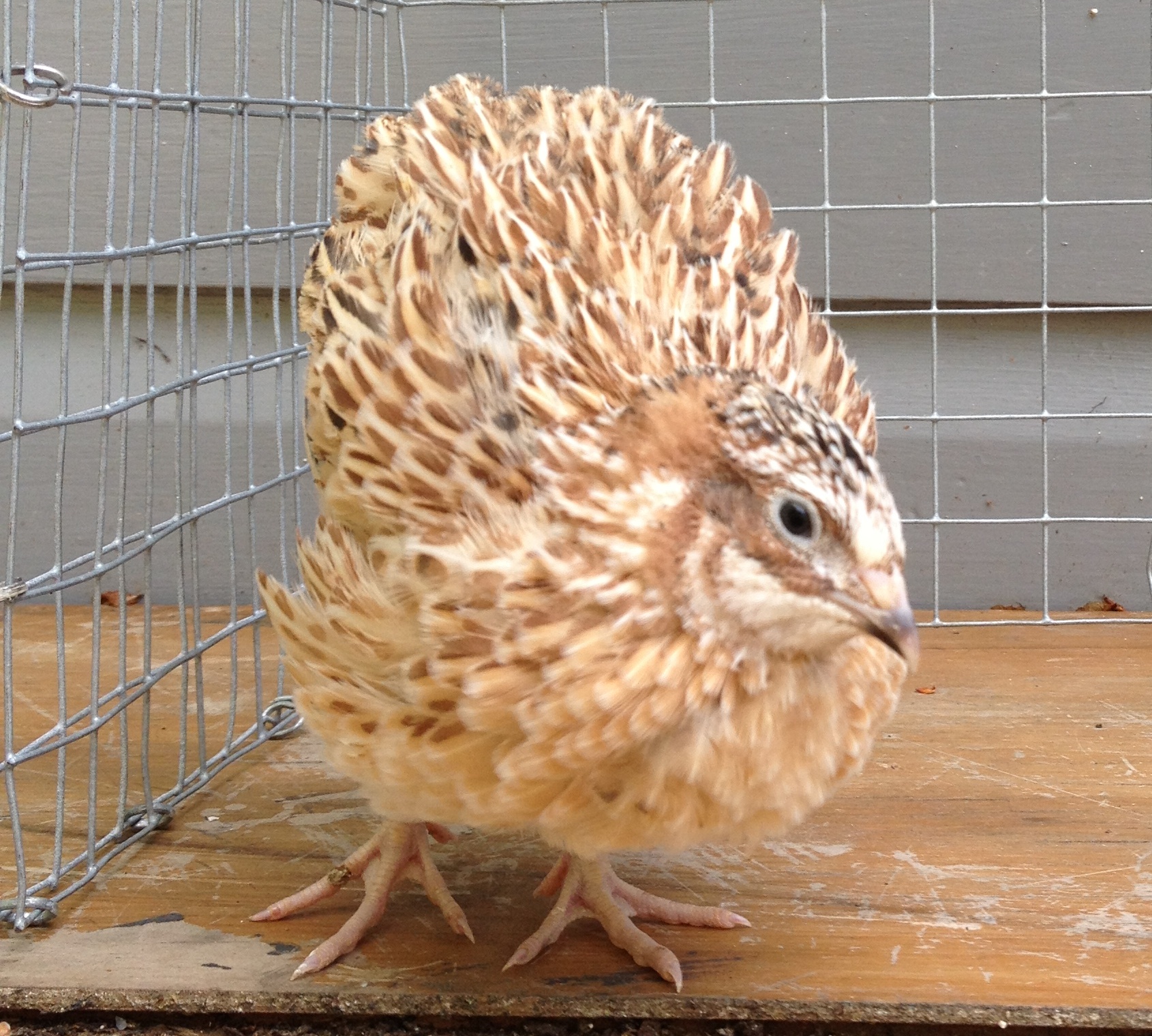
2013-10-24 - Italian Coturnix 2

2013-10-24 - Italian Coturnix 9

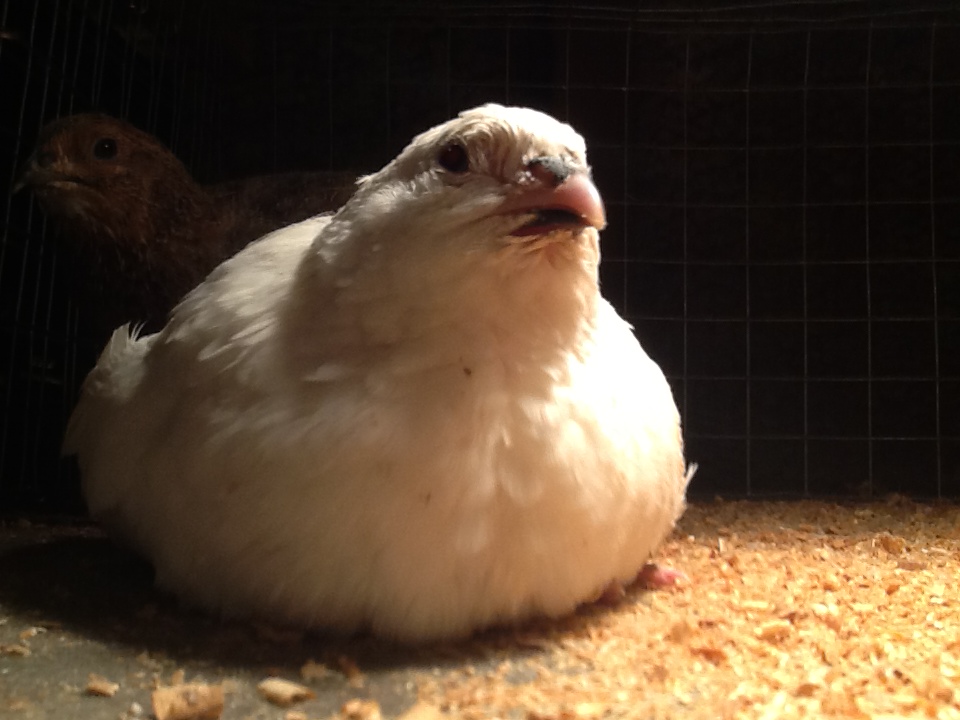
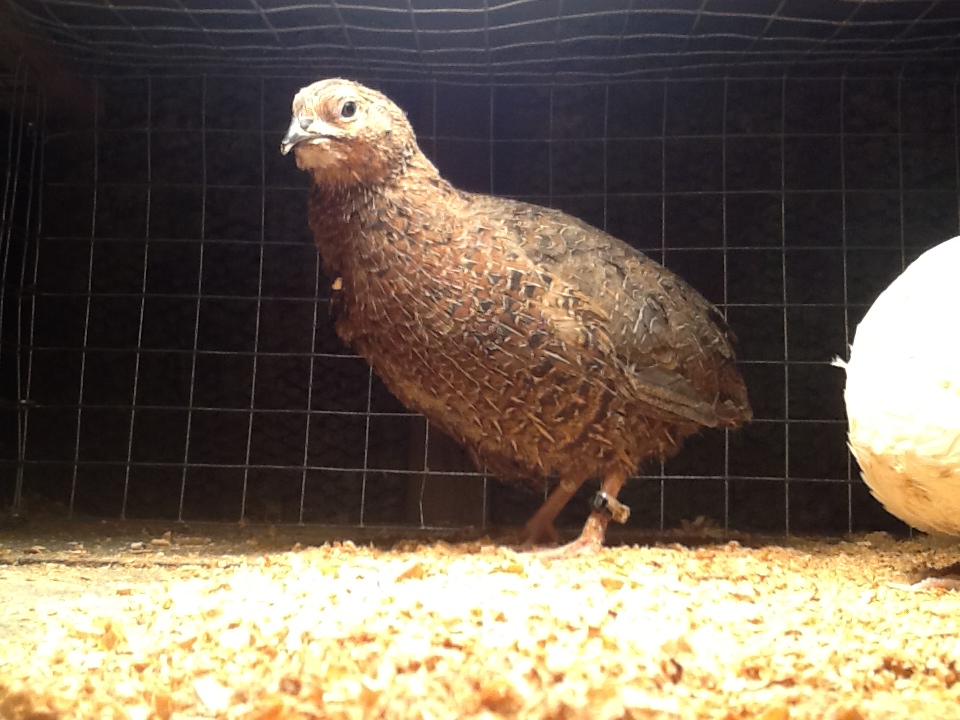
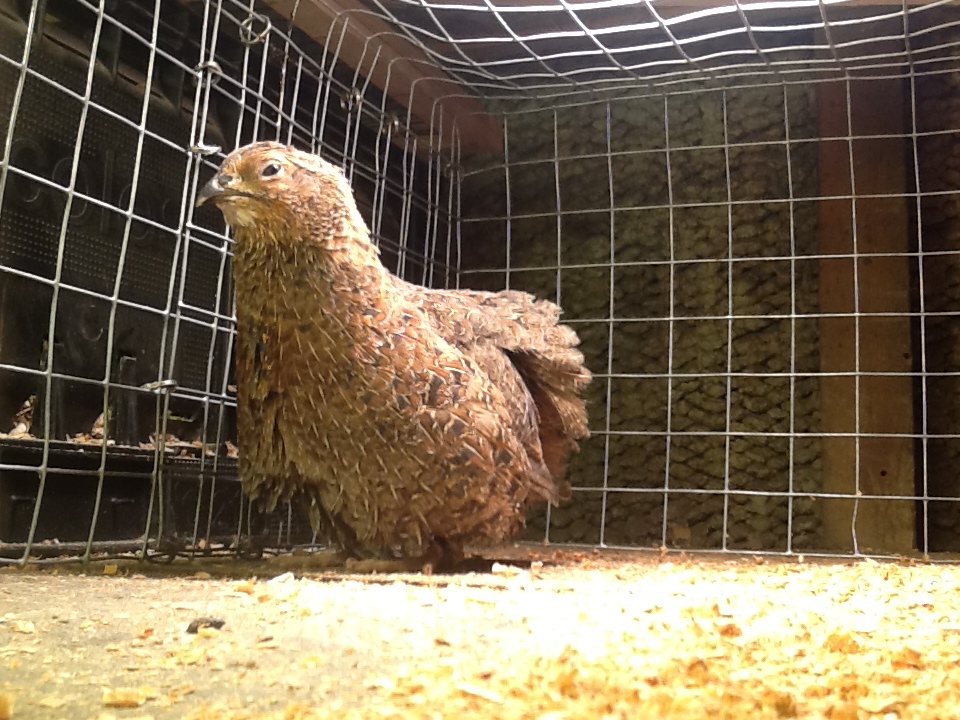
  • I select and breed all my animals for functional efficiency, as I have done all my life, not only in breeding my own animals but also when involved in establishing new cattle and horse breeds in the past, as well as advising Governments, large International Organisations and many thousands of Farmers around the world. I breed with poultry as they come out of the egg, without having to interfere with them to be able to survive and breed. I select and cull heavily, especially when the gene pool is as limited as it is in New Zealand for the breeds I am interested in. As for the Lethal homozygous Y gene associated with Golden Italian Quails, I failed to have read any article reporting hatchability between strains under the same commercial conditions and report on comparable results, nor have I found any reputable body advising to never breed Golden Quails to Golden Quails. In my own case, over a period of three months, using 480 quail hatching eggs (120 from each of the four strains I breed at present –  All purebred) I quote the following results for animals alive after 24 hours of terminating the hatch : Golden Italian – 74.3 % (Variation 66.7 % to 83.1 %) ; Tibetan – 83.2 % (Variation 79.1 % – 90.0 %)  ; Pharoah 75.0% (Variation 73.3 % – 76.7 %) and White – 68.9 % (Variation 56.7 % – 76.7%). I do not for one moment doubt the work that has been done in identifying and mapping the genetics of the Golden Italian Quail, but clearly there is more to it than say you have 25% embryo mortality and that is it. As an example there exist a plumage color mutation Yt2 that is dominant over the yellow (Y) gene and produce fawn or yellow birds almost exactly like the heterezygous Y, but is not lethal. There are also many other malformations and abnormalities controlled by one or few genes, as well as many other lethal genes in Quails. I am aware of a number of commercial operations using purebred Golden Italian strains of Coturnix coturnix japonica with great success. There are also some reports quoting 100% hatchability in purebred Golden Italian strains of quail. Any poultry will experience embryo mortality at some level and the results I have achieved with Golden Italians prove that I am on the right track and there is no real difference at present with the strains available to me in New Zealand. Inbreeding, indiscriminate breeding and failure to identify and eliminate hereditary defects are doing the damage to poultry breeds in New Zealand. I am also not against breeding fancy breeds – it is a lot of fun, but do it sensibly.

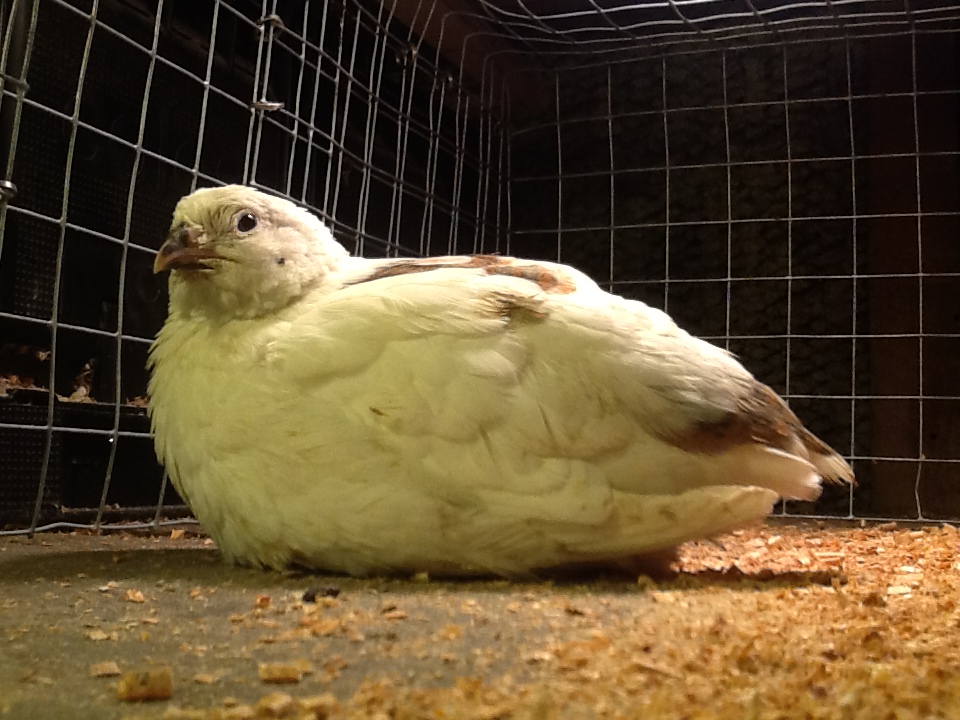
Effect on Hatchability with Pre Storage Incubation of Stored Eggs

Research showed that Pre Storage Incubation of eggs for 6 hours at 37.5 C could improve the hatchability from 70.5% to 79.0 % when stored at 11.5 C for 14 days. The results of this study provide evidence that embryos of eggs that have completed hypoblast formation (Pre Storage Incubation for 6 hours) and are stored for 14 days have a survival advantage over embryos of  that have not been subjected to any Pre Storage treatments.

2013-11-29 - Fresh Quail Eggs

Coturnix Breeding Program is making Progress

Should you have a sound breeding strategy and clear selection criteria results are due to follow, provided you have the numbers and ability and means to identify parameters. I have been incubating 150 – 200 eggs every two weeks for the past few months in execution of my breeding program and I think I have bred and identified two exceptional individuals. I normally, because of the sheer numbers of birds, do not give my Quails or Quail Lines names, but have decided to make an exception with these two – hence please meet Bill and Tri

Bill is from my A & M Texan White Strain in which I have a number of excellent specimens. I have two lines available and after some line breeding and then out crossing I have bred Bill. Not only does he (at this stage) have an exceptional temperament (his dad, No 17,  is a very good male, good temperament and also gentle with the girls), very good conformation and strong constitution, he also weighed in at 201 grams at six weeks of age. I am not trying to breed bigger and bigger, but with the Whites being a “Dual Purpose” quail, I am delighted with the size and growth rate.

Tri is a Tibetan male. I find the Tibetans to be very aggressive, though well adapted to cage conditions. Tri is out of my most beautiful Male – No 33, and a hen which was part of a group of five that produced 165 eggs in 33 days (100%), then unfortunately one of the girls missed out. I have selected the most perfect female out of this group, which are all unrelated to No 33 to breed Tri, who weighed in at 179 Grams himself at six weeks of age. No 33 has one full sister who at present has done 69 eggs in 78 days.  She is presently with a male that is a Full Brother to Tri’s Mother.  Tri has all the qualities of an excellent bird being sound, strong and calm, but very dominant already among  his piers. The one negative trait of the Tibetans is that the Males are  not kind to the girls and I have to remove them  from time to time. I also give the Tibetan Males up to seven females to keep them busy, but that even seems to be too few.  The Italians and Whites are perfectly good even one Male with one Female (Perfect Gentlemen)

Needless to say 2013-12-26 10.26.54 2013-12-26 10.22.57 2013-12-26 10.18.27 2013-12-26 10.26.23Tri and Bill are going to be part of future breeding programs.

http://www.backyardfarmer.co.nz

Hatching Results for Coturnix

2013-10-24 - Italian Coturnix 9 Baby Quails 021

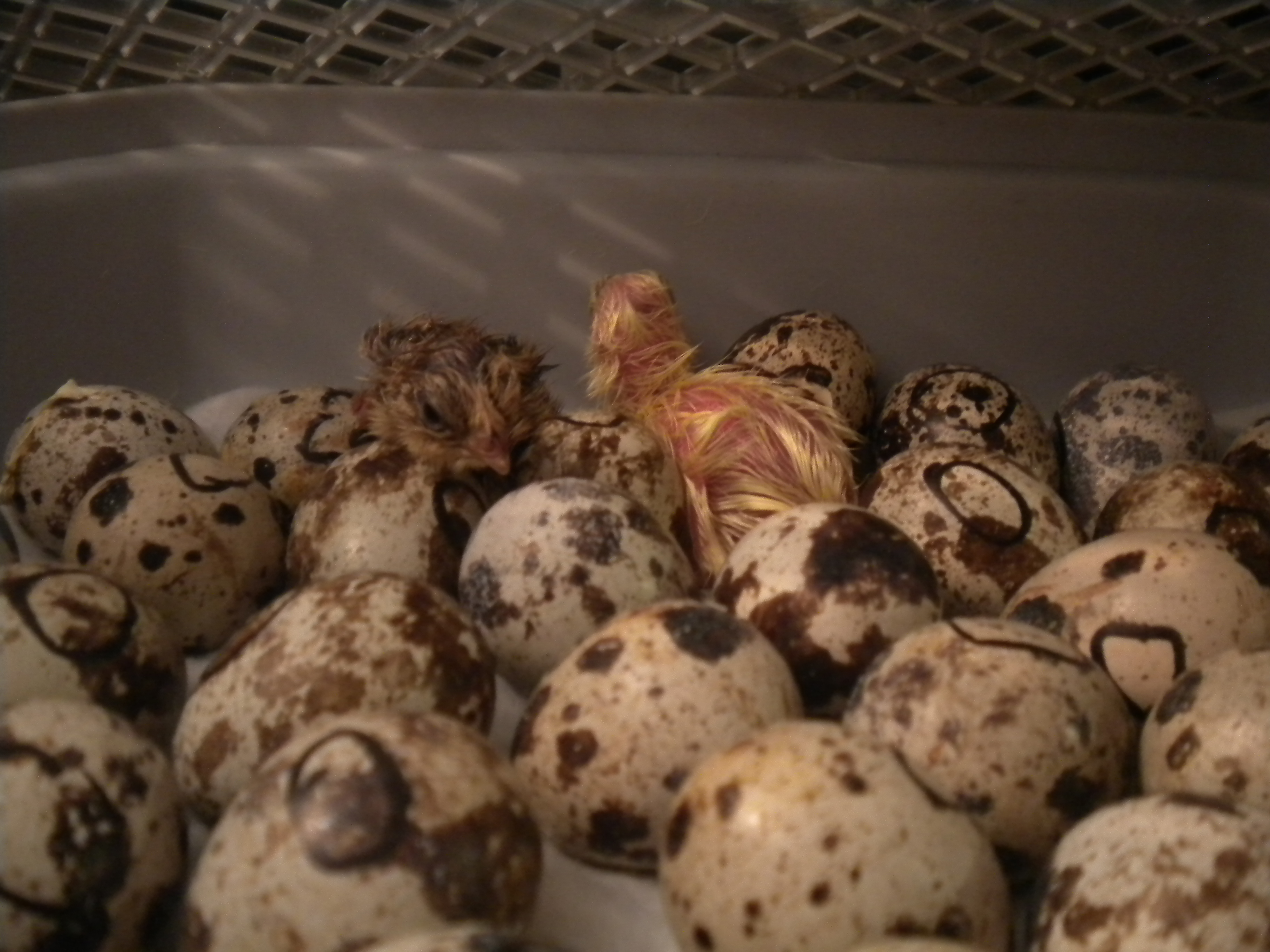
The results appears to be promising compared with those from the immediate past. Culling percentage is down from 29% to 16% after only three generations of intense selection and culling, applying the same standards. I know it is only one  set of results, but still promising though.  2013-12-14 – Quail Hatching Results