ENCEPHALOMALACIA – BAD COMMERCIAL FEED

2014-02-19 16.18.20

In New Zealand I have fed my Quails a diet “corrected ” for Quails starting off with a  commercial Chicken Starter Mash. This seemed to have worked fairly well as the growth results were acceptable. As my enterprise expanded it became more time consuming hand mixing feed all the time and I inquired with various feed companies, as to the availability of a specialised product for Quails, to no avail. I have however found a standard product off the shelf from a reliable feed company that claims, on the bag, to be adequate for quails. Having purchased it and used it for the past weeks, the results are shockingly bad. A specific batch of Quails, consisting of about 80 birds,, received this diet from day one. I normally supplement young Quail diets with boiled eggs for the first two weeks, which I have also done for this group.

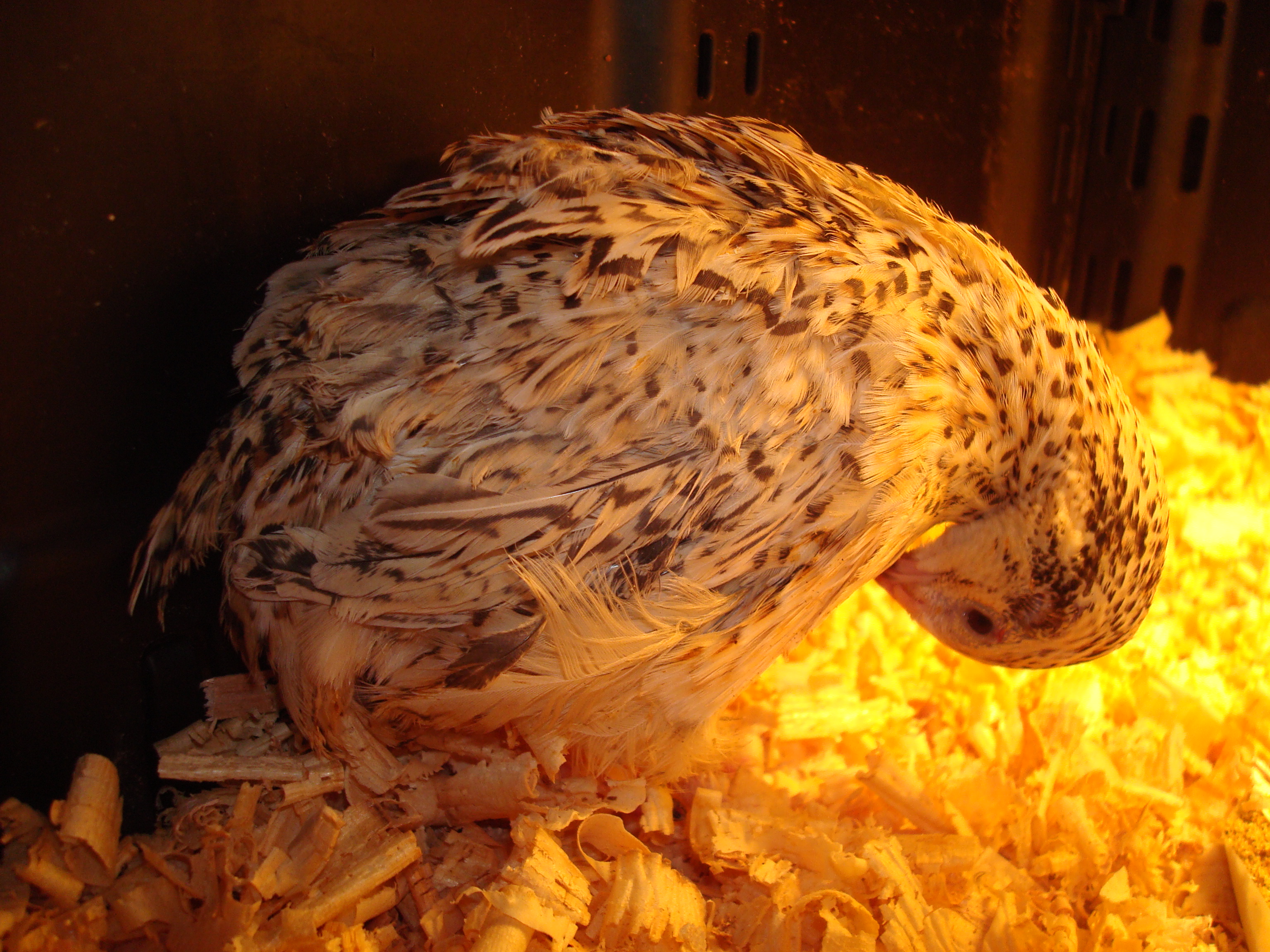
Apart from excessively poor growth and survival performances I have two birds showing severe signs of Enephalomacia (Vitamin E deficiency). The inherently low level of vitamin E in the the cerebellum makes it very susceptible to Vitamin E, Selenium and Antioxidant levels. The problem is normally associated with diets high in unsaturated fats as often found in poor quality fish meal as well as poorly processed blood and bone meal. Also the rations are normally supposed to be adequately supplemented with a vitamin and mineral pre-mix appropriate for the specific application. I dare to say it was not the case with the product I have purchased at high cost.

The signs of Encephalomalysia is imbalance, staggering and uncontrolled movement. Treatment is by supplementing Vitamin E and/or Selenium in the water and feed. Should the brain damage not be too severe, remission is possible.

I also have a video of two birds affected but cannot upload it – if you are interested I could Email it to you. I am busy setting up a YouTube account which will resolve this problem in future.


My diagnosis of the deficiency was unfortunately a few days too late as I firstly did not expect it from the purchased diet and secondly I initially thought it to be Wry Neck, a genetic disorder for which I select and cull very strictly against

The performance for this group are as follows (Figures in brackets depicts all previous batches):

Average mass at 21 days of age for top 20 % of birds – g – 108 (113)

Average mass at 21 days of age for the bottom 20 % of birds – g 57 (78)

Birds alive from eggs placed – % – 42  (69)

As can be seen from the above results there was a great number of bids affected as can be seen in the large number of underweight bids as well as the high mortality, even though only a few show the excessive diagnostic behavior found int the two birds photographed. Interesting enough the one bird showing signs was by far the heaviest bird in the group (Maybe the fast growth required higher levels of nutrients??) I am now supplementing the entire group with Vitamin E and hopefully shall save the rest not too severely affected.

INFECTIOUS CORYZA

RECENT CORRESPONDENCE BETWEEN ME AND A CUSTOMER

2014-02-15 - Infectious Coryza

Hi  Back Yard Farmer. I have lost some of my young birds to a sinus infection which causes their nostrils to be blocked and eyes to swell and they have a horrible smell? Lots seem to be fine and some get sick and recover but some have short time with breathing problems and then die quickly otherwise looking well. A neighbour has also had some trouble and lost half her birds but the vets didn’t diagnose it just gave her some very expensive a/b which seems to have done nothing. Do you know what this is – there seems so many possibilities on the net and what might treat and prevent it. I’m asking you first as you seem to have a similar approach to me ie natural mostly. Many thanks.

Mary – It sounds very much like Infectious Coryza, especially the smell which is definitely indicative of Coryza. It is an infectious respiratory disease and since the neighbour had it, wild birds, rodents and people carrying the bacterium has probably infected your stock as well. You could use Bytril (enrofloxicin) which is an expensive antibiotic or sulfadimethoxine or sulfamethazine – I think these are all prescription only. I would use Tylan 200 which is more readily available and much cheaper – maybe your local Coop. Inject 1 ml directly into the chest, but be careful not too deep, otherwise you will inject into the internal organs. All new birds must be vaccinated in future. The Vet should have told your neighbour if it was Coryza – ask her / him. I am new to NZ and not 100% sure what is available here. I order most of my medication online – much cheaper and no prescriptions required – Legal ? I dont know. Maybe a photo will help with diagnoses

Back Yard Farmer -Thanks for that. I’m not into vaccinations of any kind so will see what else I can find out but the diagnosis is very useful. I had seen that and thought it looked a strong possibility so great you confirmed it. I use homeopathy a lot but have struggled finding a good remedy for this.

Mary – It is a very aggressive bacterial infection and you either need to get the birds immune (vaccinate) or you have to not expose them to the bacterium at all. Natural immunity will exist in those birds that encountered the disease and survived, but unfortunately they remain carriers and will infect any new birds introduced.

Back Yard Farmer – Thanks for that info. I’ll find out if there is a homeopathic vaccination available.

http://earthmama24.blogspot.co.nz/2011/03/natural-treatment-of-infectious-coryza.html This is quite interesting. So do you think that those that get well naturally or from antibiotics are still carriers and therefore it is best to cull any sick birds? I’m feeling thankful that most of my breeding birds are in their own runs and the sick little ones are in one of the nursery pens so if I act quickly and sensibly we should contain it.

 Mary – Thanks for the mail. Yes it can be treated in many ways, even left to its own. Some birds will die some will survive – the better they are looked after the more will survive. Those that do survive will be carriers forever though and if you introduce new non vaccinated animals, you will have to go through the disease again and loose some again. Tough !!


MITES AND LICE ON POULTRY AND OTHER ANIMALS

2014-02-24 - Fowl Mite 2014-02-24 - Fowl Mite 2014-02-25 - Fowl Mite 2014-02-24 - Red Mite clump after a blood feed 2014-02-24 - A Mite


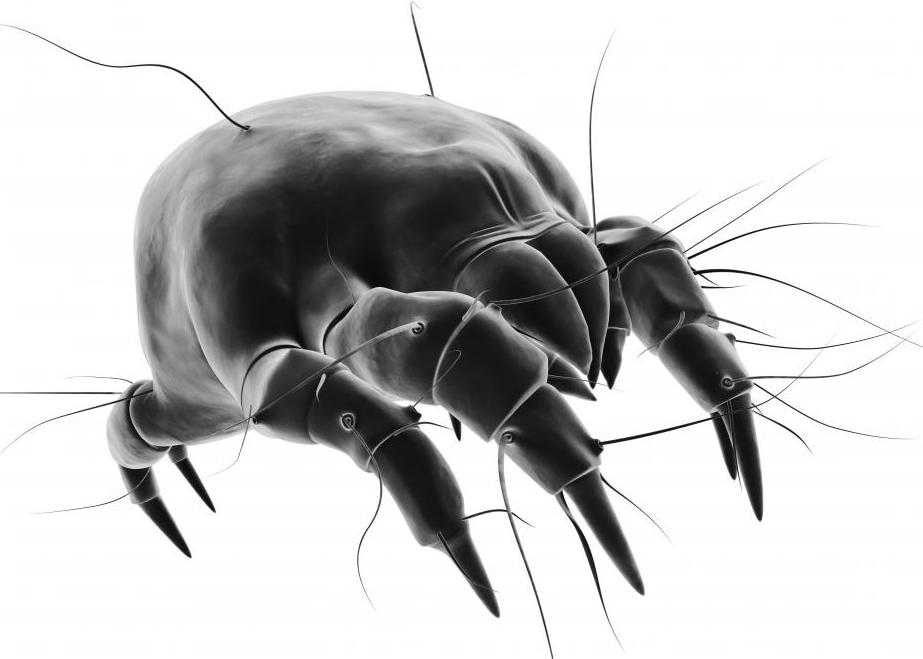
RED MITE MONSTER from Piterest

As with most parasites control programs there is no quick fix solution and it should more often than not be a long term management plan.

I do sell DA at $26 per 3 Kg – Free delivery in New Zealand (RD delivery is $5 extra)

Back Yard Farmer

Tel – +64 211 34 14 52

byf@backyardfarmer.co.nz

www.facebook.com/backyardfarmernz

http://www.backyardfarmer.co.nz

Dunedin – New Zealand

QUAILS HAPPIER IN BATTERIES THAN OUTSIDE

2014-01-21 - Inside Quails2014-01-21 - Outside Quails

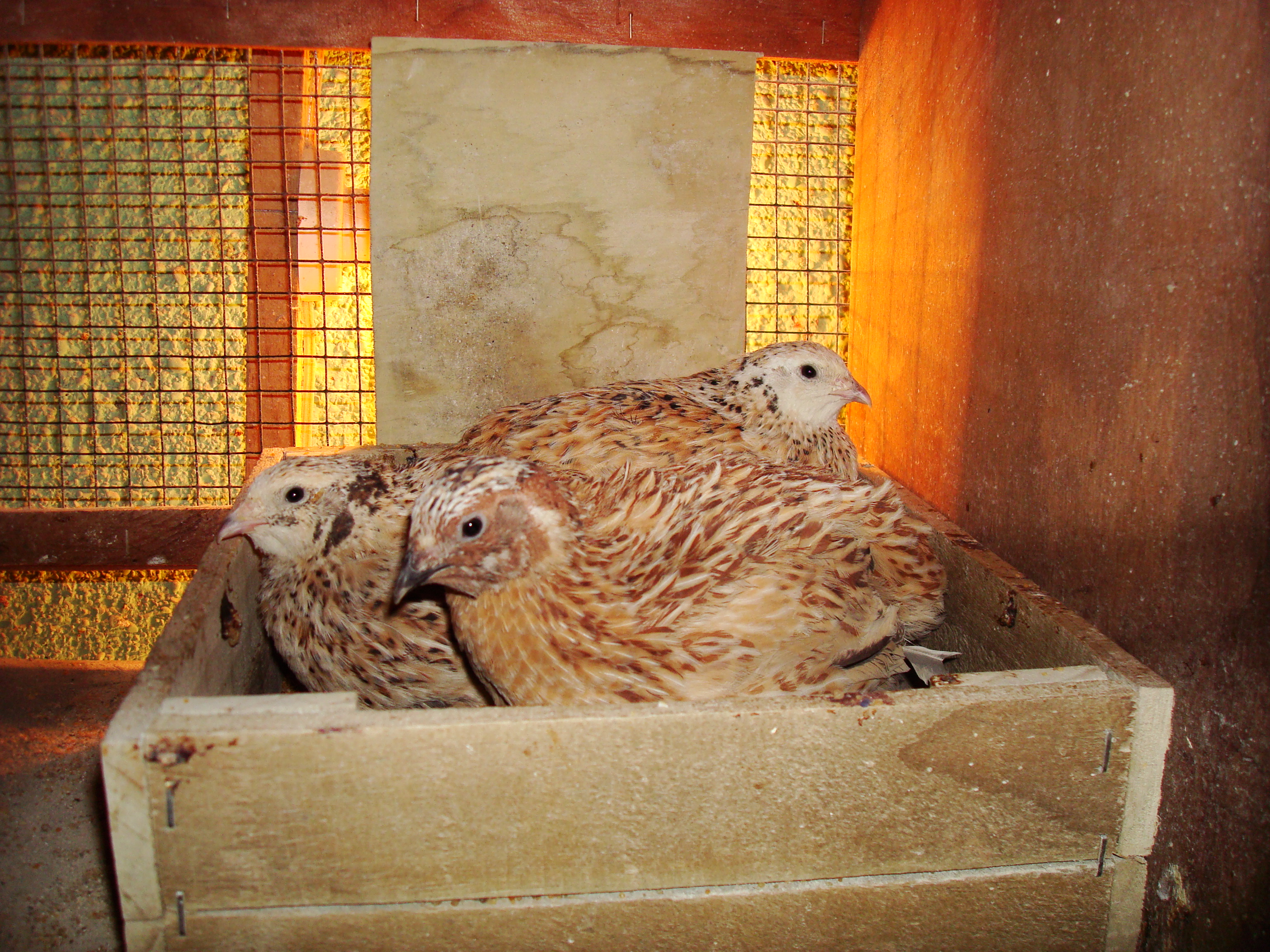
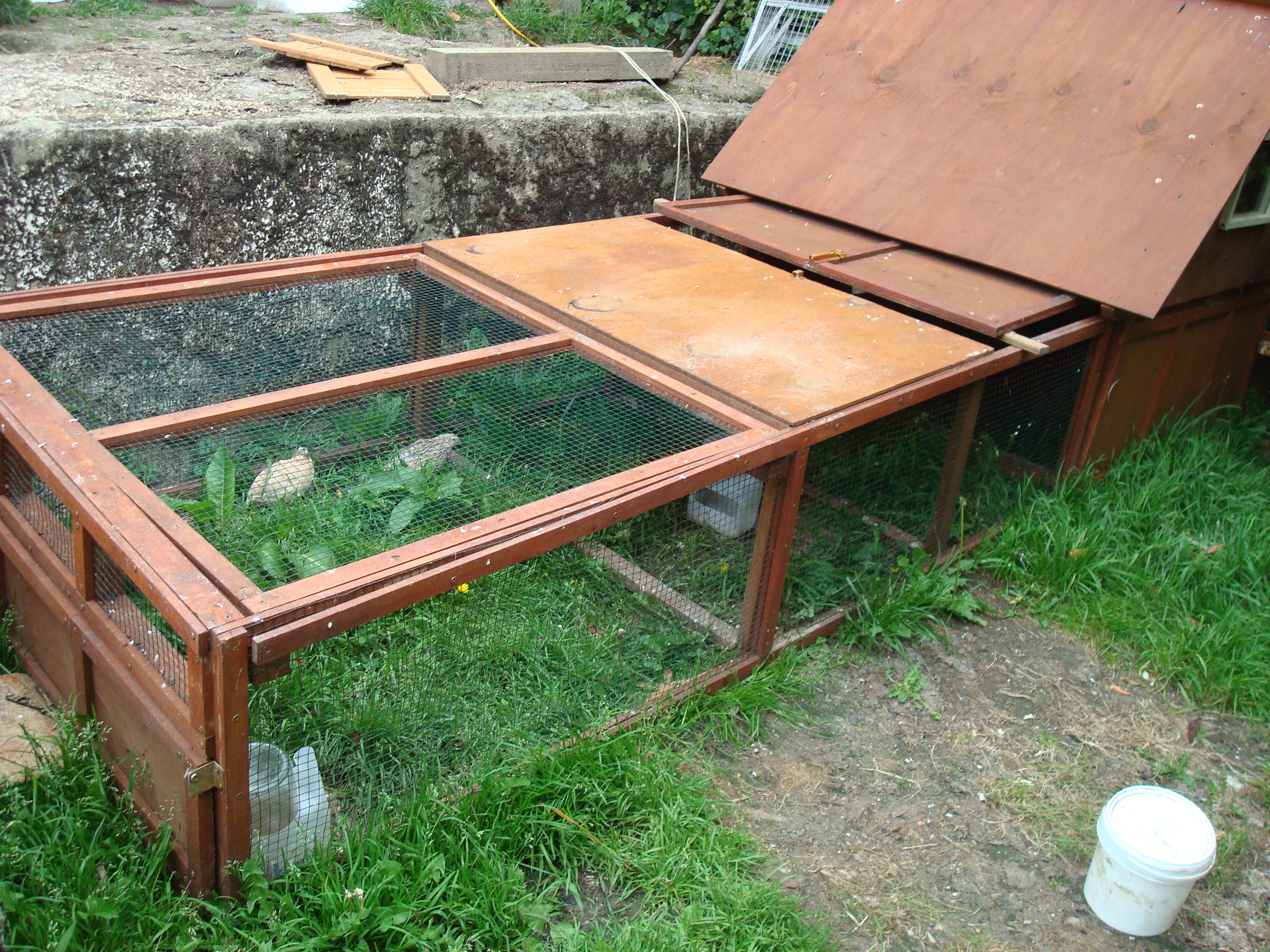
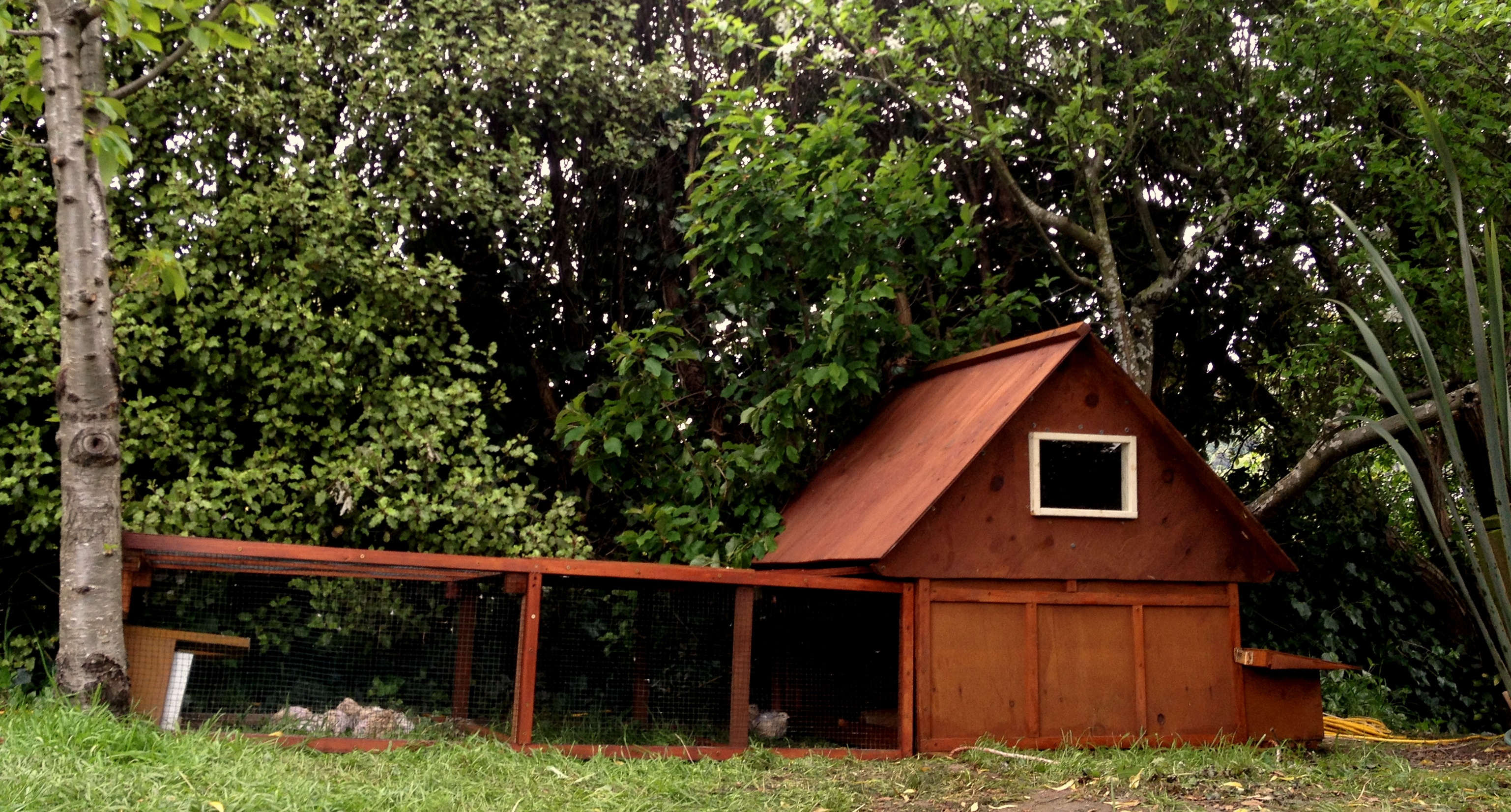
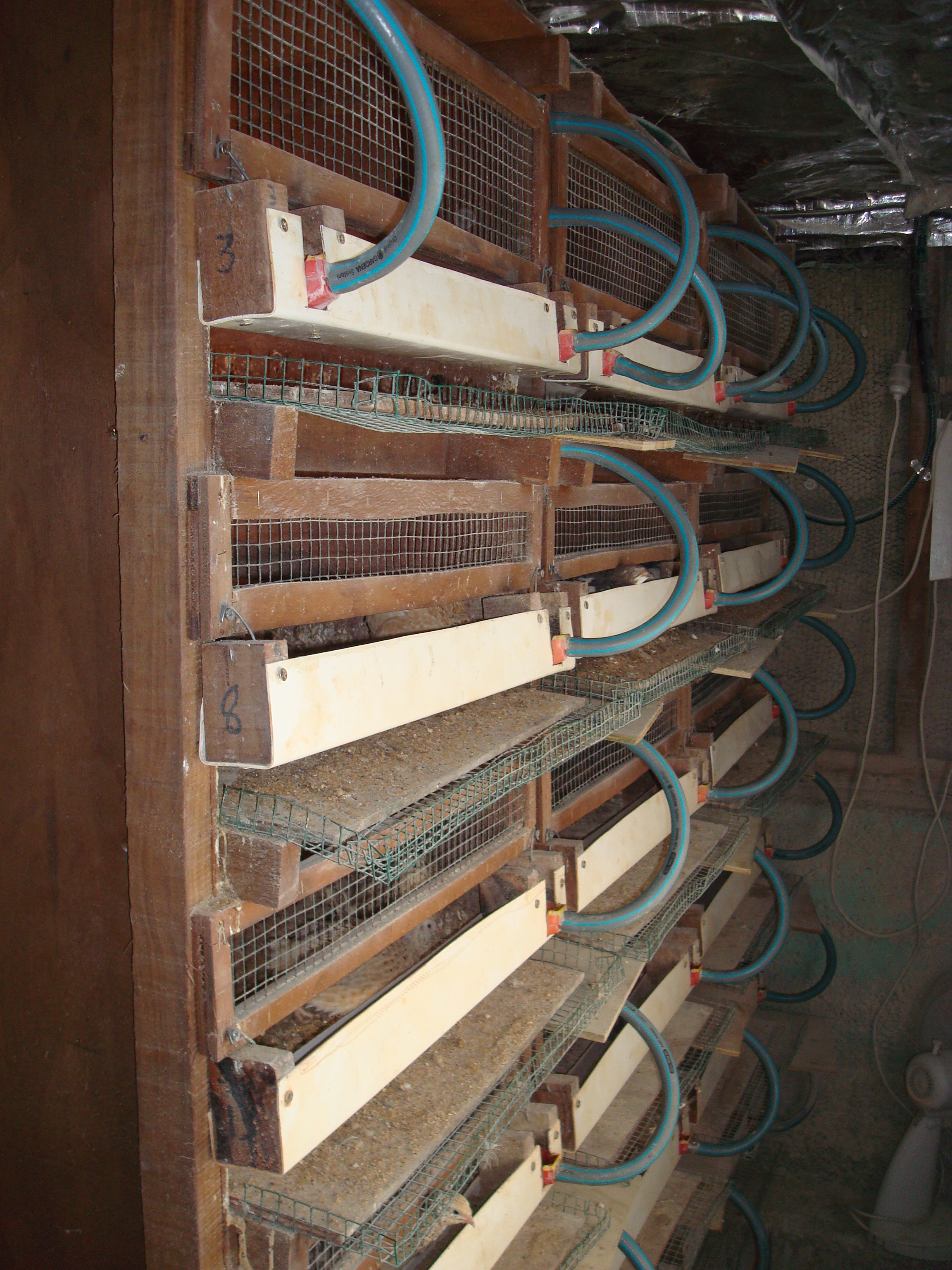
I consider both my housing systems for quails as very adequate, providing for the needs of the birds first and foremost. Even though I manufacture and sell both systems – i.e. Production Cages (“Batteries”) and Free Range Housing (Movable outside units), the birds are much happier and more calm and content in the inside cages than outside, irrespective of the fact that stocking densities are 14 Quails per 3 Meters Square outside and 7 Quails per 0.25 Meters Square (500 mm X 500 mm) inside. I provide fresh food and water ad lib as well as clean sand baths at all times in both systems. Both systems house Males and Females together. My housing design has been influenced by years of experience and very close observations and understanding of the Quails, as I have run commercial units in both systems for a long time. My observations are backed by the quail behavior and performance as they have higher production, lower mortality and better feed conversion in the inside cages compared to outside. Knowing Quails very well I can also confirm that they are much quieter, calmer and more content inside. This may be as result of a number of factors like fixed light intensity and duration, other controlled environmental factors such as no drafts, wet conditions and extreme temperatures inside as well as the absence of visible threads like large flying birds and other predators. Quails do not enjoy running around in search of shelter and food, so relative confined ares are more suitable for them.

2013-10-17 - Quail Palace2014-01-21 - Batteries