Dragon Food

2014-05-16 - Dragon Food 1

The garden is still producing, irrespective of what the Dunedin Weatherman throws at it and the severe bashing at the end of April. I harvested Zucchini, Radish, Chicoria, Tomatoes, Broccolini and one lonely Carciofo – enough for the family for another day. Please note the Dragon that, according to it’s 20 month old Master, is “Going to eat Nonno”.  If that happens, I do not know who willl  attend to the animals and garden.

The SIX golden RULES of keeping quail and other poultry

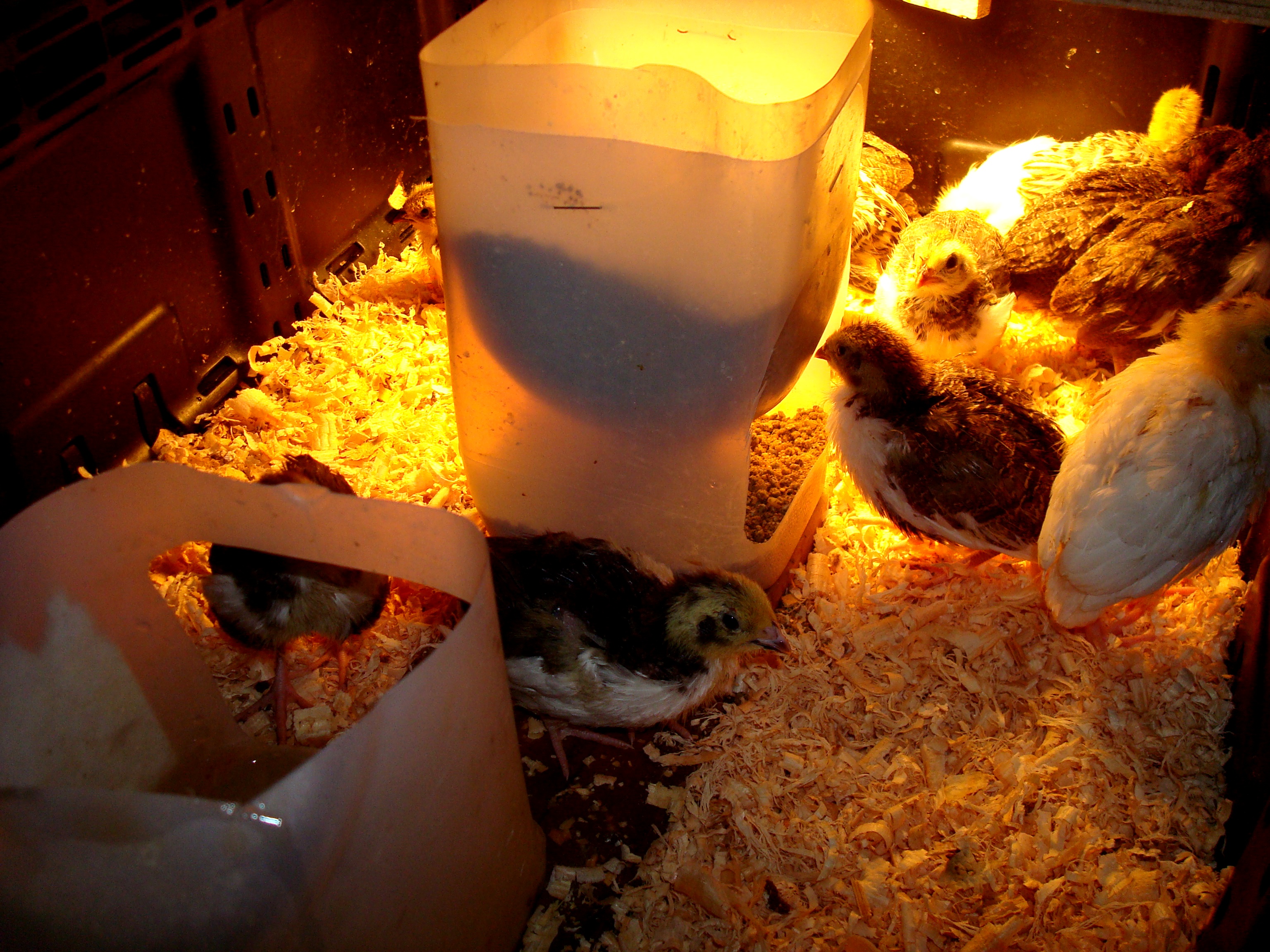
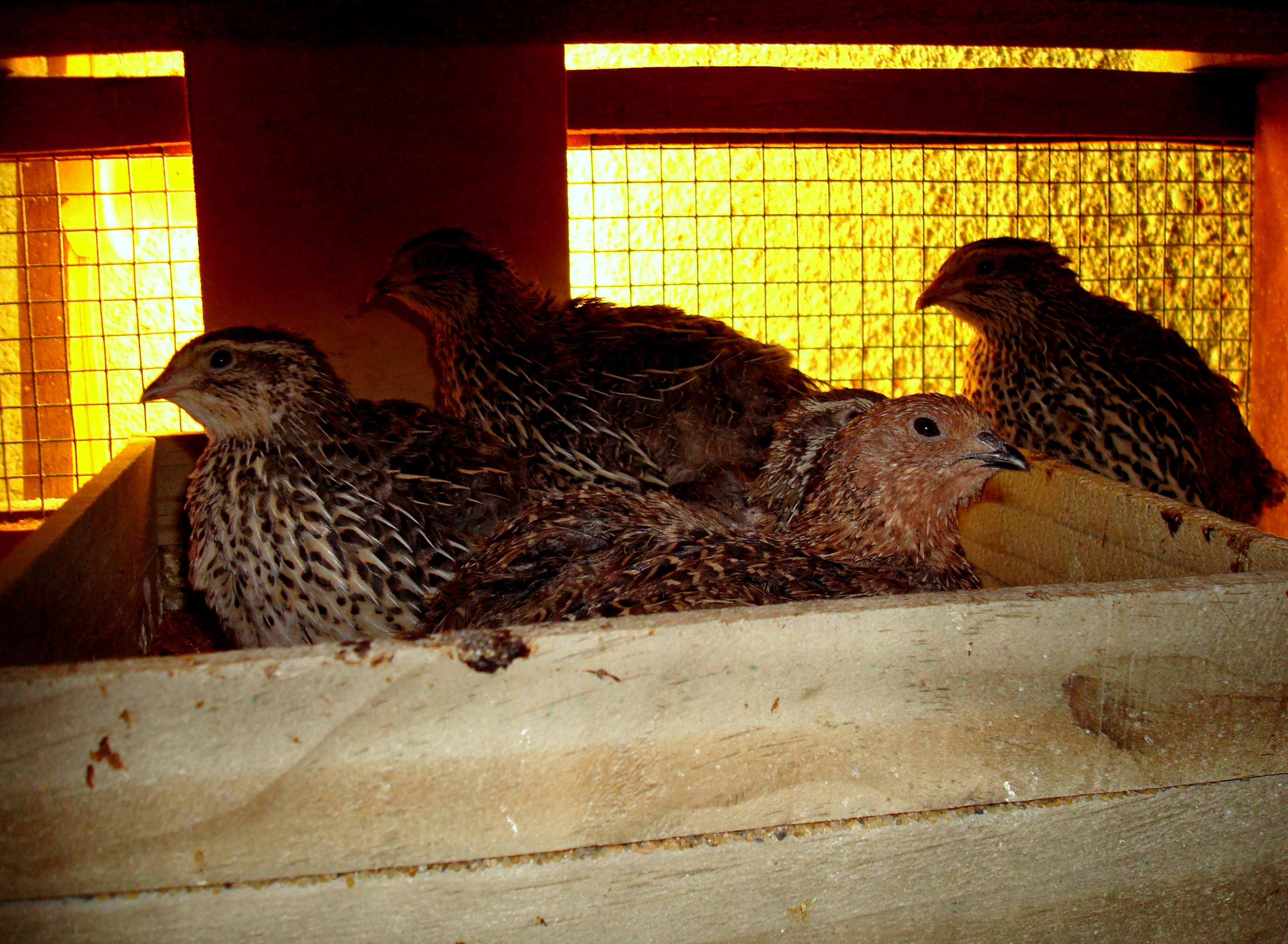
2014-05-13 - Baby Quail 2014-05-09 - Clean Food and Clean environment2014-01-21 - Happy Quails

Treat them well and they would reward you for your efforts !

Give your birds :

1. A balanced and specie specific correctly formulated diet

2. Clean water and fresh feed at all times

3. Optimal environmental conditions with correct temperatures, dry and drafts free with correct lighting patterns and intensity

4. Enough space with clean dry bedding in well designed cages providing proper ventilation

5. Well bred animals housed in the correct male to female ratio

6. An owner that enjoys keeping and attending to poultry

It is easy and enjoyable to breed and keep poultry


6. Free of insects and other vermin


BRIE

2014-05-14 - Brie

I did some Bacteria and Mould ripened cheese today – Brie. This is one of my favorites, but is not easy to make. Heat 10 Litres of full cream Jersey milk to 30 C and ad your mother Flora Danica starter. Stir very well and let ripen for 15 minutes. While keeping the milk at 30 C add the 4 ml Rennet diluted in 50 ml distilled water. Stir with a up and down motion for one minute, then top stir for another minute. Leave it undisturbed for 3 hours while keeping the temperature at 30C.  All cheeses using little Rennet may be problematic, but trial and error is the only solution. By now the curds should have formed. Cut the curds in 12 mm cubes. The moulds to use for Brie are open on both sides, as to facilitate easy turning over. Fill the moulds and leave to draqin for 12 hours at about 20C (Room temperature). With a board on top and one at the bottom, flip the cheese over and let drain. The cheese should not break in this process. Repeat this flipping over every four hours for at least five times and let it drain all the time. Once the cheese is dry enough, approximately one day after filling the moulds, take it out of the mould and lay on a clean cloth. Now rub the top and sides with salt. After two hours, flip the cheese over again and rub the other side with salt. Let is rest for one hour and spray the white mould on all sides and store at 15 C for one week or until the white mould appears. Now store for 3 months at 13 C and 85 % humidity. The cheese should now be soft inside when pressed, slightly brownish on the surface and creamy and buttery when eaten.  If the cheese is cut before it is matures, it will not mature. A pure white coloured cheese has not matured yet and needs to be stored longer. ENJOY!!  Off coarse I made Ricotta with the Whey


Hereditary Wry Neck in Coturnix coturnix

2014-05-13 17.33.09

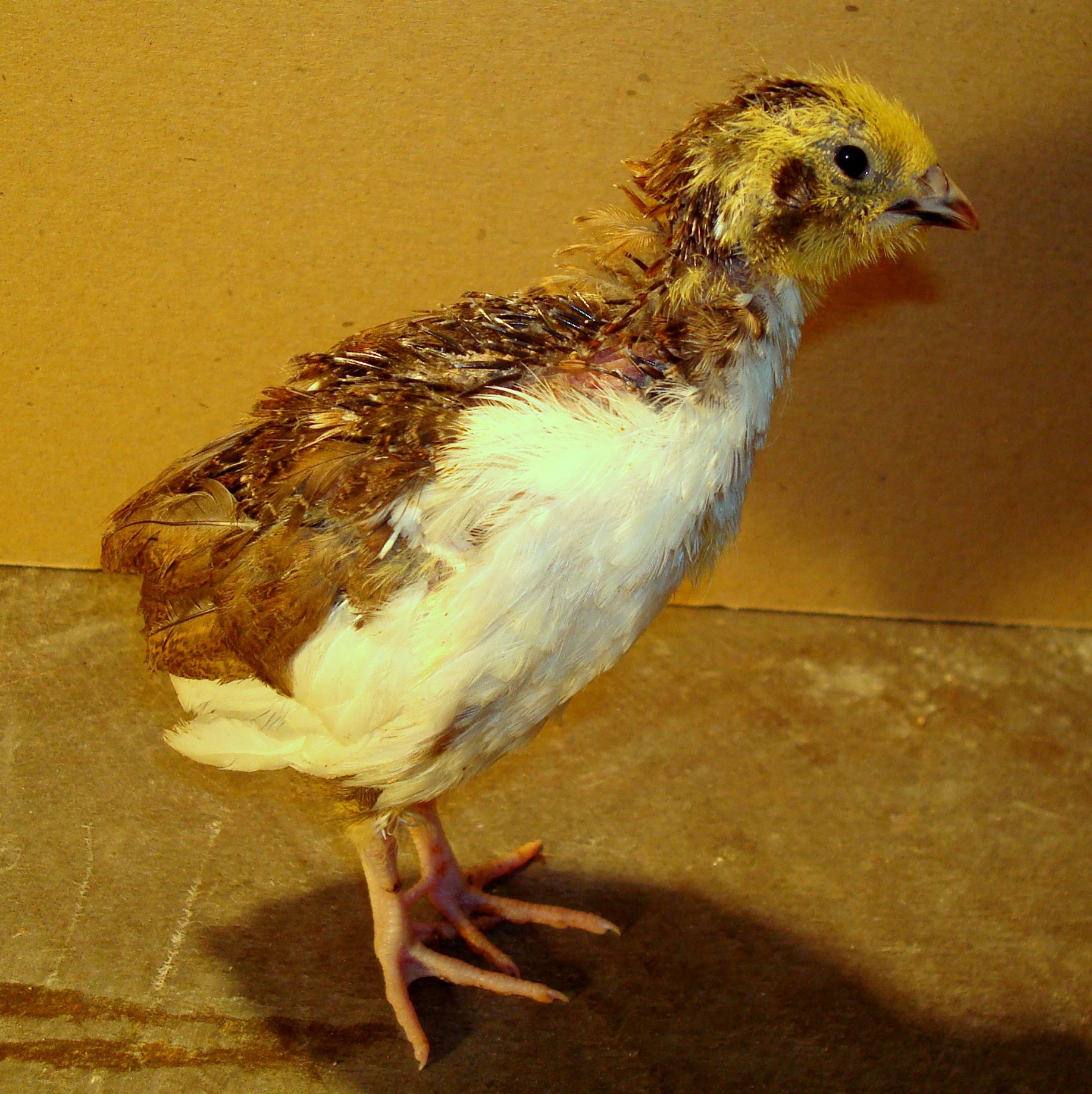
I have been breeding six different breeds of Coturnix in New Zealand over the past 12 months and with my scientific background, recordkeeping is one of my passions. I am of the opinion that Wry Neck is hereditary in Coturnix coturnix as I have a ten times larger occurences in my Tuxedo breed than any of the other five breeds. The incidence of Wry Neck in the my breeds are as follows  –   Tuxedo – 3.2 % : Goolden Italians – 0.0% : Whites – 0.1% : Tibetans – o.9% : Pharoah – 0.3% and Rosettas 0.0%. These figures were collected from at least 200 birds for each breed, except for the Rosettas where information is for 38 birds only. The other interesting fact is that after just four generations of heavy culling against defective traits, the wry neck occurance has declined in the Tuxedo breed from over 6 % to less than 2 % in the last batches. The decline is not statisticayl significant even though definate, but the diffference beteen breeds is.

Cured Salmon

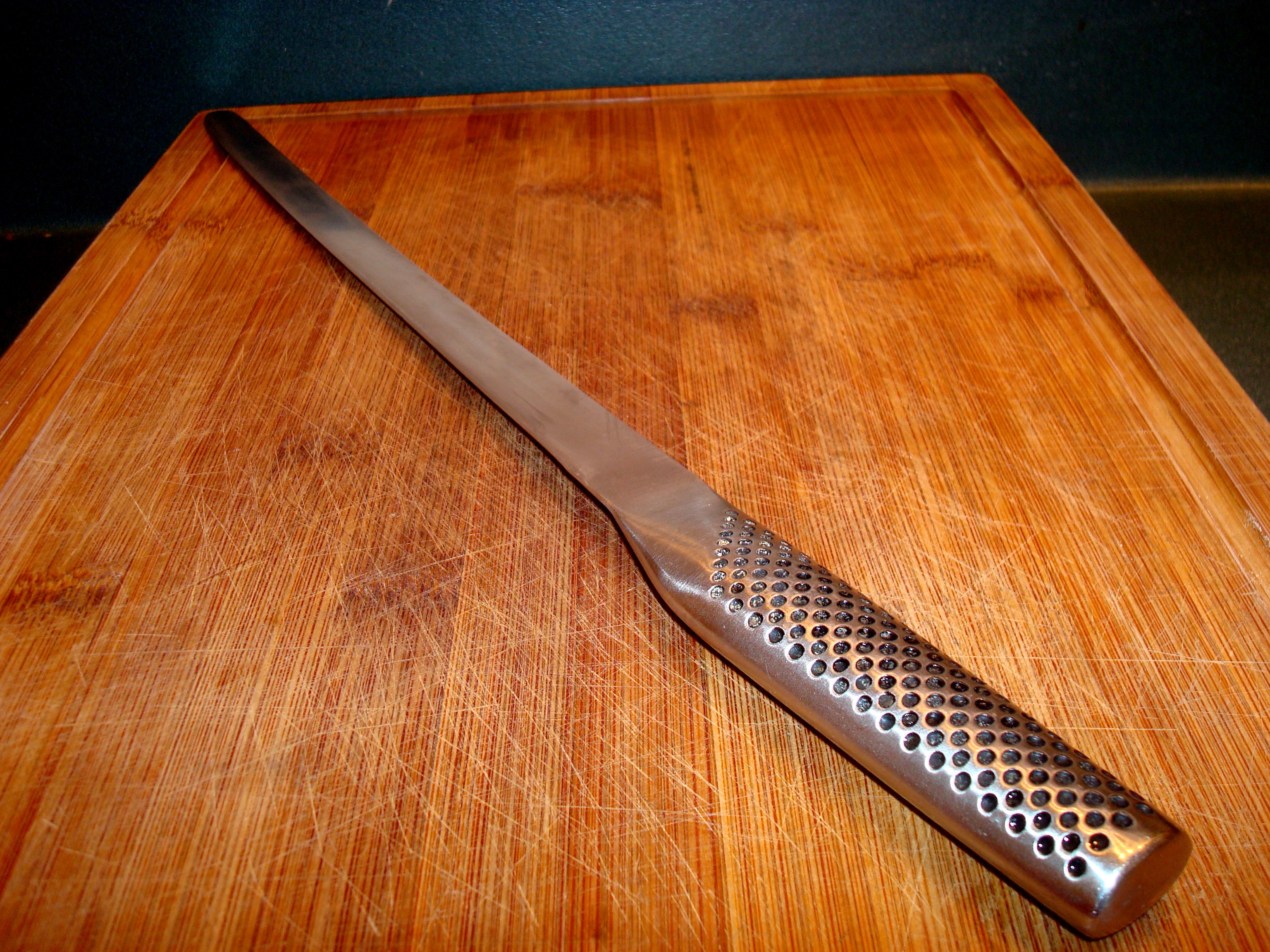
2014-05-14 - Salmon Fillet2014-05-14 - Salmon in Salt2014-05-14 - Salmon Filleting KnifeSalmone 3

I think the Portuguese are particularly good preparing and cooking seafood. This Cured Salmon recipe, which is so easy and absolute fantastic, I have learned from a Portuguese Chef I employed and even though he was not Italian, he cooked magnific food in an Italian restaurant.

Fillet the Salmon and take all the bones out with a pair of sharp nosed pliers.  Mix 800g Salt, 200g Sugar and the grated rind of four Lemons ( with no pith).  Put a thin layer of the salt mixture in a baking tray, large enough to hold the fillet. Place fillet skin side down on the salt mixture and use the rest of the salt to completely cover the fillet. Leave in the fridge for 24 hours, then flip the fillet over and make sure it is again covered with the salt mixture. After another 24 hours, remove from the salt and wash well with cold running water. The timing  is absolutely critical to secure a delicious end product, not too dry, not too salty, just right. Dry well with absorbing paper. The cured fish can be consumed immediately or stored in the fridge for about ten days. I cut mine in usable size bits and vacuum seal it, extending the fridge time with some weeks. It is polished off quickly so I have never found out just how many weeks it will keep! Traditiopnally I serve it sliced in paper thin slices – I use my very sharp filleting knife – with capers and a tiny bit of olive oil, fresh rocket salad and home made bread or with some smoked fish roe – do not forget the glass of good red wine (white if you must)