
http://www.theguardian.com/environment/2014/may/15/honeybee-deaths-too-high-longterm-survival


The garden is still producing, irrespective of what the Dunedin Weatherman throws at it and the severe bashing at the end of April. I harvested Zucchini, Radish, Chicoria, Tomatoes, Broccolini and one lonely Carciofo – enough for the family for another day. Please note the Dragon that, according to it’s 20 month old Master, is “Going to eat Nonno”. If that happens, I do not know who willl attend to the animals and garden.

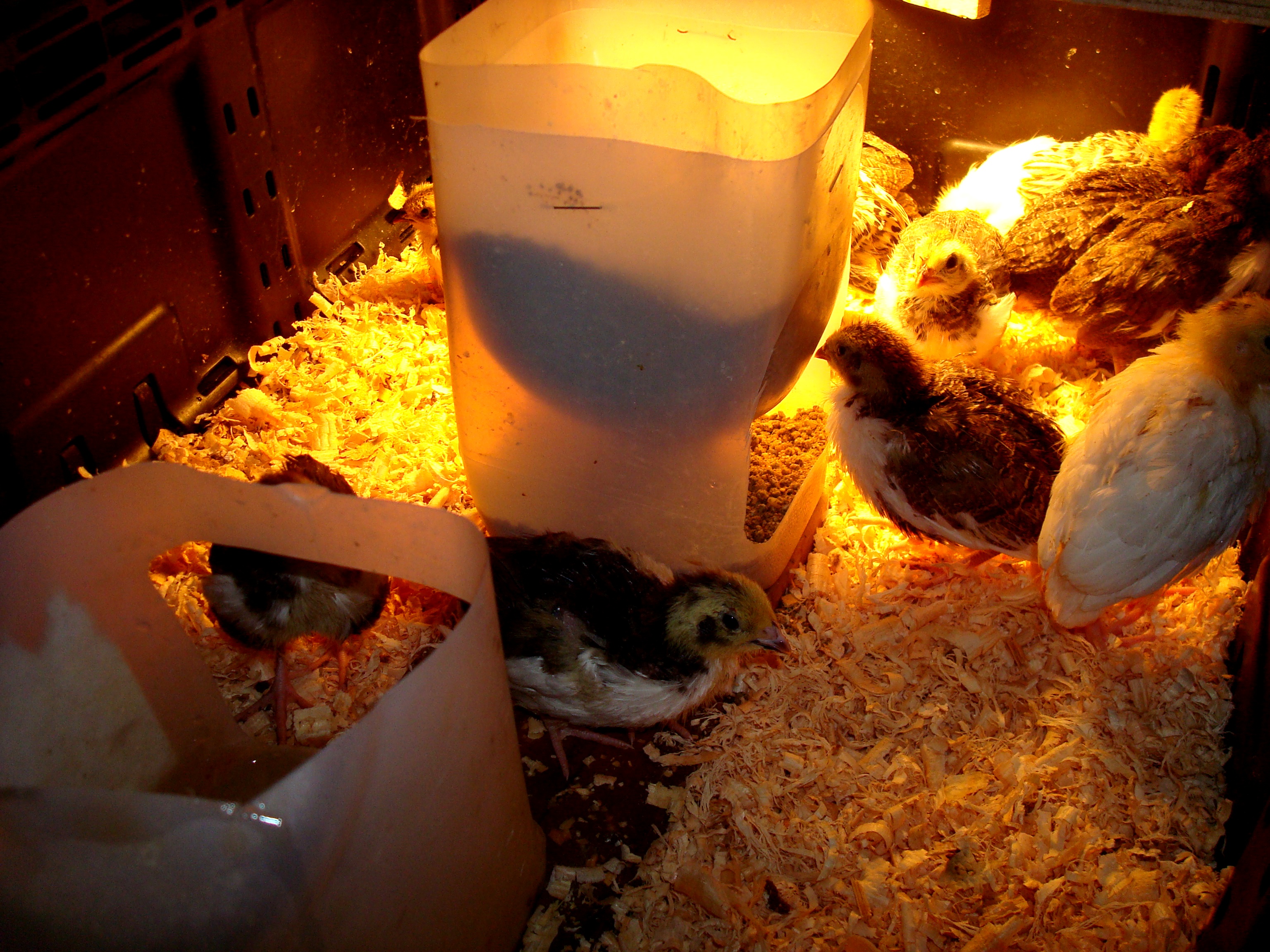
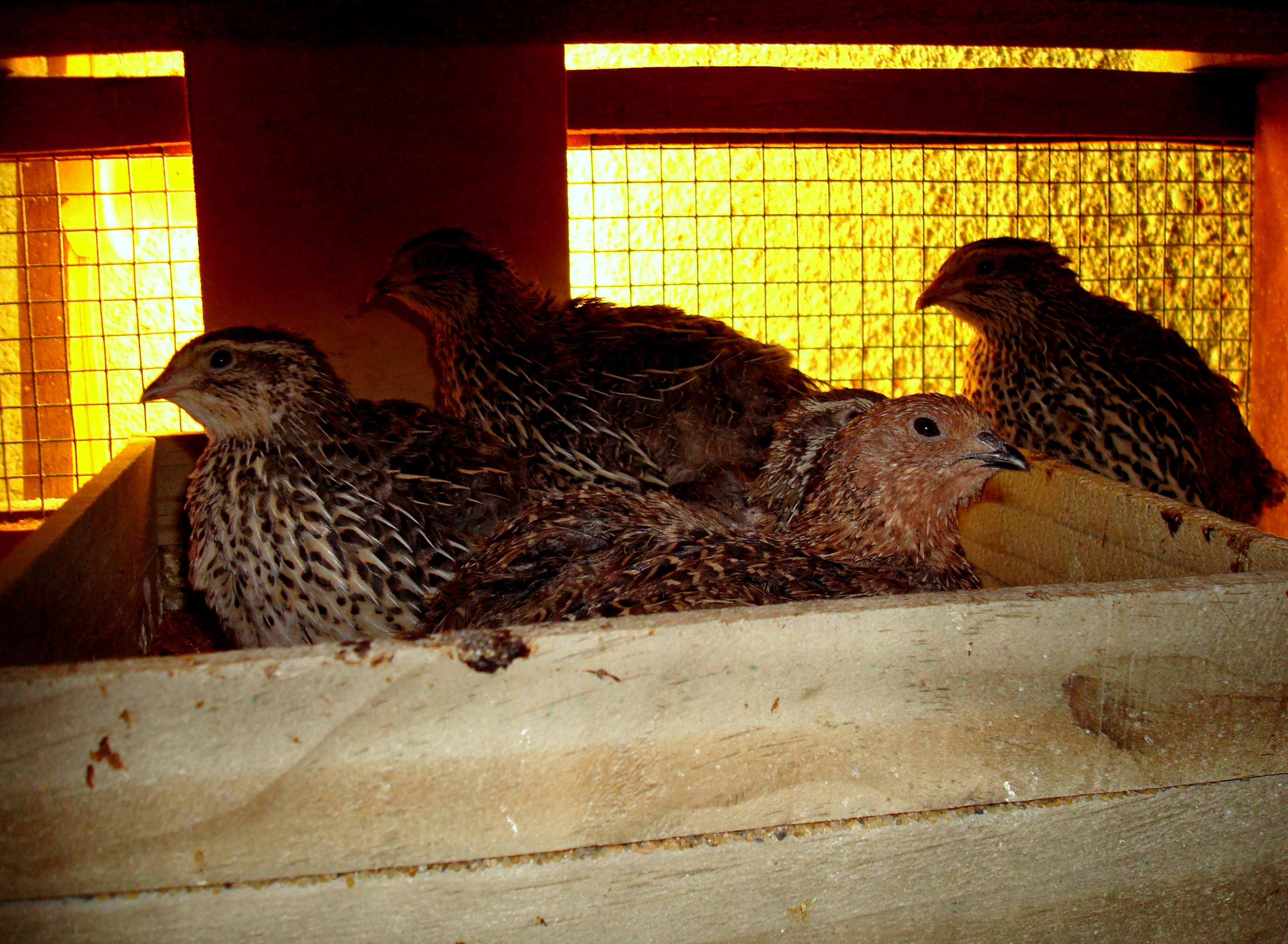
Treat them well and they would reward you for your efforts !
Give your birds :
1. A balanced and specie specific correctly formulated diet
2. Clean water and fresh feed at all times
3. Optimal environmental conditions with correct temperatures, dry and drafts free with correct lighting patterns and intensity
4. Enough space with clean dry bedding in well designed cages providing proper ventilation
5. Well bred animals housed in the correct male to female ratio
6. An owner that enjoys keeping and attending to poultry
It is easy and enjoyable to breed and keep poultry
6. Free of insects and other vermin

I did some Bacteria and Mould ripened cheese today – Brie. This is one of my favorites, but is not easy to make. Heat 10 Litres of full cream Jersey milk to 30 C and ad your mother Flora Danica starter. Stir very well and let ripen for 15 minutes. While keeping the milk at 30 C add the 4 ml Rennet diluted in 50 ml distilled water. Stir with a up and down motion for one minute, then top stir for another minute. Leave it undisturbed for 3 hours while keeping the temperature at 30C. All cheeses using little Rennet may be problematic, but trial and error is the only solution. By now the curds should have formed. Cut the curds in 12 mm cubes. The moulds to use for Brie are open on both sides, as to facilitate easy turning over. Fill the moulds and leave to draqin for 12 hours at about 20C (Room temperature). With a board on top and one at the bottom, flip the cheese over and let drain. The cheese should not break in this process. Repeat this flipping over every four hours for at least five times and let it drain all the time. Once the cheese is dry enough, approximately one day after filling the moulds, take it out of the mould and lay on a clean cloth. Now rub the top and sides with salt. After two hours, flip the cheese over again and rub the other side with salt. Let is rest for one hour and spray the white mould on all sides and store at 15 C for one week or until the white mould appears. Now store for 3 months at 13 C and 85 % humidity. The cheese should now be soft inside when pressed, slightly brownish on the surface and creamy and buttery when eaten. If the cheese is cut before it is matures, it will not mature. A pure white coloured cheese has not matured yet and needs to be stored longer. ENJOY!! Off coarse I made Ricotta with the Whey
 Back Yard Farmer