Raw Milk propagated by SlowFood
RAW MILK
Raw Milk propagated by SlowFood
Cooking for Family and Friends
Raw Milk propagated by SlowFood

The potato yield was unbelievable. I have harvested 45 kg of potatoes from only 2.1 meters square – this equates to a whopping 215 Tons per hectare compared to the average for all developed countries in the world of 38 Tonnes per hectare and in New Zealand about 70 Tonnes per hectare. (I am now waiting a call from the CEO of the NZ Potato Council offering me a Seat on the Board) The potatoes were practically the first things I planted after arriving in New Zealand following mulching and composting of the vegetable patch which was pure clay when I started. Digging up the potatoes and then removing clay for another 500 mm and then putting compost down the trenches and covering it all with a mix of clay and soil wore me out and I had to stop halfway through the job to only finish it after two days in the patch. Above is a picture of some of the harvest.

I could not resist putting a few of the potatoes in the oven. I have been reading about these Hasselback Potatoes and they taste as good as they look!
Hasselback Potatoes
Preheat the oven to 250 degrees
Potatoes washed, keep the skins on
Rosemary chopped
garlic minced or chopped fine
olive oil and melted butter mixed for basting
salt
Slice each potato in slices about 5 mm thick. Do not slice the potato right through, keep just enough at the bottom to keep the potato intact. Mix the garlic and rosemary in to the butter and oil and toss the potatoes in the mix. Put in oven and when the slices start separating a little baste the potatoes with the left over basting mix. When golden brown test for tenderness and enjoy.
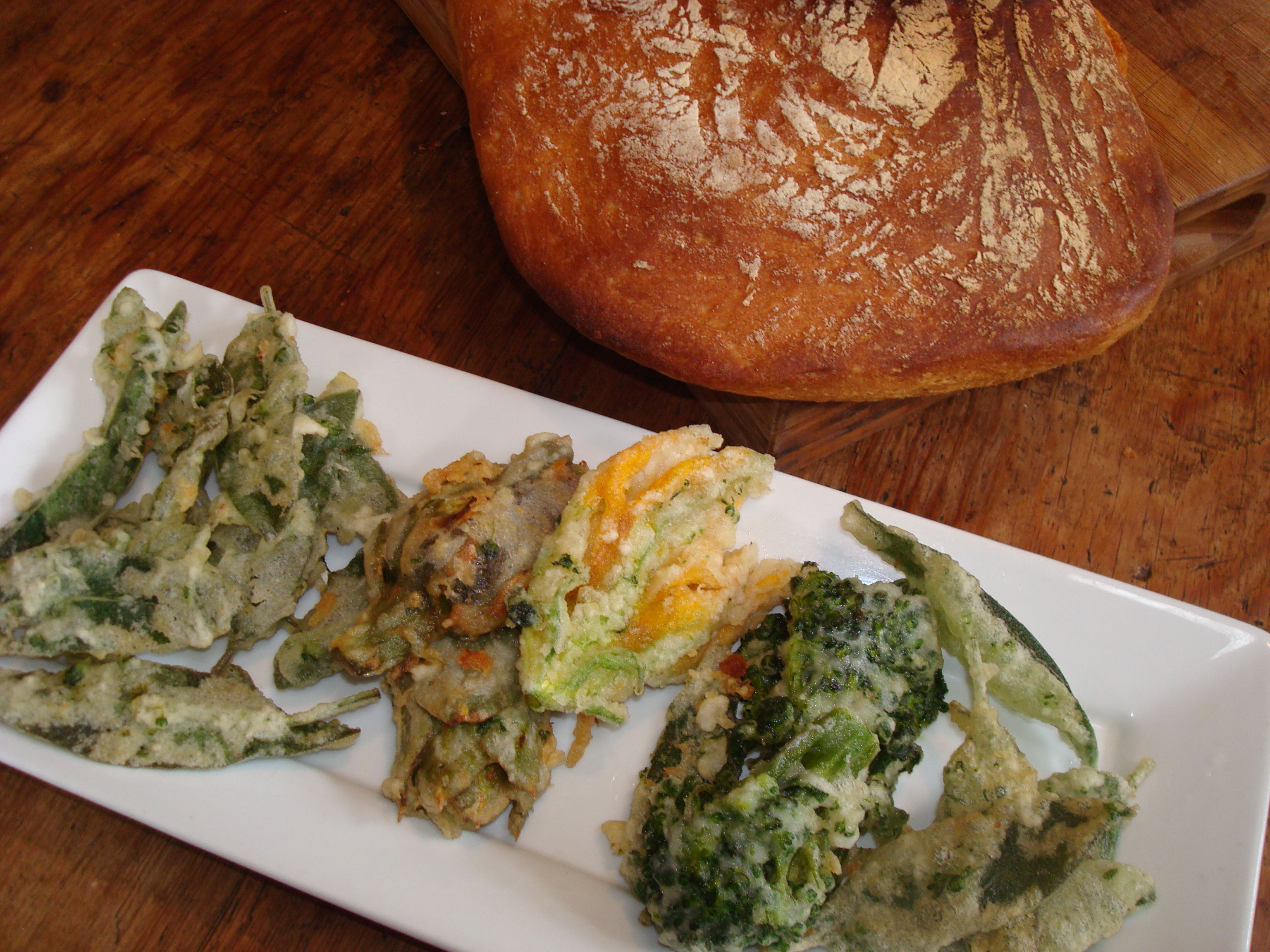
I cleaned up the garden and brought in one small artichoke, one pumpkin flower and some sage leaves. I did not know what to do with my meager harvest so I decided to deep fry
every thing. I added some fast home made bread, (pane veloce) put out the last of the carrot top pesto and ricotta cheese. Poured a bit of red and had a great meal.
Flour and Water Batter
1 cup plain white flour
Pinch of salt
water
Mix flour and salt add water a little at a time while whisking until you have a thick creamy consistency. Set aside
Frying the Veg
If you have a very young fresh artichoke, boil it in water for about 20 min or until tender but not falling apart. Set aside on kitchen paper, allow the retained water to drain and cut in half or, if it is a large artichoke, quarter and remove the choke.
Heat about 6 cm of vegetable oil in a pan, when the oil is hot, dip the vegetables in the batter and slip them in to the pan. Do not overcrowd.. When crisp remove the veg, drain on kitchen paper and put in a new batch. Serve immediately, if you wait the batter loses its crispness.
What do you do when you have a passion for blueberries and peanut butter and you are 3 years old?

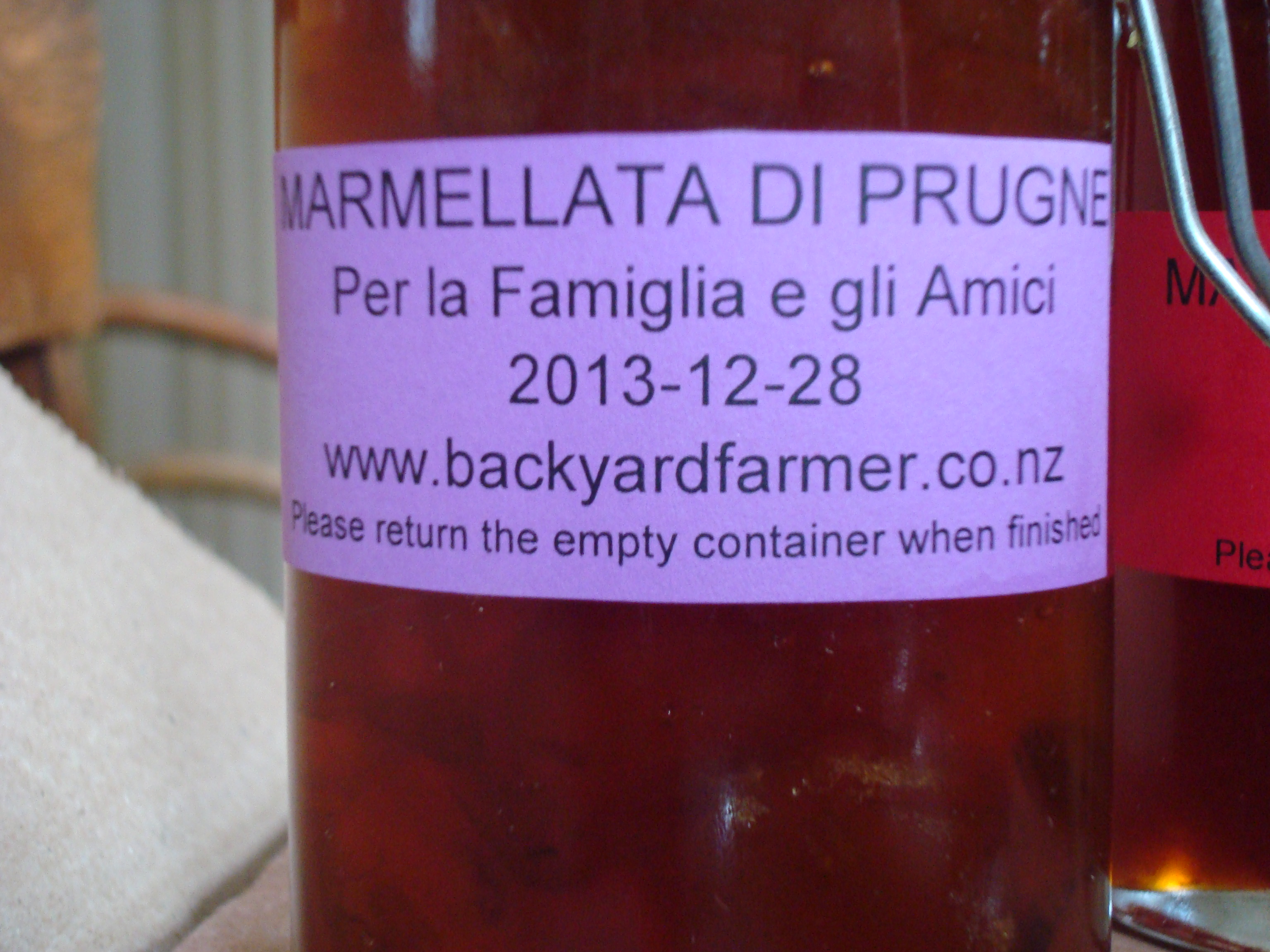
I am the proud maker of 186 jars of jam (and more to come)! Each jar contains about 130 g of product. I used small glass jars because I like to eat a different jam every day, and, the most important reason, I already had little jars ( bought 10 years ago). They have been used many times but have been kept in their original boxes between use, so they have traveled well. I lubricate the rubber seals with Vaseline in the off season which keeps the rubbers soft and pliable forever. Having spent a great deal of time in laboratories in my undergraduate days, sterilising everything is something I spend a lot of time on. Also, I label and date every jar properly.
I still want to make banana (I shall buy from the little local greengrocer) and tomato jam (my tomatoes are not growing well so the local greengrocer will have to supplement), then I think I may have a good supply of jam to eat and give away to last until the next berry season.


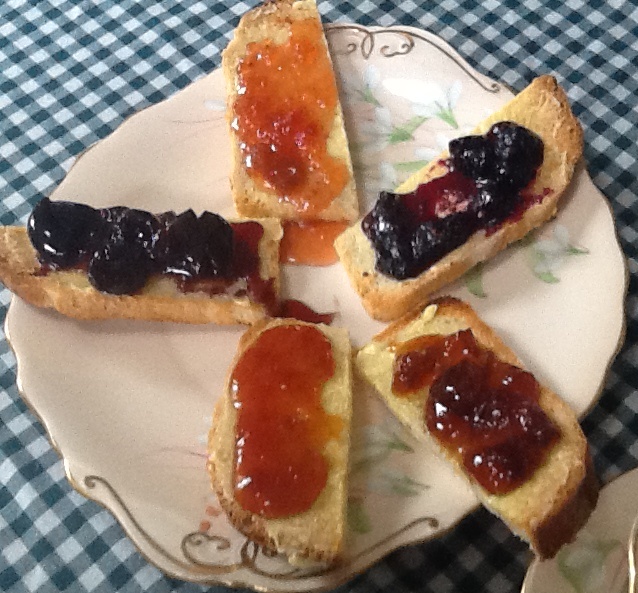
In the first picture I am cleaning bottles. Second picture shows the jams inside the bottles being pasteurised . Pictures 3 and 4 shows everything labled and packed. The jams pictured on toast are cherry (unsaleable seconds given to me by a farmer/market vendor), blueberry (picked on a local farm), apricot bought from the farmer on the Sunday market (most of which were eaten and given to the grand kids), plums from our tree, apples from our tree. I bought about $10 worth of sugar, and traded some eggs for lemons. All up costs for the lot was less than $30, or 16 cents per jar and I know what is in them – no preservatives, no thickeners, no setting agents, no coloring, no flavoring, no nothing – only fruit and sugar and it tastes FANTASTIC!

I spent many happy evenings pottering in my kitchen – all in all a great project.

